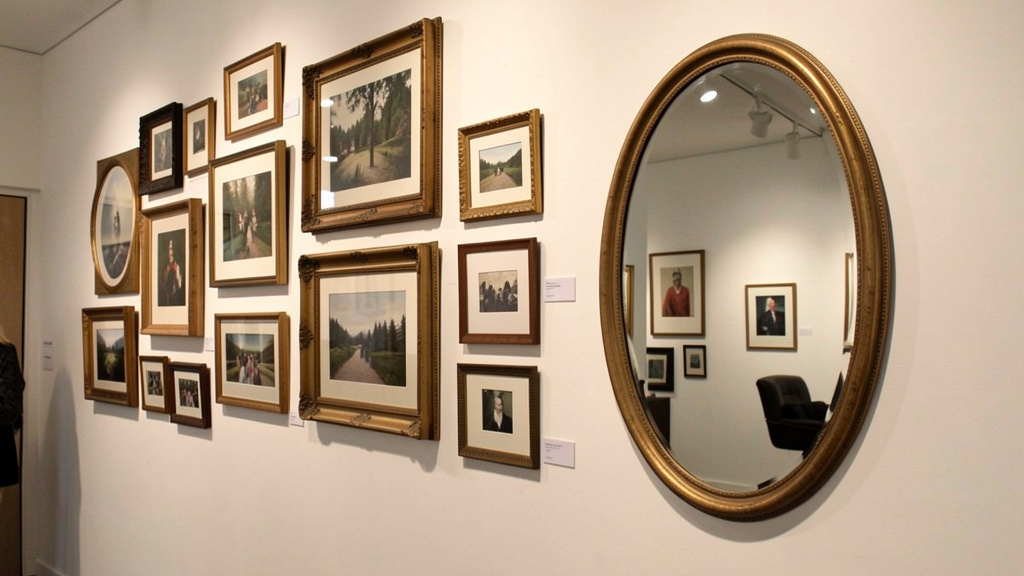
Stop scrolling endless inspiration pins. This step-by-step framework covers planning, hanging, arranging, and troubleshooting—so you create a gallery wall that lasts, not just a temporary trend.
Blank walls hold immense potential, yet they often become sources of frustration for DIY enthusiasts. You’ve likely pinned dozens of “perfect gallery wall” images, only to feel overwhelmed when standing before your own empty space with a hammer in hand. What if you could replace guesswork with a clear, repeatable system? This comprehensive guide transforms wall decor from a stressful chore into a confident creative process. We’ll walk through every critical decision—from assessing your wall’s structural reality and selecting hardware appropriate for your specific conditions, to arranging pieces with balanced composition and solving real-world challenges like rental restrictions or humidity considerations. Whether you’re hanging a single thrifted mirror or orchestrating a multi-piece art collection across a staircase, you’ll gain practical knowledge to execute thoughtfully, safely, and sustainably.
Introduction
Walls are the silent storytellers of our homes. They frame our memories, reflect our evolving tastes, and shape the emotional atmosphere of every room. Yet too often, wall decor projects stall at the planning stage or end in disappointment: frames hung unevenly, mirrors that feel awkwardly placed, or arrangements that lack cohesion. This isn’t due to a lack of creativity—it stems from missing foundational knowledge. Successful wall decoration operates at the intersection of aesthetics, physics, and environmental awareness. It requires understanding how light interacts with surfaces throughout the day and seasons, how visual balance influences perception, and how different wall materials respond to hardware. Drawing from widely recognized interior design principles and structural safety considerations, this guide delivers a unified methodology. We move beyond fleeting trends to focus on adaptable techniques that honor both your creative vision and your home’s physical context. This isn’t just about making walls look finished; it’s about creating intentional spaces that feel authentically yours while minimizing risks like wall damage, shifting decor, or visual fatigue. By the end, you’ll possess a flexible framework adaptable to any room, budget, or skill level—turning hesitation into empowered action.
The Wall Decor Decision Framework: Your Path to Confident Creation
Approach wall decor with the clarity of a measured process: intention, assessment, and thoughtful execution. The Wall Decor Decision Framework reduces overwhelm by organizing the journey into three sequential layers. Each layer builds understanding before action, transforming common pain points—like uneven hangs or mismatched scale—into preventable scenarios. Think of it as your cognitive guidepost. This structure creates momentum while reducing decision fatigue. You’ll spend less time second-guessing and more time creating. Great wall decor isn’t about innate artistic talent; it’s about applying a consistent, adaptable process.
Layer 1: Assess Your Canvas—Beyond “Blank Space”
Before selecting a single frame, deeply understand the surface and environment you’re working with. This layer addresses physical and contextual realities often overlooked in inspiration imagery but critical to lasting success. A beautiful mirror becomes problematic if hung without considering wall composition; light-sensitive art fades prematurely without attention to sun exposure. Assessment isn’t limitation—it’s working with your space.
Identify Your Wall Type Thoughtfully
Walls vary significantly in composition. Hardware suitable for one type may underperform on another. Misidentification is a frequent contributor to hanging issues. Here’s how to assess carefully:
- Drywall (Common in North American homes built after the 1950s): Tap firmly. A hollow, drum-like sound suggests drywall over wood studs. Look for subtle seams where panels meet. When testing discreetly, drywall produces fine, white gypsum dust. Key Insight: Drywall alone has limited holding strength. Anchors or studs are generally recommended for items over 5 pounds.
- Plaster (Often found in homes built before the 1950s, especially in Europe/UK): Tap produces a solid, dense thud. Surface feels harder and cooler, sometimes showing fine hairline cracks. Older plaster may have wood lath beneath; newer versions use gypsum board. Key Insight: Plaster can be brittle. Drilling slowly with an appropriate bit minimizes cracking risk. Toggle-style anchors often provide more reliable support.
- Concrete/Brick/Masonry: Very hard surface requiring specialized tools. Drilling necessitates a hammer drill and masonry bit. Dust appears gritty and gray. Key Insight: Standard plastic anchors are unsuitable. Sleeve anchors, wedge anchors, or concrete screws designed for masonry are typically required. In damp areas like basements, corrosion-resistant hardware (e.g., stainless steel) is advisable.
- Tile (Common in bathrooms/kitchens): Drilling requires a carbide-tipped glass/tile bit and patience. Key Insight: Whenever possible, drill into the grout line—it’s softer and less prone to cracking. If drilling through tile is unavoidable, apply masking tape over the spot to reduce bit slippage.
Why this step matters: Using inappropriate hardware for your wall type can lead to shifting or detachment over time. Matching hardware to substrate is a foundational safety consideration.
Common Consideration: Not all painted walls are drywall. Older homes may feature plaster veneer over drywall. Test in multiple discreet locations. When uncertain, consult a local hardware specialist with a photo of your wall’s edge (e.g., inside an electrical outlet cover—with power confirmed off at the breaker).
Evaluate Environmental Factors Thoughtfully
Your wall exists within a dynamic environment. Seasonal and daily changes affect decor longevity and placement.
- Light Exposure: Track sunlight patterns across morning, midday, and afternoon. South-facing windows (in the Northern Hemisphere) deliver intense UV exposure that may fade pigments in prints, textiles, or frame finishes over time. East/west windows create strong directional glare on glazed art. Adaptable Approach: For light-sensitive pieces, consider UV-filtering acrylic glazing. Position vulnerable art on north-facing walls or use window coverings during peak sun hours. Mirrors can be strategically placed to gently amplify natural light—angling one opposite a window to brighten a dim corner.
- Humidity and Temperature Shifts: Bathrooms, kitchens, and exterior walls experience moisture fluctuations. Paper-based art may warp; wood frames can swell. Adaptable Approach: In humid zones, choose sealed wood, metal frames, or acrylic art. Avoid hanging original watercolors or unsealed paper art in these areas. For mirrors, verify the backing is sealed (many modern mirrors include moisture-resistant coatings; vintage pieces may benefit from professional assessment).
- Traffic Flow and Safety Awareness: Measure clearance around doors, hallways, and high-traffic paths. Protruding frame corners at eye level in narrow passages pose risks. Mirrors near staircases should be mounted securely above handrail height. Adaptable Approach: Maintain clearance from door swings. In children’s areas, consider acrylic glazing or frameless canvas below typical reach heights.
Illustrative Scenario: A homeowner placed cherished family photos on a sunlit living room wall. Over time, colors in the prints faded noticeably where afternoon light concentrated. With prior light assessment, alternatives like UV-filtering glazing, strategic rotation, or selecting that wall for less light-sensitive decor (like sealed wood pieces) could have extended the art’s vibrancy.
Accessible Alternative: No light meter? Use your phone camera. Photograph the wall at 9 AM, 12 PM, and 3 PM on a clear day. Review the images—the brightest areas indicate higher UV exposure potential.
Seasonal Note: Light angles and humidity levels shift with seasons. Reassess wall conditions periodically, especially for art in sun-prone or moisture-variable areas.
Layer 2: Plan Your Composition—The Psychology of Visual Harmony
With your canvas understood, shift focus to arrangement. This layer addresses scale, spacing, style cohesion, and emotional resonance. Random placement often results in visual disconnection. Intentional composition principles—rooted in how humans naturally perceive space—create harmony without requiring formal art training.
Master Scale and Proportion
Scale relates decor size to wall and furniture; proportion addresses relationships between pieces. Thoughtful sizing prevents arrangements from feeling lost or overwhelming.
- Wall-to-Art Ratio Guidance: For a single focal piece above furniture, the decor typically occupies 60–75% of the wall space above the furniture (not the full wall). Example: Above a 72-inch sofa, art spanning 43–54 inches wide often feels balanced. Too small appears disconnected; too large can dominate.
- Furniture Anchoring: Position the bottom edge of art 6–10 inches above sofa backs, consoles, or mantels. This creates visual connection. Floating art too high severs this link.
- Multi-Piece Groupings: Treat the entire arrangement as one cohesive shape. For a gallery wall above a bed, the collective grouping generally stays narrower than the bed’s width (e.g., 80%). Within the group, distribute visual weight—avoid clustering all large or dark pieces on one side.
Why this step matters: Balanced scale creates subconscious comfort. Arrangements violating these principles may feel subtly unsettling, even if the cause isn’t immediately clear.
Common Consideration: Avoid matching frame size exactly to narrow wall width. A frame spanning a tight hallway wall can feel cramped. Leaving breathing room (e.g., 12+ inches on sides) prevents a boxed-in sensation.
Decode Spacing and Alignment
Consistent spacing creates visual rhythm. Inconsistent gaps disrupt flow; uniform intervals signal intentionality.
- Recommended Gap Range: Maintain 2–3 inches between frames in gallery walls. This distinguishes individual pieces while preserving unity. Use physical spacers: stack coins taped together or cut cardboard strips to your chosen width.
- Alignment Options:
- Baseline Alignment: Bottom edges align horizontally. Creates stability, ideal above furniture. Forgiving for mixed frame sizes.
- Center Alignment: Vertical centers align. Creates dynamic flow, excellent for staircases. Requires careful measuring.
- Grid Alignment: Horizontal and vertical edges align. Crisp and modern. Works best with uniform frames or meticulous planning.
- Viewing Height Guidance: Position the center of your primary arrangement around 57–60 inches from the floor—approximating average eye level. Adjust slightly lower (54–57″) in seated areas like living rooms; slightly higher (60–63″) in hallways.
Illustrative Scenario: Someone arranged six mismatched thrifted frames above a desk by eye. Gaps varied from 1 to 4 inches, creating visual chaos. After remeasuring with cardboard spacers set to 2.5 inches and aligning all bottoms to a taped guideline, the same frames transformed into a cohesive display. Precision, not new frames, made the difference.
Accessible Alternative: No laser level? Use painter’s tape to mark your baseline across the wall. Step back frequently to check alignment from multiple viewpoints. A phone photo can reveal perspective distortions your eyes might miss.
Define Your Stylistic Intent
Clarity of style prevents “decor drift”—accumulating pieces that clash. You need not rigidly adhere to one style, but identifying a unifying thread creates cohesion.
- Minimalist: Limited frame styles (e.g., thin black metal), ample negative space, restrained color palette. Focus on intentional curation. Guiding Question: “Does this piece earn its place?”
- Eclectic: Intentional mix of eras, textures, colors. Unifying elements prevent chaos—e.g., consistent mat color, shared wood tone, or dominant accent hue. Guiding Question: “What thread connects these diverse pieces?”
- Traditional: Symmetrical arrangements, classic frames (e.g., carved wood), balanced pairings. Guiding Question: “Does this feel harmonious with the room’s architecture?”
- Organic/Modern Farmhouse: Natural materials (reclaimed wood, woven textiles), asymmetrical groupings, earthy tones. Guiding Question: “Does this feel warm and textured?”
Why this step matters: Style intent guides frame selection, matting choices, and even hardware visibility. A minimalist arrangement benefits from discreet hardware; an eclectic wall might incorporate decorative hooks as intentional elements.
Common Consideration: Forcing a trending style that doesn’t resonate with your existing space creates dissonance. Your walls should feel like an authentic extension of your lived experience.
Layer 3: Execute with Precision—Hardware, Hanging, and Final Checks
Execution transforms planning into reality. Precision here prevents future adjustments, wall damage, or safety concerns. Rushing undermines preparation. Treat hanging as the thoughtful completion of your creative process.
Select Hardware Based on Verified Weight and Wall Type
Hardware choice combines weight assessment and substrate awareness. Determine the total weight of your item (frame + art + glazing + hardware). When uncertain, weigh it. Cross-reference with your wall type from Layer 1.
| Hardware Type | Typical Wall Compatibility | General Weight Guidance | Key Usage Notes |
|---|---|---|---|
| Picture Hooks | Drywall, Plaster | Light to Medium | Use multiple hooks for wide items. Angle nail slightly downward. Use cautiously on brittle plaster. |
| Plastic Anchors | Drywall | Light to Medium | Drill pilot hole slightly smaller than anchor. Tap gently until flush. May strip in weak drywall. |
| Toggle Bolts | Drywall, Hollow Plaster | Medium to Heavy | Wings must open fully behind wall. Requires larger hole. Often suitable for heavier mirrors. |
| Molly Bolts | Drywall | Medium | Expands behind drywall. Generally more secure than plastic anchors for medium weights. |
| Threaded Anchors | Drywall | Light to Medium | Screw directly into drywall. Good where drilling precision matters. |
| Masonry Screws | Concrete, Brick | Medium to Heavy | Requires hammer drill + masonry bit. Pre-drill to exact specification. |
| Adhesive Hooks | Smooth, Clean Surfaces | Very Light to Light | Clean surface with alcohol first. Allow full cure time (per manufacturer). Avoid textured walls or high humidity. |
| French Cleats | Any (with stud access) | Medium to Heavy | Two interlocking strips. Distributes weight evenly. Professional choice for valuable or heavy art. |
Why this step matters: Hardware mismatched to weight or substrate increases the risk of shifting or detachment over time. Verified compatibility supports longevity.
Common Consideration: “Heavy-duty” adhesive hooks vary significantly by surface, temperature, and humidity. Their capacity diminishes on textured walls or in moisture-prone areas. Always verify the tested capacity on packaging and never exceed it. For items over 5 lbs, mechanical anchors are generally more reliable long-term.
The Thoughtful Hanging Sequence
Follow this sequence to support accuracy. Skipping steps contributes to common hanging errors.
- Prepare the Item: Attach hanging hardware to the frame before approaching the wall. For frames wider than 24 inches, use two D-rings or sawtooth hangers spaced approximately one-third from each side. This minimizes wire sag and distributes weight. For mirrors over 15 lbs, consider supplemental support like mirror clips.
- Measure and Mark: Hold the item against the wall at planned height. Have someone view from 10 feet away to confirm placement. Use a level on the frame. Mark the wall through the hanging point with pencil. For wire hangs, measure from the top of the frame to the wire’s highest point when taut—this is your critical hang point.
- Install Hardware: Drill pilot holes if required. Insert anchors slowly. For toggles, ensure wings open freely behind the wall before tightening. Gently test anchor stability before hanging the item.
- Hang and Verify: Lift the item onto the hook/bolt. Immediately check level horizontally and vertically. View from seated position (if above furniture) and standing position. Make micro-adjustments before fully releasing weight.
- Final Check: Gently press downward on the bottom edge. It should not shift. For heavier items or active households, consider secondary retention like safety cables anchored securely.
Illustrative Scenario: A vintage mirror hung with standard picture hooks on drywall shifted after a short period, damaging the frame. Using toggle bolts rated appropriately for the mirror’s weight and wall type would have provided more reliable support. The extra time invested in proper hardware selection supports long-term security.
Accessible Alternative: No stud finder? Use the “knock test”: tap firmly every 6 inches. A solid thud suggests a stud; hollow sound indicates cavity. Confirm cautiously with a small pilot hole (1/16″) where wood shavings appear. For very lightweight items (<5 lbs) temporarily, high-quality removable adhesive strips may suffice—but monitor closely and follow removal instructions precisely.
The Guiding Principle: Precision in execution reflects care—for your home’s surfaces, your decor’s longevity, and your creative effort. The time spent measuring, leveling, and verifying hardware supports lasting results and peace of mind.
Deep Dive: Frames—From Selection to Custom Creation
Frames serve as the architectural transition between art and wall. They influence perceived color, draw attention to details, and provide protection. Understanding frame anatomy empowers intentional choices beyond surface aesthetics.
Understanding Frame Anatomy and Materials
Familiarity with frame components streamlines selection and communication.
- Profile: The cross-sectional shape of the molding (e.g., flat, scoop, ornate). A deep scoop creates shadow depth; a flat profile feels contemporary.
- Rabbet: The inner groove holding art, mat, and glazing. Depth matters—measure your artwork’s thickness before selecting a frame.
- Glazing: The transparent protective layer. Glass offers clarity but is heavier and breakable. Acrylic is lightweight, shatter-resistant, and available with UV protection—but scratches more easily. Non-glare acrylic reduces reflections with minimal detail softening.
- Mat (Mount): The border between art and frame. Beyond aesthetics, mats prevent art from touching glazing (reducing moisture risk and adhesion). Acid-free, lignin-free mats are recommended for preserving photographs and original art. Standard mat openings often use slightly wider bottom margins (“bottom weighting”) for visual stability.
Material Considerations:
– Wood Frames: Solid wood (oak, walnut) offers durability and refinishing potential. Wood veneer over MDF provides stability at lower cost. Particleboard frames may swell with humidity and lack long-term resilience.
– Metal Frames: Aluminum is lightweight, modern, and corrosion-resistant—ideal for large pieces. Steel offers industrial character but requires finish maintenance to prevent rust.
– Composite Frames: Resin or polystyrene molded to mimic wood. Affordable, lightweight, and consistent. Practical for temporary displays or children’s art rotations.
Why Material Choice Matters: A heavy glass-covered print in a thin particleboard frame may warp over time. For cherished art, solid wood with conservation-grade materials offers greater longevity. For rotating children’s artwork, lightweight composites provide practicality.
DIY Frame Projects: Transform Thrift Store Finds
Custom frames need not require a workshop. These accessible projects revitalize discarded frames or raw materials.
Project 1: Thrift Store Frame Refresh
Materials: Sandpaper (120 & 220 grit), wood filler, primer, paint (chalk paint adheres well with minimal sanding), sealant (wax or water-based polyurethane), clean cloth.
Process:
1. Remove existing contents. Clean frame thoroughly.
2. Fill imperfections with wood filler; sand smooth when dry.
3. Lightly sand surface for paint adhesion (less needed with chalk paint).
4. Apply primer if covering dark stain or non-wood material.
5. Paint with thin, even coats. Allow full drying between coats.
6. Seal with clear wax (matte finish) or water-based polyurethane (durability).
Tip: For depth, paint the frame body one color and the inner lip (reveal) another using painter’s tape for clean lines.
Project 2: Floating Frame for Canvas Art
Materials: Unframed canvas, shadow box frame (rabbet depth exceeding canvas thickness by ¼ inch), foam board, acid-free tape, utility knife.
Process:
1. Cut foam board to fit inside the frame’s rabbet.
2. Center canvas on foam board. Secure edges with acid-free hinging tape (never regular tape).
3. Assemble: glazing (if used), foam board with canvas, backing. Secure with frame points.
Why it works: The gap between canvas edge and frame creates a “floating” effect. Shadow boxes accommodate dimensional art like embroidery.
Project 3: Rustic Reclaimed Wood Frame
Materials: Sanded reclaimed wood planks, miter box/saw, wood glue, clamps, finishing nails, stain/sealant.
Process:
1. Cut four pieces at 45-degree angles to desired size (add ¼ inch for rabbet).
2. Dry-fit joints; adjust as needed.
3. Apply wood glue to joints. Clamp tightly. Wipe excess.
4. Reinforce corners with pre-drilled finishing nails.
5. Sand joints smooth. Apply finish and sealant.
Safety Note: Wear a respirator when sanding reclaimed wood. Work outdoors if possible. This project suits those with basic woodworking experience.
Common Frame Project Consideration: Skipping sealant on painted frames leaves surfaces vulnerable to chipping. A clear topcoat significantly improves durability, especially for frequently handled frames.
Hanging Frames: Specialized Techniques
Frame hanging methods vary by construction. Using the appropriate technique supports stability and prevents damage.
- Sawtooth Hangers (Small/Medium Frames): Ensure centered placement. For frames over 10 lbs, consider upgrading to D-rings and wire for better weight distribution.
- D-Rings and Wire (Recommended Standard): Attach D-rings one-third down each side rail. Use braided picture wire. Position wire so it sits one-third down from the frame top when taut—this optimizes balance.
- French Cleats (Heavy or Valuable Art): Attach the male cleat to the frame back; mount the female cleat securely to the wall (ideally into studs). The interlocking design prevents tilting and distributes weight evenly. Suitable for frames over 25 lbs or seismic areas.
- Keyhole Hangers (Modern Metal Frames): Built into frame backs. Create a paper template: tape paper over hangers, mark screw holes, transfer to wall. Ensures precise alignment.
Critical Insight for Gallery Walls: Wire tension varies by frame. Always measure from the top of the frame to the highest point of the taut wire for each frame individually. Marking all hang points at the same height from the floor will result in misalignment if wire lengths differ.
Mirrors: Strategic Placement for Light and Space
Mirrors manipulate light, enhance perceived space, and add depth. Their reflective nature demands thoughtful placement—poor positioning can amplify clutter or create visual discomfort. This section covers intentional placement, safety awareness, and creative enhancements.
The Strategic Mirror Placement Guide
Placement serves purpose. Ask: “What does this mirror accomplish here?”
| Placement Zone | Primary Purpose | Key Considerations | When to Reconsider |
|---|---|---|---|
| Opposite a Window | Amplify natural light | Angle slightly to bounce light onto ceiling/wall. Use clear glass for true color. | If direct sun causes screen glare. |
| End of Hallway | Visually extend space | Hang at eye level. Ensure reflection shows an appealing view. | In very narrow hallways (<3 ft)—may feel cramped. |
| Above Console Table | Create focal point | Bottom edge 6–8″ above table. Width ≤ table width. | If table is unstable or undersized for mirror weight. |
| In a Small Room | Illusion of expanded space | Position to reflect the room’s best feature (architectural detail, art). | If reflecting clutter or unattractive areas. |
| Behind Light Source | Enhance ambient glow | Place behind lamp or sconce to multiply warm light. | If creating distracting bulb reflections. |
| On Closet Door | Functional full-length view | Use adhesive mirror film for renters; secure heavy mirrors to solid door frames. | If door is hollow-core and cannot support weight. |
Why Strategy Matters: A mirror reflecting a cluttered entryway amplifies visual noise. The same mirror angled toward a window or curated wall transforms perception. Mirrors curate what the eye sees.
Illustrative Scenario: A mirror installed facing an apartment’s front door reflected daily clutter. Repositioning it 90 degrees to face a living area window now reveals greenery and light upon entry—a subtle shift with meaningful psychological impact.
Mirror Safety Awareness
Mirrors combine weight, glass, and height—warranting careful handling. These practices support safety.
Weight and Hardware Considerations
– Under 10 lbs: Standard picture hooks or verified adhesive hooks (on smooth walls) may suffice.
– 10–30 lbs: Use two wall anchors rated for at least double the mirror’s weight. Toggle bolts are often suitable.
– Over 30 lbs: Securing into wall studs is generally recommended. Use heavy-duty D-rings connected to screws in studs. For large mirrors, add bottom support: mirror clips anchored to baseboard or a discreet ledger board.
Supportive Safety Practices
– Mirror Clips: Install clips at top and bottom edges to anchor the mirror to the wall, reducing forward pull risk. Especially relevant in active households.
– Safety Film: Apply clear shatter-resistant film to the mirror’s back (and front in high-risk zones). If glass breaks, film helps contain shards. Available at hardware stores.
– Household Awareness: In homes with young children or pets, avoid hanging large mirrors above beds, sofas, or play areas. If unavoidable, consider secondary retention systems.
Common Oversight: Assuming existing hanging hardware is sufficient. Vintage mirrors may have aged wires. Inspect and replace hardware before hanging when needed. For heavy, valuable, or uncertain installations, consulting a professional glazier provides peace of mind.
DIY Mirror Projects: Custom Enhancements
Elevate basic mirrors with accessible techniques.
Project: Decorative Frame Overlay
Materials: Plain mirror with flat edge, decorative molding (foam, wood, or MDF), construction adhesive, caulk, paint, level.
Process:
1. Clean mirror edge thoroughly; ensure dry.
2. Measure perimeter. Cut molding with 45-degree mitered corners. Dry-fit.
3. Apply construction adhesive to molding back. Press firmly onto mirror edge. Use painter’s tape to hold while curing.
4. Fill seams with paintable caulk. Sand smooth when dry.
5. Paint or finish to match decor.
Why it works: Avoids complex mirror removal. Foam molding is lightweight and easy to cut—ideal for beginners. Creates custom appearance affordably.
Project: Mosaic Mirror Accent
Materials: Small plain mirror, tile nippers, mosaic tiles, tile adhesive, grout, sponge, sealant.
Process:
1. Plan pattern on paper.
2. Apply adhesive to mirror’s border area (avoid reflective surface).
3. Press tiles firmly following pattern. Cure fully.
4. Apply grout with rubber float. Wipe excess with damp sponge.
5. After grout cures (24 hrs), apply sealant.
Safety Note: Wear safety glasses when cutting tiles. Use waterproof grout and sealant in humid areas. Adds vibrant texture—ideal for bathrooms or entryways.
Renter-Friendly Alternative: Removable Mirror Film
Static-cling or adhesive-backed mirror film applied to glass doors or smooth surfaces creates reflection without permanent change. Ensure surface is impeccably clean. Modern films offer clear reflection and clean removal. Ideal for temporary solutions.
Artwork: Displaying Prints, Paintings, and Textiles with Care
Art display affects both preservation and emotional resonance. This section covers material-sensitive handling, protection strategies, and systems for rotating your collection—because walls should evolve with you.
Material-Sensitive Display Guidance
Different media have unique vulnerabilities. Tailor your approach.
Paper-Based Art (Prints, Photographs, Drawings)
– Considerations: UV light (fading), humidity (warping), acids (yellowing), handling (smudges).
– Supportive Practices:
– Use acid-free, lignin-free mats and backing boards.
– Choose UV-filtering acrylic glazing where light exposure is significant.
– Maintain stable humidity if possible. Avoid bathrooms and exterior walls in humid climates.
– Handle by edges with clean, dry hands. Avoid direct tape contact with art.
– Hanging Note: For valuable pieces, conservation corners (folded acid-free paper triangles) hold art in the mat without adhesive—allowing safe future removal.
Canvas Art (Paintings, Giclée Prints on Canvas)
– Considerations: Direct sunlight (fading, drying oils), moisture (mold), physical contact.
– Supportive Practices:
– Most canvas art displays without glazing to preserve texture. If glazing is needed (high-traffic areas), use deep shadow boxes with spacers to prevent canvas contact.
– Dust gently with a soft, dry brush. Avoid liquids.
– Allow airflow behind canvas. French cleats create a small gap between art and wall.
– Hanging Note: Ensure wire is taut and attached to D-rings, not thin stretcher bars which can split.
Textile Art (Embroidery, Tapestries, Quilts)
– Considerations: Light damage (especially silk/dyes), gravity (stretching), pests, dust.
– Supportive Practices:
– Display away from direct sun. Rotate pieces periodically to limit exposure.
– Use acid-free fabric-covered mats or shadow boxes with UV-filtering acrylic.
– For direct hanging: sew a sturdy rod pocket into the top edge; hang on a decorative rod with secure brackets.
– Store rotated pieces clean, rolled (not folded) around acid-free tubes, in breathable cotton bags with cedar blocks.
– Hanging Note: For delicate embroidery, mount on acid-free foam core using rust-proof pins at non-critical areas, then frame. Avoid tight stretching.
Why Material Knowledge Matters: A vintage watercolor behind standard glass in direct sun may fade noticeably over time. The same print with UV acrylic in a north-facing hallway maintains vibrancy longer. Preservation reflects respect for the object and your connection to it.
Creating a Rotating Art System
A rotation system keeps spaces feeling fresh and protects light-sensitive pieces.
The Three-Tier Rotation Approach
1. Display Tier (Current): Art on walls, grouped by room theme or color story.
2. Ready Tier (Next): 2–3 curated groupings stored flat in acid-free portfolios or shallow bins, labeled by location. Ready for quick swaps.
3. Archive Tier (Long-Term): Art not displayed for >1 year. Stored per material guidelines in stable conditions. Revisit annually.
Practical Implementation
– Storage:
– Flat files or acid-free folders within metal cabinets for prints.
– Portfolio cases for portable smaller pieces.
– Shallow under-bed bins lined with acid-free tissue for framed pieces (store face-to-face with cardboard spacers).
– Rotation Triggers:
– Seasonal shifts (e.g., swap beach scenes for cozy landscapes in autumn)
– Personal milestones (e.g., display travel art after a trip)
– Preservation needs (e.g., rotate light-sensitive art every 6–12 months)
– Tracking: A simple log noting: Art Title, Location, Date Hung, Material, Next Rotation Date. Photograph arrangements before changing for easy recreation.
Accessible Rotation Hack: Designate one “gallery section” (e.g., a 3×3 grid) with identical frames. Swap only the art inside. Use binder clips or removable tabs inside frames for tool-free changes. Maintains style cohesion while refreshing content.
Matting and Glazing: Purposeful Choices
Matting and glazing serve functional and aesthetic roles. Understanding their purpose guides appropriate use.
Matting Functions:
– Protection: Creates space between art and glazing, reducing moisture risk.
– Focus: Directs the eye toward the artwork. White mats enhance contrast; colored mats harmonize with art tones.
– Proportion: Adjusts visual scale of small art within a larger frame.
Glazing Functions:
– Protection: Shields from dust, handling, and UV rays (if treated).
– Clarity: High-clarity options ensure true color representation.
– Safety: Acrylic is shatter-resistant; tempered glass offers greater strength than standard glass.
Decision Guidance:
– Is the art valuable, light-sensitive, or on paper? → Consider UV-filtering glazing + acid-free mat.
– Is it a textured canvas where glazing causes glare? → Display without glazing. Position away from direct light and high-traffic zones.
– Is it in a high-traffic area, children’s space, or seismic zone? → Acrylic glazing (shatter-resistant) is often preferred.
– Is weight a concern for large pieces? → Acrylic is approximately half the weight of glass.
Common Matting Consideration: Standard craft-store mats may contain acids that yellow paper over time. For cherished art, “acid-free” is a minimum standard; “100% cotton rag” mats offer higher archival quality. For temporary displays (children’s art, seasonal prints), standard mats are generally acceptable.
Arrangement Styles Decoded: Gallery Walls and Beyond
A gallery wall is a curated composition with intentional rhythm. This section breaks down arrangement styles with clear execution steps, spacing guidance, and troubleshooting tips—so you achieve cohesion, not clutter.
Layout Styles: Characteristics and Applications
1. The Symmetrical Grid
– Description: Uniform frames in precise rows/columns. Crisp, orderly, modern.
– Best For: Hallways, above beds, contemporary spaces. Creates calm.
– Execution Steps:
1. Determine grid dimensions (e.g., 3×3).
2. Calculate total width: (Frame Width × Columns) + (Gap Width × (Columns – 1)).
3. Find wall center. Mark horizontal/vertical center lines with painter’s tape.
4. Starting from center, measure outward for each frame’s center point. Use spacer block for consistent gaps.
5. Hang center frame first, then work outward symmetrically.
– Tip: Identical frames with varied art content create subtle interest within structure.
2. The Organic Cluster
– Description: Mixed sizes/shapes arranged asymmetrically with balanced visual weight. Feels collected, personal.
– Best For: Living rooms, staircases, eclectic interiors. Tells a story.
– Execution Steps:
1. Lay frames on floor to experiment. Group larger pieces toward center/bottom for stability.
2. Trace frames onto kraft paper. Cut out templates.
3. Arrange templates on floor until balanced. Step back frequently.
4. Tape templates to wall with painter’s tape. Verify spacing (2–3 inches) and overall shape.
5. Number templates and frames. Hang one by one, removing templates as you go.
– Tip: Place one larger statement piece slightly off-center as an anchor. Distribute visual weight evenly.
3. The Horizontal/Vertical Line
– Description: Frames aligned along a single axis. Clean, directional.
– Best For: Narrow walls, above long furniture.
– Execution Steps:
1. Determine axis height (e.g., 57 inches from floor for horizontal).
2. For horizontal: Align all frame centers to the line. For vertical: Align centers to a plumb line.
3. Space frames evenly (e.g., 4 inches between edges).
4. Use a level on each frame during hanging.
– Tip: Mix portrait/landscape orientations along the line for rhythm. Keep frame styles cohesive.
4. The Salon-Style (Eclectic Grid)
– Description: Dense arrangement of varied frames within a defined rectangular area. Rich, layered.
– Best For: Large blank walls, dining rooms, abundant art collections.
– Execution Steps:
1. Define outer boundary with painter’s tape on wall (e.g., 6 ft × 4 ft).
2. Create paper templates for every frame.
3. Arrange templates within boundary, leaving minimal gaps (1–2 inches). Distribute large frames evenly.
4. Photograph the layout. Number everything.
5. Hang starting from center outward.
– Tip: Unify diverse frames with a consistent element—mat color (all white), frame tone (all warm wood), or subject matter (all botanical).
Spacing Consistency: The Unifying Element
Inconsistent spacing disrupts visual flow. Precision elevates the entire display.
- Spacer Block Method: Cut wood/cardboard to exact gap width (e.g., 2.5 inches). Place between frames during hanging. Remove after securing.
- String-and-Level Method (Large Walls): Run horizontal string at baseline height. Use binder clips to mark frame centers at precise intervals. Align frames to clips.
- Digital Template Method: Photograph paper template layout. Import into a free app like Canva. Overlay grid to verify spacing before wall contact.
Why Spacing Matters: Consistent gaps create visual rhythm. The eye moves smoothly across the arrangement. Inconsistent gaps cause visual “stutters”—the eye hesitates at wide gaps and feels cramped at narrow ones. This subtle friction makes a wall feel unintentional.
Troubleshooting Common Arrangement Challenges
-
Challenge: “My gallery wall looks too busy.”
Approach: Edit thoughtfully. Remove 1–2 frames. Increase spacing to 3–4 inches. Introduce intentional negative space. Sometimes less creates greater impact. -
Challenge: “Frames feel disconnected.”
Approach: Add a unifying element. Paint frames a consistent color. Use identical mats. Incorporate a small shelf with a plant or sconce within the arrangement. -
Challenge: “The arrangement feels lopsided.”
Approach: Step back 10 feet. Squint. Where does your eye go? If pulled to one side, adjust visual weight opposite—swap a small frame for a larger one, or add a darker piece. Balance is about perceived weight, not identical sizes. -
Challenge: “I have an odd-shaped wall (slanted ceiling, column).”
Approach: Work with the architecture. Align the bottom row parallel to a slanted ceiling. Curve a gallery wall around a column. Let the wall shape inform the arrangement—it becomes a feature.
Illustrative Scenario: A staircase gallery wall felt chaotic despite using templates. The frames had wildly varying mat widths. Rematting all art with consistent 2.5-inch white mats created visual harmony, allowing the artwork itself to shine. Uniform negative space transformed the arrangement.
Troubleshooting and Adaptive Solutions
Real-world constraints—rental rules, fragile walls, evolving needs—call for flexible, tested approaches. This section provides practical solutions so constraints inspire creativity, not frustration.
Rental-Friendly Solutions: No-Damage Approaches
Lease restrictions need not limit expression. These methods prioritize wall integrity.
Adhesive Hook Systems (Beyond Basic Strips)
– Options:
– Picture Hanging Strips: Engineered for frames. Available in weight-rated pairs (e.g., 4-lb, 8-lb, 16-lb).
– Heavy Duty Adhesive Strips: Suitable for lightweight canvas or art under 5 lbs.
– Molded Adhesive Hooks: Good for small mirrors or shelves.
– Reliable Application Steps:
1. Clean wall surface with isopropyl alcohol wipe. Let dry completely.
2. Press adhesive pad firmly for 30 seconds. Wait at least 1 hour (preferably 24 hours) before hanging.
3. Hang item. To remove: Pull tab straight down slowly toward floor (not outward). Use hairdryer on low for residue if needed.
– Important Note: Adhesives perform best on smooth, clean, dry surfaces. They are less reliable on textured walls, dusty surfaces, or in high humidity. Always test discreetly first and never exceed weight ratings.
Tension Rod and Wire Systems
– How It Works: Install a tension rod (e.g., decorative brass rod) between two walls. String durable wire between ends. Hang frames using S-hooks or mini clips.
– Best For: Hallways, between cabinets, inside closet doors. Creates a movable “gallery line.”
– Tip: Choose a rod that complements your decor. Ensure tight installation—test gently before hanging art.
Freestanding and Leaning Displays
– Shelving: Floating shelves (with appropriate anchors for weight) or console tables hold framed art leaned against the wall.
– Easels: Tabletop easels display single pieces—ideal for rotating art.
– Leaned Large Art: Prop large unframed canvases or mirrors against the wall on a stable surface. Add a small museum putty dot at the bottom edge to prevent sliding. Safety Note: Use only away from high-traffic zones and where children/pets won’t bump into it.
Illustrative Renter Success: In a strict no-nail apartment, a tension rod across a narrow hallway with black wire and minimalist clips created a gallery-like display for 8 small photos. The system felt intentional, left zero damage upon move-out, and allowed seasonal rotation.
Solving Structural Challenges
Challenge: “I can’t find a stud, and my item feels too heavy for standard anchors.”
Approaches:
– French Cleat System: Mount the wall cleat horizontally across two studs. The frame cleat distributes weight securely. Ideal for heavier art (50+ lbs).
– Wide-Spread Toggle Bolts: For items 30–50 lbs on drywall without stud alignment: Use two heavy-duty toggles spaced widely apart. Wider spacing improves stability.
– Professional Support: For items over 75 lbs, valuable art, or uncertain wall conditions, consulting a handyman provides expertise and peace of mind.
Challenge: “My plaster wall cracks when I drill.”
Approaches:
– Slow Pre-Drilling: Use a sharp bit at lowest speed. Apply minimal pressure. Let the bit do the work.
– Masking Tape: Place an “X” of tape over the drill point to reduce surface chipping.
– Toggle Preference: Toggles exert outward pressure behind the wall, which plaster often handles better than inward-pull anchors.
– Specialist Consultation: For historic plaster, a preservation specialist can recommend appropriate methods.
Challenge: “My frame hangs crooked immediately.”
Approaches:
– Wire Tension: Ensure wire is taut. Loose wire causes forward tilt.
– Two-Point Hanging: For frames wider than 24 inches, use two separate hooks/anchors. A single hook invites tilting.
– Level During Hang: Place a small bubble level on the frame while hanging. Adjust before releasing full weight.
– D-Ring Adjustment: Slightly bend the D-ring upward on the sagging side for minor correction.
Knowing When to Seek Professional Support
Some scenarios benefit from expert involvement. Recognizing these supports safety and preservation.
- Item Weight: Art or mirrors exceeding 75 pounds.
- Wall Uncertainty: Historic plaster, unknown substrates, or walls with suspected structural concerns.
- Valuable Art: Original paintings, antique mirrors, or irreplaceable pieces where handling risks damage.
- Height Challenges: Hanging above 8 feet without stable, safe access.
- Electrical Proximity: Hanging near switches, outlets, or where wiring may be concealed.
Finding the Right Professional: Search for “art installation specialist” or “mirror hanging service.” These professionals have specialized tools and insurance. Request proof of insurance and examples of similar work. The investment supports perfect results and peace of mind.
Your Questions, Answered
Q: How do I hang a heavy mirror on drywall without hitting a stud?
A: For mirrors between 20–50 pounds on drywall, heavy-duty toggle bolts rated for at least double the mirror’s weight are a reliable solution. Drill the hole precisely for the toggle mechanism, insert carefully, and tighten until the wings grip firmly behind the drywall. For mirrors over 50 pounds, securing into studs is generally recommended; if studs aren’t aligned, a professional can install a French cleat system mounted across multiple studs. Always consider adding mirror clips at the bottom edge for supplemental security.
Q: What’s the ideal height to hang art above a sofa or console table?
A: Position the bottom edge of the frame 6–10 inches above the furniture back to create visual connection. The center point of the art (or grouping) typically aligns with an average eye level of 57–60 inches from the floor. For very tall rooms, a slight adjustment upward may feel appropriate, but avoid floating art so high it disconnects from the furniture below. For gallery walls above furniture, ensure the entire arrangement’s bottom edge follows the 6–10 inch guideline.
Q: How can I arrange a gallery wall without making too many holes?
A: The paper template method is highly effective. Trace every frame onto kraft paper, cut out the shapes, and arrange them on the floor until balanced. Tape the templates to the wall with painter’s tape. Step back to verify spacing and composition from multiple angles. Photograph the layout for reference. Number each template and its frame. Hang one frame at a time, removing templates as you go. This minimizes wall adjustments. Digital apps like WallApp can also simulate arrangements using room dimensions.
Q: Can I hang art in a bathroom? How do I protect it from humidity?
A: Yes, with thoughtful material selection and placement. Avoid paper-based art and unsealed wood frames. Suitable choices include: sealed metal or acrylic frames, canvas prints (without glazing), ceramic tiles, or art printed on moisture-resistant substrates like aluminum. Hang away from direct shower steam—above the toilet or on a wall opposite the shower is often safer than directly above the tub. Ensure the bathroom has a functioning exhaust fan. For added protection on canvas art, a clear sealant on the back may help (verify compatibility first).
Q: What’s the difference between a picture hook and a nail, and when should I use each?
A: A picture hook includes a small metal bracket that holds the wire or hanger securely, distributing weight and reducing wall damage risk. A nail alone offers minimal grip and can tear through drywall under weight or vibration. Picture hooks are generally recommended for frames over 2 pounds. For very lightweight items (<1 lb) on stable walls, a small nail might suffice, but picture hooks provide greater security. For items over 10 pounds, upgrade to appropriate wall anchors regardless of hook type.
Q: How do I clean and maintain framed art and mirrors?
A: For glazing: Spray cleaner onto a microfiber cloth (never directly onto the frame to avoid liquid seepage), then wipe gently. For frames: Dust regularly with a soft, dry brush or microfiber cloth. For wood frames, occasional polishing with a furniture-appropriate product is fine; avoid silicone-based polishes that attract dust. For mirrors: A vinegar-water solution (1:1) on a cloth often provides streak-free results. Never use abrasive cleaners. For valuable art, consult a conservator—improper cleaning can cause damage.
Q: What if I accidentally drill into a stud? Should I still use an anchor?
A: Hitting a stud is ideal for heavier items! When mounting directly into a wood stud, a wood screw (long enough to penetrate at least 1 inch into the stud) is typically sufficient—plastic anchors are generally unnecessary and may reduce holding power. Confirm you’ve hit a stud by resistance when drilling and wood shavings. For very heavy items (over 50 lbs), use multiple screws into the stud for added security.
Q: How do I hang a canvas panel that has no frame or hanging hardware?
A: For lightweight canvas panels (under 5 lbs), adhesive picture hanging strips designed for frames may work. For heavier canvases:
1. Attach D-rings to the back stretcher bars using small screws (pre-drill to avoid splitting).
2. String durable picture wire between the D-rings.
3. Hang using appropriate wall hardware based on total weight.
For a frameless “floating” look, specialized canvas hangers clamp onto the top stretcher bar edge and hook over a single nail or hook—ensure the hanger is rated for the canvas weight.
Q: Are adhesive hooks reliable for hanging frames long-term?
A: Adhesive hooks can perform reliably if specific conditions are met: the wall surface is smooth, clean, dry, and non-textured; the item weight is well under the hook’s rated capacity; temperature and humidity remain stable; and the adhesive is given full cure time (per manufacturer instructions) before hanging. They are generally suitable for lightweight items (<5 lbs) in low-traffic areas. However, they are not recommended for valuable art, heavy frames, mirrors, or humid environments like bathrooms. Always follow removal instructions precisely to minimize paint disturbance.
Q: How do I create a balanced arrangement with frames of very different sizes and styles?
A: Balance is about visual weight, not identical sizes. Place larger or darker frames toward the bottom or center for stability. Distribute bold colors or ornate frames evenly—avoid clustering them on one side. Use consistent spacing (2–3 inches) between all frames to unify the group. Introduce a unifying element: paint all frames a similar tone, use identical mat colors, or select art with a shared color accent. Step back frequently during arrangement to assess overall balance—squinting helps blur details and reveal weight distribution.
Q: What’s the safest way to hang art in a child’s room?
A: Prioritize safety:
– Use shatter-resistant acrylic glazing instead of glass.
– Secure all frames firmly with appropriate hardware; consider safety cables for items above beds or play areas.
– Avoid hanging heavy art or mirrors above beds, cribs, or active play zones.
– Choose lightweight frames (composite, thin wood) and mount lower on the wall where children can safely engage with their own art.
– For very young children, display art on low shelves or use clipboards hung with secure hooks at child height—this allows easy rotation and reduces fall risk.
Q: How often should I rotate or clean the art on my walls?
A: Rotate light-sensitive art (prints, watercolors) every 6–12 months to minimize fading, especially in sunlit rooms. Clean frames and glazing every 3–6 months with a soft, dry microfiber cloth. Inspect hanging hardware annually for signs of stress or loosening—tighten or replace as needed. Use rotation as an opportunity to refresh your space seasonally or showcase new pieces. For valuable collections, a conservator can provide personalized maintenance guidance.
Conclusion and Your 24-Hour Action Plan
You now hold a flexible system for transforming any wall with confidence. This journey reframed wall decor: not as random inspiration, but as intentional creation grounded in assessment, planning, and thoughtful execution. We’ve explored the physics of your walls, the psychology of visual composition, and the care needed for your cherished pieces. The three-layer framework—Assess, Plan, Execute—equips you to approach any project, from a single mirror to a complex gallery wall, with clarity. Remember the guiding principle: precision in execution reflects care—for your home, your decor, and your creative spirit. The most beautiful arrangement loses meaning if insecure; the most secure hang feels incomplete without thoughtful composition. True satisfaction lives in the balance.
Recap: Your Three Anchors of Success
- Assess First, Always: Diagnose wall type, light patterns, and environmental factors. This foundational step prevents most structural and preservation concerns.
- Plan with Purpose: Define scale, spacing, and stylistic intent before selecting hardware. Use templates, measure meticulously, and align arrangements with human-centered principles (eye level, furniture anchoring).
- Execute with Precision: Match hardware to verified weight and substrate. Follow the hanging sequence thoughtfully. Verify level and security. When uncertain, choose the more secure option—your future self will appreciate it.
The 24-Hour Rule: Your Tiny, Transformative Step
Knowledge gains power through action. Within the next 24 hours, complete this single, specific task:
Measure one wall in your home where you’ve felt hesitant to decorate. Sketch its dimensions on paper. Note the wall type (tap test!), nearby furniture, and observe light patterns at different times of day. Identify one small decor item you already own that could work there.
That’s it. No purchasing, no drilling, no pressure. This micro-action breaks the inertia of overwhelm. It transforms a vague intention (“I should decorate that wall”) into a concrete starting point. Momentum builds from motion. By tomorrow, you’ll have moved from dreaming to doing—and that shift changes everything.
The Big Picture: Walls as Living Canvases
Your walls are not static backdrops. They are dynamic extensions of your story, evolving as you do. A child’s drawing framed beside a travel photograph. A mirror repositioned to capture morning light. A gallery wall that grows with your collection. This guide provides the framework, but you provide the meaning. Embrace the process. Celebrate small steps. Rotate art with the seasons. Let your walls reflect not just your style, but your journey—your memories, your growth, your joy. When you approach wall decor with intentionality and care, you’re not just hanging objects. You’re crafting environments that nurture, inspire, and feel unmistakably like home. Start small. Trust the process. Your walls are waiting.
Explore Our Complete System:
The Ultimate Guide to Choosing Wall Colors That Complement Your Decor | DIY Floating Shelves: A Step-by-Step Installation Guide | How to Create a Cohesive Home Gallery: From Sourcing Art to Final Hang | Rental-Friendly Decor: 15 Ideas That Won’t Damage Walls | Lighting Your Art: A Guide to Picture Lights and Display Fixtures | The Art of Matting: Elevating Prints with Professional Framing Techniques | Sustainable Decor: Upcycling Thrift Store Finds into Statement Pieces