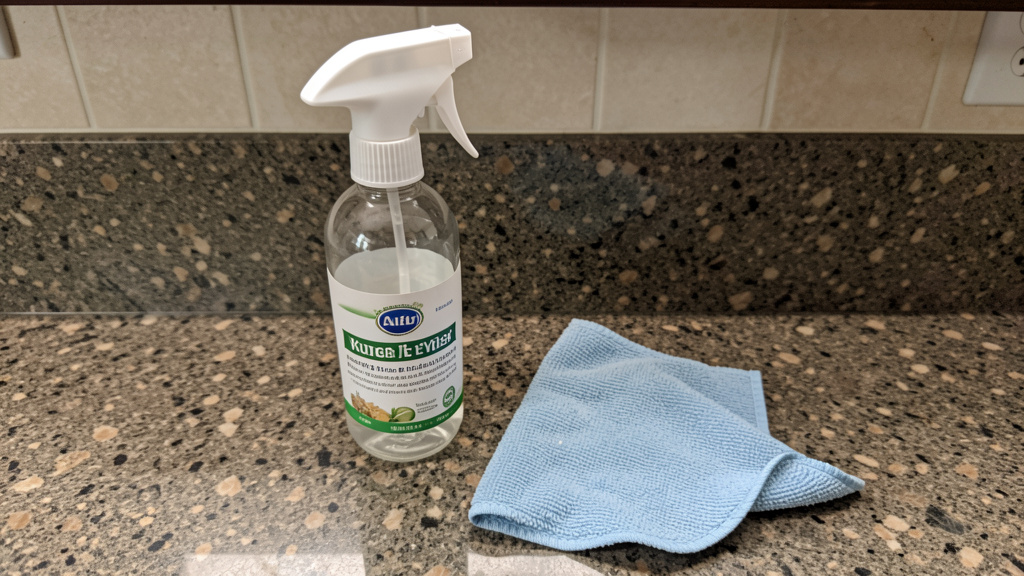
Cut through the greenwashing, social media hype, and well-intentioned misinformation with a clear, evidence-based roadmap to effective, safe, and genuinely sustainable cleaning.
For years, the promise of eco-friendly cleaning has captivated homeowners seeking healthier homes and a lighter planetary footprint. Yet beneath the Instagram-perfect images of mason jars filled with lemon-vinegar blends lies a landscape of confusion. One blog insists vinegar disinfects countertops; another warns it etches stone. A viral TikTok touts baking soda as a drain unclogger; plumbing experts call it a pipe-clogging myth. You’re left wondering: Can I trust this method? Is it actually safer? Am I wasting time and money? This guide exists to replace uncertainty with clarity. Drawing on peer-reviewed research in environmental chemistry, material science, and toxicology—and aligned with guidelines from the Environmental Protection Agency (EPA), the American Cleaning Institute, and international sustainability bodies—we dissect popular eco-cleaning claims with precision. No dogma. No fearmongering. Just actionable truth to empower your choices.
Introduction: Beyond the Green Label
Walk down any supermarket cleaning aisle, and you’ll encounter a sea of green leaves, earth-toned packaging, and phrases like “plant-powered,” “non-toxic,” and “biodegradable.” These signals feel reassuring, yet they often mask critical nuances. A product labeled “natural” might still contain skin irritants. A DIY recipe shared by a trusted influencer could silently damage your countertops or release harmful fumes when mixed incorrectly. The gap between intention and impact in eco-cleaning is wider than most realize. This isn’t about shaming well-meaning efforts. It’s about honoring your commitment to health and sustainability with knowledge that works in the real world—on your specific surfaces, within your household’s unique needs, and with respect for ecological systems beyond your front door. True eco-cleaning isn’t merely swapping chemical brands for pantry staples. It’s a thoughtful practice grounded in three interconnected pillars: effectiveness (does it clean safely and thoroughly?), material compatibility (does it preserve your home’s surfaces?), and holistic environmental stewardship (does its full lifecycle—from sourcing to disposal—minimize harm?). This guide dismantles myths not to discourage eco-efforts, but to redirect your energy toward methods that deliver genuine results without hidden costs. By the end, you’ll possess a personalized framework to evaluate any cleaning claim—past, present, or future—with confidence.
The Eco-Cleaning Clarity Framework: Three Layers to Smarter Choices
Before examining specific ingredients or surfaces, establish a decision-making lens. The Eco-Cleaning Clarity Framework transforms overwhelming choices into a logical flow. Apply these three layers to every product, recipe, or tip you encounter. This systematic approach prevents costly mistakes and builds lasting competence.
Layer 1: Ingredient Efficacy – Does It Actually Clean This?
Effectiveness isn’t binary. An ingredient might excel at cutting grease but fail utterly at disinfecting. Start by asking: What specific cleaning task am I trying to accomplish?
– Soil Type Matters: Grease requires surfactants or solvents. Mineral deposits (hard water stains, limescale) need mild acids. Organic stains (wine, coffee) often respond to oxidizers. Protein-based messes (blood, egg) demand enzymatic action or cold-water treatment.
– Concentration & Contact Time: A 5% acetic acid solution (standard white vinegar) dissolves light soap scum with 5–10 minutes of dwell time. The same solution won’t remove thick limescale buildup in 30 seconds. Hydrogen peroxide’s stain-lifting power increases with concentration (3% vs. 6%) and exposure time—but higher concentrations risk surface damage.
– Evidence Threshold: Look beyond anecdotes. Does peer-reviewed research support the claim? For disinfection, does the method meet EPA criteria (e.g., specific concentration, 10-minute wet contact time)? For stain removal, does the chemistry align with the stain’s properties?
Practical Application: You see a recipe: “Mix lemon juice and salt to clean copper.” Layer 1 analysis: Citric acid in lemon juice reacts with copper oxide (tarnish), while salt acts as a mild abrasive. Chemistry supports efficacy for this specific task. But Layer 1 alone isn’t enough—proceed to Layer 2.
Layer 2: Surface Compatibility – Will It Damage What I’m Cleaning?
The most effective cleaner is useless—or destructive—if mismatched to the surface. Material science is non-negotiable here.
– pH Sensitivity: Natural stone (marble, limestone, travertine) contains calcium carbonate, which reacts with acids (vinegar, lemon juice, citric acid), causing irreversible etching—a dull, rough spot where the polish is eaten away. Conversely, alkaline cleaners (baking soda paste, ammonia) can degrade waxed wood finishes or discolor aluminum.
– Porosity & Absorption: Unsealed grout, concrete, or natural fiber rugs readily absorb liquids. A vinegar solution might clean surface grime but leave acidic residue deep within pores, attracting dirt later or degrading the material over time.
– Finish Vulnerability: “Stainless steel” isn’t uniform. Brushed finishes show scratches easily; vinegar’s acidity can dull the protective layer over repeated use. Laminate flooring seams can swell if flooded with liquid cleaners, even “natural” ones.
Practical Application: Returning to the copper cleaner: Copper is acid-tolerant, so lemon juice is safe for bare copper. But if the item has a lacquered finish (common on decorative pieces), the acid strips the coating, accelerating future tarnish. Layer 2 reveals critical context Layer 1 missed.
Layer 3: Holistic Environmental Impact – Is It Truly Sustainable?
“Natural” ≠ eco-friendly. Scrutinize the full lifecycle:
– Sourcing & Production: Coconut-derived surfactants sound green—but were forests cleared for plantations? Was fair labor practiced? Citric acid is biodegradable, but industrial production consumes significant water and energy.
– Biodegradability ≠ Harmlessness: Baking soda (sodium bicarbonate) breaks down readily, but dumping large quantities down drains alters water pH, stressing aquatic ecosystems. Essential oils like tea tree or eucalyptus are toxic to fish and beneficial insects even in tiny concentrations.
– Packaging & Transport: A refillable glass bottle of castile soap shipped across the country has a larger carbon footprint than a concentrated tablet in compostable packaging bought locally. Water-heavy DIY solutions (like diluted vinegar) increase shipping weight versus concentrates.
– Water & Energy Use: Methods requiring excessive rinsing (e.g., sticky castile soap residue) waste water. “Air-drying” dishes after washing with ineffective cleaners may lead to rewashing—doubling water and energy use.
Practical Application: The copper cleaner: Lemon juice is biodegradable, but squeezing fresh lemons for cleaning competes with food use. Salt is low-impact. However, if you discard the copper item prematurely due to finish damage (from skipping Layer 2), the environmental cost of manufacturing a replacement far outweighs the cleaner’s footprint. Sustainability includes preserving what you own.
The Fundamental Principle: Sustainable cleaning harmonizes immediate effectiveness, long-term surface preservation, and responsible resource stewardship. Sacrificing one layer for another creates hidden consequences—etching your countertop, harming local waterways, or wasting precious time. Mastery lies in balancing all three.
The Ingredient Deep Dive: Truths, Limitations, and Best Uses
Let’s apply the Clarity Framework to pantry staples and popular eco-products. For each, we detail the science, ideal applications, critical limitations, myth status, and safety protocols. This isn’t about labeling ingredients “good” or “bad”—it’s about contextual intelligence.
Vinegar (Acetic Acid Solution): The Acidic All-Rounder (With Critical Caveats)
What It Is & How It Works:
Standard white vinegar is 5% acetic acid diluted in water. This mild acid excels at dissolving alkaline soils: mineral deposits (limescale, hard water stains), soap scum, and light rust. The acid reacts with calcium carbonate (in limescale) to form soluble calcium acetate, carbon dioxide, and water—lifting the deposit. It also cuts through greasy films by lowering surface tension.
Proven Effective For:
– Shower Doors & Glass: Spray full-strength vinegar, wait 10 minutes, wipe with a microfiber cloth. For heavy buildup, heat vinegar slightly (not boiling) to accelerate reaction.
– Coffee Makers & Kettles: Run a cycle with equal parts vinegar and water, followed by two rinse cycles with plain water to eliminate odor.
– Window Tracks & Sliding Doors: Soak a cloth in vinegar, lay it over grime for 15 minutes, then scrub gently with an old toothbrush.
– Deodorizing Drains: Pour ½ cup baking soda followed by 1 cup vinegar down the drain. The fizzing action (acid-base reaction) lifts organic debris near the surface—but does not unclog blockages (see myth section). Rinse after 10 minutes.
– Laundry Rinse Aid: Add ½ cup to the rinse cycle to soften fabrics, reduce static, and neutralize alkaline detergent residue. Safe for HE machines.
Critical Limitations & Risks:
– NEVER Use On: Natural stone (marble, granite, limestone, travertine), waxed wood, cast iron (strips seasoning), aluminum (causes pitting), or electronics screens. Acid etches stone permanently; test on an inconspicuous area first if uncertain.
– Disinfection Myth: Vinegar is not an EPA-registered disinfectant. While lab studies show acetic acid can reduce certain bacteria under highly controlled conditions (specific concentration, prolonged contact), household vinegar (5%) lacks reliable, consistent efficacy against viruses (flu, norovirus) or resilient pathogens in real-world home settings. The CDC does not endorse vinegar for disinfection in high-risk scenarios. For verified disinfection, use EPA List N products or properly diluted hydrogen peroxide/bleach.
– Odor Persistence: Vinegar’s sharp smell dissipates as it dries, but porous materials (unsealed grout, fabric) may retain a faint scent. Add 10 drops of lemon essential oil only if pets aren’t present (see essential oils section).
– Surface Residue: On glass or chrome, vinegar can leave streaks if not wiped dry immediately with a lint-free cloth. Always follow with a water rinse on food-contact surfaces.
Safety Protocol:
Wear gloves if you have sensitive skin. Never mix with hydrogen peroxide (creates corrosive peracetic acid) or bleach (releases toxic chlorine gas). Store in original container away from children. Ventilate the area during use.
Myth vs. Fact:
– Myth: “Vinegar kills 99.9% of germs.”
Fact: Misleading. It may reduce some bacteria on non-porous surfaces under ideal lab conditions rarely replicated at home. It functions as a cleaner, not a reliable disinfectant.
– Myth: “Vinegar cleans grout perfectly.”
Fact: Partially true for surface soap scum on sealed grout. For deep-set stains or mildew in unsealed grout, vinegar’s acidity can degrade the cementitious material over time. Oxygen bleach is safer and more effective.
Baking Soda (Sodium Bicarbonate): The Gentle Abrasive and Deodorizer
What It Is & How It Works:
A mild alkali (pH ~8.3) and fine crystalline powder. Its cleaning power comes from two properties:
1. Mechanical Abrasion: Soft crystals scrub without scratching most surfaces (unlike harsher abrasives like comet).
2. Odor Neutralization: Baking soda binds to acidic and basic odor molecules (like those in smoke, food, or pet accidents), converting them into neutral salts. It doesn’t mask smells—it chemically neutralizes them.
Proven Effective For:
– Scouring Sinks & Tubs: Make a paste with water. Apply to porcelain, ceramic, or fiberglass. Scrub gently with a non-scratch sponge. Rinse thoroughly. Avoid on acrylic tubs if scrubbed aggressively.
– Deodorizing Carpets & Upholstery: Sprinkle liberally, work into fibers with a brush, wait 15+ minutes (longer for strong odors), then vacuum thoroughly. Test colorfastness first.
– Freshening Refrigerators & Trash Cans: Place an open box inside. Replace monthly. For trash cans, sprinkle baking soda before adding a new liner.
– Cleaning Cookware: For burnt-on food in stainless steel pots, fill with water, add ¼ cup baking soda, boil for 5 minutes, then scrub.
– Unclogging Drains (Preventative): Weekly, pour ½ cup down drains followed by hot water to maintain flow by breaking down organic buildup. Does not clear existing clogs.
Critical Limitations & Risks:
– Not a Disinfectant: Zero antimicrobial properties.
– Abrasive Potential: While gentle, repeated scrubbing on soft surfaces (acrylic, brushed nickel, non-stick coatings) can cause micro-scratches over time. Always use a soft cloth or sponge.
– Residue Issues: Leaves a white, powdery film if not rinsed completely—especially problematic on dark surfaces or glass.
– Drain Clog Myth: Baking soda + vinegar creates a fizzy reaction that looks powerful but lacks the pressure or chemical action to dissolve hair, grease, or solid blockages deep in pipes. The reaction occurs too quickly at the drain opening. For clogs, use a plumber’s snake or enzymatic drain cleaner.
– Ineffective on Grease Alone: As a mild alkali, it saponifies fats (turns them into soap), but requires heat and agitation. For greasy stovetops, pair with castile soap or dish soap.
Safety Protocol:
Non-toxic and safe around pets/children when used as directed. Avoid inhaling fine powder (can irritate lungs). Do not use on aluminum (can cause discoloration).
Myth vs. Fact:
– Myth: “Baking soda unclogs drains.”
Fact: False for actual clogs. The fizz is a surface-level reaction with minimal mechanical force. It’s useful for maintenance, not rescue.
– Myth: “Baking soda whitens teeth better than toothpaste.”
Fact: Not advisable. Its abrasiveness can wear down tooth enamel over time. Dentists recommend fluoride toothpaste for safety and efficacy.
Hydrogen Peroxide (3% Solution): The Oxidizing Powerhouse
What It Is & How It Works:
A mild antiseptic and oxidizing agent. Breaks down into water and oxygen, releasing free radicals that destroy organic matter (stains, microbes). More stable and less corrosive than chlorine bleach.
Proven Effective For:
– Disinfecting Countertops: Spray 3% solution on non-porous surfaces (sealed granite, laminate, stainless steel). Wait 10 minutes (critical contact time!), then wipe. EPA-registered as a disinfectant against viruses and bacteria when used correctly.
– Removing Stains:
– Blood: Dab cold 3% solution on fresh stains (heat sets protein stains).
– Wine/Coffee: Spray, wait 5 minutes, blot.
– Mold/Mildew: Spray on grout or shower caulk. Wait 10 minutes, scrub gently. Test colorfastness first on fabrics.
– Sanitizing Cutting Boards: After washing, spray board, wait 10 minutes, rinse.
– Brightening Grout: Apply with an old toothbrush, wait 10 minutes, scrub. For tough stains, make a paste with baking soda (see synergy section).
– Deodorizing Sponges & Dishcloths: Soak in 3% solution for 10 minutes, then rinse.
Critical Limitations & Risks:
– Surface Sensitivity: Can bleach colored fabrics, grout, or natural stone. Always test in hidden area first. Avoid on silk, wool, or leather.
– Degradation: Loses potency when exposed to light. Buy opaque bottles; store in a cool, dark place. Discard if no longer bubbling on a cut.
– Concentration Warning: Use only 3% pharmaceutical grade. Higher concentrations (6%, 10%) sold for hair bleaching or industrial use are corrosive and unsafe for home cleaning.
– Not for Metals: Can oxidize (rust) iron, steel, or copper over time. Rinse metal surfaces thoroughly after use.
– Mixing Danger: Never mix with vinegar (creates peracetic acid, irritating to eyes/lungs) or bleach (toxic fumes).
Safety Protocol:
Wear gloves. Use in well-ventilated area. Keep away from eyes. Store out of reach of children. Do not use on wounds while cleaning surfaces (dedicate a separate bottle).
Myth vs. Fact:
– Myth: “Hydrogen peroxide disinfects instantly.”
Fact: Requires 10 minutes of wet contact time to effectively reduce pathogens. Wiping it dry immediately renders it ineffective.
– Myth: “It’s safe on all surfaces because it’s ‘just water and oxygen’.”
Fact: While it breaks down cleanly, its oxidizing action during use can damage dyes, finishes, and metals. Context is everything.
Castile Soap: The Plant-Based Surfactant
What It Is & How It Works:
Traditionally made from 100% olive oil (now often blended with coconut, hemp, or jojoba oils). A true soap (saponified oils), not a synthetic detergent. Lifts dirt and grease via surfactant action—molecules with hydrophilic (water-loving) and hydrophobic (oil-loving) ends that surround grime and suspend it in water.
Proven Effective For:
– All-Purpose Cleaner (Diluted): Mix ¼ cup liquid castile soap + 2 cups warm water + 10 drops essential oil (optional) in a spray bottle. Excellent for sealed wood furniture, painted walls, laminate floors (damp mop only), and appliance exteriors.
– Handwashing Delicates: Add 1 tsp to a basin of cool water for silk, lace, or wool.
– Outdoor Furniture: Mix 1 tbsp soap per gallon of water. Scrub patio chairs, rinse well.
– Plant Leaf Cleaner: Dilute 1 tsp per quart of water. Wipe dusty leaves to improve photosynthesis.
– Car Wash (Bucket Method): 2 tbsp per gallon of water. Gentle on wax.
Critical Limitations & Risks:
– Hard Water Incompatibility: In areas with hard water (high mineral content), castile soap reacts with calcium/magnesium to form “soap scum”—a sticky, grayish film on surfaces and in drains. Solution: Use distilled water for dilution, or add 1 tbsp white vinegar to the rinse water only (never mix directly in the same bottle—soap + acid = ineffective curds).
– Residue on Floors: Can leave a film on vinyl, tile, or hardwood if not rinsed. For floors, use sparingly and follow with a clean water rinse mop.
– Not a Disinfectant: Cleans but does not kill germs.
– pH Level: Alkaline (pH 9-10). Avoid on acid-sensitive surfaces like unsealed stone or aluminum.
– Dilution is Crucial: Using full-strength leaves heavy residue. Always dilute per task.
Safety Protocol:
Biodegradable and non-toxic. However, undiluted soap can irritate skin with prolonged contact. Patch-test on fabrics. Keep pets from licking concentrated solutions.
Myth vs. Fact:
– Myth: “Castile soap is a perfect all-in-one cleaner for everything.”
Fact: Overstated. Hard water severely limits its usability. It’s superb for specific tasks but requires adaptation.
– Myth: “It’s completely residue-free.”
Fact: False, especially in hard water. Residue attracts dirt, making surfaces appear dirty faster.
Lemon Juice & Citric Acid: The Brightening Acid (Handle with Care)
What It Is & How It Works:
Lemon juice contains citric acid (~5-6%) and ascorbic acid (vitamin C). Citric acid powder is a concentrated, stable form. Both dissolve mineral deposits and act as mild bleaching agents via oxidation.
Proven Effective For:
– Removing Rust Stains: Sprinkle citric acid powder on rust spot (e.g., on porcelain sink), add a few drops of water to make a paste, wait 15 minutes, scrub gently.
– Descaling Kettles & Humidifiers: Fill with water, add 1-2 tbsp citric acid powder, boil (for kettles) or run cycle (humidifiers), then rinse thoroughly.
– Brightening White Laundry: Add 2 tbsp citric acid powder to the wash cycle (instead of vinegar) to combat dinginess and soften water.
– Cleaning Copper & Brass: Mix lemon juice and salt to form a paste. Rub on metal, rinse immediately. Only for unlacquered items.
Critical Limitations & Risks:
– Extreme Surface Sensitivity: Highly acidic (pH ~2). NEVER use on: Natural stone, marble, granite, limestone, travertine, quartz (some brands), waxed wood, cast iron, or aluminum. Causes severe etching or corrosion.
– Phototoxicity: Lemon juice on skin followed by sun exposure can cause severe burns (phytophotodermatitis). Wear gloves.
– Inconsistent Potency: Fresh lemon juice varies in acid concentration. Citric acid powder offers reliable, measurable strength.
– Staining Risk: Can bleach or discolor some fabrics and surfaces. Always test first.
– Not a Disinfectant: Like vinegar, lacks reliable germ-killing power for home disinfection needs.
Safety Protocol:
Use gloves and eye protection. Work in ventilated area. Rinse surfaces thoroughly after use. Store citric acid powder in airtight container away from moisture.
Myth vs. Fact:
– Myth: “Lemon juice disinfects cutting boards.”
Fact: Not reliable for food safety. While acidic, it doesn’t meet disinfection contact time or concentration standards. Use hydrogen peroxide (10-minute dwell) or diluted bleach for verified sanitization.
– Myth: “It’s safer than vinegar because it’s ‘food-grade’.”
Fact: False equivalence. Both are acids with similar risks to sensitive surfaces. “Food-grade” refers to purity for consumption, not safety for all cleaning applications.
Essential Oils: Fragrance ≠ Function (Critical Safety Focus)
What They Are & Common Claims:
Highly concentrated plant extracts (e.g., tea tree, lavender, lemon, eucalyptus). Marketed for antimicrobial properties and “natural fragrance” in DIY cleaners.
The Reality:
– Antimicrobial Claims Overstated: While some oils (tea tree, thyme) show lab-based antibacterial effects in high concentrations, the tiny amounts (5-15 drops) added to a 16oz cleaner are diluted far below effective levels. A 2017 review in Clinical Microbiology Reviews concluded essential oils lack consistent, reliable disinfection efficacy for real-world home use.
– Primary Role: Scent Only. They mask odors but do not neutralize them like baking soda.
– Significant Risks:
– Pet Toxicity: Tea tree, citrus, peppermint, eucalyptus, and pine oils are highly toxic to cats and dogs—even in diffused amounts or residual cleaner traces. Cats lack liver enzymes to process phenols and terpenes, leading to neurological damage, liver failure, or death. The ASPCA Animal Poison Control Center receives thousands of calls annually about essential oil exposures.
– Human Health: Can trigger asthma, migraines, or skin sensitization. Phototoxic (bergamot, lemon) causes severe burns with sun exposure.
– Environmental Harm: Oils do not fully biodegrade; they persist in waterways, harming aquatic life. A single drop of tea tree oil can be lethal to fish.
– Surface Damage: Oils can degrade rubber gaskets (in spray bottles), leave oily residues on surfaces, or discolor plastics.
Responsible Use Guidelines (If Used At All):
1. Never use in homes with pets, especially cats, birds, or small mammals.
2. Avoid in households with infants, pregnant individuals, or respiratory conditions.
3. If used for scent: Limit to 5 drops per 16oz cleaner. Choose less toxic options like lavender or chamomile with extreme caution.
4. Never ingest. Never apply undiluted to skin.
5. Store locked away from children and pets.
6. Consider safer alternatives: Simmer citrus peels + cinnamon sticks on stove for ambient scent; use fragrance-free cleaners and open windows.
Myth vs. Fact:
– Myth: “Tea tree oil makes your cleaner antibacterial.”
Fact: Misleading. The concentration in DIY recipes is pharmacologically insignificant for disinfection. Relying on it creates false security.
– Myth: “Essential oils are completely safe because they’re natural.”
Fact: Dangerous misconception. Arsenic is natural. Dosage, context, and individual vulnerability determine safety.
Oxygen Bleach (Sodium Percarbonate): The Stain-Lifting Champion
What It Is & How It Works:
A dry powder that fizzes into hydrogen peroxide and soda ash (sodium carbonate) when mixed with water. Releases oxygen bubbles that lift stains without chlorine’s harshness or fumes.
Proven Effective For:
– Laundry Booster: Add 1-2 tbsp to whites or colors (check garment label) with detergent. Soak stained items for 1-6 hours before washing.
– Grout & Tile Cleaner: Make paste with water, apply to grout lines, wait 15-30 minutes, scrub.
– Outdoor Cleaning: Mix powder with water to clean decks, siding, or patio furniture.
– Deodorizing Trash Cans/Bins: Sprinkle powder, add water to form paste, scrub, rinse.
– Mold/Mildew Remover: Spray solution on affected area, wait 15 minutes, scrub. Does not kill mold roots in porous materials—address moisture source first.
Critical Limitations & Risks:
– Not for Silk, Wool, or Leather: Can damage protein-based fibers.
– Colorfastness Test Required: Though generally color-safe, test on hidden area of fabrics first.
– Surface Sensitivity: Avoid on unsealed stone, aluminum, or waxed surfaces. Soda ash is alkaline.
– Activation Time: Requires warm/hot water to activate fully. Cold water reduces efficacy.
– Not Instant: Needs dwell time (15+ minutes) to work.
– Storage: Keep powder dry in airtight container. Moisture activates it prematurely.
Safety Protocol:
Wear gloves. Avoid inhaling powder. Rinse surfaces thoroughly. Non-toxic when rinsed, but keep away from pets during application.
Myth vs. Fact:
– Myth: “Oxygen bleach is the same as chlorine bleach.”
Fact: Completely false. No chlorine, no toxic fumes, safe for colors.
– Myth: “It disinfects like chlorine bleach.”
Fact: Partially true. It has sanitizing properties but is not EPA-registered as a disinfectant for high-risk pathogens. Best for stain removal and deodorizing.
Washing Soda (Sodium Carbonate): The Heavy-Duty Alkali
What It Is & How It Works:
A stronger alkali (pH ~11) than baking soda. Cuts grease, softens water, and boosts detergent performance. Often confused with baking soda—they are not interchangeable.
Proven Effective For:
– Laundry Booster: ½ cup per load softens hard water, allowing detergent to work better.
– Degreasing Ovens/Stovetops: Make thick paste with water. Apply to cool surface, wait 20 minutes, wipe. Ventilate well.
– Unclogging Drains (Maintenance): Pour ½ cup down drain, follow with boiling water. Breaks down grease buildup.
– Cleaning Garage Floors: Mix ½ cup washing soda per gallon of hot water. Scrub oil stains.
Critical Limitations & Risks:
– Highly Caustic: Can irritate skin and eyes. Always wear gloves and eye protection.
– Surface Damage: Avoid on aluminum, zinc, waxed surfaces, or natural stone. Can etch glass with prolonged contact.
– Not for Daily Cleaning: Too harsh for routine use on most household surfaces.
– Keep Away from Children/Pets: Store securely.
Safety Protocol:
Use in well-ventilated area. Never mix with acids (vinegar, citric acid)—creates heat and splattering. Rinse surfaces thoroughly.
Myth vs. Fact:
– Myth: “Washing soda is just strong baking soda.”
Fact: Chemically distinct compounds with different pH levels and uses. Substituting one for the other risks damage or inefficacy.
– Myth: “It’s safe to handle bare-handed.”
Fact: Not advisable. Its high alkalinity can cause skin irritation with prolonged contact.
Rubbing Alcohol (Isopropyl Alcohol, 70%): The Fast-Drying Disinfectant
What It Is & How It Works:
Denatured alcohol that denatures proteins and dissolves lipids in microbes. Evaporates quickly without residue.
Proven Effective For:
– Disinfecting Electronics: Dampen microfiber cloth (do not spray directly), wipe screens, keyboards, remotes.
– Sanitizing Thermometers, Scissors, Tweezers: Wipe thoroughly.
– Removing Sticky Residue: Dab on price tags, tape residue, or adhesive.
– Glass Cleaner Boost: Add ¼ cup to DIY glass cleaner (1 cup water, ¼ cup vinegar) for streak-free shine and faster drying.
Critical Limitations & Risks:
– Flammability: Highly flammable. Use away from flames, sparks, or heat sources.
– Surface Damage: Can damage acrylic, plastic lenses, varnished wood, or painted surfaces. Test first.
– Ventilation Required: Fumes can cause dizziness or respiratory irritation.
– Not for Large Surfaces: Evaporates too quickly for required disinfection contact time on countertops. Hydrogen peroxide is better suited.
– Toxic if Ingested: Keep away from children/pets.
Safety Protocol:
Use in well-ventilated area. Store in cool, dark place away from ignition sources. Never mix with bleach.
Myth vs. Fact:
– Myth: “Higher concentration (90%) is better for disinfecting.”
Fact: False. 70% is optimal. Higher concentrations evaporate too fast before penetrating microbial cell walls.
– Myth: “It’s safe on all plastics.”
Fact: Risky. Can craze or cloud acrylic, polycarbonate, and some coated plastics.
Microfiber Cloths: The Unsung Eco-Hero (When Used Correctly)
Why They Matter:
A single microfiber cloth can replace dozens of paper towels. Its split fibers create electrostatic attraction, trapping dust, grease, and microbes instead of just pushing them around. Research indicates microfiber can remove a very high percentage of bacteria from surfaces using only water—often outperforming cotton rags.
Maximizing Effectiveness:
– Color-Code: Assign colors to zones (e.g., red=bathrooms, yellow=kitchen, green=windows) to prevent cross-contamination.
– Damp, Not Soaking: For dusting, use dry. For cleaning, lightly dampen with water or cleaner—excess liquid reduces electrostatic grip.
– Washing Protocol: Wash separately in warm water with mild detergent. NO fabric softener or bleach—they coat fibers, destroying absorbency. Air dry or tumble dry low. Replace when stiff or less effective (quality microfiber typically lasts hundreds of washes).
– Fold Technique: Fold cloth into quarters, using a clean section for each wipe. Extends usability per cloth.
Limitations:
– Not for Heavy Debris: Use a brush or scraper first on caked-on grime.
– Quality Varies: Cheap microfiber sheds fibers and lacks split-fiber technology. Invest in reputable brands (e.g., E-Cloth, Norwex).
– End-of-Life: Not biodegradable. Some brands offer recycling programs.
Myth vs. Fact:
– Myth: “All microfiber is the same.”
Fact: False. Fiber density (grams per square meter), split quality, and weave determine performance. Higher GSM (300+) generally indicates better cleaning capability.
– Myth: “You need special cleaner with microfiber.”
Fact: Water alone works remarkably well for most tasks. Cleaner is optional for grease or disinfection.
Surface-Specific Solutions: Your Room-by-Room Guide
Applying the Clarity Framework means matching methods to materials. Below is a precise reference for common household surfaces. Always test cleaners in an inconspicuous spot first.
Countertops: Natural Stone vs. Engineered Surfaces
Granite (Sealed):
– Safe: pH-neutral cleaners (diluted castile soap), 70% isopropyl alcohol for disinfection, microfiber + water.
– Avoid: Vinegar, lemon juice, citric acid, abrasive powders. Acids degrade sealant; abrasives scratch polish.
– Pro Tip: Re-seal annually. Test by sprinkling water—if it beads, sealant is intact; if it darkens stone, reseal.
– Myth Busting: “Vinegar cleans granite safely.” This is not recommended. Vinegar’s acidity can degrade the sealant over time, increasing vulnerability to stains and etching. For routine cleaning, pH-neutral cleaners are safer.
Marble, Limestone, Travertine:
– Safe: Stone-specific pH-neutral cleaners, microfiber + distilled water.
– Avoid: ALL acids (vinegar, lemon, citric acid), abrasive cleaners, alkaline cleaners (baking soda paste).
– Critical Note: Etching is permanent. Prevention is the only solution. Use coasters and cutting boards religiously.
– Myth Busting: “A little vinegar won’t hurt.” Even small amounts of acid can cause cumulative damage. Etching is permanent, and prevention is the only solution.
Quartz (Engineered Stone):
– Generally Safe: Most quartz brands (e.g., Caesarstone, Silestone) tolerate mild acids briefly. However, prolonged exposure or harsh abrasives can damage resin binders.
– Recommended: Stick to pH-neutral cleaners. Avoid oven cleaners, drain openers, or abrasive pads.
– Check Manufacturer Guidelines: Some quartz warranties void with acid use. When in doubt, treat like natural stone.
Butcher Block / Wood:
– Safe: Mild soap + water (wipe immediately, never soak), mineral oil for conditioning.
– Avoid: Standing water, vinegar (dries wood), lemon juice (stains), steam cleaners.
– Stain Removal: Make paste of salt + lemon juice only on unstained areas to lift surface stains—rinse immediately. For deep stains, sand lightly.
– Myth Busting: “Vinegar sanitizes wood cutting boards.” Vinegar is not sufficient for sanitizing wood cutting boards because it does not penetrate wood pores where bacteria hide. After washing with hot soapy water, sanitize with 3% hydrogen peroxide (10-minute dwell time), then rinse.
Floors: From Hardwood to Luxury Vinyl Plank
Hardwood (Finished):
– Safe: Damp microfiber mop with pH-neutral wood cleaner. Sweep daily.
– Avoid: Steam mops (heat/warping), vinegar (degrades finish over time), excessive water.
– Pro Tip: Place mats at entrances. Wipe spills immediately. Refinish every 7-10 years.
– Myth Busting: “Vinegar-water is the best hardwood floor cleaner.” This is a common misconception. Acidity breaks down polyurethane finishes over time, leading to dullness and potentially costly refinishing. A pH-neutral wood cleaner is a safer choice.
Laminate & Vinyl Plank (LVP/LVT):
– Safe: Damp microfiber mop with manufacturer-recommended cleaner or diluted castile soap.
– Avoid: Steam mops (can warp seams), abrasive scrubbers, wax-based cleaners (cause buildup).
– Critical: Wring mop thoroughly—flooding seams causes swelling.
– Myth Busting: “You can use any cleaner on vinyl.” Harsh chemicals can degrade the wear layer of vinyl plank flooring. Always use cleaners recommended by the manufacturer or pH-neutral options.
Tile & Grout:
– Tile (Ceramic/Porcelain): Safe with most cleaners. Avoid acids on unglazed tile.
– Grout:
– Sealed Grout: Oxygen bleach paste, hydrogen peroxide spray.
– Unsealed Grout: Oxygen bleach is safest. Avoid vinegar—it degrades cementitious grout over time.
– Prevention: Seal grout annually. Use squeegee after showers.
– Myth Busting:# Eco-Friendly Cleaning Decoded: The Science-Backed Guide to What Truly Works (and What’s a Waste of Time)
Cut through the greenwashing, social media hype, and well-intentioned misinformation with a clear, evidence-based roadmap to effective, safe, and genuinely sustainable cleaning.
For years, the promise of eco-friendly cleaning has captivated homeowners seeking healthier homes and a lighter planetary footprint. Yet beneath the Instagram-perfect images of mason jars filled with lemon-vinegar blends lies a landscape of confusion. One blog insists vinegar disinfects countertops; another warns it etches stone. A viral TikTok touts baking soda as a drain unclogger; plumbing experts call it ineffective for actual blockages. You’re left wondering: Can I trust this method? Is it actually safer? Am I wasting time and money? This guide exists to replace uncertainty with clarity. Drawing on peer-reviewed research in environmental chemistry, material science, and toxicology—and aligned with guidelines from the Environmental Protection Agency (EPA), the American Cleaning Institute, and international sustainability bodies—we examine popular eco-cleaning claims with precision. No dogma. No fearmongering. Just actionable insight to empower your choices.
Introduction: Beyond the Green Label
Walk down any supermarket cleaning aisle, and you’ll encounter a sea of green leaves, earth-toned packaging, and phrases like “plant-powered,” “non-toxic,” and “biodegradable.” These signals feel reassuring, yet they often mask critical nuances. A product labeled “natural” might still contain skin irritants. A DIY recipe shared by a trusted influencer could silently damage your countertops or release harmful fumes when mixed incorrectly. The gap between intention and impact in eco-cleaning is wider than many realize. This isn’t about shaming well-meaning efforts. It’s about honoring your commitment to health and sustainability with knowledge that works in the real world—on your specific surfaces, within your household’s unique needs, and with respect for ecological systems beyond your front door. True eco-cleaning isn’t merely swapping chemical brands for pantry staples. It’s a thoughtful practice grounded in three interconnected pillars: effectiveness (does it clean safely and thoroughly?), material compatibility (does it preserve your home’s surfaces?), and holistic environmental stewardship (does its full lifecycle—from sourcing to disposal—minimize harm?). This guide examines myths not to discourage eco-efforts, but to redirect your energy toward methods that deliver genuine results without hidden costs. By the end, you’ll possess a personalized framework to evaluate any cleaning claim—past, present, or future—with informed confidence.
The Eco-Cleaning Clarity Framework: Three Layers to Smarter Choices
Before examining specific ingredients or surfaces, establish a decision-making lens. The Eco-Cleaning Clarity Framework transforms overwhelming choices into a logical flow. Apply these three layers to every product, recipe, or tip you encounter. This systematic approach prevents costly mistakes and builds lasting competence.
Layer 1: Ingredient Efficacy – Does It Actually Clean This?
Effectiveness isn’t binary. An ingredient might excel at cutting grease but fail utterly at disinfecting. Start by asking: What specific cleaning task am I trying to accomplish?
– Soil Type Matters: Grease requires surfactants or solvents. Mineral deposits (hard water stains, limescale) need mild acids. Organic stains (wine, coffee) often respond to oxidizers. Protein-based messes (blood, egg) demand enzymatic action or cold-water treatment.
– Concentration & Contact Time: A 5% acetic acid solution (standard white vinegar) dissolves light soap scum with 5–10 minutes of dwell time. The same solution won’t remove thick limescale buildup in 30 seconds. Hydrogen peroxide’s stain-lifting power increases with concentration (3% vs. 6%) and exposure time—but higher concentrations risk surface damage.
– Evidence Threshold: Look beyond anecdotes. Does peer-reviewed research support the claim? For disinfection, does the method align with public health guidance regarding concentration and contact time? For stain removal, does the chemistry align with the stain’s properties?
Practical Application: You see a recipe: “Mix lemon juice and salt to clean copper.” Layer 1 analysis: Citric acid in lemon juice reacts with copper oxide (tarnish), while salt acts as a mild abrasive. Chemistry supports efficacy for this specific task. But Layer 1 alone isn’t enough—proceed to Layer 2.
Layer 2: Surface Compatibility – Will It Damage What I’m Cleaning?
The most effective cleaner is useless—or destructive—if mismatched to the surface. Material science is non-negotiable here.
– pH Sensitivity: Natural stone (marble, limestone, travertine) contains calcium carbonate, which reacts with acids (vinegar, lemon juice, citric acid), causing irreversible etching—a dull, rough spot where the polish is eaten away. Conversely, alkaline cleaners (baking soda paste, ammonia) can degrade waxed wood finishes or discolor aluminum.
– Porosity & Absorption: Unsealed grout, concrete, or natural fiber rugs readily absorb liquids. A vinegar solution might clean surface grime but leave acidic residue deep within pores, attracting dirt later or degrading the material over time.
– Finish Vulnerability: “Stainless steel” isn’t uniform. Brushed finishes show scratches easily; repeated use of acidic cleaners can dull the protective layer. Laminate flooring seams can swell if flooded with liquid cleaners, even “natural” ones.
Practical Application: Returning to the copper cleaner: Copper is acid-tolerant, so lemon juice is safe for bare copper. But if the item has a lacquered finish (common on decorative pieces), the acid strips the coating, accelerating future tarnish. Layer 2 reveals critical context Layer 1 missed.
Layer 3: Holistic Environmental Impact – Is It Truly Sustainable?
“Natural” ≠ eco-friendly. Scrutinize the full lifecycle:
– Sourcing & Production: Coconut-derived surfactants sound green—but were forests cleared for plantations? Was fair labor practiced? Citric acid is biodegradable, but industrial production consumes significant water and energy.
– Biodegradability ≠ Harmlessness: Baking soda (sodium bicarbonate) breaks down readily, but dumping large quantities down drains alters water pH, stressing aquatic ecosystems. Essential oils like tea tree or eucalyptus are toxic to fish and beneficial insects even in tiny concentrations.
– Packaging & Transport: A refillable glass bottle of castile soap shipped across the country has a larger carbon footprint than a concentrated tablet in compostable packaging bought locally. Water-heavy DIY solutions (like diluted vinegar) increase shipping weight versus concentrates.
– Water & Energy Use: Methods requiring excessive rinsing (e.g., sticky castile soap residue) waste water. “Air-drying” dishes after washing with ineffective cleaners may lead to rewashing—doubling water and energy use.
Practical Application: The copper cleaner: Lemon juice is biodegradable, but squeezing fresh lemons for cleaning competes with food use. Salt is low-impact. However, if you discard the copper item prematurely due to finish damage (from skipping Layer 2), the environmental cost of manufacturing a replacement far outweighs the cleaner’s footprint. Sustainability includes preserving what you own.
The Fundamental Principle: Sustainable cleaning harmonizes immediate effectiveness, long-term surface preservation, and responsible resource stewardship. Sacrificing one layer for another creates hidden consequences—etching your countertop, harming local waterways, or wasting precious time. Mastery lies in balancing all three.
The Ingredient Deep Dive: Truths, Limitations, and Best Uses
Let’s apply the Clarity Framework to pantry staples and popular eco-products. For each, we detail the science, ideal applications, critical limitations, myth status, and safety protocols. This isn’t about labeling ingredients “good” or “bad”—it’s about contextual intelligence.
Vinegar (Acetic Acid Solution): The Acidic All-Rounder (With Critical Caveats)
What It Is & How It Works:
Standard white vinegar is 5% acetic acid diluted in water. This mild acid excels at dissolving alkaline soils: mineral deposits (limescale, hard water stains), soap scum, and light rust. The acid reacts with calcium carbonate (in limescale) to form soluble calcium acetate, carbon dioxide, and water—lifting the deposit. It also cuts through greasy films by lowering surface tension.
Proven Effective For:
– Shower Doors & Glass: Spray full-strength vinegar, wait 10 minutes, wipe with a microfiber cloth. For heavy buildup, heat vinegar slightly (not boiling) to accelerate reaction.
– Coffee Makers & Kettles: Run a cycle with equal parts vinegar and water, followed by two rinse cycles with plain water to eliminate odor.
– Window Tracks & Sliding Doors: Soak a cloth in vinegar, lay it over grime for 15 minutes, then scrub gently with an old toothbrush.
– Deodorizing Drains: Pour ½ cup baking soda followed by 1 cup vinegar down the drain. The fizzing action (acid-base reaction) lifts organic debris near the surface—but does not unclog blockages (see myth section). Rinse after 10 minutes.
– Laundry Rinse Aid: Add ½ cup to the rinse cycle to soften fabrics, reduce static, and neutralize alkaline detergent residue. Safe for HE machines.
Critical Limitations & Risks:
– NEVER Use On: Natural stone (marble, granite, limestone, travertine), waxed wood, cast iron (strips seasoning), aluminum (causes pitting), or electronics screens. Acid etches stone permanently; test on an inconspicuous area first if uncertain.
– Disinfection Context: Vinegar is not recognized by public health authorities as a reliable disinfectant for critical pathogen control. While acetic acid solutions show some laboratory efficacy against certain bacteria under ideal conditions, household vinegar (5%) lacks consistent, verified kill rates for viruses (flu, norovirus) or resilient bacteria in real-world home settings. For situations requiring disinfection (e.g., during illness), EPA List N products or properly diluted hydrogen peroxide (with verified contact time) are recommended.
– Odor Persistence: Vinegar’s sharp smell dissipates as it dries, but porous materials (unsealed grout, fabric) may retain a faint scent.
– Surface Residue: On glass or chrome, vinegar can leave streaks if not wiped dry immediately with a lint-free cloth. Always follow with a water rinse on food-contact surfaces.
Safety Protocol:
Wear gloves if you have sensitive skin. Never mix with hydrogen peroxide (creates corrosive peracetic acid) or bleach (releases toxic chlorine gas). Store in original container away from children. Ventilate the area during use.
Myth vs. Fact:
– Myth: “Vinegar kills 99.9% of germs.”
Fact: This claim is frequently misapplied. Laboratory studies using specific acetic acid concentrations under controlled conditions do not translate to reliable disinfection with household vinegar in typical home environments. It functions well as a cleaner for specific soils but should not be relied upon for pathogen elimination where verified disinfection is needed.
– Myth: “Vinegar cleans grout perfectly.”
Fact: It may address surface soap scum on sealed grout. For deep-set stains, mildew in unsealed grout, or routine maintenance, vinegar’s acidity can degrade cementitious material over time. Oxygen bleach is generally safer and more effective for grout care.
Baking Soda (Sodium Bicarbonate): The Gentle Abrasive and Deodorizer
What It Is & How It Works:
A mild alkali (pH ~8.3) and fine crystalline powder. Its cleaning power comes from two properties:
1. Mechanical Abrasion: Soft crystals scrub without scratching most surfaces (unlike harsher abrasives).
2. Odor Neutralization: Baking soda binds to acidic and basic odor molecules (like those in smoke, food, or pet accidents), converting them into neutral salts. It doesn’t mask smells—it chemically neutralizes them.
Proven Effective For:
– Scouring Sinks & Tubs: Make a paste with water. Apply to porcelain, ceramic, or fiberglass. Scrub gently with a non-scratch sponge. Rinse thoroughly. Avoid on acrylic tubs if scrubbed aggressively.
– Deodorizing Carpets & Upholstery: Sprinkle liberally, work into fibers with a brush, wait 15+ minutes (longer for strong odors), then vacuum thoroughly. Test colorfastness first.
– Freshening Refrigerators & Trash Cans: Place an open box inside. Replace monthly. For trash cans, sprinkle baking soda before adding a new liner.
– Cleaning Cookware: For burnt-on food in stainless steel pots, fill with water, add ¼ cup baking soda, boil for 5 minutes, then scrub.
– Drain Maintenance: Weekly, pour ½ cup down drains followed by hot water to help break down organic buildup. Does not clear existing clogs.
Critical Limitations & Risks:
– Not a Disinfectant: Zero antimicrobial properties.
– Abrasive Potential: While gentle, repeated scrubbing on soft surfaces (acrylic, brushed nickel, non-stick coatings) can cause micro-scratches over time. Always use a soft cloth or sponge.
– Residue Issues: Leaves a white, powdery film if not rinsed completely—especially problematic on dark surfaces or glass.
– Drain Clog Reality: Baking soda + vinegar creates a brief surface-level fizz but lacks the mechanical force or chemical action to dissolve hair, grease, or solid blockages deep in pipes. For clogs, a plumber’s snake or enzymatic cleaner is appropriate. For maintenance, hot water flushes are effective.
– Ineffective on Grease Alone: As a mild alkali, it saponifies fats (turns them into soap), but requires heat and agitation. For greasy stovetops, pair with castile soap or dish soap.
Safety Protocol:
Non-toxic and generally safe around pets/children when used as directed. Avoid inhaling fine powder (can irritate lungs). Do not use on aluminum (can cause discoloration).
Myth vs. Fact:
– Myth: “Baking soda unclogs drains.”
Fact: This is not supported by plumbing science. The reaction occurs too quickly at the drain opening and lacks penetration power for actual blockages. It serves a maintenance role only.
– Myth: “Baking soda whitens teeth better than toothpaste.”
Fact: Dental professionals advise against this practice. Its abrasiveness can wear down tooth enamel over time, increasing sensitivity and cavity risk. Fluoride toothpaste is recommended for safety and efficacy.
Hydrogen Peroxide (3% Solution): The Oxidizing Agent
What It Is & How It Works:
A mild oxidizing agent that breaks down into water and oxygen. Its action helps lift organic stains and reduce microbial load on surfaces. More stable and less corrosive than chlorine bleach.
Proven Effective For:
– Surface Sanitizing: Spray 3% solution on non-porous surfaces (sealed granite, laminate, stainless steel). Allow 10 minutes of wet contact time (critical), then wipe. Research indicates efficacy against many common pathogens when used correctly.
– Stain Removal:
– Blood: Dab cold 3% solution on fresh stains (heat sets protein stains).
– Wine/Coffee: Spray, wait 5 minutes, blot.
– Mold/Mildew: Spray on grout or shower caulk. Wait 10 minutes, scrub gently. Test colorfastness first on fabrics.
– Cutting Board Care: After washing with soap and water, spray board, wait 10 minutes, rinse thoroughly.
– Grout Brightening: Apply with an old toothbrush, wait 10 minutes, scrub. For tougher stains, a paste with baking soda may be used cautiously.
– Sponge Refresh: Soak in 3% solution for 10 minutes, then rinse thoroughly.
Critical Limitations & Risks:
– Surface Sensitivity: Can bleach colored fabrics, grout, or natural stone. Always test in hidden area first. Avoid on silk, wool, or leather.
– Degradation: Loses potency when exposed to light. Buy opaque bottles; store in a cool, dark place. Discard if no longer bubbling on a minor cut.
– Concentration Warning: Use only 3% pharmaceutical grade. Higher concentrations sold for other purposes are corrosive and unsafe for home cleaning.
– Metal Interaction: Can contribute to oxidation (rust) on iron, steel, or copper over repeated use. Rinse metal surfaces thoroughly after application.
– Mixing Hazard: Never mix with vinegar (creates peracetic acid) or bleach (toxic fumes).
Safety Protocol:
Wear gloves. Use in well-ventilated area. Keep away from eyes. Store out of reach of children. Dedicate a bottle solely for cleaning purposes.
Myth vs. Fact:
– Myth: “Hydrogen peroxide disinfects instantly.”
Fact: Contact time is essential. Wiping it dry immediately significantly reduces effectiveness. Ten minutes of surface wetness is generally required for meaningful pathogen reduction.
– Myth: “It’s safe on all surfaces because it breaks down into water and oxygen.”
Fact: While its breakdown products are benign, its oxidizing action during use can damage dyes, finishes, and certain metals. Context and testing are crucial.
Castile Soap: The Plant-Based Surfactant
What It Is & How It Works:
Traditionally made from saponified plant oils (olive, coconut, hemp, jojoba). Functions as a surfactant—molecules with hydrophilic (water-loving) and hydrophobic (oil-loving) ends that surround grime and suspend it in water for rinsing.
Proven Effective For:
– All-Purpose Cleaner (Diluted): Mix ¼ cup liquid castile soap + 2 cups warm water in a spray bottle. Excellent for sealed wood furniture, painted walls, laminate floors (damp mop only), and appliance exteriors.
– Handwashing Delicates: Add 1 tsp to a basin of cool water for silk, lace, or wool (check garment care label first).
– Outdoor Furniture: Mix 1 tbsp soap per gallon of water. Scrub patio chairs, rinse well.
– Plant Leaf Cleaner: Dilute 1 tsp per quart of water. Wipe dusty leaves to support plant health.
– Car Wash (Bucket Method): 2 tbsp per gallon of water. Gentle on waxed surfaces.
Critical Limitations & Risks:
– Hard Water Challenge: In areas with hard water (high mineral content), castile soap reacts with calcium/magnesium to form “soap scum”—a sticky, grayish film on surfaces and in drains. Solution: Use distilled water for dilution, or add 1 tbsp white vinegar to the rinse water only (never mix directly in the same bottle—soap + acid = ineffective curds).
– Residue on Floors: Can leave a film on vinyl, tile, or hardwood if not rinsed. For floors, use sparingly and follow with a clean water rinse mop.
– Not a Disinfectant: Cleans but does not reduce microbial load.
– pH Level: Alkaline (pH 9-10). Avoid on acid-sensitive surfaces like unsealed stone or aluminum.
– Dilution is Crucial: Using full-strength leaves heavy residue. Always dilute per task.
Safety Protocol:
Biodegradable and non-toxic. However, undiluted soap can irritate skin with prolonged contact. Patch-test on fabrics. Keep pets from licking concentrated solutions.
Myth vs. Fact:
– Myth: “Castile soap is a perfect all-in-one cleaner for everything.”
Fact: Its performance is highly dependent on water hardness and surface type. It excels in specific applications but requires adaptation for others.
– Myth: “It’s completely residue-free.”
Fact: Residue is common, especially in hard water. This film can attract dirt, making surfaces appear soiled faster. Proper rinsing mitigates this.
Lemon Juice & Citric Acid: The Brightening Acid (Handle with Care)
What It Is & How It Works:
Lemon juice contains citric acid (~5-6%) and ascorbic acid. Citric acid powder is a concentrated, stable form. Both dissolve mineral deposits and act as mild bleaching agents via oxidation.
Proven Effective For:
– Rust Stain Removal: Sprinkle citric acid powder on rust spot (e.g., on porcelain sink), add a few drops of water to make a paste, wait 15 minutes, scrub gently.
– Descaling Kettles & Humidifiers: Fill with water, add 1-2 tbsp citric acid powder, boil (for kettles) or run cycle (humidifiers), then rinse thoroughly.
– Laundry Brightening: Add 2 tbsp citric acid powder to the wash cycle (instead of vinegar) to combat dinginess and soften water.
– Cleaning Copper & Brass: Mix lemon juice and salt to form a paste. Rub on metal, rinse immediately. Only for unlacquered items.
Critical Limitations & Risks:
– Extreme Surface Sensitivity: Highly acidic (pH ~2). NEVER use on: Natural stone, marble, granite, limestone, travertine, quartz (some brands), waxed wood, cast iron, or aluminum. Causes severe etching or corrosion.
– Phototoxicity Risk: Lemon juice on skin followed by sun exposure can cause severe burns (phytophotodermatitis). Wear gloves.
– Inconsistent Potency: Fresh lemon juice varies in acid concentration. Citric acid powder offers reliable, measurable strength.
– Staining Potential: Can bleach or discolor some fabrics and surfaces. Always test first.
– Not a Disinfectant: Lacks verified efficacy for pathogen elimination in home settings.
Safety Protocol:
Use gloves and eye protection. Work in ventilated area. Rinse surfaces thoroughly after use. Store citric acid powder in airtight container away from moisture.
Myth vs. Fact:
– Myth: “Lemon juice disinfects cutting boards.”
Fact: While acidic, it does not provide reliable pathogen reduction. After washing with hot soapy water, sanitizing with 3% hydrogen peroxide (10-minute dwell) followed by rinsing is a more supported approach for food safety.
– Myth: “It’s safer than vinegar because it’s ‘food-grade’.”
Fact: “Food-grade” refers to purity for consumption, not safety for all cleaning applications. Both are acids with similar risks to sensitive surfaces.
Essential Oils: Fragrance ≠ Function (Critical Safety Focus)
What They Are & Common Claims:
Highly concentrated plant extracts (e.g., tea tree, lavender, lemon, eucalyptus). Marketed for antimicrobial properties and “natural fragrance” in DIY cleaners.
The Reality:
– Antimicrobial Claims Context: While some oils show laboratory-based antibacterial effects in high concentrations, the tiny amounts (5-15 drops) added to a 16oz cleaner are diluted far below levels shown to be effective in real-world conditions. Public health reviews note insufficient evidence for reliance on essential oils for disinfection in home environments.
– Primary Role: Scent Only. They mask odors but do not neutralize them like baking soda.
– Significant Risks:
– Pet Toxicity: Tea tree, citrus, peppermint, eucalyptus, and pine oils are highly toxic to cats and dogs—even in trace amounts via inhalation, skin contact, or residual cleaner traces. Cats lack specific liver enzymes to process these compounds, leading to neurological issues or organ damage. The ASPCA Animal Poison Control Center documents numerous exposure cases annually.
– Human Health: Can trigger asthma, migraines, or skin sensitization. Phototoxic oils (bergamot, lemon) cause severe burns with sun exposure.
– Environmental Impact: Oils do not fully biodegrade; they persist in waterways, harming aquatic life. Even small amounts can be detrimental to fish and beneficial insects.
– Surface & Equipment Damage: Oils can degrade rubber gaskets (in spray bottles), leave oily residues, or discolor plastics.
Responsible Use Guidelines (If Used At All):
1. Avoid entirely in homes with pets, especially cats, birds, or small mammals.
2. Avoid in households with infants, pregnant individuals, or respiratory conditions.
3. If used solely for scent: Limit to minimal drops per batch. Choose less reactive options like lavender with extreme caution.
4. Never ingest. Never apply undiluted to skin.
5. Store locked away from children and pets.
6. Safer Alternatives: Simmer citrus peels + cinnamon sticks on stove for ambient scent; use fragrance-free cleaners and increase ventilation.
Myth vs. Fact:
– Myth: “Tea tree oil makes your cleaner antibacterial.”
Fact: The concentration in typical DIY recipes is pharmacologically insignificant for meaningful disinfection. Relying on it creates a false sense of security where verified methods are needed.
– Myth: “Essential oils are completely safe because they’re natural.”
Fact: Safety is determined by concentration, application method, and individual vulnerability—not origin. Many natural substances require careful handling.
Oxygen Bleach (Sodium Percarbonate): The Stain-Lifting Champion
What It Is & How It Works:
A dry powder that activates into hydrogen peroxide and soda ash (sodium carbonate) when mixed with water. Releases oxygen bubbles that lift stains without chlorine’s harshness.
Proven Effective For:
– Laundry Booster: Add 1-2 tbsp to whites or colors (check garment label) with detergent. Soak stained items for 1-6 hours before washing.
– Grout & Tile Cleaner: Make paste with water, apply to grout lines, wait 15-30 minutes, scrub.
– Outdoor Cleaning: Mix powder with water to clean decks, siding, or patio furniture.
– Deodorizing Trash Cans/Bins: Sprinkle powder, add water to form paste, scrub, rinse.
– Mold/Mildew Management: Spray solution on affected area, wait 15 minutes, scrub. Does not address mold roots in porous materials—moisture source correction is essential.
Critical Limitations & Risks:
– Not for Protein Fibers: Avoid on silk, wool, or leather.
– Colorfastness Test Required: Though generally color-safe, test on hidden area of fabrics first.
– Surface Sensitivity: Avoid on unsealed stone, aluminum, or waxed surfaces. Soda ash is alkaline.
– Activation Requirement: Requires warm/hot water to activate fully. Cold water reduces efficacy.
– Dwell Time Needed: Requires 15+ minutes of contact to work effectively.
– Storage: Keep powder dry in airtight container. Moisture activates it prematurely.
Safety Protocol:
Wear gloves. Avoid inhaling powder. Rinse surfaces thoroughly. Non-toxic when rinsed, but keep away from pets during application.
Myth vs. Fact:
– Myth: “Oxygen bleach is the same as chlorine bleach.”
Fact: Chemically distinct. Contains no chlorine, produces no toxic fumes, and is generally safe for colors.
– Myth: “It disinfects like chlorine bleach.”
Fact: It has stain-removing and deodorizing properties but is not EPA-registered as a disinfectant for high-risk pathogens. Best suited for cleaning and brightening tasks.
Washing Soda (Sodium Carbonate): The Heavy-Duty Alkali
What It Is & How It Works:
A stronger alkali (pH ~11) than baking soda. Cuts grease, softens water, and boosts detergent performance. Often confused with baking soda—they are not interchangeable.
Proven Effective For:
– Laundry Booster: ½ cup per load softens hard water, allowing detergent to work better.
– Degreasing Ovens/Stovetops: Make thick paste with water. Apply to cool surface, wait 20 minutes, wipe. Ventilate well.
– Drain Maintenance: Pour ½ cup down drain, follow with boiling water. Helps break down grease buildup.
– Garage Floor Cleaning: Mix ½ cup washing soda per gallon of hot water. Scrub oil stains.
Critical Limitations & Risks:
– Caustic Nature: Can irritate skin and eyes. Always wear gloves and eye protection.
– Surface Damage Risk: Avoid on aluminum, zinc, waxed surfaces, or natural stone. Can etch glass with prolonged contact.
– Not for Daily Cleaning: Too harsh for routine use on most household surfaces.
– Child/Pet Safety: Store securely out of reach.
Safety Protocol:
Use in well-ventilated area. Never mix with acids (vinegar, citric acid)—creates heat and splattering. Rinse surfaces thoroughly.
Myth vs. Fact:
– Myth: “Washing soda is just strong baking soda.”
Fact: They are chemically distinct compounds with different pH levels and applications. Substituting one for the other risks damage or inefficacy.
– Myth: “It’s safe to handle bare-handed.”
Fact: Its high alkalinity can cause skin irritation or chemical burns with prolonged contact. Protective gear is recommended.
Rubbing Alcohol (Isopropyl Alcohol, 70%): The Fast-Drying Solvent
What It Is & How It Works:
Denatured alcohol that dissolves residues and evaporates quickly without leaving film.
Proven Effective For:
– Electronics Cleaning: Lightly dampen microfiber cloth (do not spray directly), wipe screens, keyboards, remotes.
– Tool Sanitizing: Wipe thermometers, scissors, tweezers thoroughly.
– Adhesive Removal: Dab on price tags, tape residue, or sticky spots.
– Glass Cleaner Enhancement: Add ¼ cup to DIY glass cleaner (1 cup water, ¼ cup vinegar) for streak-free shine and faster drying.
Critical Limitations & Risks:
– Flammability: Highly flammable. Use away from flames, sparks, or heat sources.
– Surface Compatibility: Can damage acrylic, plastic lenses, varnished wood, or painted surfaces. Test first.
– Ventilation Required: Fumes can cause dizziness or respiratory irritation.
– Contact Time Limitation: Evaporates too quickly for required dwell time on larger surfaces needing pathogen reduction. Hydrogen peroxide is better suited for countertop sanitizing.
– Toxicity: Keep away from children/pets.
Safety Protocol:
Use in well-ventilated area. Store in cool, dark place away from ignition sources. Never mix with bleach.
Myth vs. Fact:
– Myth: “Higher concentration (90%) is better for disinfecting.”
Fact: 70% is generally preferred for surface applications. Higher concentrations evaporate too rapidly to effectively penetrate microbial cell walls.
– Myth: “It’s safe on all plastics.”
Fact: Risk varies by plastic type. It can craze or cloud acrylic, polycarbonate, and some coated surfaces. Testing is essential.
Microfiber Cloths: The Reusable Cleaning Tool (When Used Correctly)
Why They Matter:
A single microfiber cloth can replace numerous paper towels. Its split fibers create electrostatic attraction, trapping dust, grease, and particles instead of just pushing them around. Research indicates microfiber can remove a high percentage of surface contaminants with water alone, often outperforming traditional cotton cloths.
Maximizing Effectiveness:
– Color-Code: Assign colors to zones (e.g., red=bathrooms, yellow=kitchen, green=windows) to prevent cross-contamination.
– Moisture Level: For dusting, use dry. For cleaning, lightly dampen with water or cleaner—excess liquid reduces electrostatic grip.
– Washing Protocol: Wash separately in warm water with mild detergent. NO fabric softener or bleach—they coat fibers, destroying absorbency. Air dry or tumble dry low. Replace when stiff or less effective.
– Fold Technique: Fold cloth into quarters, using a clean section for each wipe. Extends usability per cloth.
Limitations:
– Not for Heavy Debris: Use a brush or scraper first on caked-on grime.
– Quality Variance: Performance depends on fiber density and weave. Higher GSM (grams per square meter) generally indicates better cleaning capacity.
– End-of-Life Consideration: Not biodegradable. Some manufacturers offer take-back recycling programs.
Myth vs. Fact:
– Myth: “All microfiber is the same.”
Fact: Fiber construction, density, and manufacturing quality significantly impact performance and durability.
– Myth: “You need special cleaner with microfiber.”
Fact: Water alone is highly effective for most dusting and light cleaning tasks. Cleaner is optional for grease or specific sanitizing needs.
Surface-Specific Solutions: Your Room-by-Room Guide
Applying the Clarity Framework means matching methods to materials. Below is a precise reference for common household surfaces. Always test cleaners in an inconspicuous spot first.
Countertops: Natural Stone vs. Engineered Surfaces
Granite (Sealed):
– Safe: pH-neutral cleaners (diluted castile soap), 70% isopropyl alcohol for spot sanitizing, microfiber + water.
– Avoid: Vinegar, lemon juice, citric acid, abrasive powders. Acids degrade sealant over time; abrasives scratch polish.
– Pro Tip: Re-seal annually. Test by sprinkling water—if it beads, sealant is intact; if it darkens stone, reseal.
– Myth Busting: “Vinegar cleans granite safely.” This is not accurate. Even sealed granite is vulnerable to cumulative acid exposure, which can compromise the sealant and lead to etching.
Marble, Limestone, Travertine:
– Safe: Stone-specific pH-neutral cleaners, microfiber + distilled water.
– Avoid: ALL acids (vinegar, lemon, citric acid), abrasive cleaners, strong alkalis (baking soda paste).
– Critical Note: Etching is permanent. Prevention through coasters, cutting boards, and immediate spill cleanup is essential.
– Myth Busting: “A little vinegar won’t hurt.” Evidence does not support this. Acid exposure causes immediate microscopic damage that accumulates visibly over time.
Quartz (Engineered Stone):
– Generally Safe: Most quartz brands tolerate brief contact with mild acids. However, prolonged exposure or harsh abrasives can damage resin binders.
– Recommended: Stick to pH-neutral cleaners. Avoid oven cleaners, drain openers, or abrasive pads.
– Check Manufacturer Guidelines: Some quartz warranties are voided by acid use. When uncertain, treat like natural stone.
Butcher Block / Wood:
– Safe: Mild soap + water (wipe immediately, never soak), mineral oil for conditioning.
– Avoid: Standing water, vinegar (dries wood), lemon juice (stains), steam cleaners.
– Stain Removal: For surface stains on unstained areas, a paste of salt + lemon juice may be used with immediate rinsing. For deep stains, light sanding is often necessary.
– Myth Busting: “Vinegar sanitizes wood cutting boards.” This lacks verification. Vinegar does not penetrate wood pores where bacteria reside. Scrubbing with hot soapy water followed by hydrogen peroxide (10-minute dwell) and thorough rinsing is a more supported approach.
Floors: From Hardwood to Luxury Vinyl Plank
Hardwood (Finished):
– Safe: Damp microfiber mop with pH-neutral wood cleaner. Sweep daily.
– Avoid: Steam mops (heat/warping risk), vinegar (degrades finish over time), excessive water.
– Pro Tip: Place mats at entrances. Wipe spills immediately. Refinish every 7-10 years as needed.
– Myth Busting: “Vinegar-water is the best hardwood floor cleaner.” This is not recommended. Acidity can break down polyurethane finishes over repeated use, leading to dullness and premature refinishing needs.
Laminate & Vinyl Plank (LVP/LVT):
– Safe: Damp microfiber mop with manufacturer-recommended cleaner or diluted castile soap.
– Avoid: Steam mops (can warp seams), abrasive scrubbers, wax-based cleaners (cause buildup).
– Critical: Wring mop thoroughly—flooding seams causes swelling.
– Myth Busting: “You can use any cleaner on vinyl.” This is incorrect. Harsh chemicals can degrade the wear layer over time.
Tile & Grout:
– Tile (Ceramic/Porcelain): Safe with most cleaners. Avoid acids on unglazed tile.
– Grout:
– Sealed Grout: Oxygen bleach paste, hydrogen peroxide spray.
– Unsealed Grout: Oxygen bleach is generally safest. Avoid vinegar—it can degrade cementitious grout over repeated use.
– Prevention: Seal grout annually. Use squeegee after showers.
– Myth Busting: “Bleach whitens grout permanently.” This is misleading. Chlorine bleach can degrade grout binder over time, causing crumbling. Oxygen bleach is a gentler alternative for routine brightening.
Stainless Steel: Appliance Finishes Decoded
Brushed vs. Polished:
– Brushed (Most Common): Wipe with the grain using microfiber dampened with water or diluted dish soap. For fingerprints, use 70% isopropyl alcohol on cloth.
– Polished/Mirror: Same as brushed, with extra care to avoid scratches.
– Avoid: Abrasive pads, oven cleaners, chlorine bleach. Vinegar may dull finish with repeated use.
– Stubborn Stains: Make paste of baking soda + water. Apply gently with grain, rinse immediately.
– Myth Busting: “Vinegar makes stainless steel shine.” This is not consistently reliable. It may temporarily cut grease but can leave residue and contribute to long-term dulling on some finishes.
Glass, Mirrors & Windows
Streak-Free Formula:
– 2 cups distilled water + ¼ cup rubbing alcohol + 1 tbsp cornstarch (optional, for extra shine).
– Why it works: Alcohol evaporates fast; cornstarch buffs surface. Distilled water prevents mineral spots.
– Technique: Spray solution, wipe with crumpled newspaper or lint-free microfiber in S-pattern.
– Avoid: Vinegar on tinted windows (can degrade film over time), ammonia-based cleaners on screens.
– Myth Busting: “Newspaper leaves ink.” This is largely outdated. Modern soy-based inks typically do not transfer to glass.
Bathroom Fixtures: Chrome, Nickel & Porcelain
Chrome:
– Safe: Vinegar spray for hard water spots (rinse immediately), microfiber + water.
– Avoid: Abrasives, prolonged acid contact.
– Pro Tip: After cleaning, buff dry with microfiber to prevent water spots.
Brushed Nickel / Oil-Rubbed Bronze:
– Safe: Mild soap + water, microfiber.
– Avoid: ALL acids (vinegar, lemon), abrasive cleaners. Acids strip protective coatings, causing permanent spotting.
– Critical: Check manufacturer care instructions. Many finishes are delicate.
Porcelain Sinks/Tubs:
– Safe: Baking soda paste, oxygen bleach paste, hydrogen peroxide for stains.
– Avoid: Steel wool, harsh abrasives (scratch surface, making it dirtier faster).
– Rust Stains: Citric acid paste (test first), commercial rust remover.
Busting 20 Persistent Eco-Cleaning Myths
Myths persist because they’re simple, shareable, and align with desires for easy solutions. Let’s examine them with evidence-based context.
-
Myth: “Vinegar disinfects your kitchen counters.”
Context: Vinegar is an effective cleaner for specific soils like mineral deposits but is not verified for reliable pathogen elimination in home settings. For situations requiring disinfection (e.g., during illness), methods with verified contact time and concentration—such as EPA List N products, properly diluted hydrogen peroxide (10-minute wet contact), or diluted bleach—are recommended by public health guidance. -
Myth: “Baking soda + vinegar unclogs drains.”
Context: The visible fizz is a brief surface reaction with negligible mechanical force. It cannot dissolve hair, grease, or solid blockages deep in pipes. For clogs, a manual drain snake or enzymatic cleaner is appropriate. For maintenance, weekly hot water flushes are effective. -
Myth: “Lemon juice sanitizes cutting boards.”
Context: While acidic, lemon juice lacks verified efficacy for pathogen reduction on porous surfaces like wood. After washing with hot soapy water, applying 3% hydrogen peroxide (allowing 10 minutes of contact time) followed by thorough rinsing is a more supported approach for food-contact surfaces. -
Myth: “Essential oils make cleaners antibacterial.”
Context: Concentrations used in DIY recipes are typically far below levels shown to be effective in laboratory studies. Relying on them for disinfection creates a false sense of security. They primarily add fragrance—and carry risks for pets, sensitive individuals, and ecosystems. -
Myth: “You can clean everything with just vinegar and water.”
Context: Vinegar damages stone, waxed wood, cast iron, and aluminum. Effective cleaning requires matching methods to surfaces and soils. One-size-fits-all approaches risk damage. -
Myth: “DIY cleaners are always cheaper than store-bought.”
Context: Cost-effectiveness depends on usage frequency, local prices, and water hardness. A $3 bottle of vinegar makes many batches of glass cleaner—cost-effective. But buying multiple specialty ingredients for infrequent use may exceed the cost of a concentrated eco-brand cleaner. Calculate cost per use for your situation. -
Myth: “Castile soap works perfectly in hard water.”
Context: Hard water minerals react with soap to form sticky scum on surfaces and in drains. In hard water areas, use distilled water for dilution, add vinegar to rinse water (not the soap bottle), or choose syndet (synthetic detergent) alternatives. -
Myth: “Hydrogen peroxide disinfects instantly.”
Context: Contact time is critical. Wiping it dry immediately significantly reduces effectiveness. Ten minutes of surface wetness is generally required for meaningful pathogen reduction. -
Myth: “Baking soda whitens teeth safely.”
Context: Dental professionals caution against this. Its abrasiveness can wear down enamel over time, increasing sensitivity and cavity risk. ADA-approved fluoride toothpaste is recommended. -
Myth: “Natural cleaners don’t expire.”
Context: Shelf life varies. Vinegar lasts years, but hydrogen peroxide degrades in light (replace every 6 months), castile soap can go rancid, and DIY mixtures without preservatives may grow mold. Label bottles with preparation dates. -
Myth: “Steam cleaners sanitize without chemicals.”
Context: Steam can reduce microbes if it maintains sufficient temperature (typically 175°F+) at the surface for several minutes—but many home units vary in performance. Effectiveness depends on model, surface porosity, and technique. Not verified for high-risk disinfection needs. -
Myth: “Oxygen bleach disinfects like chlorine bleach.”
Context: Oxygen bleach excels at stain removal and deodorizing but is not EPA-registered as a disinfectant for critical pathogens. Use chlorine bleach (properly diluted) or hydrogen peroxide where verified disinfection is required. -
Myth: “You should never mix any cleaning products.”
Context: Most eco-ingredients are safe when used sequentially with thorough rinsing (e.g., baking soda scrub, rinse, then vinegar spray for hard water spots). Danger arises from simultaneous mixing of incompatible chemicals (vinegar + hydrogen peroxide = peracetic acid; vinegar + bleach = chlorine gas). Understand basic chemistry. -
Myth: “Microfiber cloths clean better with cleaner.”
Context: Microfiber’s electrostatic fibers trap dirt effectively with water alone for most tasks. Cleaner is optional for grease or specific sanitizing needs. Overusing cleaner leaves residue that reduces effectiveness. -
Myth: “Essential oils are safe around pets if diluted.”
Context: Many oils (tea tree, citrus, peppermint) are toxic to cats and dogs even in trace amounts via inhalation, skin contact, or residual surface contact. The ASPCA advises against using them in pet households. -
Myth: “Washing soda and baking soda are interchangeable.”
Context: Chemically distinct. Washing soda (sodium carbonate) is highly alkaline (pH 11) for heavy degreasing; baking soda (sodium bicarbonate, pH 8.3) is mild. Substituting risks surface damage or inefficacy. -
Myth: “Vinegar removes mold permanently.”
Context: Vinegar may reduce surface mold on non-porous surfaces but does not penetrate porous materials (drywall, wood) to address roots. Mold returns if the moisture source isn’t fixed. For small areas, hydrogen peroxide or specialized mold removers may help; for large infestations, consult a professional. -
Myth: “DIY cleaners are always more eco-friendly.”
Context: Sustainability is multi-dimensional. Shipping water-heavy solutions has a larger carbon footprint than concentrates. Sourcing impacts matter (e.g., agricultural practices for ingredients). True sustainability considers full lifecycle—packaging, transport, water use, energy, and surface preservation. -
Myth: “You need to disinfect your entire home daily.”
Context: Overuse of antimicrobials contributes to resistance and disrupts beneficial microbes. Focus cleaning efforts on high-touch surfaces (doorknobs, light switches) during illness outbreaks. Routine cleaning with soap/detergent removes most germs effectively. -
Myth: “If it’s natural, it can’t hurt you.”
Context: Safety depends on concentration, application, and individual factors—not origin. Many natural substances (citric acid on stone, essential oils for pets) require careful handling. Context is everything.
Building Your Personalized Eco-Cleaning Toolkit
Your ideal toolkit depends on your home’s surfaces, budget, time, values, and local water quality. Avoid buying everything at once. Start small, observe results, and expand intentionally.
Step 1: Audit Your Current Supplies
- Empty your under-sink cabinet.
- Check labels: Discard anything expired, unlabeled, or containing ingredients mismatched to your surfaces (e.g., acid-based cleaners if you have marble).
- Note what works well. Keep effective, safe products—eco-cleaning isn’t about purging everything.
Step 2: Core Pantry Staples (The Minimalist Kit)
For most homes with common surfaces (laminate, sealed granite, vinyl, porcelain):
– White Vinegar (5%): For glass, chrome, coffee makers. Store separately from stone-cleaning supplies.
– Baking Soda: For deodorizing, gentle scrubbing.
– 3% Hydrogen Peroxide: For surface sanitizing (countertops, cutting boards), stain removal.
– Castile Soap (Unscented): For all-purpose cleaning, floors (diluted).
– Citric Acid Powder: For descaling, rust removal (more stable than lemon juice).
– Microfiber Cloths (4-6): Color-coded.
– Spray Bottles (2): Label clearly: “All-Purpose” (castile soap mix), “Sanitizing” (hydrogen peroxide).
– Old Toothbrushes: For grout, fixtures.
Total Startup Cost: ~$25-$40. Makes dozens of batches.
Step 3: Surface-Specific Additions (Only If Needed)
- Natural Stone Home: Skip vinegar/citric acid. Invest in pH-neutral stone cleaner. Keep hydrogen peroxide for sanitizing needs.
- Hard Water Area: Add citric acid powder for descaling; use distilled water for dilutions. Consider a water softener for laundry.
- Pet Household: Avoid essential oils entirely. Use enzymatic cleaners for accidents (breaks down odor at source).
- Allergy/Asthma Sufferer: Prioritize fragrance-free, dye-free products. A HEPA vacuum is often more impactful than cleaner choice.
Step 4: Smart Store-Bought Eco-Brands (When DIY Isn’t Practical)
Sometimes concentrates or specialized formulas save time and reduce waste. Look for:
– Third-Party Certifications: EPA Safer Choice, Ecologo, Green Seal, Cradle to Cradle. These verify ingredient safety and environmental claims through rigorous review.
– Concentrates: Reduce plastic and shipping weight (e.g., tablet or powder formats).
– Refill Systems: Brands offering returnable or reusable containers support circular models.
– Transparency: Brands listing full ingredients (not “fragrance”) demonstrate accountability.
– Avoid Greenwashing Traps: “Natural” or “green” on label without certification is unverified. Packaging imagery does not equal eco-credentials.
Step 5: Your Custom Recipes (Tested & Safe)
All-Purpose Cleaner (for sealed surfaces, appliances, painted walls):
– 2 cups warm water
– ¼ cup liquid castile soap
– 1 tbsp baking soda (optional, for extra grease-cutting)
– Shake before use. Spray, wipe with microfiber.
– Hard Water Variation: Replace water with distilled water; omit baking soda.
Surface Sanitizing Spray (for countertops, doorknobs, light switches):
– 1 cup 3% hydrogen peroxide
– Pour into dark spray bottle (light degrades peroxide). Spray surface until wet. Wait 10 minutes. Wipe.
– Note: Do not mix with vinegar. Store away from children.
Glass & Mirror Cleaner:
– 2 cups distilled water
– ¼ cup rubbing alcohol (70% isopropyl)
– 1 tbsp cornstarch (optional)
– Shake well before each use. Spray, wipe with crumpled newspaper or microfiber.
Grout Brightener (for sealed grout):
– 2 tbsp oxygen bleach powder
– 1 tbsp water (to form paste)
– Apply paste to grout lines with old toothbrush. Wait 15-30 minutes. Scrub gently. Rinse.
Laundry Booster (for whites or dingy colors):
– 2 tbsp oxygen bleach powder per load
– Add directly to drum before clothes. Use warm/hot water.
Step 6: Storage & Safety Protocol
- Label Everything: Include ingredients and date made.
- Dark Bottles: For hydrogen peroxide and light-sensitive mixes.
- Child/Pet Safety: Store all cleaners (even “natural” ones) locked or high up. Baking soda ingestion in large quantities can cause health issues; hydrogen peroxide is toxic if swallowed.
- Ventilation: Open windows when cleaning, especially with acids or alcohols.
- First Aid Ready: Keep phone nearby for Poison Control (1-800-222-1222 in US).
Safety First: Handling “Natural” Ingredients Responsibly
“Natural” does not equal “harmless.” Responsible eco-cleaning prioritizes human and pet safety alongside environmental care.
Critical Mixing Hazards:
– Vinegar + Hydrogen Peroxide = Peracetic Acid: Causes severe eye/respiratory irritation. Never mix in the same container. If used sequentially (e.g., vinegar descaler followed by peroxide sanitizing), rinse surface thoroughly between applications.
– Vinegar + Bleach = Chlorine Gas: Potentially fatal. Never combine.
– Ammonia + Bleach = Chloramine Gas: Also toxic. Avoid mixing any cleaners unless explicitly formulated to be combined.
– Acids + Washing Soda = Heat & Splattering: Neutralization reaction generates heat. Always add acid to water, not vice versa—but better to avoid mixing entirely.
Pet & Child Safety Non-Negotiables:
– Essential Oils: As emphasized, avoid entirely in homes with cats, birds, or small pets. Even diffused oils settle on surfaces pets contact. For dogs, consult your vet—many oils are unsafe.
– Hydrogen Peroxide: Attractive to pets due to bubbling. Store securely. Ingestion causes vomiting, ulcers.
– Baking Soda: Large ingestions (e.g., a curious toddler eating a box) can cause health complications. Keep containers closed.
– Citric Acid Powder: Resembles sugar. Store in opaque, labeled container away from food areas.
– General Rule: Treat all cleaning supplies like medications—locked away when not in use.
Skin & Respiratory Protection:
– Wear gloves with acids (vinegar, citric acid), alkalis (washing soda), or hydrogen peroxide—especially with sensitive skin or eczema.
– If mixing powders (oxygen bleach, washing soda), wear a mask to avoid inhalation.
– Work in ventilated areas. Open windows or use exhaust fans.
– If irritation occurs, rinse immediately with cool water for 15 minutes. Seek medical help if severe.
First Aid Quick Reference:
– Ingestion: Call Poison Control immediately. Do NOT induce vomiting unless instructed.
– Eye Contact: Flush with lukewarm water for 15+ minutes. Hold eyelids open. Seek medical attention.
– Skin Contact: Remove contaminated clothing. Rinse skin under running water for 15 minutes.
– Inhalation: Move to fresh air immediately. If breathing is difficult, seek medical help.
Safety Perspective:
– Myth: “Natural cleaners don’t require safety precautions.”
Reality: Concentrated acids, alkalis, and oxidizers—even food-grade ones—demand respect. Safety protocols protect you and empower confident, informed use.
– Myth: “If my pet licks a ‘natural’ cleaner residue, it’s harmless.”
Reality: Residues of vinegar, hydrogen peroxide, or essential oils can cause oral irritation, vomiting, or worse. Rinse surfaces thoroughly after cleaning, especially in pet-accessible areas.
The Bigger Picture: Environmental Impact of Your Cleaning Routine
True sustainability extends beyond the cleaner in your hand. Consider these often-overlooked dimensions:
Water Conservation:
– Microfiber Advantage: Using dry microfiber for dusting eliminates water use versus damp rags.
– Mopping Efficiency: Wring mops thoroughly. A damp mop cleans better than a soaking one and reduces drying time/rewashing.
– Laundry Impact: Wait for full loads. Use cold water (90% of energy goes to heating water). Oxygen bleach works effectively in cold water.
– Fix Leaks: A dripping faucet wastes gallons daily—addressing leaks has a larger impact than cleaner choice alone.
Packaging Waste Reduction:
– Refill > Recycle: Recycling requires energy and often downcycles material. Refilling containers (at bulk stores or via mail-back programs) is generally superior.
– Concentrates Rule: A tablet or powder that makes 16oz of cleaner uses significantly less plastic and shipping weight than a ready-to-use bottle.
– DIY Packaging: Reuse glass jars or sturdy plastic bottles. Remove old labels with vinegar soak.
– End-of-Life: Research local options. Some brands offer take-back programs. Microfiber cloths can often be recycled through textile programs when worn out.
Chemical Load on Waterways:
– Surfactant Selection: Choose brands with readily biodegradable surfactants (look for OECD 301 certification). Avoid phosphates (contribute to algal blooms).
– Antimicrobial Awareness: Unnecessary antimicrobials (including some essential oils) can harm aquatic ecosystems. Soap and water remove most germs effectively for routine cleaning.
– Proper Disposal: Never pour large quantities of cleaners (even vinegar) down storm drains—they lead directly to rivers. Dispose of small amounts down the sink with running water; large quantities via household hazardous waste programs.
Carbon Footprint Awareness:
– Local Sourcing: A locally made soap has lower transport emissions than one shipped globally—even if the imported one has “greener” ingredients.
– DIY vs. Store-Bought Context: Calculate holistically. Making vinegar cleaner at home avoids shipping water, but if you drive significant distances to buy specialty ingredients, the net impact may shift. Prioritize concentrates bought during regular shopping trips.
– Energy Use: Air-dry dishes instead of heat-dry cycle. Line-dry clothes when weather and space permit.
The Preservation Principle:
The most sustainable item is the one you already own. Using a cleaner mismatched to your countertop, floor, or appliance can cause damage requiring replacement—creating waste far exceeding the cleaner’s footprint. Choosing surface-compatible methods extends the life of your home’s materials—reducing demand for new resources, manufacturing energy, and landfill waste. This is eco-cleaning’s deepest impact: caring for what you have.
Your Questions, Answered
Q: Is vinegar safe on sealed granite countertops?
A: While sealant provides initial protection, repeated exposure to vinegar’s acidity can gradually degrade the sealant over time, increasing vulnerability to stains and etching. For routine cleaning, pH-neutral cleaners (diluted castile soap) are a safer choice. If using vinegar for a specific task (e.g., hard water spot on a faucet), apply only to the metal fixture, avoid the stone surface, and rinse immediately. When uncertain, treat all stone surfaces as acid-sensitive.
Q: Can I use hydrogen peroxide to sanitize my phone?
A: Yes, with care. Power off the phone. Lightly dampen a microfiber cloth with 3% hydrogen peroxide (do not spray directly onto the device). Wipe screen and case. Avoid ports and openings. Let air dry completely before use. For frequent cleaning, 70% isopropyl alcohol wipes designed for electronics are also suitable.
Q: Why does my DIY all-purpose cleaner leave a film on surfaces?
A: Three common causes: 1) Hard water reacting with castile soap to form scum—switch to distilled water for dilution. 2) Over-concentrated soap—reduce castile soap to 1-2 tbsp per 16oz water. 3) Residue from previous cleaners—deep clean the surface first with an appropriate method, then maintain with your DIY solution. Always finish with a dry microfiber cloth wipe.
Q: Are enzyme cleaners truly eco-friendly?
A: Generally, yes. They use bacteria or enzymes to break down organic matter (grease, food, pet stains) into harmless compounds. They’re typically biodegradable, non-toxic, and target-specific. Look for brands without synthetic fragrances or unnecessary preservatives. Ideal for drains, carpets, and pet accidents. Avoid if you have specific mold allergies (some contain fungal enzymes).
Q: How do I address mold in the shower without harsh chemicals?
A: For small areas on non-porous surfaces (tile, glass): Spray 3% hydrogen peroxide, wait 10 minutes, scrub gently with brush, rinse. For grout: Make paste of oxygen bleach powder + water, apply, wait 15 minutes, scrub. Critical: Address the moisture source (improve ventilation, use exhaust fan consistently, squeegee after showers). Mold returns if moisture persists. For large infestations (>10 sq ft) or porous materials (drywall), consult a professional—DIY attempts may spread spores.
Q: Is it true that vinegar can kill 99% of bacteria?
A: This claim requires context. Laboratory studies using specific acetic acid concentrations under controlled conditions show reduction of certain bacteria on non-porous surfaces with prolonged contact time. However, household vinegar (5%) lacks consistent, verified efficacy against viruses (flu, norovirus), fungal spores, or resilient bacteria in typical home environments. Public health agencies do not recognize vinegar as a disinfectant for critical pathogen control. It is effective for specific cleaning tasks (mineral deposits) but not reliable for disinfection needs.
Q: Can I use lemon juice to clean my microwave?
A: Yes, safely and effectively. Place a microwave-safe bowl with 1 cup water + 2 tbsp lemon juice or vinegar inside. Heat on high for 3-5 minutes until steam condenses on walls. Let sit 5 minutes (door closed). Wipe interior with damp cloth—the steam loosens grime, and citric acid cuts grease. Lemon’s scent is a bonus. Avoid using lemon halves directly on surfaces to prevent pulp residue.
Q: What’s the safest way to clean a stainless steel sink?
A: For daily cleaning: Rinse after use, wipe dry with microfiber to prevent water spots. For deeper clean: Sprinkle baking soda, add a few drops of water to make paste, scrub gently with the grain using soft sponge, rinse thoroughly, buff dry. For hard water spots: Dampen cloth with white vinegar, wipe spot, rinse immediately, dry. Avoid steel wool or abrasive pads—they cause permanent scratches.
Q: Do “green” certifications actually mean anything?
A: Reputable third-party certifications carry significant weight through rigorous review:
– EPA Safer Choice: Evaluates every ingredient for human health and environmental safety.
– Ecologo / Green Seal: Assess full lifecycle impact (packaging, manufacturing, biodegradability).
– Cradle to Cradle: Evaluates material health, recyclability, renewable energy use, and social fairness.
Avoid vague terms like “natural,” “eco-friendly,” or “green” without certification. Verify claims by checking the certifier’s website.
Q: How often should I replace my microfiber cloths?
A: With proper care (washing without fabric softener or bleach, air drying), quality microfiber cloths can remain effective for hundreds of uses. Replace them when fibers become stiff or matted, cleaning performance noticeably declines (leaves streaks/residue), or edges fray significantly. Recycle through textile programs if available—do not discard in regular trash.
Q: Is it better to make my own cleaners or buy eco-brands?
A: There’s no universal answer—it depends on your context:
– Make your own if: You have compatible surfaces, enjoy DIY, have pantry staples readily available, and prioritize minimal packaging. Best for all-purpose, glass, and floor cleaners.
– Buy concentrates if: You have hard water, sensitive surfaces (stone), limited time, or need specialized formulas (enzyme drain cleaner, stone polish). Concentrates reduce plastic and shipping emissions.
– Hybrid Approach: Make simple solutions (vinegar for glass), buy concentrates for complex tasks (oxygen bleach powder). Reassess your needs quarterly.
Q: Can eco-cleaners handle heavy grease (like oven cleaning)?
A: For light oven grease: Baking soda paste (apply overnight, wipe). For heavier buildup: Washing soda paste (wear gloves!) is more effective. However, commercial eco-oven cleaners (like those with citrus-based solvents) often work faster with less scrubbing. For severe buildup, mechanical removal (scraper) followed by washing soda is a cautious approach. Prioritize ventilation and safety; if buildup is extreme, professional cleaning may be warranted.
Conclusion and Your Next Step
Eco-friendly cleaning isn’t a destination reached by swapping one product for another. It’s an evolving practice of mindful choices—grounded in understanding your home’s unique materials, respecting the science behind cleaning chemistry, and aligning actions with genuine environmental stewardship. You’ve now moved beyond the noise of social media myths and marketing hype. You hold a framework to evaluate any claim: Does it work for this task? Is it safe for this surface? Does it honor people and planet across its entire lifecycle? This knowledge is your most powerful tool.
Recap: The 3 Guiding Principles
1. Surface First: Never apply a cleaner without confirming compatibility. When uncertain, test in a hidden spot or choose a neutral option (microfiber + water).
2. Evidence-Informed Effectiveness: Understand the purpose, limitations, and required contact time for any cleaning or sanitizing method.
3. Holistic Sustainability: Prioritize preserving what you own, reducing water/energy use, and choosing concentrates or refills over single-use packaging.
The 24-Hour Rule: One Tiny Action
Within the next 24 hours, take one deliberate step:
👉 Open your under-sink cabinet. Remove one product that you now know is mismatched to your home’s surfaces (e.g., an acid-based cleaner if you have marble countertops). Safely dispose of it per local guidelines, or set it aside for a surface where it is appropriate (like cleaning your shower door).
This single act transforms knowledge into empowered action. It creates physical and mental space for methods that truly serve your home.
The Big Picture
Every time you choose a surface-compatible cleaner, you extend the life of your countertops, floors, and fixtures—reducing waste and resource consumption. Every time you skip an unnecessary antimicrobial, you protect beneficial microbes and waterways. Every time you reuse a microfiber cloth instead of a paper towel, you lighten your footprint. These micro-choices, repeated consistently, weave a profound legacy of care—for your family’s health, your home’s longevity, and the shared world beyond your door. You are not just cleaning. You are cultivating stewardship. Start small. Stay curious. Clean with confidence.
Explore Our Complete System:
The Sustainable Home Audit: 7 Zones to Reduce Waste Without Overhaul | Non-Toxic Pest Control: Humane Solutions That Actually Work | Water-Wise Gardening: Beautiful Landscapes That Conserve Resources | DIY Home Maintenance Calendar: Preserve Value, Avoid Costly Repairs | Mindful Consumption: Building a Home That Lasts (Without Clutter)