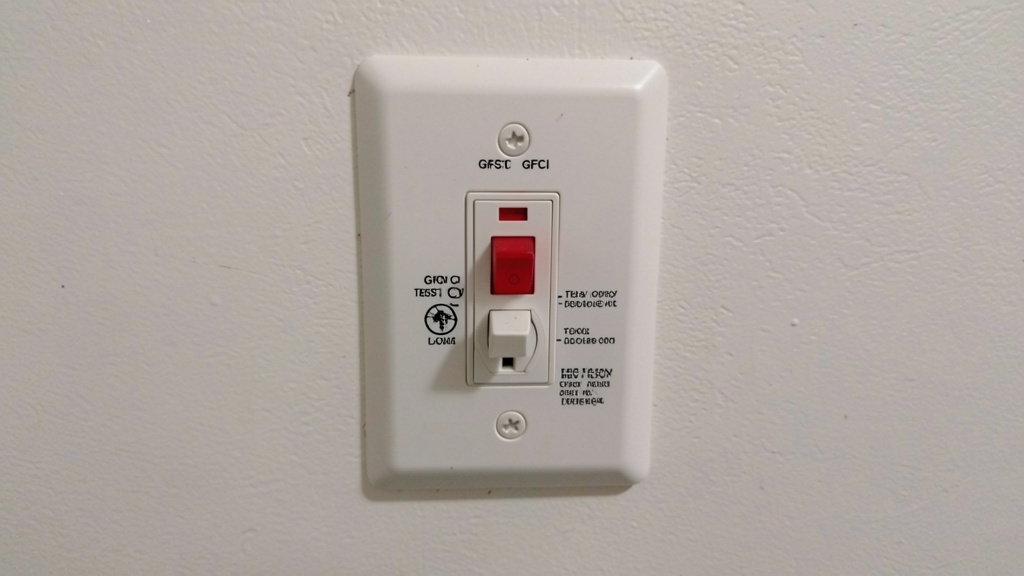
Move beyond confusion with clear, location-specific guidance on where ground fault and arc fault protection apply—and why these safeguards matter for everyday home safety.
Electrical safety evolves through lessons learned from real-world incidents. Ground Fault Circuit Interrupters (GFCIs) and Arc Fault Circuit Interrupters (AFCIs) address distinct hazards: GFCIs respond to current leakage that could cause shock, particularly where moisture is present; AFCIs detect hazardous arcing conditions that may lead to fire in wiring or cords. Confusion about their roles and requirements is common. This guide translates National Electrical Code (NEC) principles into accessible location-based protocols, explains the hazard rationale behind each requirement, and offers adaptable implementation pathways. Content reflects widely adopted NEC standards (2023 edition) while emphasizing the essential step of verifying requirements with your local building authority. Safety decisions benefit from understanding context—not just code text.
Introduction: Understanding the Purpose Behind Protection
Homes built before the 1970s typically lack modern electrical safeguards. GFCIs emerged after analysis of shock incidents involving water contact; AFCIs followed investigations into electrical fires originating from damaged cords or aging wiring. These devices represent layered safety responses—not arbitrary rules. The National Fire Protection Association (NFPA), publisher of the NEC, updates requirements based on aggregated incident data, technological advances, and changing home usage patterns.
This guide operates on a foundational concept: Protection should align with the specific hazard profile of each location. Water proximity increases shock risk, warranting GFCI consideration. Areas with concealed cords, frequent plug/unplug cycles, or aging wiring benefit from AFCI monitoring. Neither device substitutes for the other. Understanding why requirements exist supports informed discussions with qualified electricians and adaptable safety planning for new installations, renovations, or existing homes.
The Dual-Layer Safety Framework: Clarifying Distinct Roles
Before reviewing locations, distinguish the hazards each technology addresses. Confusing GFCIs and AFCIs creates gaps in safety planning. Think of them as complementary layers: one focused on personal shock prevention, the other on fire risk reduction.
Ground Faults: When Current Strays from Its Path
A ground fault occurs when electrical current flows outside its intended circuit path—potentially through water, equipment casings, or a person. GFCIs monitor the balance between current flowing to and from a device. If an imbalance of approximately 4–6 milliamps is detected (a level below typical lethal thresholds but sufficient to indicate leakage), the device interrupts power within milliseconds.
Why this matters: Moisture reduces skin resistance, increasing shock risk. A hair dryer falling into a sink creates a path where current could flow through water and a person to grounded pipes. GFCI intervention aims to prevent injury before physiological effects occur. Protection is most critical where water, electricity, and grounded surfaces coincide—bathrooms, kitchens, garages, outdoors. Note: Ground faults can occur anywhere due to appliance failure, but risk severity heightens in damp environments.
Arc Faults: Detecting Hidden Ignition Risks
An arc fault is an unintended electrical discharge across a gap in damaged wiring or cords. Unlike a short circuit (which draws high current and trips a standard breaker), some arcs are low-energy, intermittent, and generate intense heat—potentially igniting surrounding materials over time. The U.S. Fire Administration associates thousands of residential fires annually with electrical distribution failures, including arc faults.
Arcs commonly occur as:
– Parallel arcs: Between conductors (e.g., cable damaged by a nail inside a wall)
– Series arcs: At a broken point in a single conductor (e.g., frayed lamp cord)
– High-resistance faults: Loose connections generating heat and micro-arcs
Standard breakers cannot detect these conditions. AFCIs analyze the circuit’s electrical signature, distinguishing hazardous arcing from normal operation (like a light switch toggling). When a dangerous pattern is confirmed, the circuit de-energizes. Example: A cord repeatedly pinched under furniture may develop internal damage. An AFCI can detect early arcing behavior before heat buildup ignites nearby materials.
GFCI vs. AFCI: Core Differences at a Glance
| Feature | GFCI | AFCI |
|---|---|---|
| Primary Focus | Reducing shock risk from current leakage | Reducing fire risk from hazardous arcing |
| Detection Trigger | Current imbalance (≈5mA leakage) | Unique waveform signature of dangerous arcs |
| Typical Installation | Receptacle or circuit breaker | Primarily circuit breaker (some receptacle options) |
| Key Limitation | Does not detect arc faults | Does not detect ground faults |
| Critical Context | Most relevant near water sources or damp locations | Most relevant where cords are concealed, routed under furniture, or subject to wear |
| Testing | Press TEST button monthly; device should trip | Press TEST button monthly; device should trip |
The Fundamental Principle: GFCIs and AFCIs address separate hazards. Using one does not eliminate the need for the other where code or risk context indicates both are appropriate. Safety planning benefits from evaluating each location’s unique conditions.
How Code Requirements Evolve: Context Over Memorization
Electrical codes adapt as new data emerges. Understanding this progression builds intuitive judgment for scenarios not explicitly detailed in codebooks.
GFCI Requirement Timeline (Illustrative)
- 1971: Outdoor receptacles (response to equipment/moisture incidents)
- 1975: Bathroom receptacles near sinks
- 1980s–1990s: Expanded to garages, kitchens, unfinished basements
- 2000s–2020s: Added dishwashers, laundry areas, all garage/accessory building outlets, boat docks
Pattern: Requirements often follow documented incident patterns involving moisture and accessible conductive paths.
AFCI Requirement Timeline (Illustrative)
- 1999: Bedroom circuits (bedrooms identified as frequent fire origin points)
- 2000s: Expanded to living areas, hallways, closets
- 2010s–2020s: Included kitchens, laundry areas, dormitories, guest rooms
Pattern: Expansion correlates with fire investigation data showing arc faults in cord-and-plug equipment and aging branch circuits.
Local Authority Verification: The Essential Final Step
The NEC provides a national baseline. Always confirm with your local building department (Authority Having Jurisdiction):
– Adoption year of the NEC may vary by municipality
– Local amendments may add requirements (e.g., coastal areas adding attic HVAC outlet protection)
– Historic districts or older homes may have specific compliance pathways
Action step: Before planning work, contact your local department: “Which NEC edition is enforced here, and are there local amendments for GFCI/AFCI?” This step prevents rework and ensures alignment with local expectations.
Room-by-Room Guidance: Location Context and Implementation Pathways
Note: Requirements reflect common interpretations of the 2023 NEC. Verify all decisions locally. “Outlet” includes receptacles, lighting, and hardwired devices unless specified.
Kitchen
GFCI Consideration:
– Receptacles serving countertops
– Receptacles within 6 feet of sink edges (measured along countertop)
– Dishwasher circuit
– Garbage disposal outlet (if within sink proximity)
Hazard context: Spills, steam, and appliance cord wear near conductive surfaces increase shock risk.
Implementation note: GFCI protection often starts at the first receptacle on the circuit or via breaker. Dishwasher protection may use a breaker if the receptacle is inaccessible.
Adaptive note: Refrigerators on dedicated circuits within dwelling-unit kitchens are commonly exempt from GFCI per NEC to avoid nuisance trips affecting food safety. However:
– Refrigerators in garages, basements, or non-kitchen areas typically require GFCI
– Discuss risk/benefit with your electrician; refrigerator-rated GFCI breakers (with time-delay features) or power-loss alarms may be prudent options where required
AFCI Consideration:
– All 120V branch circuits supplying outlets or devices
Hazard context: Countertop appliance cords experience frequent handling, bending, and potential damage.
Implementation note: AFCI protection is typically applied at the breaker.
Bathroom
GFCI Consideration:
– All 125V receptacles
Hazard context: Proximity to water, grounded fixtures (faucets, tubs), and plugged-in appliances creates elevated shock risk.
Implementation note: GFCI receptacles are common; ensure TEST/RESET buttons remain accessible (e.g., not blocked by cabinet doors).
AFCI Consideration:
– All 120V branch circuits (including lighting, exhaust fans, receptacles)
Hazard context: Cords for hair tools stored in drawers may develop hidden damage; moisture can accelerate wiring degradation.
Implementation note: AFCI breaker protection covers the entire circuit.
Garage & Accessory Buildings
GFCI Consideration:
– All 125V receptacles (including ceiling-mounted garage door opener outlets)
– Refrigerators/freezers (unlike kitchen exemptions)
Hazard context: Concrete floors conduct moisture; tools, vehicles, and temperature swings stress cords and connections.
Implementation note: GFCI breakers often preferred—they protect hard-to-reach outlets and reduce exposure of receptacle devices to humidity. Weather-resistant (WR) rated devices are recommended.
AFCI Consideration:
– All 120V branch circuits
Hazard context: Vibration from equipment, rodent activity, and stored materials increase arc-fault risk.
Implementation note: Dual-function AFCI/GFCI breakers efficiently satisfy both requirements where applicable.
Outdoors (Decks, Patios, Docks, Landscaping)
GFCI Consideration:
– All outdoor receptacles, regardless of cover
– Boat docks (marine-grade WR devices required; outlets ≥12″ above surface)
Hazard context: Rain, condensation, UV exposure, and physical damage degrade cords and enclosures.
Implementation note: “While-in-use” weatherproof covers (bubble covers) are essential—they remain closed while cords are plugged in. GFCI breaker protection adds resilience if receptacle devices degrade.
AFCI Consideration:
– All 120V branch circuits supplying outdoor outlets
Exception: Low-voltage (≤30V) landscape lighting circuits typically exempt, though the transformer’s power outlet requires protection.
Seasonal note: Inspect outdoor outlets and cords before holiday seasons or heavy-use periods; replace cracked insulation or damaged covers.
Basement & Crawl Space
Unfinished Areas:
– GFCI: All receptacles (including sump pumps, dehumidifiers)
– AFCI: Not universally mandated by NEC for unfinished spaces, but increasingly adopted locally due to fire risk from stored items, pests, or aging wiring. Verify locally.
Hazard context: Moisture wicking through concrete, flooding potential, and limited accessibility heighten risks.
Adaptive pathway for sump pumps: While NEC includes an exception for dedicated, inaccessible sump pump circuits, many safety professionals recommend GFCI breaker protection paired with a battery-powered water alarm on a separate circuit. This addresses shock risk while providing notification if the pump loses power. Confirm approach with local authority.
Finished Areas:
– GFCI: Receptacles within 6 feet of sinks or laundry tubs
– AFCI: All 120V branch circuits (as in living areas)
Best practice: Consider GFCI for all basement receptacles due to inherent moisture potential.
Laundry Area
GFCI Consideration:
– All receptacles (washing machine, utility sink vicinity)
Hazard context: Appliance vibration, water leaks, and damp environments increase shock risk.
Implementation note: Install receptacles ≥12″ above sink rims where possible; use WR-rated devices.
AFCI Consideration:
– All 120V branch circuits
Hazard context: Cord wear from machine movement; lint accumulation near heat sources.
Note: The 120V circuit for gas dryer controls requires protection; 240V dryer circuits have varying local requirements.
Bedrooms, Living Areas, Hallways, Closets
GFCI Consideration:
– Only receptacles within 6 feet of sinks (e.g., vanities, wet bars)
Hazard context: Lower shock risk in dry living areas without water sources.
AFCI Consideration:
– All 120V branch circuits supplying outlets or devices (lighting, switches, smoke alarms, ceiling fans)
Hazard context: USFA data identifies bedrooms as frequent origins of electrical fires due to concealed cords, extension use under furniture, and aging wiring near combustibles.
Retrofit option: Where panel replacement is impractical, NEC permits AFCI receptacles at the first outlet on a circuit for existing installations (verify local acceptance).
Nuisance trip note: If tripping occurs with specific devices (e.g., older vacuums), test the device elsewhere. Persistent tripping with nothing plugged in warrants electrician evaluation for wiring issues.
Special Locations
- Attics with HVAC: GFCI often recommended (though not always NEC-mandated) for equipment outlets due to condensation risk. AFCI applies if habitable space exists.
- Utility Sinks (any location): GFCI required for all receptacles within 6 feet of the sink edge. Install receptacles above counter level to minimize splash exposure.
- Indoor Hot Tubs: Require dedicated GFCI protection per NEC Article 680, plus emergency shutoff and bonding. Consult a qualified electrician specializing in aquatic installations.
Navigating Common Scenarios: Adaptive Pathways
Older Home Retrofits: A Phased Approach
Full rewiring isn’t always feasible. Prioritize based on risk:
1. Immediate (within months): Install GFCI receptacles in bathrooms, kitchen countertops, garage, and outdoor outlets. These address acute shock hazards. Test existing GFCIs monthly; replace units over 10 years old or failing tests.
2. Medium-term (within 1–2 years): Add AFCI protection to bedroom and living area circuits. Use AFCI breakers where possible; AFCI receptacles may suit retrofit scenarios with panel limitations.
3. Long-term: Address obsolete panels (e.g., Federal Pacific, Zinsco), add dual-function protection to high-risk zones (laundry, garage), and document all upgrades for future reference or resale.
Constraint note: Budget-limited? Start with GFCI receptacles (lower cost, no panel access needed). Accessibility-limited? Prioritize circuits serving frequently used areas. Always involve a qualified electrician for panel work.
Troubleshooting Trips: Diagnose, Don’t Disable
Repeated tripping signals a condition needing attention—not device failure. Never replace a GFCI/AFCI with a standard device.
– GFCI trips with nothing plugged in: Moisture in outdoor box, wiring fault (shared neutral), or failing device. Dry thoroughly, verify wiring, or replace device.
– AFCI trips with specific device: Test device on another circuit. If it trips elsewhere, the device is faulty. If only on AFCI circuit, try an AFCI-compatible dimmer (if applicable) or consult electrician.
– Trips with nothing plugged in (AFCI): Potential wiring issue—contact an electrician promptly.
Documentation tip: Note trip patterns (time of day, weather, connected devices) to assist diagnosis.
Dual-Function Devices
Breakers combining AFCI and GFCI protection simplify circuits requiring both (e.g., kitchen, laundry). Benefits include consolidated protection and reduced coordination complexity. Verify compatibility with your panel type. For existing homes with inaccessible panels, point-of-use AFCI/GFCI receptacles offer localized protection where breaker replacement isn’t feasible.
Clarifying Common Misconceptions
-
Myth: “GFCI outlets make AFCI breakers unnecessary on the same circuit.”
Clarification: They address different hazards. A frayed cord under a bed may cause arcing (detected by AFCI) without current leakage (undetected by GFCI). Both protections serve distinct purposes where required. -
Myth: “Covered outdoor outlets don’t need GFCI.”
Clarification: NEC requires GFCI for all outdoor receptacles. Moisture enters via condensation, wind-driven rain, or humidity. WR-rated devices with “while-in-use” covers are mandatory. -
Myth: “Older homes are ‘grandfathered’ and safe without upgrades.”
Clarification: “Grandfathering” refers to legal compliance status, not safety assurance. Proactive upgrades significantly reduce documented risks. Many insurers encourage or require GFCI in wet locations during policy reviews. -
Myth: “Monthly testing isn’t needed if the device hasn’t tripped.”
Clarification: Internal components can degrade silently. Monthly testing is the only way to confirm functionality. It takes seconds and is strongly recommended by safety organizations.
Your Questions, Answered
Q: Does a washing machine receptacle need GFCI even without a nearby sink?
A: Yes. NEC requires GFCI for all receptacles in laundry areas due to appliance leakage risk, vibration-related cord wear, and potential floor moisture. AFCI protection is also typically required for the circuit.
Q: Will a standard outlet downstream of a GFCI receptacle be protected?
A: Yes, when wired correctly to the GFCI’s “LOAD” terminals. Press the GFCI’s TEST button to confirm downstream outlets lose power. Label them “GFCI Protected. Reset at [location].”
Q: My GFCI won’t reset after testing. What now?
A: First, ensure the circuit breaker is ON. Unplug all devices on that circuit and try resetting. If it holds, a plugged-in device is faulty. If it still won’t reset, the GFCI may be failed (common after 10+ years or moisture exposure) or a wiring fault exists. Replace the GFCI or consult an electrician. Do not use the outlet until resolved.
Q: Are AFCIs required for bedroom lighting circuits?
A: Yes. NEC requires AFCI protection for all 120V branch circuits in bedrooms, including those powering only lighting, switches, or smoke alarms. Arcing can originate in switch boxes or fixture wiring.
Q: Must holiday lights plugged under a covered porch use a GFCI outlet?
A: Yes. All outdoor receptacles require GFCI protection regardless of cover. Inspect light strands annually for cracked insulation before use. Always employ “while-in-use” weatherproof covers.
Q: Is GFCI required for a refrigerator in a basement bar?
A: Typically yes. The kitchen refrigerator exemption applies narrowly to dedicated circuits within dwelling-unit kitchens. Basement bars lack this exemption, and basement moisture risk warrants protection. Discuss options like refrigerator-rated GFCI breakers or power-loss alarms with your electrician.
Q: Can I use a GFCI receptacle instead of a breaker for a garage circuit?
A: Yes, but consider accessibility. If the first receptacle is behind stored items, resetting becomes difficult. GFCI breakers protect the entire circuit (including hardwired openers) and avoid exposing receptacle devices to garage humidity. WR-rated devices are recommended regardless of type.
Q: Why does my AFCI trip when turning on a ceiling fan light?
A: Often due to dimmer switch incompatibility with AFCIs or LED loads. Replace with an AFCI/LED-compatible dimmer. If no dimmer exists, loose connections at the fan or switch could cause arcing—have an electrician inspect.
Q: Do smoke alarm circuits in hallways need AFCI?
A: Yes. NEC requires AFCI for all 120V branch circuits in hallways. Modern AFCIs rarely nuisance-trip on alarm circuits when installed correctly, ensuring reliability during emergencies.
Q: How often should GFCI/AFCI devices be replaced?
A: No fixed expiration, but replace if: failing monthly tests, won’t reset, shows discoloration/burn marks, or is over 10–15 years old. Internal sensors degrade over time. When replacing, choose WR-rated devices for damp locations.
Q: Can surge protectors cause AFCI nuisance trips?
A: Low-quality protectors may. Use UL 1449-listed models from reputable manufacturers. Plug directly into protected outlets. For whole-house electronics protection, a panel-mounted surge protective device (SPD) integrates reliably with AFCI/GFCI systems and is widely recommended.
Conclusion: Building Ongoing Safety Awareness
GFCIs and AFCIs represent practical applications of electrical safety knowledge—tools designed to address specific, documented hazards. True safety stewardship combines informed awareness with adaptable action: understanding why protections matter, verifying requirements locally, and maintaining devices through simple habits.
The 24-Hour Safety Check
Within the next day:
1. Walk through your home with a notepad.
2. At every GFCI/AFCI device (outlets with TEST/RESET buttons; labeled breakers):
– Press TEST. Confirm power stops.
– Press RESET. Confirm power restores.
3. Note any device that fails to trip, won’t reset, feels hot, or shows damage.
4. For failed devices: Turn off the circuit breaker, label the outlet “Out of Service,” and schedule replacement promptly.
This brief check validates your home’s electrical safeguards. Pair it with seasonal routines (e.g., before holidays, after storms).
A Forward-Looking Perspective
Electrical safety is dynamic. Future updates may address emerging technologies (EV chargers, smart systems) or aging infrastructure challenges. The enduring principle remains: Proactive awareness reduces preventable risk. When you install a WR-rated GFCI outlet on a deck, you’re applying lessons from moisture-related incidents. When you prioritize AFCI for bedroom circuits, you’re aligning with fire prevention insights. Share knowledge with household members. Discuss upgrades with aging relatives. Document improvements for future reference.
Safety multiplies through shared understanding. This guide provides a framework to evaluate locations thoughtfully, collaborate effectively with qualified professionals, and cultivate lasting peace of mind. Your attention to these details contributes to a safer environment for everyone who enters your home.
Expand Your Home Safety Knowledge:
Electrical Panel Safety: Understanding Labels, Upgrades, and Warning Signs | Smoke and Carbon Monoxide Alarm Placement: A Room-by-Room Reference | Water Heater Maintenance: Temperature Checks, Shut-Off Procedures, and Leak Response | When to Consult a Licensed Electrician: Recognizing Wiring Warning Signs | Childproofing Beyond Outlet Covers: Comprehensive Electrical Safety for Families | Renovating Older Homes: Electrical Assessment Checklist for Homeowners | Outdoor Electrical Safety: Holiday Lights, Landscape Systems, and Weather Preparedness