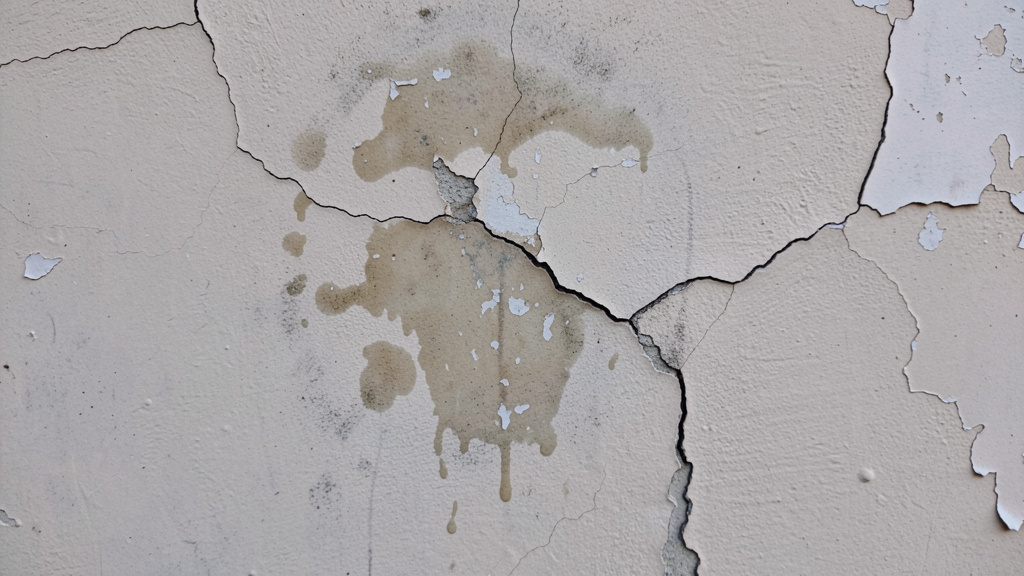
Stop Guessing, Start Diagnosing: How to Read the Visual Clues Your House is Trying to Tell You—Before Minor Issues Become Major Headaches
Your home communicates daily through subtle visual cues. That fine line tracing your basement wall isn’t random—it’s information. The faint discoloration blooming on your ceiling describes a developing situation overhead. This guide transforms you from passive observer into confident diagnostician. Using structured observation frameworks, contextual analysis, and clear decision pathways, you’ll learn to interpret your home’s visual language with clarity—catching concerns early, avoiding unnecessary stress, and making informed choices about next steps. No jargon. No fear-mongering. Just grounded observation informed by widely recognized building science principles.
Introduction: Your Home Has a Voice—Learn to Listen
Pause wherever you are in your home. Look closely. That slightly uneven floorboard near the kitchen sink? The delicate fissure tracing the corner of your bedroom window? These aren’t isolated quirks. They are communications from your home’s interconnected systems—structural, moisture, thermal, mechanical—signaling conditions long before visible failure occurs. For generations, homeowners reacted only when problems became undeniable: the ceiling stain spreads, the door sticks persistently, the musty odor intensifies. This reactive pattern often leads to more complex repairs and greater disruption.
This guide reframes home stewardship as proactive visual literacy. Think of learning weather patterns: darkening clouds don’t cause rain; they signal atmospheric conditions requiring preparation. Similarly, a diagonal crack above a doorframe doesn’t create stress; it reveals forces already in motion within your walls. By training your eye to recognize these visual patterns, you shift from uncertainty to informed awareness. You move beyond fragmented symptom searches (“brown stain ceiling”) toward understanding systemic narratives (“This stain’s shape, location, and texture suggest slow moisture movement interacting with insulation, not an active plumbing leak”). This isn’t about becoming an expert overnight. It’s about developing a reliable observational framework—one aligned with methods used by building professionals to prioritize concerns, allocate resources wisely, and communicate effectively with specialists. Your home isn’t trying to trick you. It’s providing clues. Let’s learn to read them together.
The Home Diagnostic Framework: The 4-Layer Assessment Method
Before examining specific symptoms, master this universal diagnostic protocol. Whether observing a stain, crack, or textural change, apply these four layers sequentially. Skipping layers risks misinterpretation—the most common reason minor concerns escalate unnecessarily. This method reflects systematic approaches used in building diagnostics to isolate variables thoughtfully. It transforms complexity into manageable observation.
Layer 1: Observe the Symptom with Surgical Precision
This layer demands objective description. Your goal: document only what your senses detect—no interpretations, no assumptions. Use your phone to capture three reference images: wide shot (context), mid-shot (symptom within surroundings), extreme close-up (texture, color gradients). Then note these details verbatim:
- Shape & Pattern: Linear, spiderweb, circular, feathered, blotchy? Straight, curved, or irregular path?
Example: “Crack extends vertically 18 inches downward from top of window frame, widens slightly at midpoint, hairline thickness at ends.” - Color & Texture: Note observable shades. Is the surface powdery, crystalline, bubbled, peeling?
Example: “Discoloration shows rust-tinged center fading to pale halo. Surface feels slightly gritty; tiny white crystals visible under magnification.” - Dimensions: Measure with a ruler. Note length, width. Track changes over time with dated photos.
Example: “Affected area spans approximately 12 inches by 8 inches. Crack width measured minimal on June 1; slightly more pronounced on July 15.” - Sensory Clues: Smell (earthy, musty, neutral)? Sound (dripping near symptom)? Temperature variation (cool spot on wall)?
Example: “Faint damp-paper scent noticeable after closet door remains closed several hours. No audible dripping detected.”
Why this layer matters: Human perception seeks narrative. We see a crack and may assume “foundation failure”—yet most interior cracks relate to routine material movement. Layer 1 anchors observation in fact. That “rust-tinged stain with white crystals” you documented? That precise description later helps distinguish mineral deposits from active moisture intrusion. Precision prevents premature conclusions.
Common Layer 1 Pitfalls to Avoid:
– Emotional language: “Terrifying crack!” → Replace with “Vertical fissure, minimal width.”
– Assuming cause: “Leak from upstairs bathroom” → Document only “Discoloration on first-floor ceiling below second-floor hallway.”
– Ignoring lighting: Re-examine symptoms under different light conditions. Morning sun may reveal subtle warping invisible under evening lamps.
– Skipping scale: Include a reference object in photos (coin, pen). “Small crack” is vague; “crack narrower than a dime” is actionable.
Layer 2: Contextualize the Clue Within Your Home’s Ecosystem
A symptom isolated is ambiguous. A symptom placed in context becomes informative. Your home functions as a dynamic system—symptoms interact with location, climate, age, materials, and recent events. Investigate:
- Location, Location, Location:
- Vertical position: Basement (groundwater influence?), main floor (plumbing proximity?), attic (roof/ventilation interface?)?
- Horizontal position: Corner (common stress point?), center of wall (settling pattern?), near window/door (framing transition?), above appliance (heat/moisture source?)?
-
Material interface: Where drywall meets masonry? Wood transitions to tile? These junctions experience differential movement.
Example: A crack at the top corner of a window on an exterior wall facing prevailing weather often relates to thermal or moisture cycling on framing—not foundation movement. -
Temporal Patterns:
- Seasonal correlation: More noticeable after heavy rain? During heating season? Following humidity shifts?
- Event-triggered: Appeared after landscaping changes (altered drainage?), nearby construction (vibration?), new appliance installation?
-
Progression speed: Documented change over months (gradual settling) versus sudden appearance after significant weather event.
Example: Discoloration appears only during sustained rainfall from a specific direction. Fades within days after rain stops. Suggests weather-driven moisture penetration at a specific vulnerability. -
Home-Specific Factors:
- Age: Older homes with plaster may show historic hairline cracks; modern drywall reveals movement differently.
- Renovations: Recent additions or window replacements create new stress points.
- Local climate: Coastal homes face salt exposure; humid regions manage condensation; freeze-thaw cycles affect masonry.
Example: In a decades-old home with original plaster, a fine crack radiating from a doorframe often reflects historic settling. In a newer drywall home, the same pattern warrants checking for recent structural changes or moisture sources.
Why context transforms understanding: Two similar-looking cracks tell different stories based on context. Crack A: Vertical, minimal width, on interior partition wall of a newer home. Context: Appeared after installing heavy shelving. Likely explanation: localized stress from point load—low concern. Crack B: Vertical, widening over time, on exterior wall above foundation in an older home. Context: Accompanied by a door that recently began sticking. Warrants monitoring and professional assessment. Context guides appropriate response.
Layer 3: Hypothesize Root Causes Using Decision Trees
Synthesize Layers 1 and 2 to generate plausible explanations—not guesses. Use structured decision pathways. For each symptom, ask sequential questions. Eliminate options contradicted by your documented evidence. Below is a universal template; specific applications follow later.
START: [Documented Symptom + Context]
│
├─ IF symptom involves moisture (stain, mold, warping)...
│  ├─ THEN check LOCATION:
│  │  ├─ ABOVE plumbing fixture? → Consider supply line, drain, or condensation
│  │  ├─ ON EXTERIOR wall/ceiling? → Consider roof, window, or condensation
│  │  └─ IN BASEMENT/SLAB AREA? → Consider groundwater, plumbing, or condensation
│  │
│  ├─ THEN check PATTERN:
│  │  ├─ FEATHERED edges, halo effect? → Suggests slow, intermittent moisture movement
│  │  ├─ SHARP edges, concentrated color? → Suggests active, ongoing moisture presence
│  │  └─ CRYSTALLINE deposits (white powder)? → Suggests evaporated moisture leaving minerals
│  │
│  └─ THEN check TIMING:
│     ├─ ONLY during rain? → Points to weather-related penetration
│     ├─ CONSTANT? → Points to continuous source (e.g., plumbing)
│     └─ WORSE in high humidity? → Points to condensation
│
├─ IF symptom is a crack...
│  ├─ THEN check DIRECTION:
│  │  ├─ VERTICAL (straight)? → Often relates to material shrinkage or settling
│  │  ├─ DIAGONAL (angled)? → May indicate stress; evaluate width and context carefully
│  │  └─ HORIZONTAL? → Warrants attention; assess location and progression
│  │
│  ├─ THEN check WIDTH & PROGRESSION:
│  │  ├─ Minimal width, stable? → Often cosmetic
│  │  ├─ Noticeable width, widening? → Monitor closely; consider professional input
│  │  └─ "Stair-step" pattern in masonry? → Evaluate with attention to wall alignment
│  │
│  └─ THEN check LOCATION:
│     ├─ At window/door corner? → Common stress point (often benign)
│     ├─ Through multiple structural elements? → Warrants assessment
│     └─ In foundation wall? → Evaluate with attention to wall alignment and soil conditions
│
└─ IF symptom is discoloration/odor without obvious moisture...
   ├─ THEN check COLOR:
   │  ├─ DARK fuzzy patches? → Investigate moisture source and ventilation
   │  ├─ RUST-TINGED spots? → Consider past moisture exposure or metal corrosion
   │  └─ WHITE POWDERY deposits? → Often mineral residue from evaporated moisture
   │
   └─ THEN check SMELL:
      ├─ EARTHY/MUSTY? → Investigate ventilation and moisture history
      ├─ SOUR? → May indicate active microbial activity
      └─ CHEMICAL? → Consider material off-gassing or cleaning products
Why decision trees support clarity: Homeowners may fixate on worst-case scenarios (“This crack means my foundation is failing!”). Decision trees encourage evidence-based reasoning. That diagonal crack? Layer 1: “Minimal width.” Layer 2: “On non-load-bearing interior wall; appeared after hanging heavy artwork.” Pathway: Crack → Diagonal? Yes → But minimal width AND interior partition wall AND event-triggered. Plausible explanation: localized stress from installation—not structural compromise. Always consider 2–3 plausible explanations. Rank by consistency with documented facts. The most straightforward explanation fitting all evidence is often the most useful starting point (principle of parsimony).
Layer 4: Determine Your Action Path with Confidence
Diagnosis without direction creates uncertainty. This layer translates hypotheses into clear, tiered actions. Use this guidance framework:
| Symptom Profile | Guidance Level | Suggested Approach | Monitoring Notes |
|---|---|---|---|
| CRITICAL: Sudden major crack, active water flow, burning smell, gas odor | Act Immediately | Prioritize safety. Shut off relevant utility if safe. Contact emergency professional. | Document condition safely; avoid area if hazardous |
| ATTENTION NEEDED: Steady moisture presence, widening crack, visible microbial growth on >10 sq ft, sudden door/window operation changes | Address Promptly | Contain if possible (bucket, dehumidifier). Document daily. Contact qualified professional for assessment. | Note changes in size, color, texture, or associated symptoms |
| MONITOR: Small stable crack, minor discoloration with no moisture present, historic plaster crack in older home | Observe Systematically | Mark edges gently. Photograph monthly. Reassess during seasonal shifts. | Track over 3–6 months; note any progression |
| COSMETIC: Nail pop, paint flaw, minor surface texture with clear benign cause | Address for Preference | Repair when convenient for aesthetics. No systemic concern indicated. | No monitoring needed beyond personal preference |
Tailoring actions to your situation:
– Resource-conscious path: For “Attention Needed” items, gather multiple professional perspectives. Ask: “What is the most appropriate next step to understand this fully?”
– Time-conscious path: Prioritize items affecting health (persistent musty odors), safety (structural shifts), or high-value areas (moisture near electrical components).
– Prevention-focused path: After resolving a symptom, reflect: “What upstream adjustment might reduce recurrence?” (e.g., gutter maintenance after roof-related moisture).
The Fundamental Principle: A symptom without context is just a detail; a symptom with context is a clue. Your home’s visual language follows observable patterns—learn the framework, and you’ll navigate concerns with growing confidence.
Foundation & Exterior Walls: Cracks, Shifts, and Material Clues
Your foundation and exterior walls interact continuously with environmental forces: soil movement, moisture, temperature shifts, wind loads. Symptoms here often trigger concern—but precise observation separates routine maintenance from genuine priorities. Let’s decode common visual cues with nuance.
Hairline Cracks in Concrete Slabs or Foundation Walls
Visual Cue: Very fine fissures (typically under 1/16 inch wide), often web-like or random patterns. Surface feels smooth. Common in poured concrete basements, garage floors, or slab-on-grade homes. Color matches surrounding concrete or appears slightly darker. No accompanying bulging, stair-stepping pattern, or soil displacement visible outside.
Layer 1 Precision: “Random spiderweb pattern of fine cracks across section of basement floor slab. Widest point minimal. No vertical displacement detectable by touch. No moisture observed after sustained rainfall.”
Layer 2 Context: Appears in a 15-year-old home on clay-influenced soil. First noticed after a dry period followed by heavy rains (soil moisture fluctuation cycle). Located away from corners or wall joints.
Layer 3 Hypothesis:
– Most Consistent: Plastic shrinkage cracks from original concrete curing process (formed during pour, now more visible due to lighting or dust accumulation).
– Also Possible: Minor response to soil moisture fluctuation—non-structural given random pattern and lack of displacement.
– Less Likely: Structural compromise (would typically show directional pattern, measurable widening, or wall movement).
Layer 4 Action Path:
– Why it matters: These cracks rarely affect structural performance but may allow minimal vapor transmission over very long periods.
– Monitoring Approach: Clean area gently. Apply small marker dots at ends. Photograph monthly. If dots separate noticeably, reassess. Seal with concrete-compatible filler if desired for dust control.
– Professional Consultation Considered If: Crack widens visibly beyond minimal width, shows vertical offset (“lip”), actively leaks water, or accompanies wall alignment changes.
– Regional Consideration: In areas with expansive soils, seasonal monitoring is prudent. In freeze-thaw climates, ensure proper grading directs water away to minimize widening potential.
Stair-Step Cracks in Masonry Foundation Walls
Visual Cue: Cracks following mortar joints in a zig-zag pattern, typically at corners of foundation or near openings. Mortar may appear deteriorated. Sometimes accompanied by subtle inward curvature of the wall section.
Layer 1 Precision: “Stair-step pattern ascending approximately 24 inches from bottom corner of foundation wall. Mortar joints show separation at peak. Wall surface shows subtle inward curvature over a 3-foot span. White powdery deposits present below crack.”
Layer 2 Context: 40-year-old masonry home. Crack became more noticeable after periods of heavy rainfall. Exterior shows soil piled against foundation at this corner (grading concern).
Layer 3 Hypothesis:
– Most Consistent: Lateral pressure from moisture-saturated soil combined with minor settlement. White deposits confirm past moisture movement.
– Also Possible: Frost-related movement in cold climates if crack aligns with typical frost depth.
– Important Note: Curvature combined with crack pattern warrants careful assessment.
Layer 4 Action Path:
– Why it matters: While the crack pattern itself may be common, accompanying curvature suggests ongoing pressure that merits attention to prevent progression.
– Initial Steps: Redirect downspouts away from this wall section. Remove soil/debris piled against foundation (maintain clearance). Evaluate grading to encourage water flow away from structure.
– Professional Assessment Recommended: A qualified structural professional can assess curvature severity, soil conditions, and recommend appropriate solutions: drainage improvements, wall reinforcement, or monitoring protocol. Early attention is typically more manageable than delayed response.
– Clarifying Note: True settlement cracks are often vertical at corners without mortar joint separation or curvature. Stair-step pattern with curvature suggests pressure influence.
Bulging or Bowing Foundation Walls
Visual Cue: Visible inward curve in a foundation wall section. May be subtle (detected with a straight edge) or obvious (furniture doesn’t sit flush). Often accompanied by horizontal cracks, white deposits, or soil pressure marks.
Layer 1 Precision: “South foundation wall shows inward curvature of approximately 1.5 inches at midpoint over an 8-foot span. Horizontal crack runs parallel to curvature at its peak. Soil visible through crack after heavy rain.”
Layer 2 Context: Older masonry foundation. Exterior has mature trees within proximity. Recent excavation occurred nearby.
Layer 3 Hypothesis:
– Most Consistent: Sustained lateral pressure from moisture-influenced soil, potentially compounded by root activity or vibration from nearby work.
– Important Consideration: Curvature beyond minimal measurements often indicates significant pressure; professional evaluation is prudent.
Layer 4 Action Path:
– Guidance Level: Attention Needed. Do not delay assessment.
– Immediate Steps: Clear items away from interior wall surface. Monitor daily with a consistent measurement method (e.g., string line). If curvature increases visibly within days, contact a structural professional promptly.
– Professional Path: Structural assessment is essential. Solutions vary widely based on severity, soil conditions, and home specifics: drainage correction, wall reinforcement systems, or other engineered approaches.
– Preventive Perspective: Ensure exterior grading slopes away from foundation. Maintain proper drainage systems. Avoid planting water-seeking trees close to foundation walls.
– Regional Pattern: In regions with heavy clay soils, curvature may become more apparent after wet seasons. Proactive drainage maintenance supports long-term stability.
Efflorescence: The White Powder Clue
Visual Cue: White, chalky, or crystalline powder on masonry surfaces (brick, block, concrete). Rubs off easily. Often appears after rain or high humidity. May outline cracks or cover larger areas.
Layer 1 Precision: “Fine white powder covering area on interior basement wall near floor level. Powder dissolves slightly when dampened. Underlying concrete appears sound.”
Layer 2 Context: Appears seasonally during spring thaw. Exterior shows no visible cracks at this location. Gutters are clear but downspout terminates close to foundation.
Layer 3 Hypothesis:
– Established Cause: Water (from soil moisture or minor seepage) dissolving minerals within masonry, then evaporating and depositing salts on the surface. Efflorescence itself is not damaging.
– Critical Insight: It signals moisture movement through the wall—but not necessarily active leakage requiring immediate repair. The focus should be on why moisture is present.
Layer 4 Action Path:
– Why it matters: While harmless itself, persistent efflorescence may indicate conditions that, over many years, could contribute to surface deterioration if moisture sources remain unaddressed.
– Cleaning Approach: Gently scrub with stiff brush and mild vinegar-water solution. Avoid acid-based cleaners that may damage masonry.
– Source Investigation:
– Check exterior grading: Does soil slope toward foundation?
– Inspect gutters/downspouts: Are they directing water sufficiently away?
– Look for cracks: Even fine cracks allow moisture vapor transmission.
– When to Monitor Closely: If efflorescence accompanies dampness, staining, or surface flaking (“spalling”), moisture presence is more active. Address drainage factors first; sealants alone may trap moisture.
– Regional Variation: Common in humid climates and areas with mineral-rich soil/water. Less frequent in arid regions unless irrigation is misdirected.
Spalling Concrete: Surface Deterioration
Visual Cue: Surface of concrete flaking, chipping, or crumbling. Exposes aggregate (stones) beneath. Often starts as small pits that expand. May feel rough. Common on basement walls, garage floors, or exterior steps.
Layer 1 Precision: “Area on basement wall near floor shows surface loss up to 1/4 inch deep. Exposed aggregate visible. Surrounding area feels gritty. No active water observed.”
Layer 2 Context: Older poured concrete foundation. Exterior grading shows soil level above interior floor. Efflorescence present nearby.
Layer 3 Hypothesis:
– Primary Cause: Moisture penetration followed by freeze-thaw cycles (in cold climates) or chemical exposure. Water enters pores, freezes/expands, breaks surface bond.
– Contributing Factor: Original concrete mix or curing conditions.
Layer 4 Action Path:
– Why it matters: Surface deterioration can progress over time, potentially affecting integrity in severe, long-term cases.
– Repair Approach (Minor Cases):
1. Remove loose material until solid concrete is reached.
2. Clean area thoroughly.
3. Apply concrete bonding adhesive.
4. Patch with polymer-modified concrete compound.
5. Seal entire wall with breathable penetrating sealer (allows vapor transmission).
– Professional Repair Considered If: Deterioration exceeds moderate depth, covers significant area, or exposes reinforcing steel.
– Prevention Focus: Address exterior moisture sources first (grading, gutters). In cold climates, minimize de-icing salt contact near concrete. Apply breathable sealer periodically.
– Critical Note: Avoid non-breathable sealers (epoxy, acrylic films) over potentially damp concrete—they can trap moisture and accelerate deterioration. Breathable sealers support moisture vapor escape.
Interior Walls and Ceilings: Stains, Cracks, and Textural Clues
Interior surfaces offer visible feedback about your home’s conditions. Unlike hidden foundations, walls and ceilings display symptoms openly—but interpretation requires care. What appears to be a plumbing leak might stem from condensation; a crack may reflect harmless material movement. Let’s decode these visible signals.
Water Stains on Ceilings and Walls: Reading the Pattern
Water stains follow observable patterns. Their shape, edge definition, color gradient, and location form a diagnostic signature.
Feathered Edge Stain (Classic “Halos”):
– Visual Cue: Brown or yellow center fading gradually to pale at edges. Resembles a watercolor wash. Often circular or oval.
– What It Suggests: Slow, intermittent moisture movement. Water spreads through material, evaporates at edges—leaving concentrated deposits at center.
– Common Sources: Roof-related moisture (attic insulation absorbs/releases slowly), slow plumbing drip above, condensation from ductwork.
– Diagnostic Tip: Press gently. If dry and firm, moisture event may be historical or seasonal. If soft/spongy, active moisture may be present. Note any odor.
– Action Path: Trace vertically upward. For ceiling stains, check attic directly above for insulation discoloration or roof deck signs. For wall stains near ceiling, examine the roof slope above that wall section. Monitor after next significant rainfall. If stain reappears or enlarges, investigate source.
Sharp-Edged, Defined Stain:
– Visual Cue: Clear border. Dark brown, black, or rust-tinged. No fading at edges. May feel cool or damp.
– What It Suggests: Ongoing moisture presence. Water is continuously saturating the material. Higher priority for investigation.
– Common Sources: Active plumbing issue, failed seal around tub/shower, roof penetration, overflowing condensate pan.
– Diagnostic Tip: Place absorbent paper on stain. If it wicks moisture readily, active moisture is present now. Check nearby for obvious sources (running toilet, dripping faucet).
– Action Path: Place protective covering below. If plumbing-related suspected, consider temporarily adjusting water use. Contact a qualified plumber or roofer promptly. Timely attention helps prevent secondary effects like mold growth or material deterioration.
Rust-Tinged Stains with White Deposits:
– Visual Cue: Orange-brown center with white, powdery deposits at edges. Often near metal fixtures (pipes, fasteners).
– What It Suggests: Moisture interacting with metal components over time. Rust indicates corrosion history; white deposits are mineral residues.
– Common Sources: Past plumbing connection issue, corroded fastener on roof sheathing, condensation on cold water pipe.
– Diagnostic Tip: Inspect closely with light. Look for corroded metal fragments. Check if stain aligns with plumbing stack or vent pipe location in attic.
– Action Path: Address moisture source first. Then address corrosion: replace affected pipe section if accessible, seal fastener points on roof. If on interior wall near plumbing, professional assessment may determine if wall inspection is warranted.
Vertical Streaking on Exterior Walls:
– Visual Cue: Brown or gray streaks running straight down wall surface, often below windows, vents, or roof edges.
– What It Suggests: Water running down wall surface after entering at a higher point. Not necessarily indicating interior damage yet—but a warning sign.
– Common Sources: Compromised window flashing, clogged weep holes in brick veneer, ice dam backup, gutter overflow.
– Diagnostic Tip: Examine exterior at same location. Look for cracked sealant, missing flashing details, debris in weep holes. Observe during/after rain if safe.
– Action Path: Clean weep holes gently. Re-seal window perimeters if cracked. Ensure gutters are clear and downspouts extend away. If streaking persists, flashing details may require professional evaluation.
Drywall and Plaster Cracks: Beyond “Just a Crack”
Not all cracks indicate the same concern. Direction, location, and construction details inform interpretation.
Vertical Cracks at Inside Corners (Where Two Walls Meet):
– Visual Cue: Fine to minimal-width crack running vertically along corner bead or tape joint. Common in newer homes.
– Cause: Differential movement between wall sections. Wood framing expands/contracts with humidity changes; drywall resists movement, cracking at the joint.
– Typical Significance: LOW. Almost always cosmetic.
– Repair Approach: Sand smooth. Apply flexible acrylic caulk (paintable). Prime and repaint. Avoid rigid spackle—it may crack again. Monitor seasonally; minor reopening in low-humidity months is common, often closing in higher humidity.
– When to Monitor Closely: If crack widens noticeably beyond minimal width, shows vertical displacement, or appears alongside cracking on adjacent walls—suggests need for professional assessment of framing.
Diagonal Cracks Radiating from Window or Door Frames:
– Visual Cue: Fine cracks extending 6–12 inches from top corners of openings. Common across home ages.
– Cause: Stress concentration at framing weak points. Headers bear load; minor settling or wood movement creates tension at corners.
– Typical Significance: LOW to MODERATE. In homes under 20 years, usually benign settling. In older homes, monitor progression.
– Repair Approach: Clean crack. Fill with elastomeric caulk. Apply fiberglass mesh drywall tape. Skim coat with joint compound. Prime/paint.
– Signs for Professional Input: Crack wider at top than bottom (suggests header movement), accompanied by sticking window/door, or appears suddenly after significant weather event. These warrant assessment.
Horizontal Cracks Across Large Wall Sections:
– Visual Cue: Straight crack running horizontally across middle of wall, not aligned with studs or seams.
– Cause: Less common in interior walls. Possibilities include:
– Significant foundation movement affecting wall plane
– Drywall installation issue (seams not supported by studs)
– Impact damage
– Typical Significance: MODERATE to HIGH. Requires investigation.
– Diagnostic Steps:
1. Tap wall along crack: Hollow sound may suggest separation from studs.
2. Check opposite side of wall if accessible: Same pattern?
3. Inspect foundation directly below: Corresponding signs?
4. Check level: Place level on floor near wall—any slope?
– Action Path: If hollow sound or foundation correlation exists, consult a structural professional. If isolated to drywall surface with no other symptoms, likely installation-related—repair with mesh tape and compound.
Alligatoring or Map Cracking in Paint:
– Visual Cue: Fine cracks resembling reptile skin or dried mud across painted surface. Paint may feel brittle.
– Cause: Paint applied too thickly; incompatible paint layers; excessive heat during curing; substrate movement.
– Typical Significance: COSMETIC only. Does not indicate structural issue.
– Repair Approach: Sand entire affected area smooth. Prime with bonding primer. Repaint with quality acrylic paint. Apply thin, even coats.
– Prevention: Prepare surfaces properly. Use paint suited to substrate and climate. Avoid thick applications.
Nail Pops and Screw Pops: The Tiny Bumps
Visual Cue: Small conical bumps (1/8″ to 1/4″ diameter) where drywall fasteners protrude through tape/compound. May have fine crack around base. Common on ceilings and upper walls.
Layer 1 Precision: “Three dime-sized bumps on bedroom ceiling, 2 feet from wall. Each has tiny crack radiating outward. Fastener heads slightly visible.”
Layer 2 Context: Home built approximately 8 years ago. Occurred during first winter after construction. No other cracks nearby.
Layer 3 Hypothesis:
– Established Cause: Wood framing (joists/studs) shrank as it reached equilibrium moisture content after construction. Fasteners held drywall while wood pulled away, creating pressure points.
– Why Winter? Heating reduces indoor humidity, accelerating wood shrinkage.
Layer 4 Action Path:
– Why it matters: Purely cosmetic. Very common in new construction (peaks at 1–3 years). Does not indicate structural failure.
– Repair Approach:
1. Gently tap pop inward (avoid breaking drywall).
2. Drive new drywall screw 1 inch above/below old location into stud/joist.
3. Remove old protruding fastener.
4. Fill holes and screw dimples with joint compound. Sand smooth. Prime/paint.
– Prevention Insight: In new builds, “screw-only” drywall installation resists popping better than nails. Maintaining indoor humidity 30–50% year-round minimizes wood movement.
– When to Seek Assessment: If pops appear suddenly in large numbers in an older home, or accompany sagging—could indicate framing movement from moisture exposure or overload.
Bubbling or Blistering Paint/Wallpaper
Visual Cue: Paint or wallpaper lifts in rounded blisters, ranging from pinhead to several inches wide. May feel cool or contain moisture.
Layer 1 Precision: “Three 1-inch diameter blisters on bathroom wall above sink. Surface feels slightly cool. No visible water source.”
Layer 2 Context: Occurs only after hot showers. Wall is exterior wall with limited insulation.
Layer 3 Hypothesis:
– Most Likely: Condensation trapped behind coating. Warm, humid bathroom air meets cooler exterior wall surface → moisture condenses → vapor pressure lifts coating.
– Alternative: Moisture intrusion from outside (window seal) or plumbing leak inside wall.
Layer 4 Action Path:
– Diagnostic Test: After blister appears, carefully slice edge with razor blade. Insert corner of paper towel. If damp, moisture is present. Note any odor.
– If Condensation (Common in Bathrooms):
– Immediate: Run exhaust fan during and 20+ minutes after showers. Open window if possible. Wipe walls after showering.
– Long-Term: Ensure exhaust fan vents outside (not into attic). Consider higher-capacity fan. Add insulation to exterior wall cavity if accessible during future renovations. Use vapor-permeable paint (latex).
– If Active Leak Suspected:
– Check supply lines under sink for drips.
– Inspect window frame exterior for cracked sealant.
– If blistering spreads rapidly, professional assessment may determine if wall inspection is warranted.
– Repair: Once moisture source is addressed and wall is fully dry, sand blisters smooth. Prime with stain-blocking primer. Repaint with mildew-resistant bathroom paint. For wallpaper, replace affected section after resolving cause.
Roof and Attic: The Overlooked Early Warning System
Your roof and attic provide critical protection—and early clues about developing concerns. Damage here rarely announces itself until interior symptoms appear—but by then, secondary effects may be advanced. Proactive visual checks (safely from ground level) catch issues early. Safety first: Never walk on a roof unless trained and equipped. Use binoculars or consult a professional for close inspection.
Shingle Observations: Reading the Roof’s Surface
Curling or Cupping Shingles:
– Visual Cue (Ground View): Shingle edges turned up (curling) or center lifted with edges down (cupping). Visible with binoculars. Often affects multiple shingles in a section.
– Cause: Age, UV exposure, inadequate attic ventilation (heat buildup), or installation factors.
– Consideration: Compromised water shedding. Wind may catch curled edges. Cupped shingles may trap moisture.
– Action: Inspect attic below damaged area for discoloration, mold, or wet insulation. If isolated, professional can often replace individual shingles. If widespread, roof may be approaching end-of-service life. Improving attic ventilation may slow further degradation.
– Regional Note: UV exposure accelerates aging in sunny climates. Ice dams in snowy regions can exacerbate cupping at eaves.
Granule Loss (Bald Spots):
– Visual Cue: Dark patches on shingles where colored mineral granules have worn away, exposing asphalt mat. Check gutters—excessive granules indicate aging.
– Cause: Hail impact, foot traffic, aging, or manufacturing variation.
– Consideration: Exposed mat degrades faster under UV. Bald spots absorb more heat.
– Action: Small areas can be temporarily sealed. Widespread granule loss suggests roof replacement may be needed within a few years. Document with photos for insurance if storm-related.
– Pro Tip: After severe storms, check downspouts for sudden granule accumulation—potential early hail damage indicator.
Cracked or Split Shingles:
– Visual Cue: Visible fissures across shingle surface, often at edges. May feel brittle.
– Cause: Thermal cycling, foot traffic, aging, or manufacturing factor.
– Consideration: Cracks provide pathways for water entry, especially during wind-driven rain.
– Action: Prompt professional repair recommended. Temporary fix: roofing cement under crack edges. Permanent: shingle replacement. If multiple cracks in section, investigate contributing factors (e.g., ventilation).
Flashing Observations: Critical Seal Points
Flashing (metal or rubber components) seals joints where roof meets chimneys, vents, walls, valleys. Many roof-related moisture issues originate at flashing details—not shingle damage.
Visual Cue (Exterior):
– Rust stains below chimney or vent pipe
– Cracked, separated, or missing flashing material
– Sealant dried, cracked, or missing around penetrations
– Interior water stains below roof penetration points
Layer 1 Precision: “Rust streak below plumbing vent pipe on roof slope. Flashing appears lifted at top edge. Sealant around base is cracked.”
Layer 2 Context: Approximately 12-year-old asphalt shingle roof. Streak appears primarily after wind-driven rain from specific direction.
Layer 3 Hypothesis:
– Most Consistent: Compromised seal at vent pipe flashing. Wind drives rain under lifted edge. Rust indicates prolonged moisture exposure.
– Why It Matters: Small flashing issues can cause disproportionate interior damage—water travels along roof sheathing, affecting areas distant from entry point.
Layer 4 Action Path:
– Assessment (Safe): From ground/ladder, photograph all roof penetrations. Note rust, separation, cracked sealant.
– Professional Repair Recommended: Flashing repair requires roof access and specialized skills. Cost for repair is typically far less than interior damage remediation from an ignored issue.
– Preventive Insight: During roof replacement, step flashing at chimneys/walls (interwoven with shingles) often performs better than continuous flashing. Use UV-resistant sealants at pipe boots.
– Critical Insight: If you see any interior water stain below a roof penetration (chimney, dormer, vent), flashing integrity should be evaluated. Don’t assume shingle damage is the cause.
Attic Clues: What Your Ceiling Hides
Access your attic safely (use sturdy ladder, watch for weak flooring). Inspect on a bright day—natural light reveals details artificial light misses. Wear mask and gloves.
Water Stains on Roof Sheathing or Rafters:
– Visual Cue: Dark streaks, discoloration, or growth on underside of roof deck or framing. May feel damp.
– Cause: Roof penetration (shingle/flashing issue) or condensation (ventilation issue).
– Diagnostic Differentiation:
– Penetration Stains: Follow water flow path (down slope). Often near penetrations, valleys, or eaves. May have drip point.
– Condensation Stains: Widespread, uniform dampness on entire underside of sheathing. Frost in winter. Musty odor possible.
– Action:
– For Penetration: Trace stain upward to source. Repair roof details promptly. Replace wet insulation (damp insulation loses effectiveness).
– For Condensation: Improve ventilation! Add soffit vents (intake) and ridge vent (exhaust). Target balanced ventilation per local building guidelines. Install vapor retarder on living space ceiling below if absent.
– Health Note: Visible growth on sheathing requires assessment. Small areas: clean with appropriate solution. Larger areas: consult remediation professional. Address underlying moisture cause.
Insulation Observations:
– Visual Cue: Insulation compressed, displaced, stained. Animal evidence, nesting, or chewed wires.
– Cause: Animal activity, moisture exposure, or installation issue.
– Consideration: Reduced energy efficiency, potential fire hazard (chewed wires), health concerns (droppings).
– Action:
– Animal Evidence: Identify entry point (check soffits, vents). Seal with appropriate materials. Set traps if active. Call pest control for infestations. Replace contaminated insulation.
– Moisture-Damaged Insulation: Remove and replace. Wet insulation promotes microbial growth and loses effectiveness. Investigate roof or ventilation issue.
– Settled Insulation: Top up to recommended level for your climate zone. Use unfaced batts or blown-in material.
Frost or Ice in Attic (Winter):
– Visual Cue: Frost buildup on roof sheathing, rafters, or nails during cold weather. Melts to stains when temps rise.
– Cause: Warm, moist indoor air leaking into attic (through ceiling gaps, lights, hatch) meets cold surfaces → condensation → frost.
– Consideration: Chronic moisture leads to wood deterioration, microbial growth, reduced insulation performance.
– Action:
1. Air Seal First: Caulk/seal gaps between living space and attic (top plates, wire holes, plumbing vents). Install covers over recessed lights rated for insulation contact. Weatherstrip attic hatch.
2. Then Ventilate: Ensure balanced intake (soffit) and exhaust (ridge) ventilation.
3. Monitor: After sealing, check for reduced frost formation.
– Critical Sequence: Sealing without ventilation may trap moisture inside living space. Ventilation without sealing wastes conditioned air. Address both, in order.
Ice Dams: Winter Moisture Risk
Visual Cue (Exterior): Ice ridge along roof eave. Icicles hanging from gutters. Water stains on ceiling near exterior walls during thaw cycles.
Cause: Heat escaping into attic melts snow on upper roof → water runs down → refreezes at cold eave (unheated overhang) → ice dam forms → water backs up under shingles.
Why It Matters: Ice dams force water under shingles, causing leaks distant from the dam. Can damage gutters.
Action Path:
– During Event: Safely remove snow from lower 3–4 feet of roof (use roof rake from ground). Do not chip ice—damages shingles. Place calcium chloride ice melt in nylon stocking across dam to create drainage channel.
– Long-Term Solutions:
1. Air Seal Attic Floor: Minimize heat leakage (primary factor).
2. Add Attic Insulation: Target recommended level for your climate.
3. Improve Ventilation: Ensure cold air flows under entire roof deck.
4. During Roof Replacement: Discuss extending waterproof underlayment up from eaves.
– Myth Busting: Heat cables are temporary aids, not solutions. Focus on air sealing and insulation for lasting results.
Plumbing and Moisture: The Silent Influencers
Uncontrolled moisture is a leading contributor to home deterioration and indoor air quality concerns. Unlike a broken appliance, moisture effects often progress silently behind walls, under floors, and above ceilings. Early visual detection supports timely, manageable responses. Focus on patterns and context, not isolated incidents.
Under-Sink Clues: The Daily Diagnostic Zone
Kitchen and bathroom sinks are moisture focal points. Spend 60 seconds monthly checking beneath them.
Visual Cue: Dampness, Staining, or Growth on Cabinet Base
– Layer 1: “Dark discoloration on particleboard cabinet floor under kitchen sink. Slight earthy scent. No visible drip.”
– Layer 2: Discoloration appears primarily after running dishwasher. Cabinet feels cool/damp.
– Layer 3 Hypothesis:
– Most Likely: Minor leak at dishwasher drain connection. Water sprays during drain cycle, soaking cabinet base.
– Alternative: Condensation from cold water line (less likely if correlates with dishwasher use).
– Layer 4 Action:
– Immediate: Place paper towel under hoses. Run dishwasher. Check towel after cycle—wet spot pinpoints source.
– DIY Fix: Tighten hose clamps. Replace cracked hose or worn gasket. Install drip pan under connections.
– Professional Input Needed If: Leak persists after tightening, or cabinet base is soft/spongy (rot requires cabinet repair).
– Prevention: Wrap cold water lines with foam pipe insulation. Check connections quarterly.
Visual Cue: Rust on Pipes or Connections
– Layer 1: “Orange rust ring around copper supply line connection under bathroom sink.”
– Layer 2: Rust appears primarily on hot water line. No active dripping.
– Layer 3 Hypothesis:
– Cause: Minor condensation on pipe meeting warm/humid air under sink. Rust indicates prolonged moisture exposure.
– Consideration: Rust may weaken pipe over many years.
– Layer 4 Action:
– Clean: Scrub rust with vinegar-soaked cloth. Dry thoroughly.
– Prevent: Insulate pipe with foam sleeve. Ensure under-sink area has airflow (avoid overpacking with supplies).
– Monitor: Check monthly. If rust returns quickly or pipe feels pitted, professional assessment may recommend pipe section replacement.
– Critical Note: Rust on galvanized steel pipes (common in pre-1980 homes) often signals advanced internal corrosion. These pipes may fail unexpectedly—proactive replacement of affected sections is often recommended before catastrophic failure.
Floor Clues: Warping, Discoloration, and Soft Spots
Floors reveal moisture history often missed elsewhere.
Visual Cue: Cupping or Crowning in Wood Floors
– Cupping: Boards curve upward at edges, creating concave shape.
– Crowning: Boards curve upward at center, creating convex shape.
– Cause: Moisture imbalance. Cupping = moisture entering bottom of boards (leak under floor, high humidity below). Crowning = moisture entering top surface (spill not cleaned, high humidity above).
– Diagnostic Test: Check subfloor from basement/crawlspace below affected area. Look for stains, growth, or dampness.
– Action Path:
– Identify Source FIRST: Fix leak, improve ventilation, use dehumidifier.
– Do NOT Sand Immediately: Sanding cupped floors while moisture is present may worsen the issue later. Wait until moisture content stabilizes (typically months after source is fixed).
– Professional Assessment: For severe cupping, consult a flooring professional. May require board replacement.
– Prevention: Maintain indoor humidity 35–55% year-round. Install vapor barrier in crawlspace. Use area rugs in high-moisture zones.
Visual Cue: Tile Floor Grout Discoloration or Cracking
– Brown/Black Grout Stains: Suggests moisture wicking up through grout lines—often from slab moisture or inadequate subfloor barrier.
– Cracked Grout: May signal substrate movement (settling slab, flexing subfloor) or installation factor.
– Action:
– Test for Moisture: Tape plastic sheet (2’x2′) to floor overnight. Condensation under sheet suggests moisture vapor emission.
– If Moisture Confirmed: Investigate slab conditions or moisture barrier. Professional assessment may recommend moisture mitigation before re-tiling.
– If Movement Suspected: Check for cracks in slab below. Consult structural professional if slab cracking is evident.
– Temporary Fix: Re-grout with epoxy grout (water-resistant). But address root cause to prevent recurrence.
Musty Odors: Following the Scent Trail
Odors provide valuable diagnostic clues—but require methodical tracing.
Step-by-Step Odor Investigation Protocol:
1. Pinpoint Location: Walk slowly through home. Note exact spot where odor is strongest. Localized (one closet) or widespread?
2. Correlate with Conditions: Worse after rain? During humid days? Only when HVAC runs?
3. Check Common Sources:
– Under sinks: Drip pan, garbage disposal
– Crawlspaces/Basements: Wet insulation, standing water
– HVAC: Dirty evaporator coil, clogged condensate drain
– Walls: Behind furniture pushed against exterior walls (traps moisture)
– Appliances: Washing machine drain pan, refrigerator drip tray
4. Use Tools:
– Flashlight: Shine along baseboards, under furniture. Look for discoloration.
– Moisture Meter: Check walls/floors where odor strongest. Readings consistently above typical levels warrant investigation.
– Thermal Camera (Professional Tool): Reveals hidden moisture via temperature differences. Rent or hire professional.
Common Odor Scenarios Decoded:
– Earthy/Musty Smell in Basement After Rain: Often relates to moisture on concrete walls or wet insulation. Action: Improve drainage, dehumidify, clean surfaces.
– Sour Smell Near AC Vent: May indicate microbial growth in evaporator coil or drain pan. Action: Schedule HVAC cleaning; check drain line.
– Rotten Egg Smell (Sewer Gas): Often dry P-trap (U-shaped pipe under sink) allowing gases to escape. Action: Run water in all infrequently used drains. If persists, check vent stack.
– Chemical Smell After Rain: May relate to wet insulation materials or new products. Action: Ventilate area; if persistent, investigate source.
Critical Health Note: Persistent musty odors often indicate hidden moisture-related growth. While small surface areas can be cleaned, hidden growth requires professional remediation—especially if occupants have respiratory sensitivities. Never dismiss persistent odors as “just old house smell.”
Condensation: The Everyday Moisture Source
Condensation isn’t a leak—but repeated exposure creates conditions similar to leaks over time.
Window Condensation Patterns:
– Between Panes (Double/Triple Glaze): Failed seal. Glass unit needs replacement. Cosmetic issue only—no moisture damage risk to frame.
– On Interior Glass Surface: High indoor humidity meeting cold glass. Action: Reduce humidity (ventilate, dehumidify), improve window insulation (storm windows, thermal curtains).
– On Window Frame or Wall Surround: Warrants attention. Indicates cold surface temperature due to poor insulation or air leakage. Moisture may run into wall cavity. Action: Seal air leaks around frame, add insulation, monitor wall for stains.
Pipe Sweating (Cold Water Lines):
– Visual Cue: Water droplets forming on cold water pipes, especially in humid basements or under sinks.
– Consideration: Dripping water damages cabinets, promotes microbial growth.
– Fix: Wrap pipes with closed-cell foam insulation sleeves. Ensure sleeves are sealed at seams.
– Why It Happens: When pipe surface temperature is below dew point of surrounding air, moisture condenses. Insulation keeps pipe surface warmer.
Ductwork Condensation:
– Visual Cue: Water dripping from AC supply ducts in summer; frost on ducts in winter.
– Cause: Ducts not insulated, or insulation damaged. Cold duct surface meets warm humid air → condensation.
– Consideration: Water damage to ceilings/floors below; potential for microbial growth inside ducts.
– Fix: Insulate ducts with appropriate duct wrap. Seal all joints with mastic. Ensure AC drain line is clear.
Prevention Framework for All Condensation:
1. Control Humidity: Maintain 30–50% relative humidity indoors. Use exhaust fans in kitchens/baths. Vent clothes dryers outside.
2. Improve Air Circulation: Keep furniture 2+ inches from exterior walls. Use ceiling fans.
3. Upgrade Insulation: Add insulation to attics, walls, crawlspaces to keep interior surfaces warmer in winter.
4. Seal Air Leaks: Caulk gaps around windows, doors, pipes, wires where cold air infiltrates.
Structural Awareness: Recognizing When to Seek Expert Input
Most home symptoms are manageable with monitoring—but certain visual cues warrant prompt professional assessment. These “structural awareness” indicators suggest conditions requiring qualified evaluation within days, not months. Ignoring them may increase repair complexity. This section empowers decisive, informed action—not fear. When uncertain, consulting a qualified structural professional provides clarity.
Sudden, Significant Cracking or Shifting
Visual Cue: New crack wider than minimal width appearing suddenly (within days/weeks), especially if:
– Accompanied by audible sounds (popping, cracking)
– Shows vertical displacement (one side of crack higher than other)
– Aligns with doors/windows that recently began sticking
– Appears after seismic event, nearby excavation, or heavy vehicle traffic
Why It’s Notable: Sudden movement suggests active change—not gradual settling. Vertical displacement (“step crack”) indicates differential movement where one section moves independently. This affects load paths.
Response Protocol:
1. Ensure Safety: Evacuate area below/adjacent to crack if large or widening visibly. Restrict access.
2. Document: Photograph crack with ruler for scale. Note date/time.
3. Monitor: Place masking tape across crack. Mark edges. Check hourly—if tape tears, movement is active.
4. Contact Professionals: Reach out to a structural engineer or foundation specialist promptly. Provide photos and context (recent events).
5. Notify Insurance: If crack followed a covered event (earthquake, vehicle impact), contact insurer.
Contextual Insight: In regions with expansive soils, sudden cracks after heavy rain may relate to soil movement. In coastal areas, cracks after high-wind events suggest wind-load effects. Always correlate with recent events.
Sagging Floors or Ceilings
Visual Cue: Visible dip or slope in floor (place marble on floor—it rolls noticeably). Ceiling below shows corresponding bulge or crack pattern. May feel “springy” when walked on.
Layer 1 Precision: “Living room floor shows dip over span near center of room. Marble rolls toward fireplace. Ceiling in basement directly below shows horizontal crack and slight bulge.”
Layer 2 Context: Older home. Recent removal of wall during renovation (without engineered support).
Layer 3 Hypothesis:
– Critical Consideration: Compromised structural support. Removed wall may have been carrying loads. Existing joists potentially overloaded.
– Alternative: Deteriorated sill plate (wood beam on foundation) from chronic moisture exposure.
Layer 4 Action Path:
– Guidance Level: Attention Needed. This warrants prompt professional assessment. Limit heavy loads in sagging area.
– Professional Assessment Essential: A structural engineer can evaluate load paths, joist condition, foundation support. Solutions may include:
– Temporary supports for immediate stability
– Permanent beam installation
– Sistering (adding alongside) affected joists
– Perspective: Temporary supports are relatively modest investment. Delaying assessment risks increased complexity.
– Prevention for Renovations: Always consult a structural professional before removing any wall. Assume walls are load-bearing until verified otherwise. Obtain required permits.
Doors and Windows That Suddenly Stick or Won’t Close
Visual Cue: Multiple doors/windows in same area (e.g., entire north side of house) stick, bind, or won’t latch—and this change occurred recently (not gradual over years).
Why It Matters: Doors/windows are precision-fitted. Sudden binding often indicates framing has shifted out of square. This is rarely about the door itself—it’s a symptom of foundation movement, framing change, or soil pressure.
Diagnostic Differentiation:
– Gradual Sticking (Over Years): Often seasonal wood swelling in humidity. Normal. Sand edges slightly.
– Sudden Sticking (Within Weeks): Structural movement. Check for:
– Cracks radiating from door/window corners
– Gaps appearing at top/bottom of frame
– Level placed on floor near door shows slope
– Critical Pattern: If multiple openings on one side of house stick simultaneously, foundation movement on that side is possible.
Action Path:
– Immediate: Document which openings are affected. Photograph gaps. Note date change observed.
– Monitor: Check daily for worsening. Place level on floor near sticking door.
– Professional Consultation: Contact a structural professional if:
– Sticking affects multiple openings on same wall
– Accompanied by new cracks
– Occurred after heavy rain, seismic event, or nearby construction
– Temporary Relief: Adjust hinges slightly (shim hinge leaves) to improve operation while awaiting assessment. Do not force door closed—can damage frame.
Visible Foundation Movement Indicators
Beyond cracks, watch for these exterior clues:
– Soil Separation: Gap opening between foundation wall and surrounding soil (more than minimal). Indicates foundation settling away from soil.
– Stair-Step Cracking in Brick Veneer: Especially if accompanied by mortar deterioration or brick displacement.
– Leaning Chimney: Chimney tilting away from house (visible with plumb line). Often caused by inadequate footing or soil erosion.
– Gaps Around Utility Penetrations: Pipes/wires entering foundation show increasing gaps.
Why These Matter: These are external signs of forces acting on your foundation. Soil separation allows water intrusion. Leaning chimneys pose safety risks.
Action Protocol:
– Photograph Immediately: Show scale (ruler in shot). Note date.
– Check Interior: Look for corresponding symptoms inside (cracks, sticking doors).
– Professional Assessment Recommended: These warrant evaluation by a qualified structural professional. Solutions vary widely based on cause and severity.
– Safety First: If chimney lean is visible, restrict access to area below. Contact a masonry professional promptly.
Understanding Normal Settling vs. Concerning Movement
All homes experience minor settling after construction—this is expected. But distinguish benign settling from concerning movement:
| Characteristic | Benign Settling | Concerning Movement |
|---|---|---|
| Timeline | Occurs within first few years after construction | Occurs suddenly in older home (beyond initial settling period) |
| Crack Pattern | Fine cracks, random, stable | Wider cracks, directional, widening over time |
| Location | Isolated to non-structural areas (drywall seams) | Affects multiple structural elements (foundation, framing) |
| Progression | Stops after initial period; no change for years | Continues widening or new cracks appear |
| Accompanying Symptoms | None | Sticking doors, sloping floors, visible gaps |
Key Insight: A 50-year-old home showing new significant cracking is responding to new conditions: soil changes, moisture intrusion, structural modifications, or material fatigue. Treat new symptoms in older homes with attentive monitoring.
Empowerment Over Anxiety: Recognizing awareness indicators isn’t about living in worry. It’s about informed vigilance. Most homes never experience these critical symptoms. But knowing the difference between “monitor” and “seek assessment” transforms you from uncertain to confident. When you see a potential indicator:
1. Document objectively (Layer 1)
2. Contextualize calmly (Layer 2)
3. Consult qualified professionals (engineer, not just contractor)
4. Get multiple perspectives if recommended actions are significant
Knowledge replaces helplessness. You’ve got this.
HVAC and Indoor Air Quality: Invisible Clues Made Visible
Your heating, ventilation, and air conditioning system silently influences your home’s comfort, efficiency, and indoor environment. While HVAC issues often manifest as temperature complaints, visual clues reveal deeper considerations—moisture risks, efficiency opportunities, and air quality factors. Learn to “read” your system’s physical signs.
Air Handler and Ductwork Clues
Visual Cue: Water Pooling Under Air Handler (Indoor Unit)
– Layer 1: “Puddle beneath HVAC closet unit. Dripping sound audible. Overflow pan is full.”
– Layer 2: Occurs only during summer cooling season. Unit is older.
– Layer 3 Hypothesis:
– Most Likely: Clogged condensate drain line. AC removes humidity; water should drain outside. Blockage (algae, debris) causes backup.
– Consideration: Overflow can damage flooring, promote microbial growth in closet, or trigger safety switch.
– Layer 4 Action:
– Immediate: Turn off AC at thermostat. Place towels to absorb water.
– DIY Clearing (If Comfortable): Locate drain line (PVC pipe exiting unit). Disconnect near unit. Use wet/dry vac to clear blockage. Flush with vinegar solution. Reconnect.
– Professional Input Needed If: Clog persists, drain pan is corroded, or safety switch failed. Annual HVAC maintenance includes drain line cleaning—consider scheduling.
– Prevention: Install condensate pump with safety switch. Add algae tablet to drain pan yearly. Ensure drain line has proper slope.
Visual Cue: Visible Growth or Dust Buildup on Supply Vents
– Layer 1: “Dark growth around edges of ceiling supply vent. Dust visible inside vent.”
– Layer 2: Home has high humidity. No recent duct cleaning.
– Layer 3 Hypothesis:
– Cause: Condensation on cold vent surface (due to high humidity) + dust accumulation = growth potential. Indicates airflow or moisture consideration.
– Consideration: Spores may circulate. Dust buildup reduces efficiency.
– Layer 4 Action:
– Clean Vent: Remove vent cover. Wash with mild soap solution. Dry completely before reinstalling.
– Address Root Cause:
– Humidity: Run dehumidifier; ensure AC is properly sized (oversized units short-cycle, don’t remove humidity effectively).
– Airflow: Replace dirty air filter (monthly during peak season). Check if furniture blocks return vents.
– Duct Inspection: If growth visible inside ducts, consult a NADCA-certified duct cleaning professional. Avoid chemical biocides sprayed into ducts.
– Prevention: Maintain indoor humidity 40–50%. Use quality air filters (MERV 8–11). Schedule duct inspection every few years.
Furnace and Boiler Clues
Visual Cue: Rust on Flue Pipe
– Layer 1: “Orange rust streaks on metal flue pipe exiting gas furnace. Rust concentrated near joints.”
– Layer 2: Furnace is older. Rust appeared after humid season.
– Layer 3 Hypothesis:
– Cause: Condensation inside flue pipe. Modern high-efficiency furnaces produce cooler exhaust requiring specific venting. Older furnaces with metal flues shouldn’t have significant condensation; rust suggests venting consideration or component condition.
– Critical Consideration: Rust may weaken metal over time.
– Layer 4 Action:
– Immediate: Ensure carbon monoxide (CO) detectors are installed on every level and tested regularly.
– Professional Assessment Essential: Contact an HVAC technician promptly. Request heat exchanger inspection. Do not operate furnace until cleared if concern exists.
– If Component Compromised: Replacement may be recommended. Repair is often not feasible or safe.
– Prevention: Annual furnace tune-up includes component inspection. Ensure proper venting configuration.
Visual Cue: Soot or Yellow Flame in Gas Appliances
– Visual Cue (Furnace/Boiler Viewport): Flame is yellow or orange (should be crisp blue). Black soot deposits around burner area.
– Cause: Incomplete combustion due to blocked air intake, dirty burner, or gas pressure consideration.
– Critical Consideration: Produces carbon monoxide. Fire hazard.
– Action: TURN OFF APPLIANCE IMMEDIATELY. Open windows. Evacuate if CO alarm sounds. Contact HVAC professional or gas company emergency line. Never ignore yellow flame.
– Prevention: Keep combustion air intakes clear. Annual professional servicing.
Thermostat and Control Clues
Visual Cue: Thermostat Display Flickering or Unresponsive
– Layer 1: “Digital thermostat screen dims when HVAC kicks on. Sometimes resets.”
– Layer 2: Occurs during peak cooling demand.
– Layer 3 Hypothesis:
– Cause: Weak thermostat battery or voltage consideration from wiring/control board.
– Consideration: Inconsistent operation, system short-cycling (reduces lifespan).
– Layer 4 Action:
– First Step: Replace thermostat batteries.
– If Persists: Check circuit breaker for HVAC—loose connection can cause voltage drop. Do not open electrical panels unless qualified.
– Professional Assessment: HVAC tech can check control voltage. May need new thermostat wiring or control board.
– Upgrade Opportunity: Consider smart thermostat with battery backup and remote monitoring.
Air Quality Visual Indicators Beyond HVAC
Dust Patterns on Surfaces:
– Heavy Dust Accumulation: Suggests inadequate air filtration or excessive air leakage bringing in outdoor dust.
– Action: Upgrade air filter (MERV 8–11). Seal air leaks around windows/doors.
– Dust “Shadows” Behind Furniture: Shows air movement patterns. If dust accumulates only behind sofa against exterior wall, indicates cold air infiltration at that spot.
– Action: Seal gaps around window/door frames on that wall. Add weatherstripping.
Condensation on Windows (Revisited with IAQ Lens):
– Persistent Interior Condensation: Signals high indoor humidity—condition favorable for dust mites and mold.
– Action: Identify moisture sources (unvented appliances, aquariums, drying clothes indoors). Use exhaust fans. Run dehumidifier. Ensure bathroom/kitchen fans vent outside.
– Frost on Windows in Winter: Indicates high humidity combined with poor window insulation.
– Action: Reduce humidity sources first. Then improve window insulation (storm windows, thermal curtains).
Visible Growth in High-Moisture Zones:
– Locations: Bathroom grout, window sills, basement corners, under sinks.
– Action Framework:
1. Small Areas: Clean with vinegar or hydrogen peroxide solution. Dry thoroughly.
2. Identify Moisture Source: Fix leak, improve ventilation, reduce humidity.
3. Prevent Recurrence: Use mold-resistant paint in bathrooms. Install timer on bathroom fan.
4. Larger Areas or Hidden Growth: Consult certified remediation professional. Do not attempt large cleanup—may spread spores.
– Critical Health Note: If occupants have respiratory sensitivities, address growth promptly. Document cleanup efforts.
The Holistic View: HVAC doesn’t operate in isolation. A clogged condensate drain (HVAC issue) causes water presence (moisture issue) potentially leading to growth (air quality consideration) affecting occupant comfort. By connecting these visual dots, you address root conditions—not just surface symptoms. Schedule biannual HVAC maintenance (spring for cooling, fall for heating). It’s a highly cost-effective practice for comfort, efficiency, and prevention.
When to DIY vs. When to Call a Professional: A Decision Framework
Armed with diagnostic skills, you’ll face the practical question: “Can I address this myself, or do I need a professional?” This decision impacts safety, effectiveness, time, and long-term outcomes. Fear shouldn’t drive the choice—but neither should overconfidence. Use this evidence-based framework, informed by common patterns in home maintenance.
The DIY Green Light: Clear-Cut Scenarios for Confident Homeowners
Proceed with DIY if all these conditions are met:
✅ Symptom is purely cosmetic (nail pop, fine crack in non-structural area, paint touch-up)
✅ Root cause is confirmed and simple (loose screw, clogged drain trap, dried sealant)
✅ Repair requires only basic tools (screwdriver, caulk gun, sandpaper) and materials available at hardware store
✅ No safety hazards present (no electrical exposure, no structural compromise, no toxic materials)
✅ You feel comfortable and informed about the steps involved
Examples:
– Sealing hairline cracks in plaster with flexible caulk
– Re-caulking around a bathtub after confirming no hidden moisture
– Cleaning efflorescence from basement walls with vinegar solution
– Installing a drip pan under a sink connection after identifying minor condensation
Why it works: These tasks have low risk, clear steps, and manageable scope. Success builds confidence for future observations.
The Professional Yellow Light: Proceed with Caution or Consult First
Consider professional input if any of these apply:
⚠️ Symptom involves structural elements (foundation walls, load-bearing walls, roof framing)
⚠️ Moisture is active or source is unclear (ongoing leak, hidden mold, persistent dampness)
⚠️ Electrical, gas, or major plumbing systems are involved
⚠️ Safety risks exist (working at height, confined spaces, potential for collapse)
⚠️ You lack tools, skills, or confidence for the task
⚠️ Local codes or permits may apply (structural changes, electrical work)
Examples:
– A crack in a foundation wall with accompanying curvature
– Water stain on ceiling with no obvious source after basic tracing
– Rust on galvanized pipes in an older home
– HVAC issues involving gas lines or electrical components
Smart Approach:
1. Document thoroughly using the 4-Layer Framework.
2. Contact 2–3 qualified professionals for assessments and quotes.
3. Ask specific questions: “What is the most likely cause?” “What are the repair options?” “What happens if we monitor vs. repair now?”
4. Verify credentials: Licenses, insurance, references.
5. Get agreements in writing.
This isn’t “giving up”—it’s strategic resource allocation. Professionals bring tools, experience, and objectivity you may not have.
The Professional Red Light: Seek Expert Input Immediately
Contact a qualified professional promptly if you observe:
🔴 Sudden, significant structural changes (major new cracks, visible sagging, sticking doors/windows appearing suddenly)
🔴 Active safety hazards (gas odor, burning smell from outlets, electrical sparks, active major water leak)
🔴 Signs of potential carbon monoxide (yellow flame on gas appliance, soot buildup, unexplained flu-like symptoms in occupants)
🔴 Visible mold covering large areas (>10 sq ft) or in HVAC systems
🔴 Evidence of major pest infestation (extensive termite damage, active rodent nesting in walls)
Immediate Actions:
– Prioritize safety: Evacuate if hazardous. Shut off relevant utility if safe to do so.
– Contact emergency services if life-threatening (gas leak, fire risk).
– For non-emergency but urgent issues (structural shifts, major leaks), contact qualified professionals the same day.
– Document conditions safely (photos, notes) to share with professionals.
Remember: Professionals exist to help. Calling early often prevents small concerns from becoming major projects. There is no shame in seeking expert input—it’s responsible stewardship.
Building Your Support Network
- General Contractor: Good for coordinating multiple trades, larger projects.
- Specialty Professionals: Structural engineer (foundations, framing), licensed plumber, electrician, HVAC technician, certified mold remediator.
- How to Find: Ask neighbors for referrals, check local trade associations, verify licenses/insurance, read reviews critically.
- Red Flags in Pros: Pressure to sign immediately, cash-only requests, no written estimate, reluctance to provide references.
Your role isn’t to do everything yourself. It’s to observe accurately, ask informed questions, and partner effectively with professionals when needed. That’s true home mastery.
Your Questions, Answered
Q: I found a hairline crack in my basement wall. Should I be worried?
A: Most hairline cracks in concrete foundations are non-structural and result from normal curing or minor soil movement. Document it (Layer 1), note context (Layer 2), and monitor monthly. If it remains stable, minimal width, and dry, it’s likely cosmetic. If it widens, leaks water, or accompanies other symptoms (sticking doors), consult a professional.
Q: How can I tell if a ceiling stain is from a roof leak or plumbing?
A: Apply the 4-Layer Framework. Location: Stain directly below a bathroom? Likely plumbing. Stain near exterior wall or under roof slope? Likely roof-related. Pattern: Feathered edges suggest slow leak (could be either); sharp edges suggest active leak. Timing: Appears only during rain? Points to roof. Constant? Points to plumbing. When uncertain, professional assessment prevents misdirected repairs.
Q: Is all mold dangerous?
A: Mold is a natural part of our environment. Small amounts of surface mold in bathrooms (from condensation) can often be cleaned safely with vinegar or hydrogen peroxide. However, extensive growth (>10 sq ft), hidden mold, or growth in HVAC systems warrants professional assessment—especially if occupants have respiratory sensitivities. Always address the moisture source to prevent recurrence.
Q: My doors started sticking suddenly. Is this a foundation problem?
A: Sudden sticking (within days/weeks) in multiple doors on the same side of the house can indicate foundation movement. Gradual sticking over years is often seasonal wood swelling. Check for accompanying cracks, use a level on the floor near the door, and monitor daily. If sudden and worsening, consult a structural professional for assessment.
Q: Can I seal a foundation crack myself?
A: For stable, dry, hairline cracks (<1/16 inch) with no other symptoms, DIY sealing with concrete-compatible filler is often appropriate for dust control. However, if the crack is widening, leaking water, or accompanied by wall curvature, sealing alone won’t address the underlying cause. Professional assessment is recommended first to avoid trapping moisture or missing a larger issue.
Q: How often should I check my attic for problems?
A: Biannual checks are ideal—once in spring (after winter) and once in fall (before winter). Look for water