A Room-by-Room, System-by-System Blueprint to Safeguard Your Home, Garden, and Vehicles Against Freezing Temperatures, Ice Damage, and Energy Waste
As autumn leaves surrender to frost-kissed mornings, a quiet urgency settles over conscientious homeowners. Winter preparation isn’t merely about comfort—it’s a strategic defense against structural damage, safety hazards, and financial strain that freezing temperatures can unleash. This meticulously crafted guide transforms seasonal uncertainty into confident, actionable mastery. We’ll walk you through every critical zone—from attic insulation gaps to garden root zones—with science-informed protocols, adaptable alternatives, and contingency planning grounded in building science principles and weather pattern considerations. Whether you face gentle frosts or prolonged cold spells, this blueprint helps your property emerge resilient, efficient, and secure.
Introduction: Why Proactive Winterization Pays Dividends Year After Year
Imagine waking to the sharp crack of a bursting pipe at 3 a.m. Water floods your basement. Repair costs become substantial. Insurance complications follow. This scenario reflects real-world consequences faced by homeowners who overlook vulnerable points. Conversely, picture returning from a holiday trip to a warm, dry home because you’d methodically sealed drafts, insulated critical zones, and established thoughtful thermostat protocols. The difference lies not in luck, but in preparation.
Winter’s challenges operate across multiple fronts simultaneously:
– Thermal stress exploits even minor gaps in your home’s envelope
– Hydraulic pressure from frozen water can compromise pipe integrity
– Biological vulnerability affects plants and soil ecosystems
– Mechanical strain tests vehicles and HVAC systems beyond typical operating ranges
Building science research indicates that the most effective winter preparation strategies address four interconnected pillars: the structural envelope, critical mechanical systems, interior living environments, and the broader property ecosystem. Fragmented checklists often fail because they treat symptoms, not systems. A dripping faucet won’t protect pipes if attic insulation is inadequate. Pet-safe ice melt proves ineffective if driveway cracks weren’t addressed months prior. True resilience emerges from understanding how heat flows, moisture migrates, and materials respond to thermal cycling.
This guide synthesizes established principles from U.S. Department of Energy weatherization guidance, FEMA emergency protocols, horticultural frost-protection research, and automotive engineering standards into a unified action plan. We prioritize the why behind every step—because understanding the physics of freezing empowers smarter decisions when resources are limited. You’ll learn not just to insulate pipes, but which pipes warrant priority based on exposure, material type, and common vulnerability patterns. You’ll discover why mulching depth varies by plant species and regional climate. You’ll recognize subtle signs of inadequate attic ventilation that may precede ice dam formation.
Winter preparation is ultimately an investment with compounding returns: greater energy efficiency, extended equipment lifespans, preserved property value, and profound peace of mind. Let’s build that foundation through deliberate, informed action.
The Four-Pillar Winterization Framework: Your Blueprint for Cold-Weather Resilience
Before diving into tasks, internalize this mental model. Successful winterization isn’t a random checklist; it’s a coordinated defense strategy across four interdependent domains. Neglecting any pillar creates vulnerability cascades. For instance, failing to seal window drafts (Pillar 1) forces your furnace (Pillar 2) to overwork, drying indoor air (Pillar 3) and increasing static electricity risks near electronics. Meanwhile, unaddressed gutter debris (Pillar 4) can contribute to ice dam conditions that compromise roof integrity (Pillar 1). This framework transforms isolated actions into a cohesive system.
The Fundamental Principle: Heat follows the path of least resistance. Your job is to eliminate resistance where you want heat retained (inside living spaces) and maintain appropriate pathways where moisture and excess heat must escape (attic ventilation).
Energy efficiency studies consistently show that a holistic approach reduces winter-related vulnerabilities more effectively than piecemeal efforts. Each pillar contains actionable steps scaled for time, budget, and skill level—but always anchored in physical principles, not folklore.
Pillar 1: Fortify the Envelope — Your Home’s First Line of Defense
Your home’s envelope—roof, walls, windows, doors, foundation—is the critical barrier between indoor comfort and outdoor extremes. Even minor breaches allow cold air infiltration and warm, moist indoor air exfiltration, potentially triggering condensation, mold growth, and structural decay. This pillar focuses on sealing weaknesses before temperatures plummet.
Roof and Gutters: Preventing Ice Dams and Water Intrusion
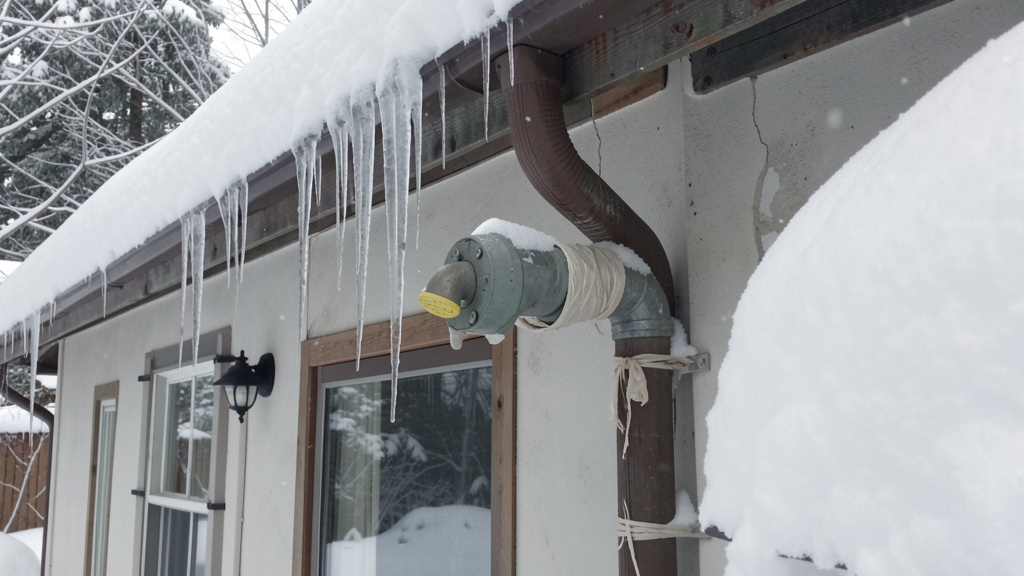
Ice dams typically form when heat escaping through an inadequately insulated attic melts snow on the upper roof. Water flows downward, refreezes at the colder eaves (where insulation is often thinner), and creates a barrier. Subsequent meltwater may pool behind this barrier, potentially seeping under shingles into attics, walls, or ceilings. Prevention is significantly simpler and more economical than repair.
Step-by-Step Protocol:
1. Clear Gutters and Downspouts (Late October): Remove leaves, twigs, and debris. Clogged gutters trap water that freezes, adding structural stress and preventing proper drainage. Use a gutter scoop or gloved hands. For multi-story homes, hire professionals—fall risks aren’t worth the savings. Why critical: Standing water in gutters freezes solid, expanding and potentially damaging gutter attachments.
2. Inspect Roof Surface: From ground level with binoculars (or safely from a ladder), check for:
– Missing, cracked, or curled shingles
– Loose flashing around chimneys, vents, and valleys
– Moss or algae growth (indicates moisture retention)
Common mistake: Walking on a cold, brittle roof. Asphalt shingles become fragile below 40°F (4°C).
3. Install Heat Cables (Strategic Placement): For homes historically prone to ice dams, install self-regulating heat cables in a zigzag pattern along the eaves and inside downspouts before first snow. These activate only when temperatures approach freezing and moisture is present. Budget alternative: Temporary heat tape (less efficient, requires monitoring). Critical nuance: Heat cables address symptoms; they don’t replace proper attic insulation and ventilation.
4. Verify Attic Ventilation: Adequate airflow helps maintain a uniformly cold roof deck, reducing uneven snow melt. Check soffit vents aren’t blocked by insulation. Install baffles (rafter vents) if needed to maintain a consistent air channel from soffit to ridge. Real-world insight: Homeowners in cold-climate regions have reported significantly reduced ice dam recurrence after improving attic ventilation and clearing soffit blockages—sometimes eliminating the need for heat cables.
5. Emergency Ice Dam Response: If an ice dam forms:
– Do NOT chip ice with axes or hammers (damages shingles)
– Do NOT use rock salt (corrodes gutters, harms vegetation)
– Do: Fill a nylon stocking with calcium chloride ice melt, place it vertically across the ice dam to create a drainage channel. Monitor closely.
Material Considerations: Ice Melt Products for Roof Use
| Product Type | Best For | Considerations | Environmental Note |
|————–|———-|—————-|———————|
| Calcium Chloride | Very cold conditions | Works at lower temperatures | Less plant-toxic than sodium chloride |
| Magnesium Chloride | Pet-accessible areas | Generally gentler on surfaces | Biodegradable, lower corrosion risk |
| Roof Melt Tablets | Targeted dam channels | Pre-measured application | Reduces risk of over-application |
| Rock Salt (Sodium Chloride) | Driveways/walkways ONLY | Avoid near roofs, plants, pets | Highly corrosive, harmful to vegetation |
Windows and Doors: Sealing the Weak Points
Windows and doors account for a significant portion of a home’s heat loss. Drafts aren’t just uncomfortable—they force heating systems to work harder. Modern solutions extend far beyond temporary plastic film.
Comprehensive Weatherization Protocol:
1. Identify Draft Sources (The Candle Test): On a windy day, hold a lit candle near window/door edges. Flickering flame reveals air leaks. Mark spots with painter’s tape. Why this works: Visualizing invisible airflow targets efforts precisely.
2. Choose Weatherstripping by Application:
– Double-Hung Windows: V-strip (tension seal) for sashes; adhesive-backed foam tape for meeting rails.
– Casement/Awning Windows: Kerf-mounted pile weatherstripping (brush-like fibers) compresses tightly when closed.
– Exterior Doors: Install a door sweep (adjustable bronze or vinyl) AND threshold seal. Replace worn kerf seals on door edges.
– Sliding Glass Doors: Apply foam tape to the stationary panel track; use a compression seal on the moving panel.
Common mistake: Over-compressing weatherstripping. It should seal snugly without making windows/doors difficult to operate. Test closure resistance before final installation.
3. Caulk Stationary Gaps: Use paintable silicone-acrylic caulk for gaps between window/door frames and siding (exterior) or trim (interior). Cut nozzle at 45° for precise bead. Tool with a damp finger for smooth finish. Critical timing: Caulk when temperatures are above 40°F (4°C) for proper adhesion.
4. Upgrade Glazing Strategically:
– Budget: Apply low-emissivity (low-e) window film. It reflects interior heat back into the room while allowing solar gain. Install on south-facing windows for passive heating benefit.
– Mid-Range: Add interior storm panels (acrylic or glass) with magnetic seals. Preserves views better than plastic shrink film.
– Long-Term: Consider replacing single-pane windows with double-pane low-e units where budget and condition allow. Energy savings vary by climate and usage.
5. Door-Specific Tactics:
– Install a door snake (draft stopper) at the base of frequently used interior doors leading to unheated spaces (garage, basement).
– For mail slots: Install an interior cover with magnetic closure.
– For keyholes: Use a simple brass cover that flips open when needed.
Observed impact: After comprehensive weatherstripping, many homeowners report noticeably improved comfort near previously drafty windows and measurable reductions in heating fuel consumption over the season.
Foundation and Exterior Walls: Blocking Cold Infiltration
Cold air infiltrates through foundation cracks, utility penetrations, and poorly insulated rim joists (where floor framing meets foundation). This “stack effect” pulls frigid air upward through the house, chilling floors and increasing heating demands.
Foundation Defense Protocol:
1. Inspect Exterior Foundation (Dry Day): Walk perimeter with a flashlight. Look for:
– Cracks wider than 1/8 inch (3mm)
– Gaps around utility lines (gas, water, electrical)
– Efflorescence (white chalky deposits indicating moisture movement)
2. Seal Cracks Appropriately:
– Hairline cracks (<1/8″): Use concrete-compatible acrylic caulk.
– Medium cracks (1/8″–1/2″): Chisel crack into inverted “V” shape, fill with hydraulic cement (expands as it cures).
– Large cracks or shifting: Consult a structural professional. Do not attempt major structural repairs without expertise.
3. Seal Utility Penetrations: Pack gaps around pipes/wires with steel wool (rodent deterrent), then seal exterior with polyurethane foam sealant. Critical safety note: Use minimal expanding foam near gas lines—excessive expansion can stress connections.
4. Insulate Rim Joists (Basement/Crawlspace): This is often among the most impactful insulation upgrades for cold floors.
– Ideal method: Cut rigid foam board (XPS or polyiso) to fit between floor joists. Seal edges with canned foam. Cover with fire-rated drywall if accessible.
– Budget method: Apply closed-cell spray foam in a 2–3 inch layer (hire certified installer for safety and effectiveness).
– Avoid: Fiberglass batts alone—they can absorb moisture and lose effectiveness when compressed or damp.
5. Exterior Wall Assessment: While major wall insulation typically requires professionals, check for:
– Missing siding pieces
– Deteriorated sealant around windows/doors
– Vegetation touching walls (traps moisture)
Important distinction: A homeowner in a cold region installed fiberglass insulation into rim joist cavities without first air-sealing. Winter humidity condensed on the cold foundation wall behind the insulation, leading to mold growth discovered during spring cleanup. Proper air sealing before adding insulation helps prevent this common issue.
Pillar 2: Secure Critical Systems — Plumbing, HVAC, and Electrical
Mechanical systems face significant stress during cold periods. Proactive maintenance is a form of risk management that supports reliability and safety.
Plumbing: Avoiding Frozen Pipe Concerns
Water expands when frozen. This expansion can generate substantial pressure within pipes. Vulnerable pipes commonly include those:
– Running along exterior walls
– Located in unheated spaces (garages, crawlspaces, attics)
– Inside kitchen/bathroom cabinets against outside walls
– Supply lines to outdoor faucets
Step-by-Step Freeze Prevention Protocol:
1. Identify High-Risk Zones (October):
– Trace pipes in unheated areas with your hand on a cold day. Note spots feeling significantly colder.
– Check under sinks on exterior walls—common vulnerability points.
2. Insulate Exposed Pipes:
– Ideal: Pre-slit foam pipe insulation sleeves (1/2″ wall thickness). Secure seams with foil tape (not duct tape—it degrades in cold).
– Budget: Wrap pipes with old towels or rags, secured with twine. Less effective but better than nothing.
– Critical zones: Insulate both hot and cold lines. Hot water pipes can freeze under certain conditions due to convection currents.
3. Install Frost-Proof Outdoor Faucets (Before First Freeze):
– Standard sillcocks have the valve seat at the exterior wall. Water trapped in the spout can freeze and damage the faucet.
– Frost-proof faucets position the valve seat inside the conditioned space (typically 10–12 inches back). When shut off, water drains from the spout.
– Installation tip: Angle the faucet slightly downward for complete drainage. Hire a plumber if unfamiliar with the process.
4. Disconnect and Drain Hoses: Remove garden hoses from outdoor faucets. Open faucet briefly to drain residual water from the spout. Why critical: A connected hose traps water in the faucet body, creating a freeze risk.
5. Thermostat Strategy During Absence:
– Never set below 55°F (13°C).
– Recommended: 60–65°F (15–18°C) with cabinet doors open under sinks on exterior walls.
– Smart enhancement: Wi-Fi thermostats with freeze alerts can provide notifications if temperatures drop unexpectedly.
6. Emergency Protocol: If Pipes Freeze
– Step 1: Shut off main water supply immediately.
– Step 2: Open faucet connected to frozen pipe to relieve pressure and allow steam escape.
– Step 3: Apply heat slowly starting near the faucet and moving toward the blockage:
– Electric heating pad wrapped around pipe
– Hair dryer (keep moving, avoid melting plastic pipes)
– Towels soaked in hot water
– NEVER use: Open flame, propane torch, or kerosene heater (fire hazard).
– If no water flow after thawing: Contact a plumber. Hidden damage may exist.
Documented observation: During severe cold events, homes maintaining interior temperatures above 55°F with cabinet doors open under exterior-wall sinks have shown notably fewer plumbing incidents compared to homes with lower settings or closed cabinets.
HVAC: Ensuring Reliable, Efficient Heat
Your heating system is central to winter resilience. Unexpected failure during cold weather poses comfort and safety concerns. Annual maintenance is strongly recommended.
Furnace/Boiler Winterization Checklist:
1. Schedule Professional Tune-Up (September): A certified technician should:
– Inspect heat exchanger for cracks (carbon monoxide safety)
– Clean burners and ignition assembly
– Check gas pressure and airflow
– Test safety controls and limit switches
– Lubricate motors (if applicable)
– Documentation tip: Request a written report. It supports warranty claims and identifies emerging issues.
2. DIY Filter Replacement:
– Change filters before heating season begins.
– Check monthly during heavy use. Clogged filters reduce airflow, causing inefficiency and strain.
– Filter guide:
– Fiberglass (1-month): Basic particle capture
– Pleated (3-month): Better allergen reduction (MERV 8–11)
– HEPA-compatible (consult HVAC pro): For specific air quality needs (may restrict airflow in older systems)
3. Thermostat Calibration:
– Place a reliable thermometer next to thermostat.
– Set thermostat to 70°F (21°C). Wait 15 minutes.
– If room temp differs by >2°F (1°C), recalibrate per manufacturer instructions or consider replacement.
4. Vent and Register Management:
– Vacuum dust from supply/return vents.
– Ensure furniture, rugs, or curtains don’t block airflow.
– Critical nuance: Keep all vents open—even in unused rooms. Closing vents increases static pressure, potentially straining the system and contributing to duct leaks.
5. Humidifier Integration (If Equipped):
– Clean reservoir and evaporator pad.
– Set relative humidity between 30–40% when outdoor temps are 20°F (-7°C) or above. Below 20°F, reduce to 25% to minimize window condensation risk.
– Why it matters: Very dry air (below 30% RH) may feel colder, increase static shocks, dry skin/respiratory passages, and affect wood furnishings.
Heat Pump Specifics:
– Clear snow/ice from outdoor unit gently with a broom (never kick or use sharp tools).
– Ensure 2-foot clearance around unit for airflow.
– Understand “emergency heat” mode: Activates less efficient resistance heating. Use only if outdoor unit is buried or malfunctioning.
Preventive perspective: Investing in annual professional maintenance helps avoid mid-winter system failures that often require urgent, costly repairs.
Electrical Safety: Outdoor and Backup Power Considerations
Winter increases electrical load (space heaters, holiday lights) while introducing unique hazards like ice-laden branches on power lines.
Critical Electrical Protocols:
1. Outdoor Outlet Safety:
– Verify all exterior outlets are GFCI (Ground Fault Circuit Interrupter) protected. Test monthly by pressing “TEST” then “RESET.”
– Use weatherproof covers rated for “in-use” protection (bubble covers that close over plugged-in cords).
2. Space Heater Safety (Non-Negotiable Rules):
– Maintain 3-foot clearance from anything flammable (curtains, furniture, bedding).
– Plug directly into wall outlet—never extension cords or power strips (overheating risk).
– Choose models with tip-over switch and overheat protection.
– Turn off when leaving room or sleeping.
– Safety context: Space heaters are associated with a significant portion of home heating fires, most involving improper placement near combustibles.
3. Generator Safety (If Applicable):
– NEVER operate indoors, in garages, or near windows. Carbon monoxide is odorless and fatal.
– Place generator at least 20 feet from house, downwind from windows/doors.
– Use heavy-duty, outdoor-rated extension cords (check wattage ratings).
– Install carbon monoxide detectors on every level of your home. Test monthly.
4. Holiday Light Safety:
– Use LED lights (run cooler, use less energy).
– Check for frayed wires or cracked sockets before hanging.
– Use clips—not nails or staples—to avoid wire damage.
– Plug into GFCI outlets. Use timers to avoid extended unattended operation.
Critical reminder: During a winter storm outage, a family’s CO detectors alerted them to dangerous levels after a generator was mistakenly operated too close to the home. This underscores why detector placement and strict generator protocols are non-negotiable.
Pillar 3: Optimize Living Spaces — Interior Comfort and Safety
Interior preparation balances thermal comfort, air quality, and safety. It transforms your home from merely heated to genuinely nurturing during dark, cold months.
Attic and Insulation: Trapping Heat Where It Belongs
Heat rises. An under-insulated attic allows conditioned air to escape. The U.S. Department of Energy provides regional insulation recommendations; many older homes fall below current guidelines.
Attic Assessment and Upgrade Protocol:
1. Measure Existing Insulation:
– Push a ruler vertically into insulation until it hits the attic floor.
– Note depth. Multiply by approximate R-value per inch:
– Fiberglass batts: R-3.1 to R-3.4 per inch
– Cellulose: R-3.2 to R-3.8 per inch
– Spray foam: R-6 to R-7 per inch
– Example: 10 inches of fiberglass ≈ R-32. Compare to current DOE recommendations for your climate zone.
2. Seal Air Leaks FIRST:
– Locate gaps around:
– Recessed “can” lights (install ICAT-rated covers if needed)
– Attic hatch/access door (add weatherstripping and rigid foam board)
– Plumbing vents, chimneys, ductwork
– Seal with fire-rated caulk or expanding foam rated for high temperatures near chimneys.
– Why sequence matters: Adding insulation over unsealed air leaks traps conditioned air in the attic, reducing efficiency and potentially causing moisture issues.
3. Add Insulation Strategically:
– Ideal: Hire professionals for blown-in cellulose or fiberglass. They achieve uniform coverage and proper density.
– DIY option: Lay unfaced fiberglass batts perpendicular to existing joists to avoid compressing old insulation. Wear full PPE (respirator, goggles, gloves).
– Critical caution: Maintain required clearance around recessed lights and chimneys unless fixtures are rated for direct insulation contact.
4. Verify Ventilation Balance:
– Net free vent area guidelines exist (e.g., 1 sq ft per 300 sq ft of attic floor space).
– Ensure soffit vents aren’t blocked by insulation (install baffles).
– Consequence of imbalance: Too little ventilation may contribute to moisture buildup and ice dams. Too much may increase heat loss.
Reported outcome: After sealing attic leaks and adding insulation to recommended levels, homeowners in cold regions frequently report improved comfort on upper floors and reduced heating fuel usage.
Basement and Crawl Space: Managing Moisture and Cold
Cold basements chill upper floors via conduction and convection. Moisture exacerbates discomfort and risks.
Basement/Crawlspace Winterization:
1. Inspect for Moisture Signs:
– Musty odors
– Efflorescence on walls
– Condensation on pipes or ducts
– Peeling paint or warped wood
2. Address Sources:
– Extend downspouts 5–6 feet from foundation.
– Regrade soil to slope away from house (6 inches over 10 feet).
– Install interior French drain with sump pump if chronic seepage exists.
3. Insulate Rim Joists: (See Pillar 1 section) This is often the highest-impact basement upgrade for floor warmth.
4. Manage Humidity:
– Run dehumidifier until relative humidity stays below 50%.
– Seal concrete floors with vapor barrier paint if moisture wicks upward.
5. Crawlspace Specifics:
– Traditional vented crawlspaces: Close vents when outdoor temps drop below 40°F (4°C) in cold climates (per Building Science Corporation research). Install rigid foam board over vents.
– Conditioned crawlspaces: Ensure walls are insulated, vapor barrier covers soil, and space is included in home’s thermal envelope.
Important clarification: A homeowner in a northern state left crawlspace vents open all winter, believing “ventilation prevents moisture.” Result: Frozen water pipes in the crawlspace and higher heating bills due to cold air infiltration. Modern building science supports closing vents in freezing climates for unconditioned crawlspaces.
Interior Airflow and Humidity: Balancing Comfort and Health
Dry winter air (often 10–20% relative humidity) may cause discomfort and material stress. Over-humidifying can cause window condensation and mold concerns.
Optimal Indoor Environment Protocol:
1. Monitor Relentlessly:
– Place hygrometers in main living area and bedroom.
– Ideal winter range: 30–40% RH when outdoor temps are above 20°F (-7°C). Below 20°F, reduce to 25% to minimize interior window condensation risk.
2. Humidification Methods:
– Whole-house: Integrated with HVAC system. Most efficient but requires professional installation.
– Portable: Cool-mist ultrasonic or evaporative models. Place in central location. Clean tank weekly with vinegar to prevent microbial growth.
– Passive: Place water-filled trays near heat sources; hang dry laundry indoors.
3. Air Circulation Tactics:
– Run ceiling fans on low, reverse direction (clockwise in Northern Hemisphere). This gently pushes warm air trapped at ceiling down walls without creating drafts.
– Keep interior doors open when possible to balance temperatures.
4. Window Condensation Response:
– Cause: Warm, moist indoor air contacting cold glass.
– Immediate fix: Wipe moisture with microfiber cloth; increase ventilation (briefly open window).
– Long-term: Improve window insulation (storm panels), adjust indoor humidity, or add exterior storm windows.
– Red flag: Condensation between double-pane windows indicates seal failure—requires professional assessment.
Health context: Research in environmental health journals suggests maintaining indoor humidity around 40% may support respiratory comfort during cold months, though individual needs vary.
Pillar 4: Protect Your Entire Property — Garden, Driveway, and Vehicles
Winterization extends beyond your front door. Landscaping, hardscapes, and vehicles require targeted strategies to survive freeze-thaw cycles and operational demands.
Garden and Landscaping: Shielding Plants and Hardscapes
Plants face challenges from desiccation (winter drying), root freeze, and physical damage from ice/snow. Preparation begins in autumn.
Comprehensive Garden Winterization:
1. Final Lawn Care (Late Fall):
– Mow to 2–2.5 inches before snow cover. Longer grass may mat under snow, promoting fungal issues.
– Apply winterizer fertilizer (higher potassium, lower nitrogen) to support root health without encouraging tender growth.
– Aerate compacted soil to improve water infiltration before ground freezes.
2. Perennial Bed Protection:
– After first hard frost (soil temp <40°F/4°C): Cut back dead foliage of disease-prone plants (peonies, phlox). Leave seed heads on coneflowers, sedum for birds.
– Apply 3–4 inches of mulch (shredded bark, straw, leaves) after ground freezes. Why timing matters: Mulching too early may trap soil warmth, delaying dormancy and inviting rodent activity.
– Exception: Some tender perennials benefit from pre-freeze mulching. Research species-specific needs.
3. Tree and Shrub Care:
– Wrap young tree trunks (under 5 years) with white corrugated tree guards. Helps prevent southwest injury (sunscald) where daytime sun heats bark, then rapid freezing at night causes cracks.
– Water deeply before ground freezes, especially evergreens (they lose moisture through needles all winter).
– Tie multi-stemmed shrubs (arborvitae, juniper) with soft twine to prevent snow-load splitting.
4. Rose Winterization (Zone 6 and Colder):
– After several hard frosts, mound soil 10–12 inches high over graft union (bud union).
– Add straw or mulch over soil mound.
– Alternative: Use rose cones (ventilated plastic covers) in extremely cold zones.
5. Potted Plant Protocol:
– Hardy plants (appropriate for your zone): Bury pots in ground; mulch heavily.
– Marginally hardy: Move to unheated garage or shed. Water sparingly monthly.
– Tender plants (citrus, figs): Bring indoors before first frost. Acclimate gradually to lower light.
6. Irrigation System Blow-Out:
– Hire irrigation professional to blow out lines with compressed air before first freeze.
– DIY risk: Incomplete blow-out leaves water in low spots that freezes and cracks pipes/valves. Not recommended unless experienced.
– Shut off interior water supply to system; drain backflow preventer.
Critical nuance: “Hardiness zone” indicates minimum temperature survival, not complete winter preparation needs. Microclimates (south-facing walls, wind exposure) significantly affect plant vulnerability. Observe your property’s unique patterns.
Driveway and Walkways: Preventing Ice Hazards
Slip-and-fall incidents become more common in winter. Effective ice management balances safety, surface preservation, and environmental considerations.
Proactive Hardscape Protocol:
1. Pre-Winter Repair (September–October):
– Seal cracks in asphalt/concrete with appropriate filler. Water seeps in, freezes, expands, and widens cracks—a destructive cycle.
– Asphalt: Use rubberized crack filler.
– Concrete: Use polyurethane or silicone-based sealant.
– Critical timing: Seal when temps are 50–90°F (10–32°C) for proper adhesion.
2. Ice Melt Strategy:
– Pre-treatment: Apply ice melt before snow starts. Creates a brine layer that prevents snow/ice bonding to surface. Far more effective than post-storm application.
– Product selection guide:
| Product | Effective Temp Range | Concrete Safety | Pet Safety | Best Use Case |
|———|———————-|—————–|————|—————|
| Calcium Chloride | Very low temps | Safe on cured concrete | Moderate (can irritate paws) | Extreme cold, quick action |
| Magnesium Chloride | Low temps | Very safe | High (less irritating) | Pet areas, eco-conscious |
| Potassium Chloride | Mild cold | Safe | High | Mild conditions, fertilizer benefit |
| Rock Salt (NaCl) | Moderate cold | Damages new concrete | Low (toxic, irritant) | Budget option on old asphalt |
– Application rate: Follow product instructions. Over-application wastes product and increases environmental impact.
3. Shoveling Technique:
– Clear snow before it compacts or melts/refreezes.
– Push snow (don’t lift) to reduce back strain.
– Leave thin layer on concrete to avoid scraping surface.
4. Traction Aids:
– Keep bag of non-clumping clay-based kitty litter or sand near door. Sprinkle on icy patches for immediate traction (won’t melt ice but prevents slips).
– Avoid: Ashes—they stain surfaces and wash into storm drains.
Practical insight: Property managers in snowy regions report fewer slip incidents when walkways are pre-treated with appropriate ice melt before snowfall begins—demonstrating the value of proactive measures.
Vehicle Winterization: Beyond the Obvious Checklist
Your vehicle faces unique cold-weather stresses: battery performance, fluid viscosity, tire pressure changes, and visibility challenges.
Comprehensive Vehicle Protocol:
1. Battery Health Check:
– Cold reduces cranking power significantly.
– Test voltage (should be 12.6V+ when engine off).
– Clean corrosion from terminals with baking soda/water mix and wire brush.
– Critical: If battery is over 3 years old, have load-tested. Replace proactively if marginal.
2. Fluids Assessment:
– Antifreeze/Coolant: Test freeze point with refractometer or test strips. Should protect to temperatures well below your region’s historical lows. Flush/replace if old or contaminated.
– Windshield Washer Fluid: Switch to winter-rated fluid. Never use water—it freezes and can damage reservoir/pump.
– Oil: Consult manual. Many modern engines use multi-weight oils year-round, but verify suitability for expected temperatures.
3. Tire Strategy:
– Check pressure weekly (drops 1–2 PSI per 10°F drop in temp). Inflate to door-jamb specification when cold.
– All-Season Tires: Adequate for mild winters but lose flexibility below 45°F (7°C).
– Winter Tires: Recommended below 45°F. Softer rubber compound and siping (micro-grooves) provide better traction on snow/ice. Install on all four wheels.
– Spare Tire: Check pressure and condition.
4. Wiper System:
– Replace blades with winter-specific “beam” blades (encased frame resists ice buildup).
– Lift blades off windshield during heavy snow to prevent freezing to glass.
5. Emergency Kit Assembly (Store in Trunk):
– Visibility: Ice scraper with brush, microfiber cloths
– Traction: Bag of sand/kitty litter, traction mats
– Safety: Jumper cables, flashlight with extra batteries, reflective triangles
– Survival: Blanket, hand warmers, high-energy snacks, water bottles
– Communication: Portable phone charger, physical map (cell service unreliable)
6. Interior Prep:
– Clean interior windows inside/out to maximize visibility.
– Apply anti-fog treatment to interior glass.
– Keep floor mats clean and dry to prevent slipping while driving.
Seasonal pattern: Roadside assistance data consistently shows increased battery-related service calls during the first sustained cold snaps of winter. Proactive testing prevents stranded emergencies.
When Winterization Isn’t Enough: Emergency Protocols for Extreme Conditions
Even thorough preparation can be challenged by record-breaking cold, prolonged power outages, or equipment failures. These protocols, aligned with FEMA and Red Cross guidance, provide critical response frameworks.
Power Outage Response Protocol
- Immediate Actions:
- Gather household in one interior room (preferably with fireplace if safe to use).
- Close off unused rooms to conserve heat.
- Wear layers (wool/synthetic—avoid cotton next to skin in cold conditions).
- Drink warm fluids (avoid alcohol—it can accelerate heat loss).
- Heat Preservation Tactics:
- Hang blankets over windows at night; open south-facing curtains during daylight.
- Place rolled towels at door bottoms.
- If safe and permitted, use fireplace or wood stove. Ensure chimney is clean and damper open. Never use propane/gas grills, camp stoves, or ovens for heating—carbon monoxide risk is extreme.
- Food Safety:
- Keep refrigerator/freezer closed. A full freezer stays frozen longer (approximately 48 hours if unopened).
- Use coolers with ice for essential perishables if outage extends.
- Generator Use:
- Operate outdoors only, 20+ feet from house, downwind.
- Plug appliances directly into generator or use heavy-duty outdoor cords.
- Never backfeed into home wiring without a transfer switch (electrocution risk to utility workers).
Frozen Pipe Emergency Response
- If you suspect a freeze (reduced water flow):
- Shut off main water supply.
- Open faucet connected to frozen pipe.
- Apply heat slowly starting near faucet (hair dryer, heating pad).
- If no water after thawing, contact a plumber—hidden damage may exist.
- If pipe bursts:
- Shut off main water immediately.
- Turn off electricity if water near outlets/appliances.
- Contact plumber and insurance provider. Document damage with photos.
- Begin water extraction with wet/dry vac to minimize secondary damage.
Extreme Cold Exposure Protocol
- For people: Recognize hypothermia signs (intense shivering, slurred speech, confusion). Move to warm area, remove wet clothing, wrap in blankets. Seek medical help if symptoms are severe.
- For pets: Bring indoors. If outdoor shelter is unavoidable, insulate with straw (not blankets—holds moisture), elevate off ground, and face entrance away from wind. Check water bowls frequently.
- For livestock: Ensure access to unfrozen water (use tank heaters if needed), windbreaks, and adequate bedding. Monitor for frostbite on extremities.
These protocols are critical safety nets when systems are stressed beyond typical conditions. Review them with household members before winter arrives.
Your Questions, Answered
Q: At what temperature should I start worrying about frozen pipes?
A: Pipes become vulnerable when outdoor temperatures remain near or below freezing for extended periods, especially in unheated spaces or against exterior walls. Microclimates matter significantly: a pipe in an uninsulated cabinet on a windy north wall may be at risk at 28°F (-2°C), while one in a heated basement might remain safe at much lower temperatures. When forecasts predict sustained temperatures near or below freezing, implement protective measures for vulnerable lines.
Q: Can I use space heaters to prevent pipes from freezing in an unheated garage?
A: Only with extreme caution and constant supervision. Place heater on non-flammable surface, 3+ feet from anything combustible, plug directly into wall outlet, and use a model with tip-over and overheat protection. Never leave unattended. A safer solution: insulate pipes thoroughly and install a thermostatically controlled heat cable designed for plumbing. For long-term solutions, consider insulating the garage or adding a dedicated, properly vented heat source.
Q: How do I know if my attic insulation is adequate?
A: Measure depth and estimate R-value (see Pillar 3 section). Additionally, perform these checks on a cold, sunny day:
– Feel the ceiling in top-floor rooms. Cold spots may indicate insufficient insulation.
– Check for frost patterns on the roof. Uniform frost coverage often suggests good insulation; bare patches over living areas may indicate heat escaping.
– Look for ice dam formation after snow (see Pillar 1). Their presence can signal heat loss. Professional energy auditors use thermal imaging to identify gaps precisely, but these DIY checks reveal major deficiencies.
Q: Is it better to leave cabinet doors open or closed during cold snaps?
A: Open cabinet doors under sinks located on exterior walls. This allows warmer room air to circulate around pipes. Close doors on cabinets against interior walls to retain heat in living spaces. For maximum effectiveness, combine with a slight faucet drip (pencil-lead thickness stream) on vulnerable lines when temperatures drop significantly.
Q: What’s the most eco-friendly ice melt option?
A: Calcium magnesium acetate (CMA) is generally considered the most environmentally benign—it’s biodegradable, non-corrosive, and minimally impacts soil/water. However, it’s less effective at very low temperatures and more expensive. For practical balance, magnesium chloride offers good performance at low temperatures with lower toxicity to plants and pets than rock salt. Always apply the minimum effective amount, and sweep up residue once ice melts.
Q: Should I run my ceiling fan in winter?
A: Yes—but in reverse direction (clockwise in the Northern Hemisphere) at the lowest speed. This creates an updraft that gently pushes warm air accumulated at the ceiling down along walls without causing a cooling breeze. This can improve comfort and reduce heating demands by addressing temperature stratification.
Q: How often should I check my emergency vehicle kit?
A: Inspect seasonally (before winter and after spring thaw). Verify:
– Hand warmers aren’t expired
– Water bottles aren’t frozen or leaking
– Flashlight batteries work
– Snacks aren’t stale
– Sand/kitty litter bag is full and dry
Replace items as needed. A quick 5-minute check prevents kit failure during actual emergencies.
Q: Can I winterize my irrigation system myself?
A: Only if you have experience with compressed air blow-outs and understand your system’s layout. Incomplete blow-out leaves water in low spots that freezes and cracks pipes, valves, or backflow preventers—costing hundreds to repair. For most homeowners, hiring a certified irrigation technician is a wise investment. They have commercial-grade equipment and expertise to ensure every zone is fully cleared.
Q: Why do my windows fog up on the inside during winter?
A: Interior condensation occurs when warm, moist indoor air contacts cold glass below the dew point. Solutions:
1. Reduce indoor humidity (use exhaust fans when cooking/showering, run dehumidifier).
2. Improve window insulation (add storm panels, apply low-e film).
3. Increase air circulation near windows (ceiling fan on low reverse).
4. Critical: If condensation forms between panes of double-glazed windows, the seal has likely failed—contact a window professional for assessment.
Q: Is it safe to use a generator during a snowstorm?
A: Only with strict protocols:
– Operate outdoors, minimum 20 feet from house, doors, and windows.
– Position downwind so exhaust blows away from structures.
– Clear snow from generator intake/exhaust vents before starting.
– Never refuel while hot—wait 15+ minutes after shutdown.
– Install battery-operated carbon monoxide detectors on every level of your home and test monthly. Snow can block exhaust paths, increasing CO risk even with proper placement.
Q: How does winter preparation connect to broader home maintenance?
A: Winterization reveals how home systems interconnect. Sealing attic leaks improves summer cooling efficiency. Proper drainage protects foundations year-round. Understanding heat flow informs smarter renovations. This seasonal practice cultivates ongoing home stewardship—each action builds knowledge applicable far beyond winter.
Q: What if I can only complete a few winterization tasks this year?
A: Focus on high-impact, low-cost actions first:
1. Locate and test your main water shut-off valve
2. Seal obvious drafts around windows and doors
3. Insulate exposed pipes in unheated spaces
4. Schedule HVAC maintenance
5. Assemble a basic emergency kit
Progress compounds. Completing these creates momentum for deeper preparation next season.
Conclusion and Your 24-Hour Action Plan
Winter preparation is not a single task but a layered philosophy of stewardship. By fortifying your home’s envelope, securing critical systems, optimizing living spaces, and protecting your entire property, you transform seasonal vulnerability into enduring resilience. The four-pillar framework ensures no critical zone is overlooked, while science-informed protocols replace uncertainty with confidence. Remember: the goal isn’t perfection—it’s meaningful progress. Each sealed draft, insulated pipe, and mulched garden bed compounds into profound protection.
Recap: The Three Foundational Priorities
1. Envelope Integrity: Seal air leaks and address attic/rim joist insulation first—they typically deliver the most noticeable improvements in comfort and efficiency.
2. System Vigilance: Annual HVAC maintenance and plumbing freeze protocols prevent disruptive, costly failures.
3. Emergency Readiness: Power outage and extreme cold protocols protect what matters most—your household’s safety and well-being.
The 24-Hour Rule: Within the next 24 hours, complete this single, critical action: Locate your home’s main water shut-off valve, ensure every household member over age 12 knows its location and how to operate it, and verify it turns smoothly. This takes less than 10 minutes but can prevent significant water damage if a pipe issue occurs. Mark the valve with bright tape for visibility. This tiny act embodies the entire philosophy of winter preparation: proactive, simple, and profoundly impactful.
The Big Picture: Winter preparation cultivates a deeper relationship with your home and property. It teaches you how heat flows, how materials respond to environmental stress, and how small, consistent actions create outsized security. This knowledge extends beyond winter—it informs smarter renovations, energy choices, and emergency planning year-round. You’re not just weatherizing a structure; you’re building competence, confidence, and calm in the face of nature’s rhythms.
As snow blankets the landscape, you’ll rest easier knowing your home is a sanctuary of warmth, safety, and intentionality. The effort invested today echoes through every cozy evening, every protected plant awaiting spring, and every avoided emergency. Winter isn’t an adversary to endure—it’s a season to meet with wisdom, readiness, and grace.
Explore Our Complete System:
How to Insulate Your Attic for Maximum Energy Savings | Emergency Preparedness Kit: 25 Must-Have Items for Winter Storms | DIY Draft Stopper: Sew a Door Snake in 30 Minutes | Understanding Your Home’s R-Value: A Complete Guide | Winter Garden Cleanup: What to Do and What to Leave for Spring | Car Winterization Checklist: From Battery to Tires | Creating a Whole-House Humidity Management Plan | Seasonal Home Maintenance Calendar: Month-by-Month Tasks