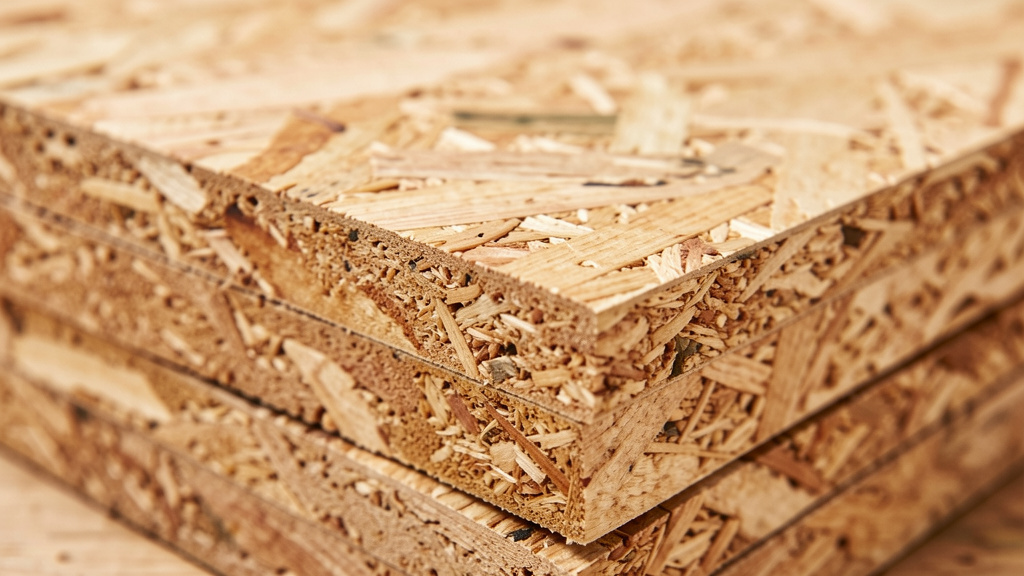
Beyond Marketing Claims: A Science-Grounded Framework for Selecting, Installing, and Maintaining Composite Materials Across Climates, Budgets, and Project Types
Composite materials have transformed residential construction, offering durable alternatives to traditional wood, vinyl, and metal across decking, fencing, siding, and structural applications. Yet the term “composite” encompasses vastly different formulations—each with distinct performance profiles, environmental sensitivities, and installation requirements. This guide translates material science principles, industry testing standards (ASTM, ISO, ICC-ES), and field-validated practices into an actionable decision framework. Whether selecting materials for a humid coastal patio, a freeze-thaw northern fence line, or a low-maintenance urban balcony, you’ll gain clear criteria to align material properties with your project’s specific demands—without overpromising outcomes or relying on unverifiable claims.
Introduction: Why “Composite” Demands Nuanced Understanding
Walking through a home center reveals aisles labeled “composite,” yet these products vary profoundly in composition, performance, and suitability. At its core, a composite combines a polymer matrix (binding agent) with reinforcement fibers (wood, bamboo, mineral, or fiberglass) and performance additives. This engineered synergy creates properties neither component possesses alone—but only when formulation, environment, and installation align.
Consider two real-world scenarios:
– Coastal Deck Challenge: Salt-laden air, intense UV exposure, and humidity accelerate degradation in composites lacking robust capstock protection and corrosion-resistant hardware. Surface mold or fading may appear within seasons if material selection overlooks these stressors.
– Freeze-Thaw Fence Failure: In regions with sub-freezing winters, moisture trapped in micro-pores of poorly formulated composites expands during freezing cycles, causing surface delamination—a documented pattern in forensic analyses of premature failures.
These outcomes rarely stem from inherent material flaws but from mismatches between product capabilities and site-specific demands. This guide establishes a repeatable methodology to evaluate composites across their full lifecycle: formulation transparency, environmental adaptation, installation precision, long-term value, and end-of-life considerations. The goal is not to crown a “best” product, but to equip you with context-aware criteria to select the right solution for your project.
The Triad Selection Framework: Material × Project × Value
Successful composite selection requires balancing three interdependent dimensions. Overemphasizing one (e.g., lowest upfront cost) risks compromising longevity, safety, or satisfaction. This framework, informed by patterns in warranty claim data and installation forensics, provides structured decision pathways.
Layer 1: Decoding Material Composition
Performance originates in formulation. Key components interact dynamically:
Polymer Matrix Variations
– HDPE (High-Density Polyethylene): Common in wood-plastic composites (WPC). Offers flexibility and moisture resistance. Virgin HDPE content correlates with UV stability; recycled content requires robust stabilizers. In high-sunlight zones, verify capstock technology and UV inhibitor systems—generic “UV resistant” claims lack specificity.
– PVC (Polyvinyl Chloride): Used in cellular or solid-core profiles. Near-zero moisture absorption benefits humid or coastal settings. Requires heat stabilizers (e.g., calcium-zinc) to prevent embrittlement. Note: PVC typically exhibits higher thermal expansion than HDPE-based WPC—installation must accommodate movement.
– Specialty Polymers: ASA (Acrylonitrile Styrene Acrylate) capstock enhances fade resistance for vibrant colors. Polypropylene (PP) offers higher heat deflection temperatures, relevant near grills or in extreme-heat climates.
Reinforcement Types & Trade-offs
– Wood Flour: Hardwood fibers (oak, maple) generally yield denser boards than softwood. Higher wood content (>60%) increases moisture susceptibility if the polymer matrix is compromised. Particle size consistency and pre-drying (<1% moisture) prevent internal defects.
– Bamboo Flour: Renewable and hard, but requires rigorous sugar removal to deter microbial growth. Long-term field data (20+ years) remains less extensive than traditional WPC.
– Mineral Fillers (Calcium Carbonate, Talc): Reduce cost, improve fire resistance, and lower thermal expansion. However, high mineral content (>30%) may increase brittleness in cold climates—avoid in freeze-thaw zones.
– Fiberglass: Exclusive to structural composites (beams, headers). Requires ICC-ES evaluation reports and engineering validation. Not used in surface applications like decking.
Additives & Protective Systems
– UV Stabilizers: HALS (Hindered Amine Light Stabilizers) and UV absorbers work synergistically. Request accelerated weathering test data (QUV per ASTM G154); ΔE <5.0 after 2,000 hours indicates strong color retention.
– Biocides: Zinc borate inhibits mold/mildew. Verify ASTM G21 or ISO 846 test references for humid climates.
– Capstock Technology: A co-extruded polymer layer (0.5–1.0mm) encapsulates the core, providing moisture barriers, enhanced scratch resistance, and concentrated UV protection. Thickness, polymer quality, and molecular bonding to the core vary significantly between brands. “Capped” alone is insufficient—seek details on capstock composition and adhesion methodology.
The Fundamental Principle: Material performance emerges from the engineered interaction of all components—not isolated percentages. A balanced formulation tailored to environmental stressors outperforms a “premium” ingredient used in isolation.
Layer 2: Project Requirements Mapping
Match material properties to your site’s unique stressors using this diagnostic checklist:
| Stress Factor | Key Questions | Material Considerations |
|---|---|---|
| Solar Exposure | Full sun? High UV index region? | Prioritize ASA capstock; lighter colors reduce heat buildup; verify UV test data |
| Moisture Exposure | Pool proximity? Coastal? Poor drainage? | Fully capped composites or PVC; explicit mold warranty; avoid uncapped WPC |
| Temperature Swings | Extreme highs/lows? Large daily fluctuations? | Check coefficient of thermal expansion (CTE); ensure installation allows movement |
| Load & Traffic | Heavy furniture? Wheelchair access? Snow load? | Confirm flexural strength (ASTM D790); textured surfaces for slip resistance (wet DCOF >0.42) |
| Installation Context | Ground contact? Over concrete? Local codes? | Verify ICC-ES reports for ground contact; slope requirements; joist spacing limits |
Climate-Adaptive Guidance
– Arid/Sunbelt Regions: Lighter colors reflect heat (surface temps 20–30°F cooler than dark boards). Prioritize ASA capstock and high UV stabilizer loads. Ensure substructure ventilation.
– Humid/Tropical Zones: Fully encapsulated capped composites with zinc borate biocides. Textured surfaces critical near water features. Avoid products without specific mold-resistance documentation.
– Cold/Freeze-Thaw Areas: Low moisture absorption (<0.5% per ASTM D570), flexibility at low temperatures. Never install below manufacturer’s minimum temperature (often 40°F/4°C). Increase expansion gaps by 25% in regions with >70°F annual temperature swings.
Application-Specific Priorities
– Decking: Slip resistance (wet conditions), stiffness to prevent deflection, heat management. Hollow-core boards may feel less solid; verify deflection ratings for your joist spacing.
– Fencing: Wind load resistance (solid panels act as sails—consider slatted designs in exposed sites), vertical-installation suitability (some decking profiles warp vertically).
– Siding/Cladding: Dimensional stability, fire rating (ASTM E84 Class A where required), integration with weather-resistive barrier (WRB) and rain-screen principles.
– Structural Elements: Use only composites with explicit ICC-ES reports for load-bearing applications. Never substitute standard decking boards.
Layer 3: True Long-Term Value Assessment
Move beyond sticker price with a holistic value lens:
- Initial Investment: Material, delivery, specialized fasteners/tools.
- Installation Effort: DIY time valuation or contractor quotes. Hidden-clip systems add cost but enhance aesthetics.
- Maintenance Burden:
- Wood: Staining ($0.50–$1.50/sq. ft. every 2–3 years), cleaning, potential repairs.
- Composite: Occasional cleaning ($20–$50/year).
- Replacement Horizon: Factor cost of replacing wood at year 12 vs. composite lasting 25+ years.
- Intangibles: Time saved, consistent appearance, peace of mind, potential property value impact.
Illustrative 20-Year Cost Comparison: 400 sq. ft. Deck in Humid Climate
| Cost Factor | Pressure-Treated Pine | Mid-Tier Capped Composite | Premium Capped Composite |
|—————————-|————————|—————————-|—————————|
| Initial Material | $1,600 | $3,200 | $4,800 |
| Installation (Contractor) | $2,400 | $2,800 | $3,000 |
| Annual Maintenance (Est.) | $150 | $30 | $25 |
| Major Refinish (Year 10) | $1,800 | $0 | $0 |
| 20-Year Total Estimate | ~$8,800 | ~$6,600 | ~$8,300 |
Note: Actual costs vary by region, labor rates, and project specifics. This example illustrates methodology, not guaranteed figures.
– ROI Insight: For homeowners planning <10 years in the property, mid-tier composites often offer optimal balance. For long-term ownership with minimal upkeep priority, premium composites may justify higher initial investment.
– Warranty Scrutiny: Review full terms. Key details: fade/stain coverage thresholds (ΔE values), structural coverage scope, transferability, and exclusions (e.g., improper installation, neglect). Document installation steps meticulously.
Material Categories: Performance Profiles & Selection Criteria
Wood-Plastic Composites (WPC)
- Uncapped (First-Gen): Higher moisture absorption (1–3%), susceptible to surface mold/fading. Rarely recommended for new installations where capped alternatives exist at similar price points.
- Capped (Second-Gen+): Core (wood flour + HDPE) + polymer capstock. Near-zero surface moisture absorption, enhanced fade/stain resistance. Verify:
- Full four-sided capping (edges matter)
- Capstock thickness and bonding method
- Accelerated weathering test reports
- Physical sample test: Water should bead instantly on quality capstock
Bamboo-Plastic Composites (BPC)
Leverages bamboo’s renewability but requires scrutiny:
– Verify sustainable sourcing certifications (FSC, PEFC)
– Confirm sugar-removal processing to prevent microbial attraction
– Assess manufacturer transparency on recycled polymer content and energy use
– Exercise caution in high-moisture/extreme-UV settings until long-term data matures
PVC Composites (Cellular or Solid)
- Composition: Primarily PVC resin + stabilizers + titanium dioxide. Zero organic content.
- Strengths: Absolute moisture immunity, consistent color (scratches less visible), paintable surface.
- Considerations: Higher thermal expansion requires precise gap planning; may feel less “natural” underfoot.
- Critical for Installation: Follow manufacturer expansion gap specs exactly. Use stainless steel fasteners. Verify joist spacing requirements (often 12″ OC max). Ideal for coastal zones, pool surrounds, trim.
Fiberglass-Reinforced Polymer (FRP) Lumber
- Purpose-Built: Structural applications only (marine docks, boardwalks, seismic retrofitting).
- Validation Essential: Requires ICC-ES report with span tables and fastening specs. Consult a structural engineer for critical loads.
- Installation: Carbide/diamond blades for cutting; pre-drill all holes; stainless steel hardware per engineering specs.
Mineral-Filled Composites
- Profile: High mineral content (30–60%) in polymer matrix.
- Best For: Fire-prone zones (verify ASTM E84 Class A acceptance), soffits, fascia in dry climates.
- Limitation: Increased brittleness below freezing—avoid in freeze-thaw regions or high-impact applications.
Emerging Innovations: Informed Perspective
- Bio-Based Polymers: Often blended (e.g., 30% castor bean-derived). Verify third-party certifications (USDA BioPreferred) and weathering data. Pure bio-polymers rarely meet exterior durability standards today.
- Chemical Recycling: Depolymerization shows promise for circularity but remains limited at commercial scale.
- Selection Wisdom: For novel materials, request independent test data, review warranty coverage specifics, and consider small-scale pilot projects before full commitment. Established formulations with documented field performance often provide more predictable outcomes.
Application Guides: Climate-Adaptive Execution
Decking: Substructure & Thermal Management
- Framing: Pressure-treated pine (ground-contact rated if <6″ from soil), composite framing (rot-immune), or steel (precision-focused). Allow PT lumber to dry 60–90 days pre-installation.
- Slope & Ventilation: Minimum 1/8″ per foot slope away from structure. Maintain ≥12″ under-deck clearance (18″ ideal); use pedestal systems over concrete with airflow channels.
- Board Layout:
- Light colors for sun-drenched areas (reduce heat retention)
- Stagger end joints ≥16″ on adjacent rows
- For diagonal patterns: reduce joist spacing to 12″ OC
- Installation Protocol:
- Acclimate boards 48–72 hours onsite (flat, covered, elevated)
- Set expansion gaps per manufacturer specs—adjust upward in extreme climates
- Use composite-specific fasteners (stainless steel; 316-grade for coastal)
- Cut with carbide-tipped blades (40+ teeth); support boards fully during cuts
- Final inspection: verify gaps, fastener flushness, slope integrity
Climate-Specific Notes:
– Coastal: 316 stainless hardware; lighter colors; slope directing water from foundation
– High Humidity: Maximize ventilation; avoid solid skirting that traps moisture
– Heavy Snow: Confirm snow load rating; avoid complex patterns trapping snow
– Extreme Heat: Light colors; verify heat deflection temperature (HDT); ensure airflow
Fencing & Railings: Wind Load & Safety
- Panels: Solid panels require internal bracing in high-wind zones (>90 mph design speed); consider wind-permeable designs for exposed sites.
- Posts: Composite posts require post-anchor brackets above concrete footers (never set directly in concrete). Steel posts offer maximum strength for gate posts.
- Railings:
- Verify IRC compliance: height (36″/42″), baluster spacing (<4″ gap), load capacity (200 lbs)
- Use manufacturer structural brackets at post-rail connections—never rely solely on screws
- Pre-assemble sections on deck surface for accuracy before mounting
- Include expansion gaps at rail ends
Siding & Cladding: Moisture Management Integration
- Install high-quality WRB (e.g., drainable housewrap)
- Add vertical furring strips (1×3) to create rain-screen gap (critical in humid climates)
- Use corrosion-resistant nails; leave 1/16″ gap between nail head and siding for thermal movement
- Maintain 1/4″ expansion gaps at corners, windows, doors
- Seal joints with polyurethane caulk (avoid silicone)
Climate Adaptation: Lighter colors reduce wall-surface heat gain; additional fasteners in high-wind zones; adequate roof overhang (≥12″) protects siding.
Smaller Projects: Planters, Furniture, Structures
- Planters/Raised Beds: Line interior with food-safe pond liner. Drill drainage holes pre-assembly. Use stainless hardware. Constant soil contact may degrade polymer over many years.
- Pergolas/Arbors: Verify structural ratings for span and snow load. Hidden structural brackets at connections. Consult engineer for large spans.
- Retaining Walls: Use only systems explicitly engineered and rated for soil retention (interlocking blocks with geogrid). Never substitute standard decking boards.
Maintenance & Troubleshooting: Sustainable Care
Routine Cleaning Protocol
- Frequency: Sweep debris weekly during high-fall seasons; full clean 1–2x yearly.
- Solutions:
- General: Warm water + mild dish soap + soft nylon brush
- Mold/Mildew: Oxygen bleach solution (e.g., OxiClean™); never chlorine bleach
- Oil/Grease: Composite-specific degreaser or diluted Simple Green®
- Pressure Washing: ≤1,500 PSI max; wide fan tip (40°); 12+ inches from surface; spray with grain direction. Many warranties exclude damage from improper pressure washing.
- Tools: Soft/medium nylon brushes only. Wire brushes cause permanent capstock damage.
Seasonal Checklist
- Spring: Post-winter clean; inspect fasteners, drainage paths, structural integrity
- Summer: Prompt spill cleanup; monitor for heat-related expansion issues
- Fall: Frequent leaf removal; pre-winter deep clean
- Winter: Plastic shovel only; avoid calcium chloride ice melt (use magnesium chloride-based or sand)
Issue Resolution Guide
| Issue | Action | Prevention |
|---|---|---|
| Surface Mold | Oxygen bleach solution; gentle scrub; rinse thoroughly | Ensure ventilation; remove debris weekly |
| Tannin Stains | Oxygen bleach or composite cleaner; test in hidden area first | Trim overhanging branches |
| Light Scratches | Often fade with weathering; gentle rub with 0000 steel wool with grain | Use furniture pads; lift (don’t drag) items |
| Deep Gouges | Color-matched repair kit for small areas; board replacement for large | Place grills on non-combustible mats |
| Buckling | Usually from insufficient expansion gaps; requires board replacement | Follow gap specs precisely; adjust for climate |
Warranty Navigation
- Register promptly post-installation (required by many manufacturers)
- Document thoroughly: Keep receipts, installation photos, maintenance records
- Understand coverage types:
- Fade/Stain: “Limited” vs. “Full” coverage thresholds vary significantly
- Structural: Typically longest term (25–50 years); covers splintering, rot, insect damage
- Common exclusions: Improper installation, chemical damage, neglect, acts of nature
- Claim process: Contact manufacturer directly with documentation; request specific denial rationale if denied
Environmental Context: Lifecycle Perspective
Balanced Lifecycle Assessment
- Raw Materials: Wood flour often utilizes sawmill byproducts; recycled plastics (PCR) divert waste. Verify FSC/SFI certification for wood content and PCR percentages. Virgin polymers remain necessary for performance-critical layers.
- Manufacturing: Energy-intensive extrusion. Seek manufacturers publishing sustainability reports or ISO 14001 certification. Regional sourcing reduces transport emissions.
- Use Phase Advantage: Minimal maintenance (soap/water vs. chemical stains for wood) reduces long-term environmental burden. A 30-year composite deck avoids replacement impacts of shorter-lived alternatives.
- End-of-Life: Most composites go to landfill (inert but non-biodegradable). Specialized recyclers exist (e.g., product-specific take-back programs); inquire pre-purchase. Chemical recycling innovations are emerging but not yet widespread.
Certification Literacy
Prioritize third-party verified claims:
– EPD (Environmental Product Declaration): Quantifies carbon footprint, water use across lifecycle
– Declare Label: Discloses ingredients down to 100 ppm; identifies Red List chemicals
– GREENGUARD Gold: Low chemical emissions (relevant for interior applications)
– SCS Recycled Content: Verifies pre/post-consumer recycled percentages
– Avoid: Vague terms like “eco-friendly” or “green” without specific certification
Practical Sustainability Framework
- Prioritize longevity—longest-lasting material with lowest maintenance often has lowest lifetime impact
- Maximize verified recycled content (ask for percentages)
- Source regionally when feasible to reduce transport emissions
- Right-size your project—optimize design for actual need
- Plan for disassembly: Hidden fasteners facilitate future board removal/recycling
- Support manufacturers transparent about ingredients and lifecycle data
Conclusion: Confident, Context-Aware Decisions
Selecting composite materials need not be overwhelming. By applying the Triad Framework—evaluating material composition against your project’s environmental demands and true long-term value—you shift from passive consumer to informed decision-maker. Success hinges on three pillars:
1. Precision in Selection: Match formulation strengths to site-specific stressors (UV, moisture, temperature).
2. Respect for Installation Physics: Honor thermal movement, slope requirements, and manufacturer protocols—installation quality directly determines performance.
3. Realistic Value Perspective: Factor maintenance effort, warranty scope, and lifecycle impact alongside initial cost.
The 24-Hour Action Step
Within the next day, complete this single task: Sketch your project area and note three environmental factors (e.g., “south-facing, afternoon sun,” “drains toward house,” “heavy oak tree overhead”). This concrete starting point anchors all subsequent material research in your reality—not generic recommendations.
The Bigger Picture
Thoughtful material selection extends beyond aesthetics or cost. It reflects stewardship of your home, your time, and shared resources. Choosing a composite that performs reliably for decades reduces waste, conserves maintenance resources, and enhances daily living. This guide empowers you to make choices aligned with your values, climate, and long-term vision—transforming material science into lasting peace of mind.
Your Questions, Answered
Q: What’s the most critical difference between capped and uncapped composite decking?
A: Capped composites feature a co-extruded polymer layer encapsulating the core, providing superior resistance to moisture ingress, stains, scratches, and UV fading. Uncapped composites expose the wood-plastic core, making them more susceptible to surface mold in humid conditions and faster color degradation. For most residential applications today, capped composites offer significantly enhanced longevity.
Q: Can composite materials be used near saltwater pools or oceanfront properties?
A: Yes, but selection and hardware matter critically. Choose fully capped composites or PVC profiles explicitly rated for salt-air exposure. Pair with 316-grade stainless steel fasteners (304-grade may corrode in salt environments). Prioritize lighter colors to minimize heat absorption on pool decks. Verify manufacturer warranties include salt-air coverage.
Q: How do I verify a composite product’s slip resistance for wet areas?
A: Request the product’s wet dynamic coefficient of friction (DCOF) rating per ANSI A137.1. For exterior horizontal surfaces like decks or pool surrounds, a wet DCOF ≥0.42 is generally recommended for safety. Many premium composites incorporate micro-texturing or ceramic particles in the capstock to enhance grip—ask for test data specific to wet conditions.
Q: Are composites truly maintenance-free?
A: No material is entirely maintenance-free. Composites eliminate staining, sealing, and sanding required for wood, but still need periodic cleaning to remove debris, organic matter, or spills that could cause staining or mold. Annual or bi-annual cleaning with mild soap and water preserves appearance and supports warranty compliance.
Q: Can I install composite decking over an existing wood deck frame?
A: Only if the existing substructure is sound, level, properly sloped, and meets the composite manufacturer’s joist spacing requirements. Inspect framing for rot, insect damage, or warping. Pressure-treated lumber should be fully dry (not green). When in doubt, consult a professional—compromised framing undermines even the highest-quality decking.
Q: How do temperature changes affect composite installation?
A: Composites expand when warm and contract when cold. Installation temperature dictates initial gap sizing. Most manufacturers provide gap charts based on board length, material type, and local temperature range. As a general practice: install boards with consistent spacing using manufacturer spacers; never butt boards tightly together; allow extra gap margin in regions with extreme seasonal swings.
Q: What should I look for in a composite product warranty?
A: Scrutinize three elements: 1) Coverage scope (fade/stain thresholds defined by ΔE values; structural defects covered), 2) Exclusions (improper installation, neglect, chemical damage), and 3) Transferability (to future homeowners). Avoid warranties requiring “annual professional cleaning” or with heavy proration after year 10. Register your product immediately after purchase.
Q: Are composite materials safe for vegetable garden raised beds?
A: Use caution. While composites resist rot, constant soil contact and moisture may degrade the polymer matrix over many years. Line the interior with food-safe pond liner or heavy-duty landscape fabric as a barrier. Ensure drainage holes are present. For direct food contact applications, research manufacturer statements on chemical leaching or consider naturally rot-resistant woods like cedar with proper lining.
Q: How do I choose between PVC and capped WPC for siding?
A: PVC siding offers absolute moisture immunity and consistent color (scratches blend easily) but requires meticulous expansion gap management. Capped WPC siding provides a more wood-like texture but demands robust capstock on all faces for vertical installation. In humid or coastal zones, PVC’s moisture resistance is advantageous. In moderate climates where thermal movement is less extreme, high-quality capped WPC may offer preferred aesthetics. Always verify product-specific ratings for your climate.
Q: Can composites be painted or stained later?
A: Generally not recommended. Capstock surfaces are engineered to resist adhesion; paints/stains may peel or fade unevenly. Most manufacturers void warranties if painted. If color change is essential, select a product with the desired hue initially. Some uncapped composites accept specialized composite stains—but verify compatibility and warranty implications first.
Q: What tools are absolutely essential for DIY composite installation?
A: Minimum toolkit: carbide-tipped saw blade (40+ teeth), drill/driver with clutch control, manufacturer-recommended fastening system (clips or screws), spacers for consistent gaps, speed square, chalk line, safety glasses, and N95 respirator (composite dust is fine and irritating). For hidden-clip systems, the brand-specific installation tool is non-optional for efficiency and precision.
Q: How do I assess if a composite brand is reputable?
A: Look for: published test data (QUV, ASTM standards), transparent ingredient disclosure, accessible technical support, clear warranty terms (not buried in fine print), and availability of physical samples. Reputable brands invest in installer training resources and provide detailed, climate-specific installation guides—not just generic PDFs.
Explore Further Guidance:
Understanding Deck Framing Systems | Sustainable Landscaping Material Guide | Seasonal Home Exterior Maintenance Calendar | Building Code Essentials for Outdoor Structures | Material Showdown: Composite vs. PVC vs. Hardwood | DIY Installation Safety Protocols | Maximizing Curb Appeal with Exterior Materials