No Experience? No Problem. Discover 15 Accessible Projects You Can Complete This Weekend with Basic Tools and Growing Confidence—Designed for Minimal Equipment.
Feeling overwhelmed by home improvement content filled with complex jargon, lengthy tool lists, and intimidating timelines? You’re not alone. This guide exists for the renter navigating strict lease terms, the new homeowner facing peeling paint with uncertainty, or the busy parent who dreams of a calmer space but has exactly 47 minutes between school drop-off and naptime. We cut through the noise with a practical, psychologically informed framework designed specifically for minimal skill, minimal tools, and meaningful satisfaction. Every project here is thoughtfully structured around real-world constraints: tight budgets, rental considerations, limited time windows, and the natural hesitation around making changes. Your journey to a home that feels intentionally yours begins not with a hardware store receipt, but with a single, manageable decision—and we’ll walk beside you through every step.
Introduction: Why “Small” Is Your Secret Superpower
Walk into any home improvement aisle, and you’ll encounter gleaming power tools, intricate tile patterns, and glossy magazine covers promising “dream transformations.” For beginners, this landscape often feels less inspiring and more paralyzing. The unspoken truth? Lasting home satisfaction rarely stems from grand renovations. It emerges from a series of small, intentional adjustments that align your physical space with your daily rhythms and emotional needs. Environmental psychology research consistently indicates that user-driven micro-modifications to living spaces can significantly enhance feelings of agency, reduce ambient stress, and deepen connection to home—especially when completed independently.
This isn’t about cutting corners. It’s about strategic precision. Consider the apartment dweller who installs removable adhesive hooks to create a dedicated zone for muddy boots by the door. That single act eliminates daily friction (no more tripping over footwear), reinforces a household habit (everyone knows where boots belong), and quietly communicates care for shared space. The impact far outweighs the effort. Similarly, swapping outdated cabinet pulls for modern knobs costs under $20, takes 20 minutes, and visually refreshes an entire kitchen without a single drop of paint. These micro-improvements accumulate into macro-satisfaction.
Patterns observed across countless beginner-friendly projects reveal a critical insight: the most common reason projects stall isn’t lack of skill—it’s mismatched ambition. Starting with a task demanding specialized tools, complex measurements, or irreversible changes sets the stage for frustration. Conversely, beginning with a low-stakes, high-reward task builds tangible evidence of capability. That evidence matters. Behavioral science notes that completing small, achievable tasks reinforces self-efficacy—the quiet confidence that you can navigate the next step. This guide is structured to deliver that reinforcement safely, sustainably, and with genuine care for your experience.
The Confidence-First Framework: Your 3-Layer Filter for Accessible Projects
Before exploring specific projects, let’s establish a repeatable system. This framework—refined through analysis of common beginner friction points—acts as your personal project filter. Apply these three layers to any home improvement idea you encounter (online, in magazines, or from well-meaning friends) to gauge its suitability for your current skill level, tool access, living situation, and emotional bandwidth. Save this framework. Return to it whenever uncertainty arises. It transforms overwhelming choice into clear, grounded action.
Layer 1: The Reversibility Check (The “Rental Test”)
Ask yourself: “If I needed to restore this tomorrow, could I do so in under 30 minutes with minimal effort and no visible trace?” This mindset benefits everyone—not just renters. Homeowners gain freedom to experiment without permanent commitment, reducing the emotional weight of “getting it perfect.”
- Green Light Projects: Use removable adhesives (Command™ strips, peel-and-stick tiles), tension rods, slipcovers, or surface-applied finishes (like contact paper on drawer fronts). Example: Installing a tension rod shower caddy requires zero tools, leaves no marks, and solves immediate clutter.
- Yellow Light Projects: Involve minor, repairable changes (e.g., filling small nail holes with spackle, using painter’s tape for temporary wall art). Proceed only with landlord permission (if applicable) and repair materials ready.
- Red Light Projects: Require drilling into structural elements, permanent adhesives on finished surfaces, or altering plumbing/electrical systems. Pause here. Consult verified resources or professionals before proceeding.
The Fundamental Principle: Reversibility isn’t a limitation—it’s liberation. It frees mental energy from fear of consequences and redirects it toward creative, confident problem-solving.
Why this layer matters: Research in environmental psychology suggests that the ability to reverse changes often enhances satisfaction. The psychological safety net encourages deeper engagement with the process and fosters pride in incremental progress.
Layer 2: The Tool Triage (The “Drawer Audit”)
Grab a pen. Open your most accessible drawer. List exactly what you have:
– ✅ Screwdriver (flathead? Phillips? Both?)
– ✅ Measuring tape (even a fabric one from sewing)
– ✅ Scissors or utility knife
– ✅ Level (phone app counts!)
– ✅ Pencil or marker
– ✅ Hammer (or heavy book for gentle taps)
This is your official tool inventory. Any project requiring tools not on this list isn’t a failure—it’s simply not your current project. We’ll address tool acquisition thoughtfully later. For now, match projects to your existing resources.
| If Your Drawer Contains… | Your First Project Should Be… | Why It Works |
|---|---|---|
| Only scissors + tape | Adhesive hook organization system | Zero measurement needed; instant visual payoff |
| Screwdriver + tape measure | Cabinet hardware swap | Uses existing holes; precise but forgiving |
| Level (phone app) + pencil | Floating shelf installation (pre-made brackets) | Leverages tech you own; builds spatial confidence |
| Nothing but hands | Furniture leg lifts (self-adhesive felt pads) | Solves a universal pain point (floor scratches); tactile satisfaction |
Common mistake to avoid: Borrowing a power drill “just for this one project.” Without foundational knowledge of drill bits, torque settings, or wall composition, this introduces avoidable risk (cracked tiles, stripped screws, misplaced holes). Master hand-tool projects first. The drill will wait.
Layer 3: The Time & Energy Reality Check
Be gently honest with yourself:
– How many uninterrupted minutes do you realistically have? (Be specific: “22 minutes while coffee brews,” not “an hour.”)
– What is your current energy level? (Post-work fatigue vs. Saturday morning clarity require different projects.)
– What is the minimum viable outcome that would feel like success? (e.g., “One drawer organized” vs. “Entire kitchen pantry.”)
– Environmental Consideration: For adhesive or finish-based projects, note ambient conditions. Very cold surfaces, high humidity, or direct sunlight can affect material performance. When possible, choose a moderate day and follow product guidelines for ideal installation conditions.
Projects misaligned with this reality create frustration, not progress. A 10-minute “drawer liner refresh” completed while waiting for pasta to boil builds more momentum than an abandoned 3-hour shelving project. Notice your natural energy patterns for a few days. Schedule micro-projects during your most capable windows.
Real-life example: A healthcare worker with demanding shifts transformed their entryway over three weeks. Monday: Measured space for a hook strip during morning coffee (5 mins). Wednesday: Ordered adhesive hooks online during a break (3 mins). Saturday AM: Installed hooks while their child played nearby (8 mins). Result: Keys and essentials now have a dedicated spot. No grand gesture—just consistent, friction-aware action aligned with their reality.
Project Deep Dive: 15 Tested & Approved Improvements
Each project below includes:
🔹 Why It Works for Beginners (Psychological + Practical Rationale)
🔹 Tools & Materials Checklist (Budget / Ideal / Emergency Alternatives)
🔹 Step-by-Step Execution (With “Why This Step Matters” Notes)
🔹 Pitfall Prevention (Common Beginner Challenges & Gentle Fixes)
🔹 Customization Spark (Make It Uniquely Yours)
Project 1: The Peel-and-Stick Backsplash Revival
Refresh a dated kitchen or bathroom splash zone in under 90 minutes—no grout, no mess, no permanent commitment.
Why It Works: Targets a high-visibility area with disproportionate visual impact. Modern peel-and-stick tiles mimic ceramic, metal, or stone at a fraction of the cost and effort. The pressure-sensitive adhesive backing minimizes alignment errors common with liquid adhesives. Ideal for covering stained laminate, chipped paint, or dated surfaces.
Tools & Materials Checklist:
– Budget Path: Peel-and-stick tile sheets (check “bathroom-safe” rating if humid), scissors, ruler, pencil, hairdryer (for repositioning)
– Ideal Path: Above + laser level (phone app sufficient), utility knife with fresh blade
– Emergency Path: Pre-cut tile samples (order free samples from manufacturers), strong double-sided tape for temporary placement
Step-by-Step Execution:
1. Clean & Dry Surface Thoroughly: Wipe area with isopropyl alcohol. Why: Oils from cooking or soap residue prevent adhesion. Skipping this is the leading cause of edge curling.
2. Dry-Fit First Tile: Peel backing partially, align top edge with countertop or existing tile line. Press lightly. Why: Allows micro-adjustments before full commitment. Use a credit card edge to smooth air bubbles outward.
3. Work Left to Right, Bottom to Top: Place subsequent tiles using the first as a guide. Press firmly for 30 seconds per tile. Why: Creates consistent seam alignment. Misaligned seams draw the eye.
4. Trim Final Tile with Utility Knife: Score backing along edge, snap cleanly. Why: Prevents jagged edges. Practice on a scrap piece first.
5. Seal Edges (Recommended for Humid Areas): Apply clear silicone caulk along top/bottom edges where moisture collects. Why: Extends lifespan. Use painter’s tape above/below seam for clean lines.
Pitfall Prevention:
– ❌ Don’t start in the middle. Always begin at a straight reference line (countertop edge).
– ❌ Don’t stretch tiles. Peel backing slowly while pressing down to avoid distortion.
– ✅ Fix misalignment immediately: Use hairdryer on low heat to soften adhesive, reposition gently, then cool with a damp cloth.
Customization Spark: Mix matte and metallic tiles in a subtle herringbone pattern. Or use solid-color tiles behind open shelving to create a “floating” effect.
Project 2: Cabinet Hardware Swap (The $20 Kitchen Glow-Up)
Update every cabinet and drawer front in your kitchen or bathroom without altering cabinetry.
Why It Works: Hardware acts as the “jewelry” of cabinetry. Changing pulls instantly modernizes dated finishes. Uses existing screw holes—no drilling required. Offers high tactile satisfaction (turning a new knob feels intentional and complete).
Tools & Materials Checklist:
– Budget Path: New knobs/pulls (measure existing hole spacing first!), Phillips screwdriver, painter’s tape
– Ideal Path: Above + magnetic parts tray (to catch screws), template paper for consistent placement
– Emergency Path: Decorative washi tape to cover old hardware (temporary visual refresh)
Step-by-Step Execution:
1. Measure Center-to-Center Distance: Use ruler to note distance between screw holes on existing hardware (common standards: 3” or 96mm). Why: Ensures new hardware fits existing holes. Mismatched spacing requires filling holes and drilling new ones—beyond beginner scope.
2. Remove Old Hardware: Place painter’s tape on cabinet face around screw heads. Why: Prevents screwdriver slippage from scratching wood. Unscrew slowly; place screws in a labeled bag per cabinet.
3. Clean Screw Holes: Wipe out dust/debris with cotton swab. Why: Ensures new screws grip firmly. Loose hardware wobbles and damages wood over time.
4. Install New Hardware: Insert screws through new pull, hand-tighten first, then final snug turn with screwdriver. Why: Prevents cross-threading. Over-tightening can crack particleboard fronts.
5. Verify Alignment: Step back. Check pulls are level horizontally. Why: Slight misalignments are visually noticeable. Adjust before moving to next cabinet.
Pitfall Prevention:
– ❌ Don’t buy hardware online without measuring. Hole spacing varies. Take an old pull to the store or use a template.
– ❌ Don’t force a screw. If resistance is high, back out and restart threading. Stripped holes require simple repair (toothpicks + wood glue).
– ✅ Pro tip: Place a small dot of clear nail polish on the screw head after tightening. Helps prevent loosening from daily use.
Customization Spark: Mix materials—brass pulls on upper cabinets, black iron on lowers. Or use vintage drawer pulls sourced from flea markets for storytelling charm.
Project 3: No-Sew Curtains with Tension Rods
Create custom window coverings in 15 minutes using fabric remnants and zero sewing skills.
Why It Works: Eliminates precise measuring, hemming, and wall-mounted rod installation. Tension rods require no tools or wall damage. Fabric choice allows massive personality injection (bold patterns, calming solids). Solves light control and privacy instantly.
Tools & Materials Checklist:
– Budget Path: Pre-hemmed fabric tablecloth or drop cloth, tension rod, fabric scissors
– Ideal Path: Above + iron (for crisp folds), decorative clip rings
– Emergency Path: Large bandana or scarf + mini tension rod for a single window
Step-by-Step Execution:
1. Measure Window Width: Add 4” total (2” per side) for fullness. Why: Prevents fabric from looking skimpy. Tension rods compress slightly when installed.
2. Fold Top Edge Over Rod: Lay fabric flat. Place rod 1.5” from top edge. Fold fabric down over rod. Why: Creates a clean header without sewing. Clip rings slide over this fold.
3. Install Tension Rod: Extend rod slightly beyond window frame width. Twist ends to tighten until snug. Why: Rod must press firmly against window trim to stay put. Test by gently tugging.
4. Adjust Fabric Fullness: Slide fabric along rod until evenly distributed. Why: Uneven gathers look messy. Step back and view from your usual seating area.
5. Add Weight (Optional): Sew or glue small fishing weights to bottom hem. Why: Prevents curtains from billowing in drafts. Use coins wrapped in fabric scraps in a pinch.
Pitfall Prevention:
– ❌ Don’t overtighten tension rod. Excessive pressure can damage drywall or wood trim. Tighten until resistance is firm, not extreme.
– ❌ Don’t use sheer fabric alone for privacy. Layer with removable adhesive privacy film on the glass underneath.
– ✅ Fix slipping fabric: Lightly spray folded header section with fabric stiffener (or diluted white glue) before placing on rod.
Customization Spark: Use vintage maps, children’s artwork (laminated), or indigo-dyed fabric for cultural texture. Add tassels to clip rings for playful movement.
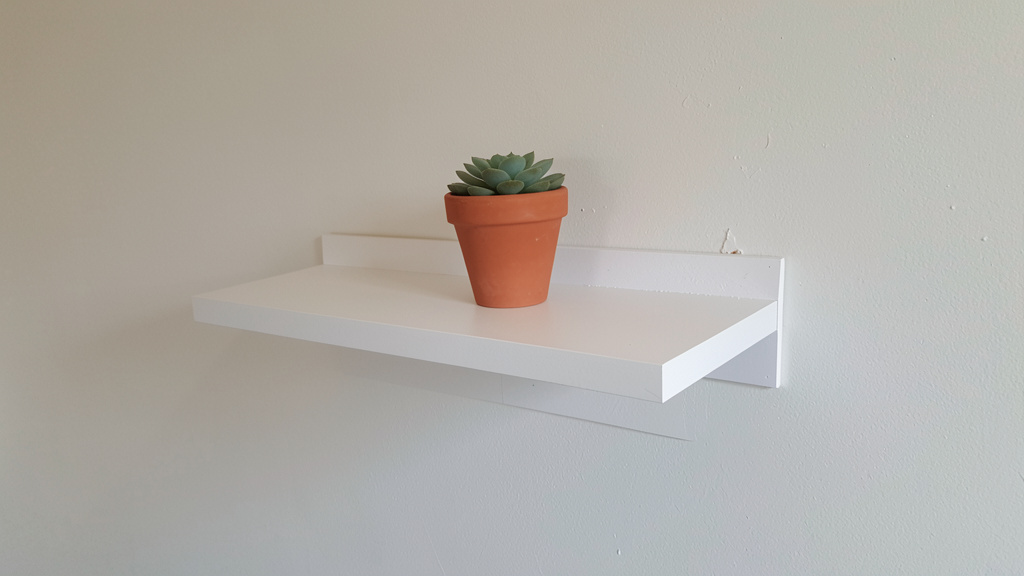
Project 4: Floating Shelves with Pre-Made Brackets
Add functional display space to any wall using hidden brackets—no carpentry skills needed.
Why It Works: Pre-made shelf kits include perfectly matched brackets and shelves. Eliminates cutting, sanding, and complex leveling. Creates instant organization for books, plants, or decor. The “floating” illusion feels intentionally installed.
Tools & Materials Checklist:
– Budget Path: Pre-cut shelf kit (e.g., IKEA EKBY), level (phone app), pencil, Phillips screwdriver
– Ideal Path: Above + stud finder app (verify wall type first!), painter’s tape
– Emergency Path: Repurpose a sturdy wooden cutting board + heavy-duty adhesive brackets (for very light items only)
Step-by-Step Execution:
1. Locate Wall Type: Tap wall. Hollow sound = drywall. Solid thud = plaster or masonry. Why: Drywall requires anchors; plaster/masonry needs specialized bits (avoid as beginner). Stick to drywall for first attempt.
2. Mark Bracket Height: Use level app to draw light pencil line where shelf bottom will sit. Why: Ensures shelf sits perfectly horizontal. Eyeballing leads to visible tilt.
3. Position Bracket Template: Most kits include paper template. Tape to wall along pencil line. Why: Guarantees screw holes align precisely. Skipping this causes wobbly shelves.
4. Create Pilot Holes (If Needed): If kit includes pilot holes or material is dense, use smallest drill bit provided. Why: Prevents wood splitting. If no drill is available, carefully hand-drive screws with firm, steady pressure—feasible for soft materials. Always follow kit instructions.
5. Install Anchors First (Drywall): Tap plastic anchors into pilot holes until flush. Why: Anchors distribute weight. Screwing directly into drywall strips threads instantly.
6. Attach Bracket, Slide Shelf: Secure bracket screws snugly. Slide shelf onto bracket pins. Why: Shelf locks bracket in place. Test stability with light pressure before loading.
Pitfall Prevention:
– ❌ Don’t skip the anchor step in drywall. A loaded shelf will pull screws out, damaging wall and creating safety hazards.
– ❌ Don’t overload. Check kit weight limit. Start with evenly distributed items like books, not heavy pottery.
– ✅ Fix uneven shelf: Place thin cardboard shim between bracket and shelf underside. Invisible but stabilizes.
Customization Spark: Stain shelf before installation for warmth. Or wrap shelf edge with leather strip glued with E6000 adhesive for a subtle luxury detail.
Project 5: Adhesive Hook Organization System
Declutter entryways, bathrooms, or closets in 10 minutes with zero damage.
Why It Works: Solves the universal “where do I put this?” problem. Hooks create dedicated homes for keys, bags, robes, or cleaning tools. Modern removable adhesive technology holds reliably yet releases cleanly when warmed—ideal for temporary or evolving needs.
Tools & Materials Checklist:
– Budget Path: Command™ Medium Duty Hooks (4-pack), hairdryer or warm cloth
– Ideal Path: Above + layout grid drawn lightly in pencil, level app
– Emergency Path: Heavy-duty double-sided tape + small wooden dowel (for temporary hook strip)
Step-by-Step Execution:
1. Clean Surface with Alcohol Wipe: Wipe area, let dry 30 seconds. Why: Dust or oils cause adhesive failure. This single step significantly improves holding power.
2. Press Hook Firmly for 30 Seconds: Apply even pressure across entire base. Why: Activates adhesive bond. Light pressing creates weak spots.
3. Wait One Hour Before Hanging Items: Why: Adhesive needs time to fully cure. Hanging too soon is the most common cause of failure. Set a phone timer.
4. To Remove: Warm base with hairdryer for 30 seconds. Stretch hook downward slowly. Why: Heat softens adhesive; slow stretch prevents surface damage. Peel residue lifts cleanly.
Pitfall Prevention:
– ❌ Don’t use on textured walls. Adhesive won’t seal properly. Test on an inconspicuous area first.
– ❌ Don’t exceed weight limit. Check packaging. A “medium duty” hook holds approximately 2 lbs—not a full backpack.
– ✅ Pro placement: Install hooks at child’s height for backpacks/coats. Builds independence and reduces floor clutter.
Customization Spark: Paint hook bases with acrylic paint to match wall color for near-invisibility. Or use colorful hooks as intentional accent dots.
Project 6: Outlet & Switch Plate Refresh
Update every electrical plate in your home for under $15—no electrical knowledge required.
Why It Works: Plates yellow with age and collect grime. New plates (matte black, brushed brass, crisp white) modernize instantly. Removal involves only two screws—no contact with wiring. High visual return for minimal effort.
Tools & Materials Checklist:
– Budget Path: New plates (match existing screw configuration), Phillips screwdriver
– Ideal Path: Above + microfiber cloth, painter’s tape
– Emergency Path: Spray paint existing plates (remove first! Use light coats outdoors in well-ventilated area)
Step-by-Step Execution:
1. Turn Off Power at Breaker (Critical Safety Step): Flip breaker controlling the room. Test switch/outlet with a lamp. Why: Eliminates shock risk. Never skip—even if “just changing the plate.”
Caution: If your breaker box is unlabeled or you feel uncertain about electrical safety, consult a licensed electrician. Safety is paramount, and professional guidance is always recommended when in doubt.
2. Remove Old Plate: Unscrew two screws. Gently pull plate away. Why: Plates are held only by screws. Wires remain safely capped behind the wall.
3. Clean Wall Area: Wipe scuff marks with damp cloth. Why: Old plates hide dirt. A clean wall makes the new plate look intentional.
4. Align New Plate: Hold plate over outlet. Ensure openings match perfectly. Why: Misaligned plates look sloppy and expose wall gaps.
5. Secure with Screws: Hand-tighten first, then final snug turn. Why: Over-tightening cracks plastic plates. Snug = secure without stress marks.
Pitfall Prevention:
– ❌ Never work on live outlets. Verify power is off. A non-contact voltage tester ($8 at hardware stores) provides added peace of mind.
– ❌ Don’t force plate. If openings don’t align, you have the wrong plate type (standard vs. Decora®). Return and exchange.
– ✅ Upgrade tip: Choose plates with built-in nightlights for hallways or kids’ rooms—same installation process.
Customization Spark: Use patterned plates (subway tile print, botanical illustrations) in powder rooms for surprise delight. Or install matching colored plates throughout for cohesive flow.
Project 7: Drawer Liner Installation
Protect drawers, add subtle scent, and create tactile joy with every open.
Why It Works: Solves sticky drawers, protects wood from scratches, and adds sensory pleasure (lavender-scented liners, smooth textures). Self-adhesive liners require no cutting precision—excess trims easily.
Tools & Materials Checklist:
– Budget Path: Self-adhesive shelf liner (contact paper), scissors
– Ideal Path: Above + ruler, pencil, credit card (for smoothing)
– Emergency Path: Wrapping paper + double-sided tape (temporary solution)
Step-by-Step Execution:
1. Empty & Clean Drawer: Wipe interior with damp cloth. Dry completely. Why: Moisture trapped under liner causes bubbling.
2. Unroll Liner Face-Down: Place drawer on liner. Trace outline with pencil. Why: Prevents cutting too small. Add 1/2” margin on all sides.
3. Peel Backing Gradually: Start at one corner. Smooth liner down with credit card. Why: Prevents air bubbles. Work from center outward.
4. Trim Excess: Use scissors to cut along drawer edges. Why: Creates clean finish. Rounded corners prevent peeling.
5. Press Seams Firmly: Run fingernail along all edges. Why: Ensures adhesion. Weak edges lift with drawer use.
Pitfall Prevention:
– ❌ Don’t stretch liner. Causes wrinkles and premature peeling. Lay flat, smooth gently.
– ❌ Don’t use on unfinished wood. Adhesive may bond permanently. Test small area first.
– ✅ Fix bubbles: Pierce tiny hole with pin, press air out, re-smooth.
Customization Spark: Line spice drawer with cork sheet for quiet, non-slip surface. Or use map-print liner in a travel-themed desk drawer.
Project 8: Threshold Ramp for Doorways
Reduce tripping hazards and ease furniture movement between rooms with a subtle slope.
Why It Works: Addresses a common friction point (catching toes on thresholds). Pre-made rubber ramps require no tools—peel-and-stick installation. Supports aging-in-place considerations and everyday accessibility.
Tools & Materials Checklist:
– Budget Path: Self-adhesive rubber threshold ramp (e.g., OXO), clean cloth
– Ideal Path: Above + isopropyl alcohol wipe
– Emergency Path: Rolled-up yoga mat secured with heavy furniture (temporary)
Step-by-Step Execution:
1. Clean Threshold Surface: Wipe thoroughly with alcohol. Dry completely. Why: Adhesive fails on dusty or oily surfaces.
2. Peel Backing Partially: Align ramp edge with threshold lip. Why: Ensures smooth transition. Misalignment creates a new tripping point.
3. Press Firmly Along Entire Length: Use heel of hand to activate adhesive. Why: Full contact prevents edge lifting.
4. Test Stability: Step on ramp gently. Why: Confirms secure bond before full use.
Pitfall Prevention:
– ❌ Don’t install on wet floors. Moisture compromises adhesion.
– ❌ Don’t choose ramp taller than threshold. Creates a new obstacle. Measure threshold height first.
– ✅ Pro tip: Install ramps at all interior doorways for consistent flow—especially between high-traffic areas like kitchen and dining.
Customization Spark: Paint rubber ramp with outdoor-grade paint to match floor color for near-invisibility.
Project 9: Cord Management with Clips
Tame desk, entertainment center, or kitchen counter chaos in 5 minutes.
Why It Works: Visual clutter contributes to mental clutter. Adhesive cord clips create intentional pathways. No drilling, no tools. Immediate calming effect.
Tools & Materials Checklist:
– Budget Path: Adhesive cord clips (10-pack), scissors
– Ideal Path: Above + label maker for cord identification
– Emergency Path: Binder clips taped to desk edge
Step-by-Step Execution:
1. Unplug All Devices: Safety first. Why: Prevents accidental issues during reorganization.
2. Group Cords by Function: Charger cords together, lamp cords separate. Why: Simplifies future troubleshooting.
3. Attach Clips Strategically: Place clips along desk underside or wall base. Why: Hides cords while keeping them accessible.
4. Feed Cords Through Clips: Leave slack for movement. Why: Prevents tension on plugs.
5. Label if Needed: Tiny label on clip base (“Laptop,” “Lamp”). Why: Saves frustration during moves or guest use.
Pitfall Prevention:
– ❌ Don’t over-tighten clips. Pinched cords can fray insulation over time.
– ❌ Don’t bundle power and data cords tightly. Creates avoidable electromagnetic interference.
– ✅ Fix tangled mess: Use Velcro® straps instead of zip ties—reusable and gentler on cords.
Customization Spark: Paint clip bases to match wall color. Or use colorful clips as intentional design accents in a kid’s room.
Project 10: Mirror Installation with Command™ Strips
Hang a decorative mirror safely on drywall without nails or studs.
Why It Works: Mirrors amplify light and perceived space—critical in smaller apartments. Heavy-duty adhesive strips eliminate drilling anxiety. Perfect for renters or temporary layouts.
Tools & Materials Checklist:
– Budget Path: Command™ Large Picture Hanging Strips (verify weight rating!), level app, pencil
– Ideal Path: Above + helper to hold mirror during placement
– Emergency Path: Lean mirror against wall on sturdy furniture (no installation)
Step-by-Step Execution:
1. Verify Weight vs. Strip Rating: Mirror weight must be under strip limit. Why: Overloading causes failure. When in doubt, use extra strips.
2. Clean Mirror Back & Wall: Alcohol wipe on both surfaces. Dry 60 seconds. Why: Critical for adhesion. Skipping this causes most failures.
3. Apply Strips to Mirror Back: Follow package diagram (usually top corners). Press firmly 30 seconds. Why: Ensures full contact.
4. Mark Wall Position: Hold mirror at desired height. Have helper mark top corners lightly in pencil. Why: Prevents misalignment during mounting.
5. Attach Wall Strips: Peel backing, press firmly to wall marks. Wait 1 hour. Why: Adhesive cures fully for maximum hold.
6. Mount Mirror: Align mirror strips with wall strips. Press firmly. Why: Creates secure bond. Slide down slightly to lock.
Pitfall Prevention:
– ❌ Don’t hang immediately. Curing time is essential. Set a timer.
– ❌ Don’t use on textured walls. Strips require smooth surfaces. Test first.
– ✅ Fix misalignment: Warm strips with hairdryer, reposition carefully.
Customization Spark: Frame a plain mirror with washi tape in geometric patterns before hanging. Or cluster three small mirrors in a triangle formation for artistic impact.
Project 11: Furniture Leg Lifts (Self-Adhesive Felt Pads)
Silence squeaky chairs, protect floors, and make furniture glide effortlessly.
Why It Works: Solves universal friction points (literally). Felt pads are inexpensive, nearly invisible, and install in seconds. Prevents costly floor scratches—a subtle detail guests and residents notice.
Tools & Materials Checklist:
– Budget Path: Self-adhesive felt pads (assorted sizes), clean cloth
– Ideal Path: Above + sandpaper (light grit to roughen leg bottoms)
– Emergency Path: Cut-up wine corks secured with strong tape
Step-by-Step Execution:
1. Flip Furniture Upside Down: Place on soft surface (carpet, towel). Why: Protects finish during work.
2. Clean Leg Bottoms: Wipe with damp cloth. Dry completely. Why: Dust prevents adhesion.
3. Roughen Surface Lightly (Optional): Light sanding creates “tooth” for glue. Why: Doubles pad longevity on smooth plastic/metal legs.
4. Peel & Press Pad Firmly: Center pad on leg bottom. Hold 15 seconds. Why: Ensures full contact.
5. Test Glide: Place furniture back upright. Slide gently on floor. Why: Confirms smooth movement without sticking.
Pitfall Prevention:
– ❌ Don’t skip cleaning. Oily residues from hands cause pads to peel.
– ❌ Don’t use on uneven legs. Pads won’t stabilize wobbly furniture. Address wobble first (shim leg).
– ✅ Pro tip: Use thicker rubber pads under heavy furniture (dressers, bookcases) for extra floor protection.
Customization Spark: Choose colored felt pads (navy, forest green) that peek out subtly as a hidden detail for design enthusiasts.
Project 12: Rug Non-Slip Pad Application
Prevent slips, reduce wrinkles, and extend rug life with a simple underlay.
Why It Works: Safety first—rugs without pads are tripping hazards. Pads also prevent fiber crushing, keeping rugs plush longer. Pre-cut pads require no trimming.
Tools & Materials Checklist:
– Budget Path: Pre-cut non-slip rug pad (match rug size), scissors (for minor trim)
– Ideal Path: Above + rug gripper tape for edges
– Emergency Path: Silicone baking mat cut to size (temporary solution)
Step-by-Step Execution:
1. Roll Up Rug: Place on clean floor. Why: Ensures pad lies flat without wrinkles.
2. Unroll Pad Under Rug: Align edges carefully. Why: Misaligned pads cause rug bunching.
3. Smooth From Center Outward: Use hands to eliminate air pockets. Why: Prevents pad shifting during use.
4. Unroll Rug Slowly: Keep aligned with pad edges. Why: Avoids wrinkles that are hard to smooth later.
5. Walk On Gently: Distribute weight evenly. Why: Activates grip on both surfaces.
Pitfall Prevention:
– ❌ Don’t use double-sided tape directly on rug. Damages fibers and leaves residue.
– ❌ Don’t choose pad smaller than rug. Exposed edges curl and create new hazards.
– ✅ Fix curling corners: Apply small dot of rug gripper tape under corner on pad side only.
Customization Spark: For vintage rugs with delicate fibers, choose natural rubber pads (no synthetic adhesives) to prevent chemical damage.
Project 13: Plant Shelf with Repurposed Ladder
Create vertical greenery display using a discarded wooden ladder and basic brackets.
Why It Works: Upcycles found objects thoughtfully. Ladders provide natural shelf spacing. No cutting required—just secure to wall. Brings life and visual interest to neglected corners.
Tools & Materials Checklist:
– Budget Path: Small wooden ladder (thrift store), L-brackets, screwdriver, level
– Ideal Path: Above + sandpaper, wood stain sample
– Emergency Path: Stack sturdy books horizontally between ladder rungs (no wall mounting)
Step-by-Step Execution:
1. Sand Ladder Lightly: Focus on rough edges. Why: Prevents splinters. Wipe dust away.
2. Position Against Wall: Lean at slight angle (approximately 75 degrees). Why: Creates stable triangle geometry.
3. Mark Bracket Locations: Place L-bracket where ladder meets wall at top and middle. Trace screw holes. Why: Ensures precise mounting.
4. Install Brackets on Wall First: Use anchors in drywall. Why: Wall-mounted brackets bear weight—not ladder alone.
5. Slide Ladder Onto Brackets: Rest rungs securely. Why: Brackets act as safety stops. Test stability before adding plants.
Pitfall Prevention:
– ❌ Don’t mount ladder directly to wall without brackets. Wood expands/contracts; brackets allow safe movement.
– ❌ Don’t overload top rungs. Place heaviest pots on lower rungs for stability.
– ✅ Fix wobble: Place small rubber pad under ladder feet on floor side.
Customization Spark: Weave fairy lights through rungs. Or hang small macramé planters from upper rungs for layered texture.
Project 14: Door Stopper Installation
Protect walls from door impacts and create intentional room divisions.
Why It Works: Solves a daily annoyance (dinged walls). Adhesive stoppers install in seconds. Encourages mindful door use—a small behavioral nudge.
Tools & Materials Checklist:
– Budget Path: Adhesive door stopper (rubber or silicone), alcohol wipe
– Ideal Path: Above + pencil for placement mark
– Emergency Path: Rolled-up sock secured with rubber band (temporary)
Step-by-Step Execution:
1. Open Door to Desired Stop Point: Where do you want it to stop? Why: Personalizes placement to your flow (e.g., stops before hitting light switch).
2. Mark Wall Spot: Light pencil dot where door knob touches. Why: Ensures precise placement.
3. Clean Wall Spot: Alcohol wipe. Dry 30 seconds. Why: Critical for adhesion.
4. Peel & Press Stopper Firmly: Hold 30 seconds. Why: Activates bond.
5. Test Gently: Close door slowly to verify stop. Why: Confirms function before full use.
Pitfall Prevention:
– ❌ Don’t place too high/low. Align with door knob height for consistent contact.
– ❌ Don’t use on textured walls. Adhesive won’t seal. Choose screw-in version if needed.
– ✅ Pro tip: Install stoppers on both sides of door for rooms where door swings either way (e.g., bathroom).
Customization Spark: Choose stoppers in fun shapes (animals, fruits) for kids’ rooms. Or paint rubber stoppers to match wall color for stealth protection.
Project 15: Key Holder with Adhesive Hooks
End the “where are my keys?” morning scramble with a dedicated landing zone.
Why It Works: Creates a habitual “drop point” near the exit. Reduces cognitive load (one less decision each morning). Adhesive hooks install in 60 seconds.
Tools & Materials Checklist:
– Budget Path: Small adhesive hook strip, label maker or marker
– Ideal Path: Above + small tray underneath for loose change
– Emergency Path: Magnetic strip stuck to metal door frame
Step-by-Step Execution:
1. Choose Strategic Location: Eye-level near primary exit door. Why: Must be visible during rushed moments.
2. Clean Surface: Alcohol wipe. Dry completely. Why: Non-negotiable for adhesion.
3. Press Hook Strip Firmly: Hold 30 seconds. Wait 1 hour before use. Why: Curing time ensures reliability.
4. Add Visual Cue: Label “KEYS” below hook. Why: Reinforces habit through visual reminder.
5. Place Tray Below (Optional): Catch coins, lip balm, mail. Why: Creates complete “launch pad” system.
Pitfall Prevention:
– ❌ Don’t install behind door. Door swing knocks items off.
– ❌ Don’t overload. One hook per key ring. Multiple rings tangle.
– ✅ Fix forgotten habit: Place a bright sticky note on door handle for first week: “CHECK KEY HOOK.”
Customization Spark: Use vintage door knobs mounted on a reclaimed wood slice (secured with adhesive strips) for rustic charm. Or install colorful hooks matching your keys’ keycaps.
Navigating Psychological Friction: When Your Mind Says “Stop”
Even well-designed projects meet internal resistance. This isn’t laziness—it’s human wiring. Understanding these friction points disarms them with compassion.
The Perfectionism Trap
Thought: “If I can’t do it perfectly, why bother?”
Reality: Home improvement is iterative. A slightly crooked shelf still holds books. A peel-and-stick tile with a tiny bubble still covers stained laminate. Progress > perfection.
Action Step: Set a “good enough” standard before starting. For the backsplash project: “As long as tiles are aligned within 1/8 inch and no major gaps, it’s a win.” Write it down.
The Overwhelm Spiral
Thought: “I need to fix the whole kitchen. Where do I even start?”
Reality: The brain freezes when faced with undefined scope.
Action Step: Apply the “One Drawer Rule.” Commit to improving only the top left kitchen drawer today. Organize contents, add liner, swap pull. Completion builds momentum for the next drawer tomorrow.
The Comparison Drain
Thought: “Pinterest shows flawless results. Mine looks amateurish.”
Reality: Social media showcases curated highlights, not the spilled paint, misaligned tiles, or frustrated tears.
Action Step: Mute DIY accounts for one week. Focus solely on your space’s needs. Celebrate function: “This hook holds my keys reliably—that’s success.”
The Tool Anxiety Loop
Thought: “I don’t have the ‘right’ tools. I’ll just mess it up.”
Reality: Constraints breed creativity. The projects here were designed around minimal tools.
Action Step: Revisit Layer 2 (Tool Triage). Your scissors, tape measure, and screwdriver are capable allies. Trust the process designed for them.
The Fundamental Principle: Friction isn’t a sign you’re failing—it’s a sign you’re growing. Each time you gently push through resistance (“I’ll just clean the surface for the hook”), you strengthen your capability muscle. Honor the discomfort; it precedes competence.
Your Questions, Answered
Q: I live in an apartment with strict “no damage” rules. Are any of these projects truly safe?
A: Yes. Projects using removable adhesives (peel-and-stick tiles, Command™ hooks, adhesive door stoppers) are explicitly designed for rental compliance when instructions are followed precisely. Always clean surfaces thoroughly before application and allow full curing time. For absolute confidence, test one hook in a closet first, remove after 48 hours following package directions, and verify no residue or damage. Document the test with photos for your records. When in doubt, review your lease agreement or consult your landlord.
Q: What’s the single most impactful project for under $10 and 15 minutes?
A: Outlet and switch plate refresh. It addresses universal aging (yellowed plastic), requires only a screwdriver, and transforms every room you enter. Choose crisp white for brightness or matte black for modern contrast. The psychological shift from “dated” to “intentional” is immediate and requires minimal resources.
Q: I tried adhesive hooks before and they fell off. What am I doing wrong?
A: Two factors are commonly overlooked: surface preparation and curing time. First, clean both the wall and the hook base with isopropyl alcohol—wipe dry and wait 30 seconds. Second, after pressing the hook firmly for 30 seconds, wait a full hour before hanging anything. This curing period allows the adhesive to form a secure bond. Skipping either step is the most frequent cause of failure. Always check the weight rating and avoid textured surfaces.
Q: How do I know if my wall is drywall, plaster, or something else?
A: The tap test: Knock gently. A hollow, drum-like sound typically indicates drywall (common in homes built after 1950). A solid, dense thud suggests plaster (common in pre-1940s homes). For greater certainty, check inside a closet—remove a screw from a shelf bracket. Drywall feels relatively soft; plaster is hard and gritty. When in doubt for adhesive projects, choose products rated for your suspected surface and test in an inconspicuous area first.
Q: Can I use peel-and-stick tiles in a rental bathroom? Will moisture ruin them?
A: Yes, with careful precautions. Choose tiles explicitly rated for “high humidity” or “bathroom use” (check packaging). Install only on smooth, non-porous surfaces (existing tile, laminate). Crucially, seal all edges with clear silicone caulk where tiles meet the tub, sink, or countertop to prevent moisture seepage. Avoid placing tiles directly in shower spray zones. Additionally, for optimal adhesion, avoid installation during periods of high humidity if possible, and ensure the surface is completely dry and at room temperature before applying.
Q: I’m not crafty. Will these projects look “homemade” in a bad way?
A: These projects prioritize clean execution over artistic skill. A precisely aligned row of adhesive hooks looks intentional, not “crafty.” Focus on careful placement (use your level app!) and quality materials (matte-finish hooks vs. shiny plastic). The goal isn’t handmade charm—it’s thoughtful, functional results achieved through clear systems, not innate talent.
Q: What if I make a mistake? How do I fix it without making it worse?
A: Most beginner mistakes are reversible. Peel-and-stick tile misaligned? Warm with hairdryer and reposition. Screw hole stripped? Insert a toothpick dipped in wood glue, let dry completely, then reinsert screw. Paint smudge? Wait until fully dry, lightly sand, touch up with matching paint. Keep a small “fix-it kit” handy: toothpicks, wood glue, fine sandpaper, alcohol wipes. Mistakes are data—not failure. They teach you about your space and your process.
Q: How do I stay motivated when projects take longer than expected?
A: Reframe the effort. Instead of “This should take 20 minutes,” try “I’m investing 20 minutes to solve the key-searching frustration.” Connect the action to the emotional payoff. Set a timer for 15 minutes—often, starting is the hardest part. When the timer ends, assess: “Do I have 5 more minutes?” Small, consistent increments build momentum without burnout. Celebrate the start as much as the finish.
Q: Are there projects I should never attempt as a beginner, even if they seem simple?
A: Yes. Avoid any project involving:
– Electrical wiring beyond plate replacement (e.g., installing new outlets, light fixtures)
– Plumbing modifications (e.g., sink faucet replacement, pipe adjustments)
– Structural changes (e.g., removing walls, installing heavy shelves without verified stud support)
– Gas lines (e.g., moving a stove, adjusting connections)
True confidence includes knowing your boundaries. When uncertainty arises, consult a qualified professional. Your safety and peace of mind are non-negotiable.
Q: How do I choose which project to do first?
A: Apply the Confidence-First Framework:
1. Which project solves a current daily frustration? (Highest motivation)
2. Which uses tools you already own? (Lowest barrier)
3. Which fits within your next available time window? (Realistic timing)
Start there. One completed project builds evidence for the next.
Q: Do seasonal changes affect these projects?
A: Yes, particularly for adhesive-based projects. Very cold surfaces (below 50°F/10°C) or high humidity can reduce initial adhesion. For best results, install peel-and-stick tiles, hooks, or films on clean, dry surfaces at room temperature. If your space is drafty or damp, wait for a drier, milder day if possible, and always follow the product’s environmental guidelines. Non-adhesive projects (hardware swaps, liners) are generally season-independent.
Q: What if I rent and my landlord says no to any changes?
A: Focus on entirely non-invasive solutions: tension rod curtains, freestanding organizers, slipcovers, removable rug pads, or furniture rearrangement. Even small shifts in object placement can refresh a space. Document the original layout with photos before moving in, and discuss reversible options respectfully with your landlord—they may approve more than you expect when presented thoughtfully.
Conclusion and Your Next Step
You now hold a complete system—not just a list of projects. The Confidence-First Framework (Reversibility Check, Tool Triage, Time & Energy Reality Check) is your lifelong filter for any home improvement idea. The 15 projects provide immediate, actionable pathways tailored to minimal skill and tools. But knowledge without gentle action remains potential.
Recap: Your Three Anchors
1. Start microscopically. One drawer. One hook. One plate. Completion builds tangible evidence of your capability.
2. Honor your constraints. Your tool drawer, your time, your rental agreement—they aren’t limitations. They’re the precise conditions for designing your authentic success.
3. Prioritize function and care over perfection. A slightly imperfect solution that works reliably and brings you calm delivers more joy than a flawless project abandoned from fear.
The 24-Hour Rule
Within the next 24 hours, complete one tiny action:
🔹 Open your junk drawer and list your tools (Layer 2 Audit)
🔹 Choose one project from this guide that solves a current frustration
🔹 Gather only the materials for Step 1 of that project (e.g., clean the surface for an adhesive hook)
Do not attempt the full project yet. This micro-action builds momentum without pressure. The barrier to starting is always higher than the barrier to continuing.
The Big Picture
Your home is not a static backdrop—it’s a living ecosystem that shapes your daily experience. Each intentional adjustment, no matter how small, is a vote for the life you want to live. The person who installs a single key hook is not “just doing a small project.” They are cultivating agency. They are declaring: I can shape my environment with care. I am capable. That mindset extends far beyond your front door. It influences how you approach challenges at work, in relationships, in personal growth. This journey isn’t about perfect walls—it’s about building a quiet, unshakable belief in your own resourcefulness. One thoughtful step at a time.
Explore Our Complete System:
The Renters’ Repair Kit: Damage-Free Fixes for Every Lease Clause | Tool Triage Mastery: Building Your Starter Kit Without Breaking the Bank | The 10-Minute Home Reset: Daily Micro-Habits for Lasting Calm | Color Confidence: Choosing Paint Shades Without Fear | The Clutter Compass: A Room-by-Room Decision Framework | Budget Breakdowns: Real Cost Tracking for DIY Projects | Safety First: Non-Negotiable Protocols for Every Project Level