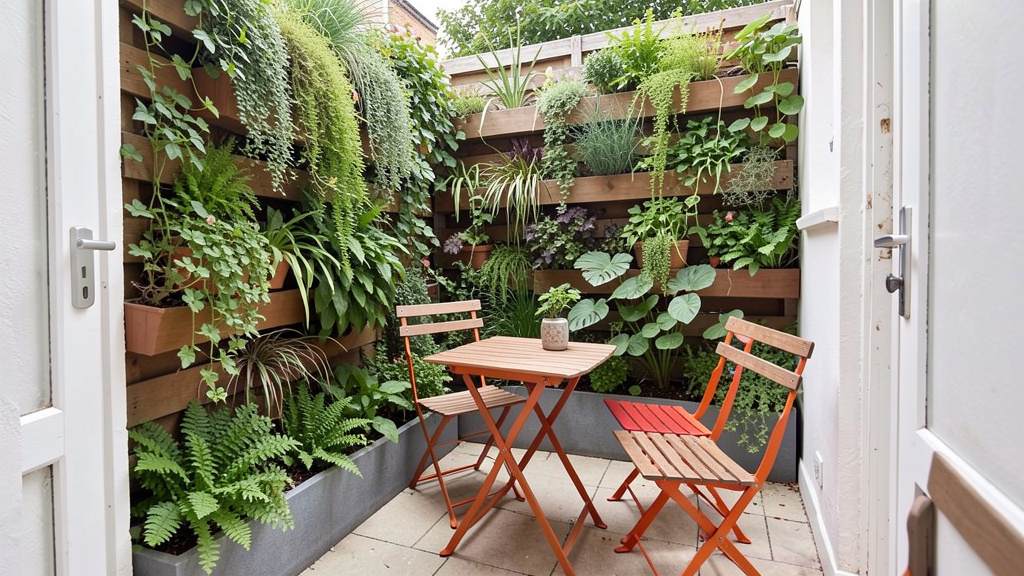
A Step-by-Step System to Work With Your Space’s Unique Conditions—Creating Calm, Purpose, and Joy in Any Compact Outdoor Area Through Intentional Design Choices
You stand in your compact backyard, narrow balcony, or postage-stamp patio feeling that familiar tension: How can I create something meaningful here? You’ve scrolled through endless images of sprawling gardens that feel worlds away from your reality. What if the path forward isn’t about wishing for more space—but about designing with what you have? This guide introduces the SPACE Framework: a practical, adaptable methodology for transforming limited outdoor areas into deeply personal sanctuaries. Developed through observation of diverse small-space solutions across climates and contexts, this approach emphasizes working with your space’s unique conditions—light patterns, microclimates, lifestyle rhythms—rather than against them. You’ll discover how to clarify priorities, arrange elements to enhance perceived spaciousness, select resilient plants and materials, and cultivate a space that evolves gracefully alongside your life. This isn’t about perfection; it’s about creating an outdoor room that feels like a natural extension of your home—calm, functional, and authentically yours.
Introduction: Reframing “Small” as an Opportunity for Intentional Design
For generations, garden culture often equated value with scale. Yet a quiet shift is underway. Urban density, evolving housing patterns, and a growing appreciation for mindful living have sparked renewed interest in compact outdoor spaces. What was once viewed as a limitation is increasingly recognized as a catalyst for creativity. Constraints invite clarity. Limited square footage encourages thoughtful curation—where every element serves a purpose, reduces visual noise, and deepens connection to the space.
Consider the Japanese tsubo-niwa (courtyard garden), refined over centuries in Kyoto. Confined to areas sometimes no larger than a single tatami mat, these gardens were never seen as deficient. Master designers used stone, moss, water, and carefully pruned plants to evoke entire landscapes and seasonal cycles. Every placement carried intention. This philosophy remains profoundly relevant: small spaces thrive not through cramming, but through editing. They reward attention to detail, sensory layering, and alignment with daily rhythms.
Contemporary environmental psychology supports this perspective. Research suggests that well-organized small outdoor areas—those with clear sightlines, cohesive materials, and purposeful negative space—can foster greater feelings of calm and restoration than larger, cluttered spaces. Perceived spaciousness depends less on raw dimensions and more on how the space guides movement, engages the senses, and supports intended activities. A 10×12-foot patio with a comfortable seat positioned to catch morning light, a single focal plant, and unobstructed flow can feel more expansive and satisfying than a chaotic larger area.
This guide synthesizes timeless spatial principles with practical, modern constraints. We move beyond fragmented tips like “just go vertical!” to offer a structured yet flexible process. Whether you’re working with a sun-dappled fire escape, a narrow side passage, a compact suburban corner, or a high-rise balcony, the SPACE Framework adapts. You’ll learn to see your space not as a problem to solve, but as a canvas for crafting daily moments of peace, connection, and quiet joy. The journey begins with observation—not aspiration.
The SPACE Framework: A Five-Phase Process for Thoughtful Small Garden Creation
SPACE is both an acronym and a mindset: Survey, Prioritize, Arrange, Cultivate, Evolve. This cyclical process guides you from initial awareness to long-term stewardship. Each phase builds gently on the last, reducing overwhelm and preventing common pitfalls like impulse purchases or designs that ignore real-world constraints. Think of it as a compass—not a rigid blueprint—helping you navigate decisions with confidence while honoring your unique context, time, and resources.
The Guiding Insight: In compact outdoor spaces, perception shapes experience. A thoughtfully arranged 50 square feet can feel more generous and restorative than a disorganized 200. Your choices in layout, scale, and sensory detail directly influence how the space feels—and how you feel within it.
Phase 1: Survey and Strategize – Observing Your Space With Fresh Eyes
Before sketching or shopping, dedicate time to quiet observation. This phase transforms assumptions (“It’s too shady,” “The wind is constant”) into actionable awareness. Rushing here often leads to mismatched plants, awkward furniture placement, or overlooked opportunities. Plan for 2–3 days of gentle note-taking at different times of day. No special tools are needed—just curiosity.
Map Light and Microclimates Thoughtfully
Small spaces often contain surprising microclimate variations within just a few feet. On a simple sketch of your area:
– Note sun exposure in 2-hour blocks over two clear days (weekday and weekend, if possible). Use symbols: ☀️ (direct sun), 🌤️ (dappled light), 🌫️ (deep shade).
– Observe wind patterns: Tie a lightweight ribbon to a railing or stake. Where does air move consistently? Where does it feel still?
– After rain, note drainage: Where does water pool briefly? Where does it flow away quickly?
– Feel surfaces at different times: Does a dark wall radiate heat in the afternoon? Does a corner stay cool and damp?
Why this matters: A fern placed where afternoon sun reflects off a light wall may struggle, while the same spot could thrive with heat-tolerant sedum. Understanding these nuances prevents frustration and guides plant selection naturally.
Gentle reminder: Seasonal shifts matter. A spot shaded by deciduous trees in summer may receive full sun in winter. If possible, revisit your notes across seasons. If not, research local tree types or observe neighboring properties.
Example: On a north-facing Chicago balcony receiving only 1–2 hours of morning sun, a gardener noted consistent afternoon breezes. Instead of forcing sun-loving plants, they embraced the conditions: selecting wind-tolerant Japanese painted fern and hosta varieties, positioning seating away from the draftiest corner, and using a semi-transparent screen to soften airflow without blocking light. The space succeeded because it worked with reality.
Document Physical Realities and Opportunities
Measure thoughtfully. Record dimensions, door swings, utility access (hose bibs, outlets), fixed elements (downspouts, AC units), and sightlines:
– Into your space: What views do you wish to soften or conceal? (e.g., a neighbor’s window, a utility box)
– Out from your space: What “borrowed landscapes” can you highlight? (e.g., a glimpse of sky between buildings, a neighbor’s mature tree)
Photograph all angles. Note surface conditions: cracked pavers needing leveling, uneven concrete, existing soil texture (if ground-level). These details inform practical decisions—like ensuring furniture won’t block a door or identifying where a small mirror might reflect a pleasant borrowed view.
Why this matters: Awareness prevents functional friction. Knowing exact clearance needs avoids purchasing furniture that impedes movement. Recognizing existing assets (like textured brick walls) reduces the need for added elements.
Adaptable approach: Short on time? Spend one morning and one evening observing key spots: where you’d sip coffee, where seating might go. Focus on non-negotiables first—dimensions, door swings, major light patterns. Refine details later.
Clarify Your Human Needs Honestly
Grab a notebook. Answer gently:
– Who typically uses this space? (Just you? Partner? Children? Pets?)
– What 2–3 activities matter most here? (Morning quiet? Evening wind-down? Growing herbs?)
– Realistically, how much time weekly can you dedicate to care? (Be kind to future-you: 10 minutes? 30? More?)
– What would make this space feel like a true retreat? (Privacy? Sensory calm? Connection to greenery?)
Why this matters: Aligning design with actual life—not an idealized version—creates sustainable joy. A nurse working long shifts might prioritize a single comfortable chair and low-care plants over an ambitious vegetable plot. A family with toddlers might focus on safe surfaces and durable, non-toxic plants.
Compassionate note: There are no “right” answers. If your deepest need is visual privacy from a neighboring window, that belongs at the top of your list. If ease of access for mobility needs is essential, that shapes every choice. Honor what matters to you.
This Survey phase replaces uncertainty with grounded awareness. You now hold a clear picture of your space’s conditions and your own needs—a foundation for confident, intentional choices ahead.
Phase 2: Prioritize and Plan – Clarifying What Truly Matters
With awareness gathered, Phase 2 invites gentle distillation. Small spaces cannot fulfill every wish—and attempting to do so often creates clutter and frustration. This phase is about identifying what will bring the most meaning and function to your life. It’s not about limitation; it’s about focus.
The Priority Compass Exercise
Draw three concentric circles on a page:
– Center Circle (Essential): 1–3 non-negotiables. Examples: “Visual privacy from second-story window,” “Space for one comfortable chair with side table,” “Safe, non-slip surface for my parent’s visits.”
– Middle Ring (Meaningful Enhancers): 2–4 elements that deepen enjoyment. Examples: “Soft evening lighting,” “Year-round visual interest,” “Integrated storage for cushions.”
– Outer Ring (Future Possibilities): Ideas to revisit later. Examples: “Small water feature,” “Vertical strawberry planter,” “Seasonal decor.”
Why this works: This visual tool creates immediate clarity. Every future decision—buying a pot, choosing a plant—can be gently filtered: “Does this support my Center or Middle Ring priorities?” It prevents budget and energy from scattering across low-impact items.
Kind reminder: “Essential” is deeply personal. For one person, privacy is non-negotiable; for another, easy access to herbs while cooking is central. Trust your own truth.
Define a Cohesive Style Direction
Small spaces benefit immensely from visual harmony. Instead of collecting disparate inspiration images, refine your aesthetic using three gentle anchors:
1. Core Vibe Word: Choose one feeling (e.g., Serene, Rustic, Modern, Whimsical, Earthy).
2. Material Palette: Limit to 3–4 key materials (e.g., Light rattan, matte ceramic, smooth river stone, natural linen).
3. Color Approach: Define your philosophy (e.g., “Airy neutrals with green accents,” “Warm earth tones,” “Monochromatic texture play”).
Why this works: Cohesion creates calm. A limited palette makes the space feel larger and more intentional. It guides choices effortlessly: “Does this pot align with my matte ceramic and river stone palette?”
Practical tip: Work with existing fixed elements. If you can’t change a beige stucco wall, choose materials and colors that complement it rather than clash. Harmony reduces visual tension.
Sketch a Simple Zoning Map
Using your Survey sketch, lightly indicate zones with pencil or digital annotation:
– Transition Zone: Path from door to main area (keep clear, min. 18″ wide).
– Activity Zone: Primary use area (seating, dining—ensure chair clearance).
– Green Zone: Where plants will live (group by light/water needs).
– Utility Zone: Storage for tools, bins, hoses (aim to integrate or conceal).
Why this works: Zones create intuitive flow. They prevent furniture from blocking pathways and ensure plants receive appropriate light. In small spaces, zones often overlap fluidly—a bench may sit within the Green Zone, surrounded by low planters.
Adaptable idea: Zones need not be rigid. A narrow side yard might have the Activity Zone (a small stool) nestled within the Green Zone (vertical planters on the wall), with the Utility Zone (a slim cabinet) tucked beside the house. Flexibility is key.
Create a Gentle Implementation Plan
Break the journey into manageable steps. This reduces pressure and allows for adjustments:
– Week 1 (Foundation): Clean space, address critical needs (e.g., install privacy screen if essential, level uneven surfaces).
– Week 2 (Structure): Add core elements (seating, main planters, storage solution).
– Week 3+ (Greenery): Introduce 2–3 key plants. Observe. Add more gradually.
– Ongoing (Personalization): Introduce accessories slowly—a cushion, a small lantern, seasonal touches.
Why this works: Progress builds momentum. Starting small prevents burnout. Living with the space between steps reveals what truly works. A phased approach also eases budget pressure.
This Prioritize phase transforms scattered ideas into a clear, compassionate roadmap. You now know what matters most—and how to move forward without overwhelm. With intention set, you’re ready to arrange elements with care.
Phase 3: Arrange and Anchor – Shaping Perception Through Thoughtful Placement
Arrangement is where spatial psychology meets daily experience. In compact areas, how elements are positioned influences perceived spaciousness far more than the items themselves. This phase focuses on creating flow, calm, and visual ease—not filling every inch.
Honor Negative Space
Counterintuitively, leaving areas intentionally open is one of the most powerful tools for making a small space feel generous. Negative space—unadorned floor area, a clear wall section, an open patch of gravel—provides visual breathing room. It guides movement, reduces cognitive load, and allows chosen elements to be appreciated.
How to apply: Step back and view your arranged space from the main entrance. Does your eye have a place to rest? Is there a clear, unobstructed path to the seating area? If the space feels “busy,” gently remove one item. Then consider removing another. Edit with kindness. Remember: In small spaces, less often feels more.
Why it matters: Clutter amplifies confinement. Negative space creates calm. It transforms the area from a storage zone into a sanctuary. This empty area isn’t wasted—it’s essential punctuation.
Place a Single Focal Point
Every small garden benefits from one intentional visual anchor. Without it, the eye darts restlessly, heightening the sense of confinement. A focal point draws attention deeper into the space, creating perceived depth and satisfying the mind quickly.
Choosing wisely: Select ONE element aligned with your priorities: a beautifully textured pot with a single specimen plant (like a dwarf Japanese maple), a small wall-mounted water feature, a piece of weathered wood, or a thoughtfully arranged cluster of three pots at varying heights.
Placement tip: Position it at the farthest visible point from your main viewpoint (e.g., opposite the door). This encourages the eye to travel the full depth of the space. Avoid placing it immediately beside the entrance.
Gentle caution: Multiple competing focal points (a bright chair, a large painting, and a fountain) create visual tension. One clear anchor brings peace.
Select Thoughtfully Scaled Elements
Furniture and features scaled for large patios can overwhelm compact areas. Prioritize pieces proportional to your space:
– Seating: Armless chairs, slim benches, or built-in options often work better than bulky armchairs. Consider folding or stackable pieces for occasional use.
– Tables: Narrow console tables against walls function better than central square tables. Bistro sets (table ~24–28″ diameter) suit 1–2 people comfortably.
– Multi-function is supportive: A storage bench offers seating and hides cushions. A wall-mounted shelf holds drinks and displays a small plant.
Practical check: Before buying, measure twice. Create cardboard cutouts of proposed furniture dimensions and place them in your space. Walk around them. Sit where chairs would be. Does movement feel easy? Does it feel open?
Why it matters: Proper scale ensures physical comfort and usability. It maximizes functional floor area and reinforces the curated, intentional feel you’re cultivating.
Layer for Depth and Dimension
Borrowing from photography, create subtle visual layers:
– Foreground (closest): Low elements—a shallow dish of river stones, a trailing plant spilling from a low pot.
– Middleground (activity zone): Seating, main table, medium-height planters.
– Background (far wall/fence): Tallest element—your focal point, a vertical planting, or artwork.
Add gentle layers within these planes: a narrow shelf midway up a wall, a medium-height planter beside seating. This layering invites the eye to explore, creating richness without clutter.
Why it matters: Flat arrangements feel shallow. Layering adds sophistication and perceived depth. It transforms the space into a series of small, discoverable moments.
Use Reflections Thoughtfully (If Appropriate)
A well-placed mirror can gently expand perception—but requires care:
– Mount securely on a wall opposite a pleasing feature (a plant, a borrowed view of sky).
– Choose an outdoor-rated mirror with a frame complementing your style palette.
– Angle carefully: Avoid reflecting messy interiors, blank walls, or neighbors’ private areas.
– Prioritize safety: Ensure secure mounting, especially in windy spots. Consider neighbor impact—avoid angles that invade privacy or reflect intense sun.
Why it matters: Reflections can double greenery, bounce light into shaded corners, and create dynamic interest as daylight shifts. Used sparingly and ethically, they enhance without trickery.
Arrangement is an act of care—for the space and for yourself. By honoring negative space, guiding the eye, choosing proportional elements, and layering gently, you shape an environment that feels open, intentional, and deeply restorative. This thoughtful foundation supports the living elements to come.
Phase 4: Cultivate and Choose – Selecting Plants and Materials That Thrive
With spatial harmony established, Phase 4 focuses on the living and material elements. In small spaces, every plant and material should feel purposeful—contributing beauty, function, or sensory delight while aligning with your observed conditions and care capacity. This isn’t about perfection; it’s about partnership with your space.
Build a Resilient Plant Palette
Move beyond choosing plants solely for peak bloom. Instead, cultivate a small collection where each contributes across seasons:
– Structural Anchors (Year-Round Presence): Select 1–3 plants for form and texture. Examples: Dwarf boxwood (compact evergreen), Hakonechloa (Japanese forest grass—cascading habit), Heuchera (coral bells—vibrant foliage). These provide backbone when other plants rest.
– Seasonal Accents (Targeted Interest): Add 1–2 plants for specific moments. Examples: Hellebores (late winter blooms in shade), Autumn Sedum (rust-colored fall flowers), Winter Jasmine (bright stems in cold months).
– Sensory Contributors: Include plants that engage beyond sight. Examples: Rosemary or lavender (fragrance when brushed), Lamb’s Ear (soft texture), Mint in a contained pot (scent and utility).
Key considerations:
– Match to your Survey: Deep shade? Prioritize hostas, ferns, or carex. Hot sun? Choose sedum, lavender, or yarrow. Windy spot? Opt for flexible ornamental grasses.
– Respect mature size: Research ultimate height/spread. A “dwarf” conifer may still reach 4 feet—too large for a balcony railing. When in doubt, choose smaller cultivars.
– Group by needs: Place plants with similar sun/water requirements together. Thirsty ferns won’t thrive beside drought-tolerant sedum in the same container.
Compassionate reminder: Start small. One well-chosen structural plant and one seasonal accent create more impact than ten mismatched impulse buys. Your garden can grow with you.
Container Wisdom for Health and Harmony
Most small-space gardening happens in containers. Thoughtful choices support plant health and your aesthetic:
– Drainage is essential: Every pot needs drainage holes. If using a decorative cachepot (outer container), place the plant’s nursery pot inside and empty excess water after watering.
– Size with care: Pot diameter should be 1–2″ larger than the plant’s root ball for small herbs; 2–4″ larger for shrubs. Too small stresses roots; too large keeps soil soggy.
– Material matters:
– Terracotta: Breathable, dries quickly (good for succulents; less ideal for moisture-lovers). Heavy and stable.
– Glazed Ceramic: Retains moisture longer. Choose frost-proof if freezing occurs.
– Fiberglass/Resin: Lightweight (ideal for balconies with weight limits), durable, mimics heavier materials.
– Wood (Cedar/Redwood): Natural look; ensure rot-resistant or lined. Avoid treated lumber for edibles.
Soil note: Always use quality potting mix (not garden soil). For herbs/vegetables, choose an organic mix. In hot climates or busy schedules, consider mixes with moisture-retaining additives like coconut coir.
Material Choices for Surfaces and Features
Non-living elements impact durability, maintenance, and mood:
– Flooring: Clean existing surfaces thoroughly. Outdoor-rated rugs can define zones—choose one larger rug over several small ones to avoid visual fragmentation. For pathways, smooth pea gravel feels gentle underfoot; decomposed granite offers firm footing.
– Walls/Fences: Light colors (soft white, pale grey) reflect light, enhancing airiness. Dark colors (charcoal, deep green) create a receding backdrop that makes plants pop. Ensure any paint or stain is exterior-grade and mildew-resistant.
– Water Features: Small recirculating fountains add soothing sound. Choose resin or ceramic for lightness. Place on stable surfaces. Solar pumps simplify setup. Practical tip: Position where you can easily access the reservoir for occasional cleaning—this small step prevents algae buildup and extends enjoyment.
Integrate Edibles Naturally
You needn’t dedicate space solely to vegetables. Weave edibles where they serve dual purposes:
– Herbs: Rosemary, thyme, and chives are fragrant, attractive, and thrive in pots. Place near seating or your kitchen door for easy harvesting.
– Compact Choices: ‘Patio Princess’ tomatoes (bush type), bush beans, or leaf lettuce in containers. Train cherry tomatoes or pole beans vertically on a slender trellis against a sunny wall.
– Design integration: Grow edible nasturtiums (flowers and leaves are edible) spilling from a planter—their vibrant blooms add color. Use attractive pots that align with your style palette; edibles need not look utilitarian.
Gentle guidance: Most edibles need 6+ hours of sun. Be realistic about light conditions. A single thriving basil plant brings more joy than three struggling tomato plants in deep shade.
Cultivation is a dialogue, not a directive. By selecting plants and materials aligned with your space’s realities and your own capacity, you create a resilient, low-friction ecosystem. This thoughtful curation ensures your garden remains a source of delight—not demand—throughout the year.
Phase 5: Evolve and Enjoy – Embracing Change With Gentle Stewardship
A garden is never truly “finished.” It breathes, shifts, and responds to seasons, weather, and life’s rhythms. Phase 5 invites a shift from creation to companionship—a mindset of gentle stewardship where maintenance becomes mindful connection, and adaptation is welcomed. This is where small gardens truly shine: their scale makes attentive care feasible, sustainable, and deeply rewarding.
Micro-Maintenance Rituals: Small Actions, Meaningful Connection
Replace the myth of high-maintenance gardening with efficient, integrated care:
– Daily 5-Minute Scan: While having morning coffee or evening tea, glance at your space. Check soil moisture on one key pot (finger 1″ deep). Remove a spent flower or yellow leaf. Notice one small change—a new bud, the way light hits a leaf.
– Weekly 15-Minute Tune-Up: Water deeply where needed (until water flows from drainage holes). Wipe down seating surfaces. Harvest herbs. Refill a water feature reservoir if used.
– Seasonal Gentle Pivot (30–60 minutes):
Spring: Refresh top inch of potting mix with compost. Prune dead stems.
Summer: Monitor for heat stress; provide temporary shade if extreme heat occurs.
Fall: Remove spent annuals. Plant spring bulbs in pots. Clean and store sensitive items if needed.
Winter (mild climates): Enjoy structural plants. Cold climates: Move tender plants to shelter; ensure drainage holes aren’t blocked by ice.
Why this works: These micro-rituals prevent small issues from becoming big tasks. They build intuitive understanding of your garden’s rhythms. Most importantly, they transform care from chore to calm—a daily touchpoint of presence.
Adapting Gracefully to Life’s Shifts
Your needs will evolve. A space designed for quiet mornings may later welcome a child’s curiosity or frequent guests. The SPACE Framework supports gentle adaptation:
– New family member? Temporarily relocate fragile plants. Ensure furniture stability. Choose non-toxic plants (consult ASPCA resources). Create a small sensory spot with smooth stones or soft moss.
– Hosting more often? Add folding chairs stored in your Utility Zone. Use a small wheeled cart for drinks. Ensure pathways remain clear.
– Energy or mobility shifts? Raise planting height with stands or wall planters. Choose extremely low-care plants (snake plant, ZZ plant, ornamental grasses). Install the most comfortable seating in your prime spot.
Compassionate perspective: Adaptation isn’t failure—it’s wisdom. Your garden serves you, not an ideal. Revisit your Priority Compass periodically. What feels essential now? Adjust with kindness.
Cultivating Presence in Micro-Moments
The deepest gift of a small garden is accessible connection to nature’s rhythms. Intentionally design moments for mindful presence:
– Create a Pause Point: Within your Activity Zone, designate one spot optimized for stillness—a specific chair positioned to face your focal point or a pleasant view. Add a small side table for a beverage.
– Engage the senses gently:
Sight: Notice how light filters through leaves at a certain hour.
Sound: Listen to water trickling or grasses rustling.
Smell: Brush against rosemary while sitting down.
Touch: Feel the cool smoothness of a stone.
Taste: Pinch mint for tea; pick a sun-warmed cherry tomato.
– Practice micro-mindfulness: During your Daily Scan, pause fully. Feel soil texture. Observe subtle color shifts in a leaf. This isn’t “extra” time—it’s restoration woven into ordinary moments.
Embracing Natural Cycles With Kindness
Nature is not static. Leaves yellow. Flowers fade. A storm may knock over a pot. This is not failure—it is authenticity.
– Reframe “imperfections”: Weathered wood tells a story of seasons enjoyed. Moss between pavers in a shady spot adds serene charm. These details make the space uniquely yours.
– Celebrate seasonal transitions: Find beauty in bare branches against a winter sky. Appreciate the quiet rest of dormant plants. Your Structural Anchors (Phase 4) ensure there is always something to appreciate.
– Practice gentle correction: If a plant struggles despite care, thank it and replace it with something better suited. If a pot feels misplaced, move it. Gardening is iterative. There are no permanent mistakes—only learning.
Phase 5 completes the SPACE Framework by shifting focus from external creation to internal experience. It ensures your small garden remains a sustainable, evolving sanctuary—a partner in well-being that grows alongside you, season after season.
Beyond the Framework: Navigating Common Small-Space Considerations
Even with a clear process, specific situations arise. These targeted insights address frequent points of uncertainty with practical, adaptable strategies. They are not rigid rules, but gentle guides to help you navigate with confidence.
Creating Privacy Without Enclosure
Feeling exposed is a common concern. The goal isn’t to build a fortress (which can amplify confinement), but to create selective screening that preserves light and air while softening unwanted views.
- Layered screening works best: Combine elements at varying heights. A low planter of lavender (base layer), a semi-transparent willow screen or lattice panel with a climbing jasmine (mid-layer), and a tall, narrow potted bamboo (clumping variety only, in a container) for upper coverage. Semi-transparent materials diffuse views while allowing light penetration.
- Sound as privacy: A small recirculating fountain or bubbler masks conversations, creating an auditory buffer between your space and neighboring noise.
- Practical considerations:
- Check local guidelines: Many areas have regulations about fence height or balcony modifications. A quick check prevents future adjustments.
- Neighbor awareness: If your solution affects a shared boundary, a friendly conversation fosters goodwill.
- Weight awareness (balconies): Choose lightweight materials (fiberglass pots, aluminum screens) and distribute weight evenly. When uncertain, consult building specifications.
- Plant caution: Only use clumping bamboo (e.g., Fargesia species) in containers. Running bamboo is invasive and difficult to control.
Example: To soften a view into a neighbor’s kitchen window, a gardener installed a 5-foot semi-transparent willow screen panel (within local height limits) and placed a clumping bamboo in a large pot in front. They trained star jasmine up the screen. The layered approach provided visual privacy while allowing dappled light and fragrance—feeling like a garden edge, not a barrier.
Working With Shade, Not Against It
Many compact spaces contend with shade—especially urban courtyards or north-facing areas. Shade is not a deficit; it’s a distinct condition with unique opportunities for cool respite and lush foliage.
- Refine your shade understanding:
- Dappled shade (filtered through trees): Supports hostas, astilbe, ferns.
- Open shade (bright indirect light): Suitable for heuchera, carex, hellebores.
- Deep shade (minimal direct light): Focus on resilient foliage like English ivy (in containers), pachysandra, or certain ferns. Supplemental lighting may support evening use.
- Amplify available light: Paint walls/fences in light, reflective colors (soft white, pale grey). Use light-colored pots and furniture. Incorporate subtle reflective elements: a small mirror angled to catch sky light (not a dark wall), glossy ceramic pots.
- Celebrate foliage texture: In lower light, color perception softens. Create interest through contrasting leaf shapes (broad hosta leaves vs. fine fern fronds) and textures (smooth heuchera vs. fuzzy lamb’s ear).
- Gentle lighting for evenings: Low-voltage LED path lights define edges. Small spotlights uplight a specimen plant. Warm-white (2700K) string lights create ambient glow. Solar options work well if the area receives some daylight for charging.
Example: On a balcony with only morning sun, a gardener painted the wall white, grouped pots of ‘Blue Mouse Ears’ hosta, Japanese painted fern, and Heuchera ‘Palace Purple’ for textural contrast, and added a small battery-operated LED spotlight to gently highlight the fern in evenings. A tiny bubbling fountain provided soothing sound. The space felt intentionally designed for its conditions—cool, serene, and deeply personal.
Thoughtful Choices on Any Budget
Limited funds need not limit intention. Small gardens are inherently budget-friendly—you require fewer materials. Strategic allocation creates outsized impact.
- The 70/20/10 Approach (Flexible Guide):
- 70% Foundation: Invest in elements that ensure function and longevity: quality potting mix (critical for plant health), essential repairs (leveling surfaces), one durable seating piece, core structural plants.
- 20% Cohesion: Items that unify the space: paint for a fence/wall, 2–3 matching pots instead of many mismatched ones, a single outdoor rug. Cohesion makes spaces feel larger and more intentional.
- 10% Personality: Small touches that express you: a thrifted cushion cover, a smooth stone collected on a walk, seasonal elements (pumpkins in fall). These can evolve without major investment.
- Resourceful sourcing:
- Secondhand: Check community boards, thrift stores, or online marketplaces for furniture to refresh with outdoor paint.
- Propagate: Ask gardening friends for divisions of resilient plants like hosta, sedum, or mint (kept contained).
- Start small: One meaningful plant purchased monthly builds a garden with intention—and fits most budgets.
- DIY gently: Paint old pots in a cohesive color. Create plant markers from painted stones.
- Time-saving note: If your Survey revealed limited time for care, prioritize self-watering pots or drought-tolerant plants. This “investment” in reduced maintenance pays dividends in sustained enjoyment.
Budget-conscious gardening is creative stewardship. It honors resources while cultivating beauty. Your space reflects thoughtfulness—not price tags.
Your Questions, Answered
Q: How do I know if my small space gets enough sun for vegetables?
A: Track sun meticulously for 2–3 days (see Phase 1). Most fruiting vegetables (tomatoes, peppers) need 6+ hours of direct sun. If you have less, focus on leafy greens (lettuce, spinach), herbs (parsley, chives), or shade-tolerant edibles like mint (in a pot) or alpine strawberries. Container gardening lets you move pots to follow sun seasonally.
Q: What are the most forgiving plants for beginners with limited time?
A: Prioritize resilience over variety. Snake plant (Sansevieria), ZZ plant (Zamioculcas), and peace lily thrive indoors or in shaded patios with infrequent watering. For sunnier spots: sedum (stonecrop), lavender, or ornamental grasses like blue fescue. Start with just two or three.
Q: How can I make a narrow side yard feel less like a corridor?
A: Avoid lining both sides with pots (which emphasizes narrowness). Instead: define a clear central path (gravel or stepping stones), place a single focal point at the far end (a small sculpture, a potted specimen plant), and use vertical elements on one wall only (a staggered shelf with plants, a narrow trellis with a vine). This draws the eye forward, creating perceived depth.
Q: Are mirrors safe and ethical to use outdoors in small gardens?
A: Used thoughtfully, yes. Choose outdoor-rated, securely mounted mirrors. Angle to reflect sky, greenery, or a borrowed pleasant view—not neighbors’ windows, messy interiors, or blank walls. Avoid positions that reflect intense sun onto neighboring properties. Always prioritize neighbor consideration and secure installation, especially in windy areas.
Q: How do I protect my balcony garden in winter if I live in a cold climate?
A: Research plant hardiness for your zone. Tender plants (citrus, geraniums) can move indoors near a sunny window. Hardy perennials in pots benefit from insulation: wrap pots in burlap or bubble wrap, group pots together against a sheltered wall, and ensure drainage holes remain clear of ice. Empty water features. When in doubt, consult local nursery staff—they know regional challenges.
Q: What’s the biggest mistake people make in small garden design?
A: Overcrowding. Adding too many plants, pots, or decor items creates visual noise and reduces usability. Embrace negative space. Start with your Priority Compass (Phase 2). Add elements slowly. Edit ruthlessly. A few well-chosen items create more impact and calm than many competing ones.
Q: How can I involve children in a small garden without it becoming chaotic?
A: Designate a small “discovery zone”: a shallow dish of smooth stones, a pot of fast-growing radishes or sunflowers, or mint in a contained pot to smell and taste. Keep tools minimal and stored neatly. Focus on sensory engagement (touch lamb’s ear, smell herbs) rather than complex tasks. Keep the main space uncluttered for adult use.
Q: Do I need special soil for container gardening?
A: Yes. Never use garden soil in pots—it compacts, drains poorly, and may contain pests. Always use a quality potting mix (labeled for containers). For herbs/vegetables, choose an organic mix. For succulents/cacti, use a specialized fast-draining mix or amend regular potting mix with extra perlite. Good soil is the foundation of plant health.
Q: How do I keep pests away without using harsh chemicals?
A: Prevention is key. Ensure good air circulation between plants. Water at the base (not leaves) to reduce fungal issues. For aphids: spray gently with water or a mild soap solution (1 tsp dish soap per quart of water). Encourage beneficial insects: a small pot of dill or yarrow attracts ladybugs. For slugs near hostas: copper tape around pots deters them naturally.
Q: Can I create a small garden if I’m renting and can’t make permanent changes?
A: Absolutely. Focus on portable, non-damaging solutions: freestanding screens (willow, bamboo), pots with casters for mobility, removable adhesive hooks for lightweight string lights, outdoor rugs that lay flat without adhesive. Use furniture that folds or stacks for storage. Always review your lease agreement and discuss plans with your landlord—many appreciate tenants who enhance outdoor spaces thoughtfully.
Conclusion: Your Space, Your Sanctuary
You began this journey feeling constrained by square footage. Today, you hold a different perspective: your small outdoor area is not a limitation, but an invitation—to intentionality, to presence, to crafting daily moments of peace. The SPACE Framework offered a path, but you brought the awareness, the priorities, and the care. That is where true transformation lives.
Recall the heart of this process:
1. Survey with curiosity, not judgment.
2. Prioritize what brings you meaning.
3. Arrange to honor space and self.
4. Cultivate with gentle partnership.
5. Evolve with kindness through seasons and shifts.
Your 24-Hour Invitation:
Within the next day, take one small, gentle step. Sketch a quick outline of your space. Note the sun’s path for one hour. Place a single chair where morning light feels warm. Water one plant mindfully. This isn’t about completing a project—it’s about beginning a relationship. Start where you are. Use what you have. Do what you can.
The Bigger Picture:
Small gardens are quiet acts of hope. They reconnect us to natural rhythms in urban landscapes. They offer sanctuary without requiring acres. They teach us that beauty thrives not in abundance, but in attention. Your space—however modest—contributes to a larger tapestry of green, calm, and care in the world. Tend it gently. Enjoy it deeply. Let it remind you daily that meaningful change often begins in small, intentional spaces.
Explore Further Inspiration:
Container Gardening for Changing Seasons | Vertical Solutions for Narrow Spaces | Sensory Gardens for Calm and Connection | Sustainable Practices for Small Outdoor Areas | Adapting Your Garden Through Life’s Seasons | Low-Effort Plant Palettes by Climate Zone | Creating Evening Ambiance in Compact Spaces