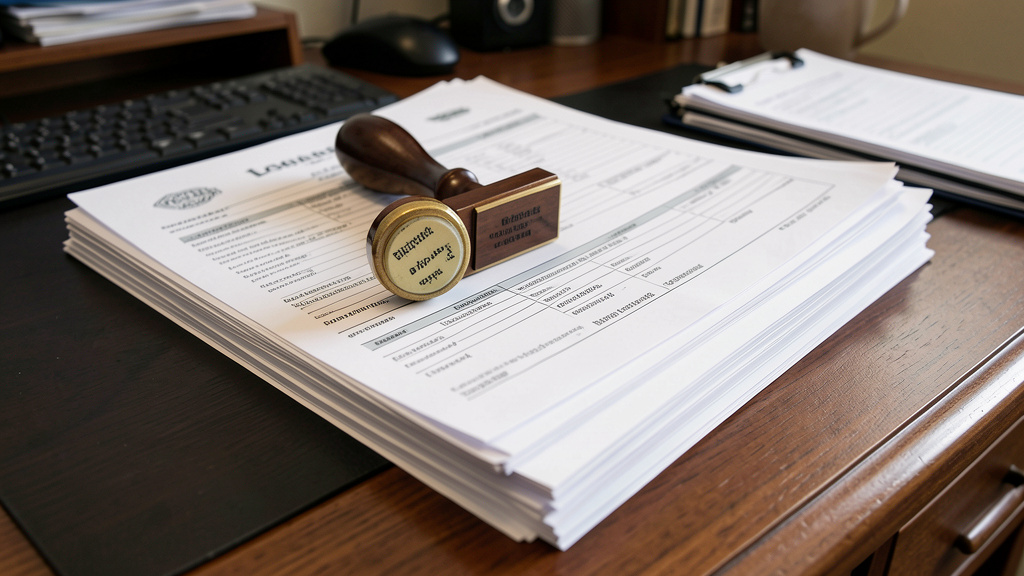
Stop Guessing and Start Building: Your Step-by-Step Framework for Navigating Building Permits Without Costly Delays or Fines
Every homeowner dreams of transforming their space with a new deck, a kitchen remodel, or a backyard shed. But that dream can quickly turn into a nightmare of fines, forced demolitions, or project halts when building permit requirements are overlooked. This guide eliminates the uncertainty by providing a clear, actionable framework to determine exactly when you need approval, how to navigate the application process efficiently, and how to avoid the most common—and costly—mistakes. Whether you’re planning a minor repair or a major addition, you’ll learn to work with your local building department, not against it, saving time, money, and stress.
Introduction
Building permits exist for one fundamental reason: safety. They ensure that construction projects meet minimum standards for structural integrity, fire safety, electrical hazards, accessibility, and environmental protection—safeguarding not only current occupants but future homeowners, emergency responders, and the community at large. While the process can feel bureaucratic, understanding the “why” behind permits transforms them from an obstacle into a valuable checkpoint in your project journey. This guide synthesizes widely recognized patterns across municipal building departments in North America and jurisdictions with comparable regulatory frameworks, referencing commonly adopted model codes including the International Residential Code (IRC), International Building Code (IBC), National Electrical Code (NEC), International Plumbing Code (IPC), and International Energy Conservation Code (IECC). Crucially, local authority always prevails. Your city, county, parish, borough, or municipal district holds final jurisdiction, and their specific amendments, interpretations, or entirely unique ordinances can significantly alter requirements. This guide provides the universal framework to navigate that local landscape confidently, ethically, and efficiently. The goal is not to replace professional consultation but to equip you with the precise language, questions, and preparation needed to engage effectively with officials and make informed decisions about your property.
The Three-Layer Permit Decision Framework
Instead of memorizing endless rules that vary by zip code, adopt a systematic, repeatable approach. The Three-Layer Framework breaks down the permit decision into logical, sequential steps. This method aligns with standard workflows observed across diverse jurisdictions—from dense urban centers with dedicated plan reviewers for each trade to rural townships where a single building official handles all inquiries—and consistently helps homeowners avoid critical missteps. Think of it as your personal decision engine. Apply each layer in order; skipping ahead is the most common source of errors.
Layer 1: Project Type Classification
Begin by objectively categorizing your project into one of these core regulatory domains. Each category carries inherent scrutiny because it correlates directly with specific safety risks codified in building standards worldwide. Misclassification here cascades into every subsequent step.
- Structural Modifications: Any alteration affecting the building’s load path—foundations, footings, load-bearing walls, beams, columns, roof trusses, floor joists, or seismic bracing. Examples: Removing a wall to open a floor plan, adding a second story, building a deck attached to the house, installing a header for a new window opening, constructing a retaining wall over common height thresholds.
- Systems Work: Alterations to regulated mechanical systems. This is subdivided by trade due to distinct licensing and inspection protocols:
- Electrical: Adding circuits, panels, permanent fixtures, EV chargers, generator hookups, or altering service entrances.
- Plumbing: Installing new fixtures, rerouting supply/drain lines, water heater replacement, adding gas lines, or altering vent stacks.
- Mechanical (HVAC): Installing or replacing furnaces, boilers, air handlers, ductwork modifications, or gas-fired appliances.
- Occupancy or Use Changes: Converting space to a different purpose that alters egress, ventilation, or safety requirements. Examples: Transforming a garage into a bedroom or ADU, finishing a basement into habitable space (requiring egress windows), converting a single-family home to a duplex, or adding a commercial kitchen in a residence.
- Exterior Envelope Changes: Modifications impacting weather resistance, energy performance, fire separation, or structural attachment to the building shell. Examples: Complete roof replacement, window/door replacement exceeding jurisdictional thresholds, re-siding, adding insulation to walls/attics, or installing skylights.
- Site Work & Land Alteration: Projects changing the property’s topography, adding structures, or impacting drainage/environment. Examples: Grading beyond typical thresholds, building retaining walls, installing swimming pools/spas, constructing detached sheds/garages above size thresholds, fence installation exceeding height limits, or work within floodplains/wetlands.
Why this layer matters: A homeowner might view a “simple deck” as mere site work. However, if it’s attached to the dwelling and exceeds common height thresholds (often 30 inches), it instantly becomes a structural modification requiring engineered drawings for ledger board attachment, footing depth verification, and guardrail load testing. Similarly, replacing a bathroom vanity without moving plumbing is cosmetic; relocating the sink is plumbing work. Always default to the most conservative classification when uncertainty exists. When in doubt, describe the project neutrally to a permit technician: “I am altering the location of a plumbing fixture” rather than “I’m just moving the sink.”
Layer 2: Scope Thresholds and Triggers
Within each project type, specific quantitative or qualitative thresholds trigger mandatory permit requirements. These thresholds correlate directly with risk levels recognized in model codes. Below is a consolidated reference reflecting common patterns observed across numerous jurisdictions. This is not a substitute for local verification. Treat it as a diagnostic checklist to prepare your inquiry.
| Project Category | Common Permit Thresholds (Illustrative Examples) | Critical Nuances & Hidden Triggers |
|---|---|---|
| Detached Structures | Sheds/garages above typical size thresholds (e.g., 120–200 sq ft in many US jurisdictions); any structure with utilities | Zoning rules (setbacks, height, lot coverage) apply regardless of size. Even exempt structures may require zoning compliance verification. HOA rules often impose stricter limits. |
| Decks & Porches | Above common height thresholds (e.g., 30 inches); attached to dwelling; supporting concentrated loads; above area thresholds | Height measured from walking surface to grade below. Ledger board attachment to house always requires scrutiny. Footings must extend below local frost depth. Guardrails mandatory above common height thresholds. |
| Electrical Work | Any new circuit; panel upgrade/service change; new permanent fixture; EV charger; generator hookup | Replacing a switch/outlet in-kind is often exempt. Adding any new device typically requires permit. AFCI/GFCI requirements vary by room and code cycle. |
| Plumbing Work | New fixture installation; rerouting pipes; water heater replacement; gas line installation; altering vent stack | Repairing a leak in-kind (same location, same pipe type) is often exempt. Relocating any fixture typically triggers permit. Backflow prevention devices required for irrigation/sprinklers. |
| Roofing | Complete tear-off/replacement; changing roof slope; adding skylights; replacing significant portion of roof area | Energy code tie-in: Re-roofing may trigger requirements for added attic insulation or improved ventilation. Ice/water shield requirements vary by climate zone. |
| Windows/Doors | Replacing multiple openings within a timeframe; changing size/location; impact-resistant glazing in designated zones | Energy code compliance (U-factor, SHGC) mandatory for new units. Structural header verification needed if opening size changes. Flashing details critical for water management. |
| Interior Walls | Removing or altering any wall where load-bearing status is unknown; creating new openings in load-bearing walls | Critical: Never assume a wall is non-load-bearing. Look for clues (perpendicular floor joists above, support posts below), but verification by a qualified professional is typically required for permit submittal if structural impact is possible. |
| Fences | Above common height limits (e.g., 6 ft in rear/side yards; lower in front yards); masonry/concrete block above thresholds; pool enclosures | Setback requirements from property lines, streets, and intersections for visibility. Pool fences have strict gate/latch requirements (self-closing, self-latching, minimum height). |
| Swimming Pools/Spas | Any in-ground pool; above-ground pools above depth thresholds; permanent spas | Multiple permits required: Building (structure/fence), Electrical (pump/lighting/GFCI), Plumbing (filtration). Barrier requirements (fence/gate) are non-negotiable safety mandates. |
| Accessory Dwelling Unit (ADU) | Any new habitable structure or conversion creating separate living quarters | High complexity: Zoning (lot size, setbacks, parking), Building (full structural/systems), Energy Code, Egress (bedroom windows), Accessibility (“visitability” features increasingly required). |
Common Mistake Alert: Assuming “small” or “simple” equates to “permit-exempt.” A modest shed might be exempt from a building permit in one municipality but require a zoning permit due to setback violations. A neighbor’s unpermitted deck does not set precedent—enforcement is case-by-case, and non-compliant work discovered during a future sale becomes the current owner’s liability. Never rely on anecdotal evidence. Always verify thresholds directly with the governing authority.
Layer 3: Local Rule Integration – The Non-Negotiable Step
This layer transforms theoretical knowledge into actionable, location-specific intelligence. It is where most DIY research fails. Layer 3 requires proactive, respectful engagement with your specific regulatory ecosystem. Follow this precise sequence:
Step 3.1: Map Your Governing Jurisdictions
Your project may require approvals from multiple entities. Create a checklist:
– Primary Building Department: City, county, township, or parish office handling construction permits. This is your starting point.
– Zoning/Planning Department: Governs land use—setbacks, height limits, lot coverage, density, use permissions. Often separate from building department.
– Historic Preservation Commission: Mandatory review if property is within a designated historic district or is a landmark. Focuses on aesthetics, materials, and historical integrity.
– Homeowners Association (HOA) / Architectural Review Committee (ARC): Crucially, HOA approval is NOT a substitute for municipal permits. However, HOA rules often run parallel (and can be stricter). Obtain HOA approval before submitting to the city to avoid redesigns. Document all HOA communications.
– Environmental Agencies: Local conservation district, state environmental agency, or federal bodies (e.g., Army Corps of Engineers) for work near wetlands, floodplains (FEMA Zone A/V), protected habitats, or significant tree preservation zones.
– Utility Companies: Required notifications or permits for work near overhead power lines, underground gas mains, sewer laterals, or telecom conduits. Call 811 (“Call Before You Dig”) at least 3 business days prior to any excavation—this is a critical safety step.
Step 3.2: Access Official Resources Strategically
- Website Deep Dive: Go beyond the homepage. Search your municipality’s site for:
- “Permit Thresholds” or “When Do I Need a Permit?” (Often a downloadable PDF checklist)
- “Fee Schedule” (Understand cost structure: flat fee vs. valuation-based)
- “Application Forms & Checklists” for your project type
- “Adopted Codes” (e.g., “2021 IRC with [City] Amendments”) – Review amendments!
- Contact directory for “Permit Technicians” or “Pre-Application Consultants”
- Document Everything: Save PDFs, screenshot webpages with dates, note staff names and titles. Regulations change; your documentation protects you.
Step 3.3: Conduct a Targeted Pre-Application Inquiry
This brief interaction is among the highest-return activities in the entire permit process. Prepare meticulously:
– Script Your Inquiry: “Hello, I am planning [concise project description: e.g., ‘a detached shed of approximately 120 square feet, placed 8 feet from my rear property line’]. Could you please confirm: 1) Is a building permit required for this size and location? 2) Are there specific zoning setbacks or lot coverage rules I must follow? 3) What documentation is needed for the application?”
– Ask for Code References: “Could you share the specific code section or ordinance that applies?” This demonstrates seriousness and gives you precise material for further research.
– Request Checklists: “Do you have a project-specific submittal checklist I can review beforehand?”
– Take Notes: Record the date, staff member’s name/title, and key points. Follow up with a brief email summarizing the conversation: “Per our call today, you confirmed X and advised Y. Thank you for your guidance.” This creates a paper trail.
– In-Person Advantage: If feasible, visit during non-peak hours (late morning Tuesday-Thursday). Bring a simple sketch. Face-to-face interaction builds rapport and allows officials to visualize your project, often yielding more nuanced advice.
The Fundamental Principle: Permit requirements reflect codified safety standards developed to prevent documented hazards. Approaching the building department as a collaborative partner seeking to ensure safety and compliance, rather than an adversary to be circumvented, dramatically improves communication, reduces review time, and builds goodwill for future projects. Respect their expertise; they review hundreds of projects annually. Your preparation signals respect for their time and process.
Deep Dive: Permit Requirements by Common Home Project Scenarios
Let’s apply the Three-Layer Framework to real-world projects. For each, we detail typical triggers, critical questions for your building department, documentation needs, and pitfalls. This section transforms abstract rules into actionable intelligence.
Kitchen Remodel: Beyond the Cabinets
Framework Application:
– Layer 1: Primarily Systems Work (plumbing, electrical), potentially Structural (if removing walls), Exterior Envelope (if changing windows).
– Layer 2: Permit triggered by relocating fixtures, adding circuits, altering walls. Cosmetic changes (paint, refacing cabinets) typically exempt.
– Layer 3: Verify local thresholds for electrical circuits added, plumbing reroutes, and structural verification needs.
Critical Permit Triggers & Nuances:
– Plumbing: Moving a sink, dishwasher, or gas range typically requires a plumbing (and possibly gas) permit. Even extending a drain line a few inches triggers inspection to ensure proper slope and venting.
– Electrical: Adding under-cabinet lighting, new outlets (especially GFCI near sinks), dedicated circuits for appliances (dishwasher, disposal), or upgrading the panel requires an electrical permit. AFCI protection is now required in kitchens per NEC updates—your remodel may trigger this upgrade for the entire circuit.
– Structural: Removing a wall between kitchen and living area? This is a frequent structural oversight. If the wall runs perpendicular to floor joists above or has a header, it is likely load-bearing. Permit requirement is typically absolute. Submittal will require structural calculations stamped by a licensed engineer.
– Mechanical: Installing a new range hood that vents outside (strongly recommended over recirculating) requires ductwork modifications, potentially triggering a mechanical permit. Ensure duct terminates away from windows/doors per code.
– Energy Code Connection: Replacing windows? New units must meet local U-factor/SHGC requirements. Some jurisdictions require air sealing verification around new penetrations.
– Historic Districts: Even cabinet style, hardware, or countertop material may require preservation commission approval. Start this process first—it can take months.
Documentation Checklist for Application:
– Site plan showing kitchen layout relative to house
– Electrical plan (outlet locations, circuit assignments)
– Plumbing plan (fixture locations, drain/waste/vent lines)
– Structural drawings (if walls removed—engineer-stamped)
– Product cut sheets for windows, range hood, major appliances
– HOA approval letter (if applicable)
Pitfall to Avoid: “Just swapping the faucet.” If you disconnect supply lines and reconnect them (even to the same location), many jurisdictions require a permit because connections must be pressure-tested and inspected for leaks. When replacing fixtures in-kind without disconnecting supply lines, confirm exemption status with the plumbing inspector. Never assume.
Bathroom Addition or Remodel: Moisture, Safety, and Systems
Framework Application:
– Layer 1: Systems Work (plumbing, electrical, mechanical ventilation), potentially Occupancy Change (if adding a new bathroom in unfinished space).
– Layer 2: Permit triggered by new fixtures, rerouting pipes, adding circuits, installing exhaust fan.
– Layer 3: Verify requirements for egress (if basement bedroom bathroom), ventilation specs, and accessibility features.
Critical Permit Triggers & Nuances:
– Ventilation is Non-Negotiable: Bathroom exhaust fans must vent directly to the outside, not into an attic, crawlspace, or soffit. This prevents catastrophic moisture buildup and mold. Permits ensure duct length, termination location, and fan CFM rating comply with code (typically 50–80 CFM). Inspectors check this during rough-in.
– Plumbing Traps & Vents: Every fixture requires a P-trap and connection to the vent system. Relocating a toilet even slightly may require reconfiguring the waste line and vent—complex work requiring precise slope.
– Electrical Safety: All outlets within 6 feet of a sink must be GFCI-protected. Lighting over showers/tubs requires specific moisture-resistant fixtures. Heated floors often need dedicated circuits.
– Water Heater Relocation: If moving the water heater to accommodate the new bathroom, this requires separate plumbing and gas/electrical permits.
– Basement Bathroom Addition: Creates an Occupancy Change. Requires:
– Egress window well (minimum dimensions per local code)
– Backwater valve on sewer line (critical flood prevention)
– Potential requirement for a sewage ejector pump (if below main sewer line)
– Separate mechanical ventilation calculation
– Accessibility Considerations: While full ADA compliance isn’t required in single-family homes, many jurisdictions now mandate “visitability” features for new constructions or major renovations: step-free entry, minimum doorway widths, reinforced walls for future grab bars. For ADUs or rental units, requirements are stricter. Ask: “Are there any accessibility standards triggered by this remodel?”
Emergency Scenario Protocol: If a pipe bursts causing immediate water damage, most departments allow emergency repairs to stop the leak. However:
1. Notify the building department promptly (call and follow up in writing).
2. Document the emergency with timestamped photos/video.
3. File for the permit as soon as possible.
4. Leave repaired sections accessible for inspection (e.g., don’t patch drywall over new pipe until inspected).
Failure to follow this protocol turns an emergency repair into unpermitted work with potential penalties.
Deck Construction: Where Safety is Structural
Framework Application:
– Layer 1: Structural Modification (primary), Site Work.
– Layer 2: Permit triggered if above common height thresholds, attached to dwelling, above area thresholds, or supporting concentrated loads (hot tub).
– Layer 3: Verify local frost depth, snow load requirements, ledger board attachment specs, and railing load tests.
Why Permits Are Critical Here: Decks are among the most frequent sources of structural failures when built without permits and inspections. A permit process ensures:
– Ledger Board Attachment: Must be flashed correctly (step flashing over house wrap) and secured with through-bolts or structural screws (not nails) into the rim joist. Inspectors verify this before decking is installed.
– Footing Depth: Must extend below the local frost line to prevent heaving. Soil conditions may require engineered footings.
– Guardrail Integrity: Must withstand specified force loads. Posts must be anchored to structural framing. Spindle spacing must prevent a small sphere from passing through (child safety).
– Stair Safety: Risers must be uniform height; treads require minimum depth; landings required at top/bottom; handrails mandatory on one side if above height thresholds.
Step-by-Step Pre-Application Action Plan:
1. Sketch deck design: dimensions, height, attachment points, stair locations, materials.
2. Measure setbacks from property lines (side, rear, house). Note proximity to windows/doors.
3. Determine live load requirements: Standard vs. concentrated loads (e.g., hot tub area).
4. Contact building department: “I plan a [size] attached deck at [height]. What are the specific requirements for ledger attachment, footing depth, and railing details in [Your City]?”
5. Ask: “Do you require engineered drawings stamped by a licensed professional for this scope?”
6. Inquire about required inspections: Footing, framing, final.
Critical Material Note: Using preservative-treated lumber rated for ground contact for posts/footers is typically mandatory. Using standard “above-ground” treated lumber in contact with soil leads to rapid decay and failure. Inspectors check lumber stamps. Similarly, fasteners must be corrosion-resistant per local code requirements.
Common Mistake: Using generic online deck plans without verifying they meet your local snow load, wind speed requirements, or seismic design categories. A plan designed for one region may lack the bracing needed for another. Always have plans reviewed against local amendments.
Shed or Detached Garage: Zoning Before Building
Framework Application:
– Layer 1: Site Work (primary), Structural if over size threshold or on permanent foundation.
– Layer 2: Permit thresholds vary: Size, height, foundation type, utilities.
– Layer 3: Zoning is paramount. Setbacks, lot coverage, height restrictions often govern more strictly than building code.
The Zoning-First Protocol:
1. Contact Zoning Department FIRST: “I want to place a [size] shed [distances] from my property lines. Does this comply with required setbacks and maximum lot coverage for accessory structures?” Get the answer in writing if possible.
2. Verify Building Permit Need: Only after zoning approval, contact Building Department: “Per zoning approval for a [size] shed at [location], is a building permit required?”
3. Key Questions to Ask:
– “What is the maximum allowable height (to peak or eave)?”
– “Are there restrictions on roof style?”
– “If I add electricity later, will that trigger a new permit process?” (Answer is almost always yes).
– “Is a site plan required showing exact location relative to property lines?”
Threshold Considerations:
– Size Exemptions: A small shed may be exempt from building permit in many areas, but:
– Zoning setbacks still apply.
– HOA rules may prohibit it entirely or mandate specific materials/colors.
– If placed within an easement (utility, drainage), it may be subject to removal.
– Foundation Matters: A shed on skids or gravel may be exempt; the same shed on a concrete slab or permanent piers likely requires a permit due to “permanent foundation” classification.
– Utilities = Automatic Permit Trigger: Adding any electrical wiring, plumbing, or heating transforms the structure, triggering full permit requirements regardless of size.
– International Note: Regulations vary significantly by country and region. Always verify with your Local Planning Authority. Conservation areas impose stricter rules.
Documentation Tip: A simple hand-drawn site plan is often sufficient for small sheds: Draw property lines to scale, mark existing house, show proposed shed location with dimensions to all property lines. Label clearly. This clarity speeds approval.
Fence Installation: Boundaries, Safety, and Neighbors
Framework Application:
– Layer 1: Site Work.
– Layer 2: Permit triggered by height, material, location (pool enclosure), or proximity to intersections.
– Layer 3: Verify exact height limits by yard location, setback from property lines, and pool safety requirements.
Critical Safety & Legal Considerations:
– Pool Fences Are Highly Regulated: If enclosing a pool/spa, the fence must meet specific requirements:
– Minimum height per local code
– Self-closing, self-latching gates with latches at specified heights
– Gates must open away from the pool area
– Non-climbable design
Permit and inspection are mandatory. Non-compliance risks severe fines and liability.
– Property Line Precision: Installing a fence directly on the property line can create legal complications. Best practice: Place fence entirely within your property, offset by several inches. A current survey is often required with the permit application. If you lack one, budget for a surveyor.
– Neighbor Protocol (Not Legal, But Critical): While not a permit requirement, inform adjacent neighbors before installation, especially if near the line. Provide a copy of your survey. Disputes can halt projects for months. Some jurisdictions require notarized consent from neighbors for boundary-line fences.
– Intersection Visibility: Fences near street corners or driveways often have reduced height limits for traffic safety. Verify with planning department.
– Material Restrictions: Historic districts may mandate specific materials; some HOAs ban certain types. Check before purchasing materials.
Permit Application Tip: Include a photo of the proposed fence style/material if required by HOA or historic commission. For pool fences, provide gate hardware specifications.
Roof Replacement: More Than Shingles
Framework Application:
– Layer 1: Exterior Envelope.
– Layer 2: Permit triggered by complete tear-off/replacement, changing roof slope, adding skylights, or replacing significant portion of roof area.
– Layer 3: Verify ice/water shield requirements, ventilation upgrades, and energy code tie-ins.
Why Permits Matter Beyond “Just Shingles”:
– Ice Dam Prevention: In cold climates, permits ensure ice and water shield underlayment is installed correctly along eaves, valleys, and penetrations—critical for preventing water intrusion.
– Ventilation Balance: Proper intake and exhaust ventilation prevents moisture buildup in attics, extending roof life and preventing mold. Permits verify calculations meet code.
– Structural Assessment: Adding heavy materials over existing shingles may exceed structural capacity. Permits trigger review of roof deck condition and framing adequacy.
– Energy Code Integration: Many jurisdictions tie roofing permits to energy code compliance. Replacing significant roof area may require:
– Adding insulation to meet current standards
– Installing radiant barriers in hot climates
– Upgrading ventilation
Ask explicitly: “Does this re-roofing project trigger any energy code upgrades for the existing structure?”
– Fire Ratings: In wildfire-prone areas, permits ensure appropriate fire-rated materials are used. Documentation of material ratings is required.
– Insurance Implications: Some insurers require proof of permitted roof replacement to maintain coverage or offer discounts. Others may deny claims for damage if unpermitted work is discovered. Check with your agent before starting.
Contractor Verification: If hiring a roofer, confirm they will pull the permit. Legitimate contractors include permit fees in quotes. If a contractor says “We don’t need a permit for this,” it is a major red flag. The homeowner remains legally responsible for unpermitted work.
Window or Door Replacement: Energy, Structure, and Weather
Framework Application:
– Layer 1: Exterior Envelope.
– Layer 2: Permit triggered by changing size/location, replacing multiple openings within a timeframe, or installing impact-resistant glazing.
– Layer 3: Verify energy code specs (U-factor, SHGC), structural header requirements, and historic district rules.
Threshold Clarification:
– Like-for-Like Replacement: Replacing a window in the exact same opening with identical dimensions and type often does not require a building permit in many jurisdictions. However:
– An inspection may still be required to verify proper flashing and weatherproofing.
– Energy code compliance for the new unit is still mandatory.
– Zoning/historic rules may still apply.
– Changing Size/Location: This typically requires a permit. Why?
– Structural header above the opening must be verified or replaced.
– New rough opening requires precise framing and sheathing repairs.
– Flashing details must be meticulously integrated with the weather-resistant barrier.
Never cut a larger opening without structural verification.
Energy Code Considerations:
– U-factor: Measures heat loss (lower = better insulation). Required values vary by climate zone.
– Solar Heat Gain Coefficient (SHGC): Measures solar heat gain (lower = less heat gain). Critical in hot climates.
– Documentation: Reputable installers provide NFRC labels on each window showing certified ratings. Building departments may request these.
– Air Sealing: Permits ensure gaps between window frame and rough opening are sealed properly—not just superficially caulked. This prevents drafts, moisture intrusion, and energy loss.
Historic District Protocol: If your home is in a historic district:
1. Contact the preservation office before selecting windows.
2. They may require specific materials, divided lites, or hardware styles.
3. Submit product brochures or samples for pre-approval.
4. Use this approval letter when applying for the building permit.
Skipping this step risks denial after purchase/installation.
Interior Renovations: Navigating the Gray Areas
Framework Application:
– Layer 1: Varies by scope—Systems Work if altering plumbing/electrical, Structural if moving walls.
– Layer 2: Permit triggered by moving fixtures, adding circuits, altering walls. Cosmetic work typically exempt.
– Layer 3: Verify local definitions of “repair” vs. “alteration.”
Clear Permit Triggers:
– Moving electrical outlets, switches, or light fixtures (requires box relocation, wire extension)
– Installing new built-in appliances requiring hardwiring
– Adding insulation to walls, attics, or crawlspaces
– Installing new flooring that alters subfloor height significantly
– Creating new openings in walls (doors, pass-throughs)
Commonly Misunderstood “Exempt” Work:
– Replacing Flooring: Installing laminate, vinyl plank, or carpet over existing subfloor is typically exempt. However:
– Leveling an uneven subfloor with compound beyond minimal thickness may be considered an alteration.
– Removing existing tile may reveal damaged subfloor requiring repair—repair work might need inspection if structural.
– Painting/Wallpaper: Purely cosmetic, exempt. Exception: If painting involves removing lead-based paint in pre-1978 homes, EPA RRP rules require certified renovators—this is an environmental regulation, not a building permit, but carries heavy fines for non-compliance.
– Cabinet Installation: Hanging new cabinets without altering walls or utilities is usually exempt. However, if cabinets require new electrical outlets underneath or plumbing for a sink, permits apply to those elements.
The “When in Doubt” Protocol: Describe the physical action, not the intent. Instead of “I’m just updating the kitchen,” say: “I will disconnect the existing sink supply lines, cap the drain, and install a new sink in a different location requiring new supply lines and drain extension.” This precise language allows the permit technician to give an accurate answer. Document their response.
Swimming Pool Installation: A Multi-Department Endeavor
Framework Application:
– Layer 1: Site Work, Structural, Systems Work (electrical, plumbing).
– Layer 2: Permit required for any in-ground pool; above-ground pools above depth thresholds; permanent spas.
– Layer 3: Expect coordinated reviews from Building, Electrical, Plumbing, Zoning, and Fire departments.
Permit Complexity Breakdown:
– Building Permit: Covers pool shell structure, deck framing, and barrier requirements (fence/gate specs).
– Electrical Permit: Mandatory for:
– Pool pump circuit (dedicated, GFCI-protected)
– Underwater lighting
– Outlets near pool edge (must be specified distance from water per code)
– Bonding grid verification (critical shock prevention)
– Plumbing Permit: For filtration system, drains, skimmers, and water features.
– Zoning Permit: Verifies setbacks from property lines, house, and easements. Pool location may affect lot coverage calculations.
– Fire Department Review: May be required for barrier compliance.
Safety Barrier Requirements (Non-Negotiable):
– Minimum height per local code
– Gates must be self-closing and self-latching
– Latch mechanism must be at specified height or protected
– No footholds within specified distance of top
– Non-climbable design
– Gates must open away from pool area
Inspectors measure these precisely during final inspection. Non-compliance = failed inspection.
Timeline Consideration: Pool permits involve multiple sequential reviews. Start the process well in advance of planned excavation. Provide detailed site plans showing:
– Exact pool location with dimensions to property lines
– Fence layout with gate locations
– Equipment pad location
– Electrical panel location and conduit runs
– Drainage plan
Pro Tip: Many departments offer pre-application meetings for pools. Pay the fee—it prevents costly redesigns later. Bring preliminary plans and ask: “What are common reasons pool permits get rejected here?” Their answer is invaluable.
Accessory Dwelling Unit (ADU): Navigating Evolving Regulations
Framework Application:
– Layer 1: Occupancy Change, Structural, Systems Work, Site Work.
– Layer 2: Permit required for any new habitable structure or conversion creating separate living quarters.
– Layer 3: Highly jurisdiction-dependent. State and local laws vary widely on size, parking, utilities.
Critical Areas of Scrutiny:
– Zoning: Minimum lot size, maximum ADU size, setbacks, parking requirements.
– Structural: Foundation design, framing must meet current codes.
– Systems: Full electrical panel, separate plumbing supply/drain lines, dedicated HVAC or heating source. May require separate utility meters.
– Egress: Each bedroom requires an emergency escape window meeting minimum dimensions. Basements require window wells.
– Accessibility: “Visitability” features increasingly required: step-free entry, minimum doorway widths, reinforced bathroom walls. Some jurisdictions require full accessibility for rental ADUs.
– Fire Separation: If attached to primary dwelling, fire-rated wall assembly between units is typically required. Detached ADUs have separation distance requirements.
Streamlining Strategy:
1. Check for Pre-Approved Plans: Many cities offer “pattern books” of pre-reviewed ADU designs. Using one can reduce review time significantly.
2. State Law Awareness: Research if your state has ADU laws limiting local restrictions. Cite these respectfully during inquiries.
3. Phased Approach: Some departments allow streamlined approval for ADUs meeting all objective standards. Confirm if your project qualifies.
4. Utility Coordination: Contact water, sewer, and electric companies early. Upgrading service lines or meters can add significant cost and time. Get written estimates.
Documentation Intensity: ADU applications are among the most complex. Expect to submit:
– Survey/plat map
– Site plan with setbacks
– Architectural drawings
– Structural calculations (engineer-stamped)
– Energy compliance report
– Plumbing/electrical/mechanical schematics
– Product specifications
– HOA approval (if applicable)
– Proof of property ownership
Start gathering documents early. Consider hiring a designer or expediter familiar with local ADU processes—their fee is often justified by avoiding delays.
Navigating the Permit Application Process: From Inquiry to Issuance
Once you’ve confirmed a permit is required using the Three-Layer Framework, follow this meticulous process to ensure a smooth submission and review.
Step 1: Assemble the Complete Application Package
Incomplete applications are the #1 cause of delays. Building departments routinely return packages missing even one item. Treat this like a legal filing—precision matters. Create a master checklist based on the department’s official submittal requirements. Typical components include:
- Completed Application Form: Download the current version from the department website. Fill digitally if possible for clarity. Sign and date.
- Site Plan (to Scale):
- Show entire property with dimensions
- Mark existing structures (house, garage)
- Show proposed work with precise dimensions
- Indicate distances to all property lines (setbacks)
- Note easements, utilities, trees, slopes
- Label scale clearly
- Construction Drawings (Project-Dependent):
- Simple projects (shed, fence): Clear sketch with dimensions, materials noted
- Moderate projects (deck, bathroom): Dimensioned floor plan, elevation views, detail sketches
- Complex projects (addition, ADU): Architectural drawings, structural calculations (engineer-stamped), MEP schematics
- Product Documentation: Cut sheets or spec sheets for critical items:
- Windows/doors (showing U-factor, SHGC, fire rating)
- Roofing materials (fire class, wind rating)
- Structural components
- Pool equipment
- Supporting Approvals:
- HOA/ARC approval letter (signed, dated)
- Historic preservation commission approval (if applicable)
- Zoning compliance letter or site plan approval stamp
- Environmental agency permits
- Contractor Information (If Applicable):
- Contractor license number (verify active status)
- Certificate of Insurance (COI) naming property owner as “Additional Insured”
- Worker’s Compensation certificate (if required)
- Survey: Current property survey from licensed surveyor, especially for fences, pools, or structures near property lines.
- Fee Payment: Check current fee schedule. Fees may be flat, valuation-based, or combination. Budget appropriately for permit fees. Have payment method ready.
Pro Tip: Organize documents logically and use tab dividers if submitting physically. For digital submissions, combine into a single PDF with clear bookmarks. Label files clearly. This professionalism signals competence and speeds review.
Step 2: Submission and Initial Review
- Submission Method: Confirm preferred method:
- Online Portal: Most efficient; provides tracking number. Create an account beforehand.
- In-Person: Allows immediate verification of completeness. Go early in the week to avoid rushes.
- Mail: Least recommended—no confirmation of receipt; risk of loss.
- Receipt is Critical: Obtain a stamped receipt, email confirmation, or portal-generated case number. This is your tracking ID. Note the assigned plan reviewer’s name if provided.
- Initial Screening: Many departments have an intake step where staff verify completeness before assigning to a reviewer. If items are missing, they’ll notify you immediately—respond promptly to avoid queue delays.
Step 3: The Plan Review Cycle
- Timeline Expectations:
- Over-the-Counter (OTC) Permits: Simple projects approved same day if complete.
- Standard Review: Moderate projects (deck, bathroom) typically take 5–15 business days.
- Complex Review: Major projects (addition, ADU) commonly take several weeks.
Ask for the department’s published review timeframes and current backlog status. - Reviewer Comments: You’ll receive marked-up plans or a comment sheet listing required revisions. Common comments relate to structural details, electrical safety, or zoning compliance.
- Responding to Comments:
- Read all comments carefully. Call the reviewer if unclear.
- Revise drawings/documents precisely. Highlight changes.
- Submit a cover letter summarizing revisions and referencing prior discussions.
- Resubmit promptly. Delays in response reset your place in the queue.
- Multiple Cycles: Complex projects often require multiple review cycles. Patience and professionalism are key. Building rapport with the reviewer pays dividends.
Step 4: Permit Issuance and Job Site Protocol
- Approval Notification: You’ll receive approval via email, portal update, or phone call.
- Permit Placard: Pick up or print the official permit document. This must be posted prominently at the job site—typically in a front window or on a stake near the work area. Inspectors will look for it. Failure to post can result in a failed inspection or citation.
- Validity Period: Permits typically expire if:
- Work doesn’t commence within specified timeframe after issuance
- Work is suspended/abandoned for specified period
- Project isn’t completed within validity period
Check your permit for exact deadlines. Extensions may be available. - Amendments: Need to change plans after permit issuance? Submit a permit amendment request before making changes. Working outside the approved scope is treated as unpermitted work.
The Inspection Process: Your Safety Net
A permit is not a single approval but a series of verifications at critical construction phases. Scheduling inspections correctly is as important as the permit itself.
Required Inspection Sequence (Project-Dependent)
- Pre-Construction / Site Inspection: Verifies property lines, setbacks, erosion control. Often required before breaking ground.
- Footings / Foundation: After excavation and rebar placement, before concrete pour. Verifies depth, width, reinforcement.
- Underslab Plumbing: For slabs—verifies drain lines before concrete.
- Framing: After structural elements are complete, before insulation and drywall. Critical for structural, fire blocking, and rough-in verification.
- Rough-In Inspections (Often Separate):
- Plumbing Rough: After pipes installed, before walls closed. Pressure test required.
- Electrical Rough: After wiring/device boxes installed, before walls closed.
- Mechanical Rough: For HVAC ductwork, gas lines.
- Insulation / Drywall: Verifies insulation type/R-value, vapor barriers, fire caulking around penetrations.
- Final Inspection: After all work is complete—fixtures installed, paint dry, site cleaned. Verifies compliance with all approved plans.
- Specialty Inspections: Pool barrier, deck ledger attachment, fireplace/chimney, energy compliance.
Inspection Scheduling Protocol
- Advance Notice: Most departments require 24–48 hours notice. Schedule online or by phone. Have your permit number ready.
- Be Present: Whenever possible, be on-site during inspections. You can:
- Answer inspector questions immediately
- Clarify intent if plans are ambiguous
- Learn directly from the inspector’s observations
- Build positive rapport
- Prepare the Site: Ensure safe access to inspection areas. Clear debris. Have tools/materials available if minor corrections are needed.
- If You Fail an Inspection:
- Receive written deficiency report. Read it thoroughly.
- Correct only the cited items—don’t make unrelated changes.
- Reschedule promptly. Most departments allow limited re-inspections without additional fees.
- If you disagree with a citation, ask: “Could you please reference the specific code section?” Then discuss solutions respectfully.
- Inspection Pass = Green Light: Proceed to the next phase. Keep all inspection reports filed with your permit documents.
Special Scenarios and Advanced Considerations
Historic Districts and Landmark Properties
Properties within designated historic districts or listed as local/national landmarks face an additional regulatory layer focused on preserving architectural character.
- Start Early: Contact the historic preservation office before conceptualizing your project. They often provide design guidelines covering:
- Window styles, materials, and divided lite patterns
- Roofing materials
- Siding types and colors
- Porch details, railings, and brackets
- Landscaping and hardscape materials
- Documentation Requirements: May include historic photographs, architectural drawings, material samples, or justification for changes.
- Review Process: Applications go before a preservation commission at public meetings. Prepare a concise presentation. Frame your project as preserving the home’s legacy while updating for safety and modern living. Patience and collaboration are essential.
- Silver Lining: Many jurisdictions offer tax credits or grants for historically appropriate rehabilitation work. Inquire about incentives.
Environmental Regulations and Sensitive Sites
Projects near ecologically sensitive areas require additional permits and precautions.
- Wetlands and Waterways:
- Federal, state, and local jurisdictions may apply.
- Required: Wetland delineation survey, mitigation plan.
- Never assume a small seasonal stream is exempt.
- Floodplains (FEMA Zones A, AE, V):
- Lowest Floor Elevation must meet requirements.
- Requires elevation certificate.
- Construction techniques: Flood vents, breakaway walls, elevated utilities.
- May require flood insurance before permit issuance.
- Tree Preservation:
- Many municipalities protect significant trees.
- Removing/pruning may require arborist report and mitigation.
- Root protection zones must be fenced off during construction.
- Erosion and Sediment Control:
- Required for projects disturbing soil beyond thresholds.
- Plan must show silt fences, straw wattles, inlet protection.
- Inspections may occur during rain events.
Action Step: During Layer 3 research, explicitly ask: “Does my property lie within any environmentally regulated areas?” Request maps. Ignorance is not a defense against significant fines.
Navigating Permit Denials: A Constructive Path Forward
Rejection is not failure—it’s feedback. Handle it strategically.
- Request Written Clarification: “Could you please provide the specific code sections, ordinances, or plan deficiencies that led to denial?” Get it in writing.
- Schedule a Meeting: Request a brief meeting with the plan reviewer or supervisor. Come prepared:
- Acknowledge their concerns
- Present revised solutions addressing each point
- Ask: “What would make this approvable?”
- Revise and Resubmit: Incorporate feedback precisely. Highlight changes. Include a cover letter summarizing revisions.
- Appeal Process (If Warranted): Most jurisdictions have a Board of Building Appeals.
- File a formal appeal with fee
- Prepare a concise case citing code sections or engineering data
- Attend hearing; present calmly and professionally
- Note: Appeals are for interpretation disputes, not to override clear code requirements.
- Seek Expert Help: If stuck, consult:
- A local architect or engineer familiar with the department
- A permit expediter
- Your contractor (if licensed and experienced locally)
Mindset Shift: View the reviewer as an ally ensuring your project’s long-term safety and value. Their feedback prevents future complications.
Overcoming Common Friction Points: Practical Solutions
“The Process Feels Overwhelming”
Break it into micro-actions. Use the Three-Layer Framework as your checklist:
– Monday: Complete Layer 1 (Project Type Classification) for your project.
– Tuesday: Research Layer 2 thresholds using the table in this guide.
– Wednesday: Draft your pre-application inquiry script for Layer 3.
– Thursday: Call building department; take notes.
– Friday: Organize findings into a simple document.
Celebrate completing each step. Momentum builds confidence.
“I’m Worried About Cost and Time”
Reframe permit fees and time as risk mitigation:
– Cost Perspective: Permit fees typically represent a small percentage of project cost. Compare this to potential costs of fines, corrections, reduced property value, or denied insurance claims.
– Time Perspective: A permit review period prevents months of delays if work is halted mid-project or requires redesigns.
Consider this: Skipping required permits to save initial time or fees can lead to significant expenses and project delays if non-compliant work is discovered later. The permit process, while requiring upfront investment, prevents downstream risks that far exceed the initial effort.
“What If I Already Did Work Without a Permit?”
This requires careful handling. Options vary by jurisdiction and project risk:
– Retroactive Permit (Best Path):
– Contact building department proactively.
– Explain situation honestly: “I completed [work] and want to bring it into compliance.”
– Be prepared for inspections that may require exposing work.
– Fees may be higher; penalties possible but sometimes waived for voluntary disclosure.
– Correct any deficiencies found.
– Disclosure During Sale:
– If selling, you must disclose unpermitted work per real estate law.
– Provide documentation of retroactive permit process if initiated.
– Buyers may request price reduction or require corrections pre-closing.
– Critical Warning: Never conceal unpermitted work. Discovery post-sale can lead to significant complications. Honesty and remediation are always the safest path.
“My Contractor Says We Don’t Need a Permit”
This requires verification:
1. Verify Independently: Use the Three-Layer Framework. Call the building department yourself with project details.
2. Understand Motives: Some contractors avoid permits to skip licensed subcontractor requirements, avoid inspection scrutiny, or reduce project timeline.
3. Contract Clause: Ensure your contract states: “Contractor shall obtain all required permits and schedule all inspections. Work shall not commence until permits are issued.”
4. Liability Reality: In most jurisdictions, the property owner is ultimately liable for unpermitted work on their land, regardless of contractor assurances. Protect yourself.
5. Trust but Verify: A reputable contractor welcomes permits—they validate their work quality and protect their license. If a contractor resists permits, consider finding a new contractor.
Your Questions, Answered
Q: Do I need a permit to replace my water heater?
A: In most jurisdictions, yes. Water heater replacement involves critical safety systems: gas line connections (risk of leaks), electrical wiring (for electric models), temperature and pressure relief valve discharge piping, and combustion air requirements. An inspection verifies proper venting (to prevent carbon monoxide buildup), seismic strapping (in earthquake zones), and clearance from combustibles. Skipping this permit risks serious safety hazards. Always confirm with your local plumbing/mechanical division, but assume a permit is required.
Q: Can I do the work myself, or do I need a licensed contractor?
A: Most areas allow homeowners to perform work on their primary residence without a contractor’s license. However, critical caveats apply:
– You are held to the exact same code standards as a licensed professional.
– You must pull the permit in your name and be present for inspections.
– For specialized trades (electrical, plumbing, HVAC), some jurisdictions require licensed professionals for specific high-risk tasks.
– If you hire any subcontractor, they must be licensed and insured, and you (as permit holder) are responsible for verifying their credentials.
– Strong Recommendation: For complex systems work (electrical panel upgrades, gas line runs, structural modifications), hire licensed professionals. The liability and safety risks outweigh DIY savings. For simpler tasks (shed assembly, fence installation), DIY is often feasible with thorough preparation.
Q: How long does it take to get a permit?
A: Timelines vary significantly by project complexity and department workload:
– Over-the-Counter (OTC): Simple projects may be approved same-day if application is complete.
– Standard Review: Moderate projects typically take 5–15 business days.
– Complex Review: Major projects commonly take several weeks.
Pro Tip: When submitting, ask: “What is the current average review time for this project type?” and “Who is the assigned reviewer I can follow up with after [X] days?” Many departments offer online portals to track status. Starting early and submitting a flawless application minimizes delays.
Q: What happens if I build without a permit?
A: Consequences vary based on project risk, jurisdiction enforcement, and discovery timing:
– During Construction: Stop-work order halting all activity until permit is obtained. Fines may apply. Possible requirement to expose work for inspection.
– During Home Sale: Discovery by home inspector is common. Buyer may demand retroactive permitting, price reduction, or cancellation of sale. Unpermitted work can complicate financing and reduce buyer confidence.
– After Damage: Insurance companies may deny claims related to unpermitted work.
– Extreme Cases: In jurisdictions with strict enforcement, significant fines are possible.
The consistent pattern: The short-term “convenience” of skipping permits creates long-term financial, legal, and safety liabilities far exceeding the effort of compliance.
Q: Are there any projects that truly never require a permit?
A: Generally, purely cosmetic work with no alteration to structure, systems, or occupancy does not require permits. Common examples:
– Painting walls, ceilings, or trim
– Wallpapering
– Replacing cabinet hardware, faucets without disconnecting supply lines
– Installing carpet, vinyl plank, or laminate flooring over existing subfloor
– Hanging pictures, shelves (using appropriate anchors)
– Replacing light fixtures in existing boxes (check local rules)
Crucial Caveat: “Repair” vs. “Alteration” is key. Replacing a rotted deck board in-kind may be exempt; rebuilding the deck frame is not. When the scope blurs, use the Three-Layer Framework and verify with the building department. Never assume.
Q: Do I need a permit for a pergola, arbor, or trellis?
A: Typically no for freestanding structures under specific thresholds, but verify:
– Must be open-roofed (less than 50% coverage)
– Height usually limited
– Must be freestanding (not attached to house or deck)
– Must comply with zoning setbacks
– Permit Required If: Attached to dwelling, includes electrical wiring, has a solid roof, exceeds height limits, or is in a historic district. When adding lighting, the electrical work requires a permit even if the structure itself does not. Always confirm with your building department using precise project details.
Q: What’s the difference between a building permit and a zoning permit?
A: These address fundamentally different concerns and are often issued by separate departments:
– Zoning Permit / Compliance Certificate: Focuses on land use. Verifies your project complies with setbacks, height restrictions, lot coverage limits, use permissions, and parking requirements. Obtain zoning approval FIRST.
– Building Permit: Focuses on construction safety. Verifies the proposed work meets structural, fire, electrical, plumbing, and energy codes.
Workflow: 1) Confirm zoning compliance, 2) Apply for building permit with zoning approval documentation, 3) Proceed with construction per approved plans. Confusing these two is a common cause of project delays.
Q: Can I get a permit for work done by a previous owner?
A: Yes, through a retroactive permit process, but challenges exist:
– The current property owner is responsible for bringing work up to current code standards.
– Inspections may be invasive (cutting holes to verify framing, wiring, plumbing).
– Fees may be higher than standard permits; penalties possible but sometimes waived.
– Full documentation of corrections is required.
– Critical for Sales: Disclose the retroactive permit process to potential buyers. Provide all documentation showing compliance was achieved. This transparency builds trust. Consult your building department about their specific retroactive process before purchasing a property with suspected unpermitted work.
Q: Do temporary structures require permits?
A: It depends entirely on duration, size, and use:
– Construction Trailers: On-site for extended periods often require a temporary use permit.
– Event Tents: Tents above size thresholds require fire department permits for flame-resistant certification, exit access, and fire extinguisher placement.
– Temporary Fencing: For construction sites, often required for safety.
– Holiday Decorations: Generally exempt if temporary and not attached to structure.
Always check: Describe the structure, duration, and purpose to your building department. Don’t assume “temporary” means “exempt.”
Q: How do I find my local building department’s contact information?
A: Use these precise search strategies:
1. Official Government Website: Search “[Your City Name] official website” or “[Your County Name] government”. Look for departments named Department of Building and Safety, Office of Planning and Development, etc.
2. Phone Directory: Call your city/county main line; ask for “Building Permits” or “Development Services”.
3. In Person: Visit city hall or the county administration building; ask at the information desk.
4. Avoid: Relying solely on third-party websites. Always verify details on the official .gov website. Save the direct phone number and email of the permit technician for your project type.
Q: What should I do if my building department is unresponsive?
A: Persistent but professional follow-up is key:
– Document Attempts: Log dates, times, names of staff contacted, and methods.
– Escalate Politely: If no response in several business days:
– Email the department head or manager with your inquiry details.
– Visit in person with your documentation.
– Leverage Resources:
– Local chapter of NAHB or remodeling association may have insights.
– Your city councilmember’s office can sometimes facilitate contact (use as last resort; frame as seeking process clarity).
– Mindset: Staff are often overloaded. Patience and professionalism yield better results than frustration. A concise, well-prepared inquiry stands out.
Conclusion and Your Next Step
Navigating building permits is not about bureaucratic hoop-jumping; it’s about stewardship. It’s the process that ensures the deck where your children play is structurally sound, the electrical system powering your home is safe, and the addition you build today will shelter families for generations. By mastering the Three-Layer Framework—classifying your project with precision, understanding scope thresholds, and integrating local rules with proactive engagement—you transform uncertainty into confidence. You shift from fearing the building department to collaborating with them as essential partners in creating a safe, valuable, and compliant home.
Recap: The 3 Non-Negotiable Principles
- Classify Objectively: Anchor your inquiry in project type (structural, systems, etc.), not subjective terms like “small” or “simple.” Precision prevents miscommunication.
- Verify Locally, Always: Model codes provide context, but your municipal building department’s rules are law. A single prepared phone call is the highest-leverage action you can take.
- Document Relentlessly: Save webpages, note staff names, email summaries of conversations, organize application materials meticulously. Your documentation is your advocacy tool and liability shield.
The 24-Hour Rule
Within the next 24 hours, take one concrete, tiny action that breaks the inertia of uncertainty:
➡️ Open a new browser tab. Search “[Your City] building department permit thresholds.” Download the “When Do I Need a Permit?” guide.
➡️ If you can’t find it online, call the building department. Say: “I’m planning a [briefly describe project]. What is the very first step to determine if a permit is required?” Write down the answer.
This single step moves you from passive worry to active preparation. It costs nothing but builds immediate momentum. Do it now—before closing this article.
The Big Picture
Permits are woven into the fabric of safe, resilient communities. Every permitted project contributes to collective safety—protecting families, supporting property values, and honoring the craftsmanship that defines our built environment. By following this guide, you do more than avoid fines; you affirm your commitment to building something lasting, responsible, and worthy of pride. Your diligence today ensures that your project becomes a source of joy and security for years to come, not a hidden liability. Build wisely. Build safely. Build with confidence.
Explore Our Complete Home Compliance System:
Understanding Zoning Laws: A Homeowner’s Guide to Property Rights and Restrictions | DIY Project Planning: From Vision to Blueprint with Confidence | The Home Inspection Handbook: What Buyers and Owners Must Know | Navigating HOA Rules: A Strategic Guide to Architectural Approval | Energy Code Upgrades Made Simple: Boost Efficiency While Staying Compliant | Historic Home Renovation: Preserving Character While Meeting Modern Standards | The Contractor Vetting Checklist: Hiring with Confidence and Avoiding Costly Mistakes