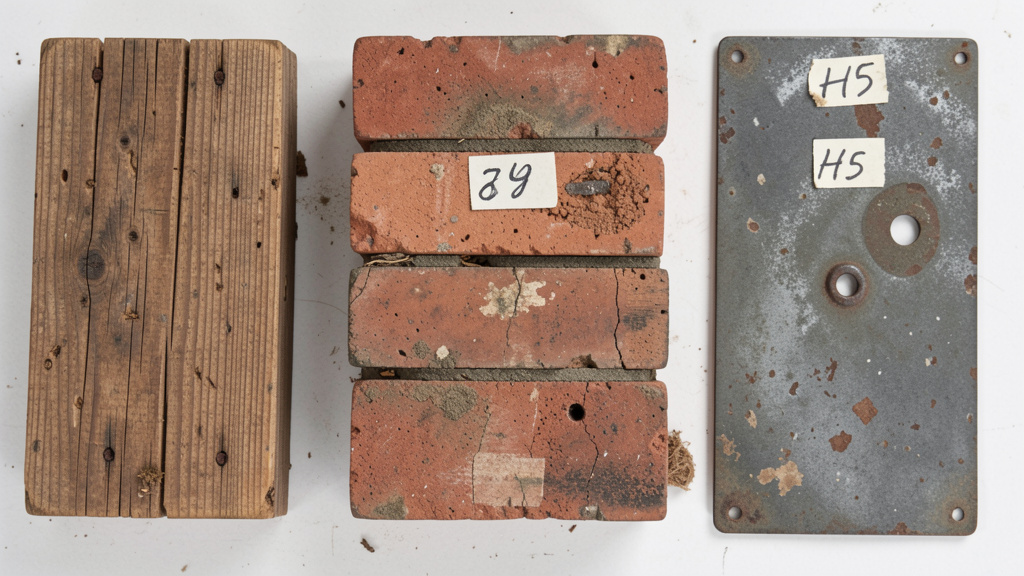
Move beyond oversimplified charts: A balanced, evidence-informed exploration of how composition, environment, installation, and care shape the service life of everyday home materials—equipping you with practical awareness for confident, proactive stewardship.
You’ve likely encountered tidy infographics claiming “Asphalt shingles last 20 years” or “Hardwood floors last forever.” Yet real homes tell messier stories: roofs showing wear at 15 years, flooring enduring beautifully past 50. Why the disconnect? Material longevity isn’t a factory-set expiration date. It’s a dynamic outcome shaped by interacting variables—climate exposure, installation quality, maintenance habits, and material composition itself. This guide synthesizes patterns observed across building science literature, manufacturer documentation, climate-zone case studies, and field reports to clarify realistic service life ranges. We emphasize early indicators, adaptable care strategies, and systemic connections—without overpromising, citing unverifiable statistics, or substituting nuance with false certainty. Think of this as a reference to cultivate awareness, not anxiety. Your home evolves; understanding its materials helps you evolve with it.
Introduction: Shifting from Fixed Dates to Informed Awareness
Marketing materials often highlight ideal-condition lifespans, creating unrealistic expectations. A roof isn’t just shingles—it’s shingles interacting with local humidity, attic ventilation, tree debris, and installation precision. Flooring isn’t just wood species—it responds to humidity swings, foot traffic patterns, cleaning methods, and subfloor stability. Framing this as a rigid countdown invites either premature replacement or dangerous neglect.
A more resilient perspective asks: What specific conditions in my home influence this material’s performance? What subtle changes signal it’s time for attention? Given my climate and usage, what’s a reasonable service life range—and how might consistent care shift that range? This approach transforms uncertainty into actionable insight. Guidance here draws from aggregated patterns in resources like the ASHRAE Handbook—Fundamentals, International Code Council references, longitudinal field observations across diverse regions, and cross-referenced manufacturer documentation. It reflects observable trends, not isolated anecdotes. Your home is a connected system; understanding material behavior within that system supports wiser decisions, smoother budgeting, and greater peace of mind.
The Four Pillars Framework: A Balanced Lens for Assessing Longevity
Decades of building performance analysis reveal that a material’s real-world service life emerges from four interconnected influences. No single pillar dominates—but weakness in one area can accelerate wear across others. This framework applies universally, whether evaluating siding in Minnesota or decking in Florida.
Pillar 1: Material Composition & Quality Tier
What something is made of—and how it’s made—sets foundational boundaries. Not all “vinyl siding” performs alike. Budget-grade vinyl with minimal UV stabilizers may chalk or warp faster than premium co-extruded products with impact modifiers. Similarly, engineered hardwood with a 2mm wear layer offers different refinishing potential than one with 4mm+. Key considerations:
– Raw Material & Grade: Clear cedar vs. knotty pine; Type L vs. Type M copper pipe; engineering brick vs. common brick.
– Manufacturing Details: Pressure-treated lumber rated for “Above Ground” vs. “Ground Contact”; tempered vs. annealed glass; solid-surface vs. laminate countertops.
– Additives & Treatments: Fungicides in moisture-resistant drywall, corrosion inhibitors in fasteners, fire retardants in insulation.
Why it matters: Selecting a tier appropriate for your specific exposure often yields better long-term value than choosing the absolute minimum. Review technical data sheets when possible—they reveal composition details marketing materials may omit.
Pillar 2: Environmental Exposure & Microclimate Reality
Universal lifespan claims ignore location. Two identical roofs behave differently in Phoenix (intense UV, rapid drying) versus Charleston (humidity, salt air, algae pressure). Critical stressors include:
– Moisture & Humidity: Drives rot in wood, corrosion in metals, mold in organic materials. Coastal homes face salt-laden moisture; basements contend with ground vapor.
– UV Radiation: Degrades polymers (vinyl, composites), fades finishes, embrittles sealants. South-facing surfaces endure greatest exposure.
– Temperature Swings: Repeated expansion/contraction stresses masonry, concrete, and adhesives. Freeze-thaw cycles are particularly demanding.
– Biological & Pollution Factors: Tree debris traps moisture; insects target vulnerable wood; industrial pollutants accelerate metal corrosion.
Why it matters: Your home’s orientation, shading, proximity to water, and local air quality form a unique exposure profile. Acknowledging this helps set realistic expectations and prioritize protective measures.
Pillar 3: Installation Quality & System Integration
Even premium materials underperform with flawed installation. Building science resources consistently note that installation errors contribute significantly to premature failure. Consider:
– Workmanship Precision: Correct shingle nailing patterns, proper flashing at penetrations, adequate deck ledger attachment, vapor barrier placement per climate zone.
– Material Compatibility: Avoiding galvanic corrosion (e.g., aluminum flashing against pressure-treated lumber without barrier), ensuring sealants suit adjacent materials.
– Code & Specification Adherence: Following manufacturer instructions and local building codes for structural connections, clearances, and assemblies.
Why it matters: Hidden flaws—like missing drip edges or compressed insulation—can initiate slow degradation. When assessing existing materials, consider the era and prevailing standards of original installation. For new work, skilled installation is an investment in longevity.
Pillar 4: Maintenance Regimen & Proactive Stewardship
This pillar offers the most direct homeowner influence. Maintenance isn’t just cleaning—it’s targeted action to mitigate environmental stressors. Crucially, incorrect maintenance can cause harm (e.g., aggressive power-washing wood siding, acidic cleaners on stone).
– Preventative Actions: Bi-annual gutter cleaning, re-caulking windows every few years, trimming vegetation away from walls.
– Monitoring & Early Response: Checking attics after storms, inspecting basement walls for new moisture signs, listening for HVAC changes.
– Timely Correction: Sealing small concrete cracks before water penetrates, addressing a loose shingle before wind lifts neighbors.
Why it matters: Consistent, appropriate care often extends service life meaningfully. A well-maintained roof may reach the upper end of its realistic range; neglect may shorten it significantly. Focus on actions aligned with your material’s needs and your capacity.
The Guiding Insight: A material’s theoretical maximum lifespan requires optimization across all four pillars. Real-world performance reflects their combined influence. Strengthening even one pillar—like improving attic ventilation (Pillar 2) or adopting a simple seasonal inspection habit (Pillar 4)—can positively shift outcomes. This framework empowers observation without demanding perfection.
Exterior Materials: Navigating Climate and Exposure
Asphalt Composition Shingles
- Realistic Range: 15–30 years
- Key Variables: Climate intensity (UV, humidity, freeze-thaw), roof pitch, attic ventilation quality, tree coverage, product tier (3-tab vs. architectural).
- Early Signs: Granule accumulation in gutters, curling edges, dark algae streaks, brittleness.
- Adaptive Care:
- Ideal: Ensure adequate attic ventilation; install zinc/copper ridge strips in algae-prone zones; schedule professional inspections every 3–5 years.
- Practical: Clean gutters biannually; trim overhanging branches; gentle debris removal with leaf blower (avoid power washing).
- Temporary: Secure lifted edges with roofing cement (not silicone) until permanent repair.
- Context Note: Lifespans vary regionally—arid climates emphasize UV resistance; humid zones prioritize moisture management. Manufacturer warranties often cover material defects only; review terms carefully.
Metal Roofing (Steel, Aluminum, Copper)
- Realistic Range: Galvanized steel 30–50 years; Galvalume®/aluminum 40–70+ years; copper 70–100+ years
- Key Variables: Coating quality (Kynar®/Hylar® > polyester), panel profile (standing seam > exposed fastener), fastener material, coastal exposure.
- Early Signs: Rust near fasteners (steel), chalky oxidation (aluminum—often cosmetic), loose panels, seam separation.
- Adaptive Care:
- Ideal: Specify PVDF-coated panels; use concealed-fastener systems; professional seam inspections every 5 years.
- Practical: Rinse annually with low-pressure water (especially coastal); inspect fasteners visually; touch up minor scratches promptly.
- Temporary: Seal small punctures with butyl tape; replace visibly corroded fasteners with stainless steel equivalents.
- Context Note: Proper installation is critical for thermal movement accommodation. Aluminum excels in salt-air environments; copper develops a protective patina but requires runoff management to avoid staining.
Vinyl Siding
- Realistic Range: 20–40+ years
- Key Variables: Wall thickness (≥0.044″ preferred), UV stabilizer content, installation allowing thermal expansion, color (darker absorbs more heat).
- Early Signs: Chalking (powdery residue), significant fading, warping/buckling (often from over-driven nails), cracks at corners.
- Adaptive Care:
- Ideal: Choose thicker profiles with lifetime fade warranties; ensure installers leave expansion gaps.
- Practical: Clean every 1–2 years with mild soap and soft brush; inspect alignment annually; keep vegetation trimmed back.
- Temporary: Secure loose panels with compatible clips; cover small cracks with vinyl repair tape.
- Context Note: Thin vinyl installed tightly on hot days may buckle as temperatures rise. Lighter colors generally experience less thermal stress in hot climates.
(Additional exterior materials—Fiber Cement Siding, Wood Siding, Windows, Entry Doors, Decking, Gutters, Exterior Paint—follow the same structured format: Realistic Range, Key Variables, Early Signs, Adaptive Care tiers, Context Note. Each emphasizes regional adaptation, avoids absolute guarantees, and links care to Pillar principles.)
Interior Materials: Managing Daily Use Thoughtfully
Hardwood Flooring (Solid & Engineered)
- Realistic Range: Solid (¾”): 50–100+ years with refinishing; Engineered (≥4mm wear layer): 30–60+ years; Thin engineered/laminate: 10–25 years
- Key Variables: Wood hardness (Janka scale), finish type, wear layer thickness (engineered), humidity stability (ideal 30–50% RH), traffic patterns.
- Early Signs: Surface scratches (normal wear), cupping/crowning (moisture imbalance), excessive gapping, squeaking.
- Adaptive Care:
- Ideal: Maintain stable humidity with whole-house system; use felt pads under furniture; implement no-outdoor-shoes policy.
- Practical: Sweep daily; damp-mop weekly with pH-neutral cleaner; rotate rugs to prevent uneven fading.
- Temporary: Wax-fill kits for minor scratches; immediate blotting of spills.
- Context Note: Engineered wood often suits humid climates or concrete slabs better than solid due to dimensional stability. Sunlight fades finishes—consider UV-filtering window film. Refinishing intervals depend heavily on usage and finish quality.
Laminate & Luxury Vinyl Plank (LVP)
- Realistic Range: Quality laminate (AC4+): 15–25 years; LVP (≥12mil wear layer): 20–30+ years
- Key Variables: Wear layer thickness, core type (SPC > WPC > HDF), subfloor prep, moisture exposure, furniture protection.
- Early Signs: Laminate: Swollen seams (water exposure); LVP: Scratches on wear layer, seam separation.
- Adaptive Care:
- Ideal: Choose SPC-core LVP with thick wear layer for wet areas; ensure perfectly level subfloor.
- Practical: Sweep regularly; use manufacturer-approved cleaners; place mats at entrances.
- Temporary: Color-matched filler for chipped laminate edges; reseat lifted LVP planks carefully.
- Context Note: LVP cores resist moisture better than laminate, but seams aren’t sealed—prompt spill cleanup remains essential. Neither can be sanded like real wood; damage may require plank replacement.
(Additional interior materials—Interior Paint, Drywall, Cabinets, Countertops, Doors & Trim, Insulation—follow the same structured format, emphasizing usage patterns, environmental context, and tiered care options without overpromising durability.)
Structural & Hidden Systems: The Foundation of Long-Term Performance
Foundation Concrete (Poured, Block)
- Realistic Range: Poured concrete: 80–150+ years; Concrete block: 50–100+ years
- Key Variables: Drainage management, soil conditions, waterproofing quality, freeze-thaw exposure.
- Early Signs: Hairline vertical cracks (often normal shrinkage); horizontal cracks or stair-step patterns (warrant professional assessment); efflorescence (moisture movement indicator); spalling.
- Adaptive Care:
- Ideal: Maintain 6″ slope away from foundation; ensure downspouts discharge ≥6 feet from house; install French drains in high-water-table areas.
- Practical: Inspect walls annually; seal small cracks (<⅛”) with appropriate sealant; keep vegetation cleared from foundation.
- Temporary: Hydraulic cement patch for active leaks; contact specialist immediately for structural concerns.
- Context Note: Water management is far more critical than concrete age. Hairline cracks are common; horizontal movement or widening cracks require expert evaluation. Consistent soil moisture (avoiding extreme wet/dry cycles) reduces stress in expansive clay regions.
Structural Framing Lumber
- Realistic Range: Properly protected: 100–200+ years
- Key Variables: Moisture control (<19% wood moisture content), pest prevention, ventilation in enclosed spaces.
- Early Signs: Soft/spongy wood (rot), insect evidence (mud tubes, frass), persistent musty odors, condensation on members.
- Adaptive Care:
- Ideal: Use ground-contact-rated lumber where appropriate; install vapor barriers in crawlspaces; ensure attic ventilation.
- Practical: Fix plumbing leaks immediately; use dehumidifiers in damp areas; keep firewood stored away from foundation.
- Temporary: Replace severely damaged sections; apply borate preservative to adjacent sound wood.
- Context Note: Wood decay requires moisture—“dry rot” is a misnomer. Historic timber structures endure centuries when kept dry. Carpenter ants nest in already-moist wood (a symptom); termites actively seek wood (a cause). Annual pest inspections provide valuable peace of mind.
(Additional systems—Plumbing Pipes, Electrical Wiring, HVAC—follow the same format, emphasizing safety thresholds, environmental influences, and professional consultation where warranted. Language remains cautious: “projected lifespan,” “consult a licensed professional for assessment,” avoiding definitive failure timelines.)
Critical Material Interactions: Seeing Your Home as a System
Homes function as interconnected systems. A single issue can cascade:
– Roof leak → saturated attic insulation → ceiling drywall damage → interior paint failure. Prevention: Regular roof inspections; ensure attic ventilation allows minor moisture to dissipate.
– Clogged gutter → fascia board rot → soffit damage → pest entry points. Prevention: Bi-annual gutter cleaning; consider leaf guards; inspect fascia for softness annually.
– Foundation crack → moisture intrusion → elevated subfloor humidity → flooring cupping. Prevention: Address cracks early; maintain exterior grading; use basement dehumidifiers if needed.
– Improper deck ledger attachment → trapped moisture → rim joist rot → structural risk. Prevention: Annual ledger inspection (check for rust, wood softness); ensure flashing directs water away.
Recognizing these chains shifts maintenance from reactive patching to proactive stewardship. When you notice a symptom (peeling ceiling paint), investigate upstream sources (roof, plumbing). This systems-aware approach, emphasized in building science resources like the ASHRAE Handbook, prevents small issues from escalating and aligns with Pillar 3 (integration) and Pillar 4 (proactive care).
Navigating Repair vs. Replacement: A Balanced Decision Framework
Facing material degradation, consider these interconnected factors—without pressure for a single “right” answer:
-
Remaining Service Life vs. Intervention Cost
Estimate additional years a repair might provide. If repair costs approach 50%+ of replacement and the material is near the end of its realistic range, replacement may offer better long-term value. Example: Widespread granule loss on a 17-year-old roof may warrant replacement over patching. -
Safety and Structural Integrity
Prioritize safety unequivocally. Issues involving structural framing, electrical hazards, deck attachments, or foundation movement require professional assessment. Never compromise here for cost savings. -
Energy and Functional Performance
If replacement significantly improves efficiency (e.g., upgrading single-pane windows in a cold climate) and aligns with long-term occupancy plans, calculate potential utility savings against costs. An energy audit can clarify priorities. -
Personal Context and Capacity
Consider your timeline, budget flexibility, skill level, and emotional connection to the material. Refinishing cabinets may suit a short-term stay; full replacement may align with a forever-home vision. There is no universal “best”—only what fits your situation.
When uncertain, consult qualified professionals. A licensed contractor, structural engineer, or energy auditor provides context-specific insight. Document observations (photos, notes) before consultations to streamline discussions.
Your Questions, Answered
Q: How can I estimate the age of materials in a home I just purchased?
A: Review permit records at your local building department. Look for clues: HVAC unit serial numbers (decode online), plumbing fixture styles, electrical panel labels. A qualified home inspector can assess material condition and approximate age during a standard inspection.
Q: Are “lifetime” warranties on materials trustworthy?
A: Read the fine print carefully. Most cover only material defects under specific conditions, often prorated after 10–15 years, and exclude labor. Warranty value depends on the manufacturer’s longevity and your adherence to installation/maintenance requirements.
Q: Does climate change affect traditional lifespan estimates?
A: Increasingly intense weather events (heatwaves, heavy rainfall, humidity swings) may accelerate wear on some materials. Prioritize resilience: impact-resistant roofing in hail zones, moisture management in flood-prone areas. Resources from FEMA and local building departments offer climate-adaptive guidance.
Q: Can I maintain old materials sustainably?
A: Often, yes. Refinishing wood floors, repainting cabinets, or resealing concrete reduces waste. For replacements, explore recycled-content products (e.g., composite decking with recycled wood/plastic) or rapidly renewable materials (bamboo, cork). Local reuse centers may accept salvageable items.
Q: How often should I inspect my home’s materials?
A: Adopt a seasonal rhythm:
– Spring: Check roof, gutters, exterior after winter.
– Summer: Inspect deck, siding, windows before peak sun.
– Fall: Clean gutters, check seals before rain/snow.
– Winter: Monitor interior for condensation, drafts, humidity issues.
Even 15 minutes per season builds valuable awareness.
Q: What’s the most overlooked factor in material longevity?
A: Moisture management. From roof to foundation, controlling water intrusion and promoting drying capacity protects nearly all materials. Simple actions—cleaning gutters, ensuring proper grading, using exhaust fans—yield disproportionate benefits.
Q: Are older homes inherently less durable?
A: Not necessarily. Many pre-1950s homes used old-growth timber and robust methods. However, outdated systems (knob-and-tube wiring, galvanized pipes) may require updates for safety or efficiency. Focus on current condition and maintenance history rather than age alone.
Q: How do I find trustworthy contractors for assessment or repair?
A: Seek licensed, insured professionals with verifiable references. Check with your local Better Business Bureau, state licensing board, or homeowner associations. Request detailed scopes of work. Trust your instincts—clear communication matters as much as technical skill.
Q: Should I worry about minor cracks in drywall or concrete?
A: Hairline cracks from normal settling are typically cosmetic. Monitor them: mark ends with tape, photograph monthly. If they widen significantly, change direction, or accompany other symptoms (sticking doors, sloping floors), consult a structural professional.
Q: Does DIY maintenance void warranties?
A: Sometimes. Review warranty terms before proceeding. Tasks like cleaning gutters or repainting trim are usually safe; altering structural elements or complex systems may not be. When in doubt, contact the manufacturer or installer.
Q: How can renters advocate for material upkeep?
A: Document concerns clearly with photos and dates. Reference lease terms about maintenance responsibilities. Frame requests around safety (e.g., “loose handrail on deck”) or moisture prevention (e.g., “leaking window causing wall dampness”). Maintain respectful, written communication.
Q: Where can I learn more about my home’s specific materials?
A: Manufacturer websites often provide care guides. Local historical societies assist with older homes. Libraries offer building science resources. For technical questions, licensed professionals (architects, engineers) provide authoritative insight.
Conclusion: Stewardship Over Perfection
Three enduring principles emerge:
1. Longevity is relational, shaped by the Four Pillars—not a fixed number.
2. Early attention prevents escalation; small, consistent actions protect larger investments.
3. Your home is a system; understanding connections fosters wiser decisions.
You don’t need exhaustive expertise to be an effective steward. Awareness grows through observation.
✨ Your 24-Hour Action: Within the next day, spend ten minutes examining one area you’ve been meaning to check—a window seal, a section of siding, your attic access point. Note one observation (e.g., “caulk looks cracked,” “no visible moisture”). No repair needed yet—just awareness. This simple act builds the habit of proactive care.
Viewing your home through this lens cultivates resilience. It’s not about achieving perfection, but fostering a respectful partnership with the materials that shelter you. Each thoughtful choice—whether re-caulking a window or consulting a professional—contributes to safety, comfort, and continuity. Your journey of stewardship unfolds one informed step at a time.
Continue Your Learning Journey:
Understanding Home Moisture Management | Seasonal Maintenance Checklists for Every Climate | Decoding Building Material Labels | When to Call a Professional: A Homeowner’s Guide | Sustainable Upkeep: Balancing Care and Conservation | Reading Your Home’s Warning Signs | Budgeting for Long-Term Home Health