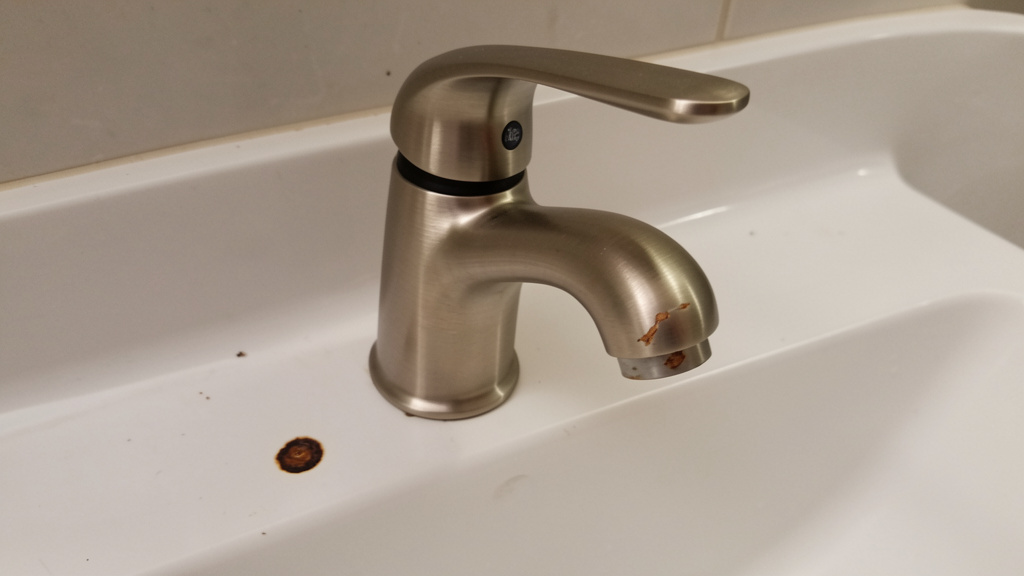
Stop rust in its tracks and preserve metal integrity with a systematic approach that blends materials science with hands-on craftsmanship—tailored for DIYers, artisans, and property stewards.
Rust and corrosion represent one of the most pervasive yet misunderstood challenges in metal care. This guide transcends superficial tips by integrating electrochemical principles with actionable, tiered protection strategies. Whether you’re restoring a family heirloom, maintaining outdoor structures, or selecting finishes for a new project, you’ll gain the knowledge to make informed decisions that prevent degradation before it starts. We break down complex concepts into clear steps, debunk common myths, and provide real-world examples so you can confidently protect any metal surface in any environment—indoors, coastal, industrial, or buried underground. No prior chemistry knowledge required; just a willingness to understand the why behind every action.
Introduction
Metal has shaped human civilization—from the Iron Age tools that revolutionized agriculture to the stainless steel skyscrapers defining modern skylines. Yet, its greatest vulnerability lies in its reaction with the environment. Corrosion, the natural process where refined metals return to their ore state, represents a significant global challenge. Industry studies indicate substantial economic impact, though precise figures vary by region and methodology. The empowering truth: a meaningful portion of corrosion-related issues can be mitigated through informed prevention strategies. This guide synthesizes established materials science principles, widely recognized standards from ASTM and ISO, and field-validated methodologies to deliver a unified framework for metal preservation. We move beyond fragmented advice to present a holistic system—because effective protection isn’t about a single product; it’s about understanding the interplay between metal type, environmental stressors, surface preparation, finish selection, and ongoing maintenance. Drawing on corrosion science principles applied across infrastructure conservation and manufacturing, this resource equips you to transform uncertainty about rust into confident, lasting stewardship. By the final page, you’ll possess a mental model to assess vulnerabilities and deploy solutions with precision, whether you’re safeguarding a vintage wrench or a coastal railing.
The Corrosion Defense Framework: A Five-Step System for Lasting Protection
Imagine building a house without a foundation—you wouldn’t expect it to withstand storms. Similarly, applying a finish without understanding the underlying factors often leads to premature failure. Our Corrosion Defense Framework provides a sequential, science-grounded approach aligned with corrosion control principles used across engineering disciplines. Each step builds on the previous one, creating interlocking layers of defense. Skipping any step may compromise effectiveness. This methodology reflects protocols observed in marine engineering, infrastructure maintenance, and conservation practices. Let’s walk through the process with the depth it deserves—because mastery lives in the details.
Step 1: Diagnose Your Metal and Environment—The Non-Negotiable Starting Point
Before selecting a single product, you must answer two critical questions with precision: What metal are you protecting? and What environment will it face? Misdiagnosis at this stage is frequently cited as a primary contributor to protection failures. For instance, using a zinc-rich primer on aluminum without proper isolation can accelerate corrosion due to galvanic incompatibility—a costly mistake easily avoided with proper identification. Similarly, assuming “all stainless steel is rust-proof” may lead to unexpected pitting in demanding settings. Diagnosis isn’t optional; it’s the compass guiding every subsequent decision.
Why this step is crucial: Metals corrode through distinct electrochemical pathways. Iron forms flaky, non-protective red rust (iron oxide) that exposes fresh metal to further attack. Aluminum develops a thin, adherent white oxide layer that slows further corrosion but remains vulnerable to alkaline cleaners or galvanic contact. Copper evolves into a stable green patina (basic copper carbonate) that actually protects the underlying metal—a desirable outcome in architecture but problematic for electrical conductivity. Environmental factors act as accelerants: salt spray introduces chloride ions that penetrate microscopic coating defects; industrial pollutants create acidic conditions; humidity cycles drive moisture into pores; UV radiation degrades organic binders in paints. Matching your strategy to these variables is essential. A coastal railing requires fundamentally different defense than a garage tool stored in a dry cabinet.
How to identify your metal accurately—beyond guesswork:
– Visual and physical clues (start here):
– Ferrous metals (iron, carbon steel, cast iron): Strongly magnetic, heavy density, prone to reddish-brown flaky rust. Common in structural beams, automotive frames, vintage tools, wrought-iron furniture. Cast iron feels gritty and has visible sand-cast textures.
– Stainless steel: Typically non-magnetic (though some grades like 430 are magnetic), shiny silver appearance, often stamped with grade markings (e.g., “18/8,” “304,” “316”). Note: Magnetism alone isn’t definitive—cold working can induce slight magnetism in austenitic grades.
– Aluminum: Lightweight (about 1/3 the weight of steel), silvery-white with a duller luster than stainless, non-magnetic. Often used in window frames, boat fittings, outdoor furniture. May show white powdery deposits (“white rust”) in humid conditions.
– Copper/Brass/Bronze: Copper is distinctly reddish; brass is yellow-gold (copper + zinc); bronze is reddish-brown (copper + tin). All develop characteristic patinas over time. Brass may show “dezincification” (reddish spongy residue) in acidic water.
– Galvanized steel: Zinc-coated steel with a crystalline “spangled” pattern. Common in roofing, fencing, ductwork, buckets. May show white zinc corrosion (“white rust”) if stored wet.
– Advanced identification (when visual cues fail):
– Spark test (for ferrous metals only—use extreme caution): In a dark area, gently grind the metal against a bench grinder. Carbon steel produces bright yellow sparks with forked bursts; cast iron yields short, red sparks with few bursts; stainless steel creates sparse, straw-colored sparks. Critical safety note: Wear ANSI-approved safety glasses, leather gloves, and secure loose clothing. Never perform near flammables. This test is destructive—use an inconspicuous area.
– Chemical test kits: Affordable spot-test kits (e.g., from Grainger or McMaster-Carr) use reagents to distinguish aluminum alloys, stainless grades, or copper content. Follow instructions precisely.
– Consult markings and context: Many metals bear stamped codes—”A36″ denotes structural carbon steel; “6061-T6” identifies a common aluminum alloy; “C36000” signifies free-machining brass. Consider the object’s origin: A pre-1980s plumbing fitting is likely brass; a modern deck railing post is probably powder-coated aluminum.
– Professional verification: For structural components, historical artifacts, or high-value items, consult a materials lab. Portable XRF (X-ray fluorescence) analyzers provide non-destructive alloy identification and are often available for rent or through local metal fabricators.
Environmental assessment checklist—map the battlefield:
Corrosion is rarely about the metal alone; it’s the metal in context. Complete this mental audit:
– Geographic location: Coastal (within 5 miles of ocean = high chloride exposure), industrial zone (sulfur dioxide, acid rain), rural (organic acids from vegetation, fertilizer runoff), urban (road salt, vehicle exhaust, de-icing chemicals).
– Micro-exposure specifics: Direct sun (UV degrades coatings), shaded area (prolonged moisture retention), under eaves (trapped humidity), near sprinklers (cyclic wetting/drying), buried in soil (variable pH, microbial activity), submerged (constant electrolyte contact).
– Usage patterns: Static decorative piece (low wear), dynamic component (hinges, gates—abrasion at pivot points), high-contact surface (handrails, tools), chemical exposure (kitchen equipment, lab fixtures), temperature extremes (exhaust manifolds, fireplace tools).
– Hidden risk factors: Crevices where moisture pools (bolt heads, lap joints), dissimilar metal contact (copper flashing on steel roof = galvanic corrosion), poor drainage design, proximity to salt-treated roads or swimming pools.
Illustrative diagnostic example: A cast-iron garden bench stored under a large oak tree in a high-rainfall region showed flaking paint and orange rust. Initial impulse: “Just spray paint it.” Deeper diagnosis revealed: (1) Metal was porous cast iron (prone to trapping moisture in pits), (2) Bench sat under foliage (constant leaf litter, tannic acid exposure, shade-induced moisture retention). The solution involved selecting a moisture-tolerant epoxy primer system and modifying the bench design—drilling small drainage holes in the seat slats to prevent water pooling. This approach addressed root causes rather than symptoms.
Common diagnostic mistakes to avoid:
– Assuming uniformity: A single object may contain multiple metals. A “steel” gate might have aluminum decorative caps or brass screws. Inspect all components.
– Overlooking hidden zones: The underside of a metal shelf, the interior of a hollow tube, or the area beneath a washer often corrodes first due to trapped moisture. Use a flashlight and mirror for inspection.
– Ignoring temporal changes: Planting salt-tolerant shrubs near a railing doesn’t eliminate winter road-salt spray. A new neighbor’s sprinkler system might now drench your fence post daily. Reassess environments annually.
– Misjudging “indoor” safety: Basements and garages often have humidity levels exceeding 70%—ideal for corrosion. A tool stored in a damp shed may degrade faster than one on a sunny porch.
Budget-friendly diagnostic protocol:
1. Magnet test + visual inspection (free).
2. Clean a small hidden area with vinegar on a cotton swab; observe reaction (aluminum fizzes slightly; steel shows rust removal).
3. Take clear, well-lit photos to a knowledgeable hardware store specialist or metal supplier—they often identify metals from decades of experience.
4. For critical projects (structural supports, historical items), allocate modest resources for professional verification. This prevents larger future costs.
Diagnosis transforms guesswork into strategy. With metal type and environmental profile defined, you’re equipped to select protection methods with precision—not marketing hype.
Step 2: Choose the Right Protection Strategy—Matching Defense to Threat Level
With your diagnosis complete, select a protection strategy tiered precisely to the threat level. Think of this as choosing armor: a bicycle chain needs light oil; a ship hull requires multi-coat epoxy systems. We categorize strategies into four scientifically grounded tiers, each with ideal applications, material specifications, limitations, and real-world validation. This approach prevents both under-protection and unnecessary complexity.
Tier 1: Barrier Protection (For Mild Environments)
How it works: Creates a continuous physical shield that blocks moisture, oxygen, and contaminants from contacting the metal surface. Effectiveness depends entirely on coating integrity—pinholes, scratches, or thin spots become failure points.
Best for: Indoor items (filing cabinets, tools in climate-controlled storage), decorative outdoor pieces in arid climates, short-term storage protection, non-structural elements with minimal exposure.
Materials and specifications:
– Alkyd enamels: Oil-based paints with good adhesion to properly prepared metal. Affordable, easy DIY application. Weak against UV—may chalk and fade within several years outdoors. Ideal for indoor metal furniture. Look for variants with inhibitive pigments.
– Acrylic latex paints: Water-based, low odor, quick drying. Require etching primer on smooth metal (e.g., aluminum, galvanized steel). Good color retention but weaker chemical resistance than alkyds. Best for interior applications or sheltered outdoor use.
– Waxes and oils: Microcrystalline waxes (e.g., Johnson Paste Wax), cosmoline, or light mineral oils. Form temporary hydrophobic barriers. Require reapplication every few months to a year. Ideal for tool storage, firearms, or seasonal equipment.
Why choose this: Lowest cost, highest accessibility, minimal equipment needed. Critical limitation: Zero self-healing capability. Any breach exposes bare metal, allowing corrosion to spread unseen underneath. Not recommended alone on rusted surfaces or in aggressive environments.
Tier 2: Sacrificial (Cathodic) Protection (For Ferrous Metals in Aggressive Settings)
How it works: Leverages electrochemical principles—a more reactive “sacrificial” metal (zinc, magnesium, or aluminum) is electrically connected to the base metal. This anode corrodes preferentially, “sacrificing” itself to protect the cathode (your steel structure). Requires direct electrical contact and an electrolyte (moisture) to function.
Best for: Galvanized steel (zinc-coated), boat hulls and trailers, underground storage tanks, pipelines, coastal infrastructure, automotive frames.
Materials and specifications:
– Zinc-rich primers: Contain high percentages of zinc dust in an epoxy or inorganic silicate binder. Must make direct contact with bare steel. Provides cathodic protection at scratches. Critical note: Requires topcoating with UV-resistant paint (epoxy or polyurethane) as zinc degrades rapidly in sunlight. Common in infrastructure applications.
– Hot-dip galvanizing: Immersion of cleaned steel in molten zinc, forming metallurgically bonded zinc-iron alloy layers. Provides extended service life. Specified per ASTM A123. Ideal for fencing, structural steel, buckets.
– Sacrificial anodes: Bolt-on zinc, magnesium, or aluminum blocks. Magnesium for freshwater (higher driving voltage); zinc for saltwater. Replace when significantly consumed. Essential for boat hulls, water heaters, underground tanks.
Why choose this: Self-healing at scratches—zinc continues protecting exposed steel. Proven in infrastructure worldwide. Limitations: Only effective on conductive ferrous metals; zinc depletes over time (lifespan depends on environment); incompatible with aluminum without isolation.
Tier 3: Inhibitive Protection (Chemical Defense)
How it works: Compounds chemically interact with the metal surface or environment to suppress corrosion reactions. Mechanisms include passivation (forming stable oxide layers), neutralizing acids, or adsorbing onto metal to block reaction sites.
Best for: Primers under topcoats, stabilizing existing rust before painting, vapor-phase protection for enclosed spaces, maintenance of operating equipment.
Materials and specifications:
– Rust converters: Tannic acid or phosphoric acid-based gels. React with iron oxide to form stable iron tannate or iron phosphate—a black/purple inert layer. Critical usage notes: Only effective on light to moderate rust; does not remove rust volume (surface remains rough); requires topcoating within product-specified window; ineffective on heavy pitting or non-ferrous metals. Never use as a substitute for mechanical rust removal on structural items.
– Inhibitive primers: Zinc phosphate, calcium silicate pigments suspended in primer. Common in automotive undercoatings and industrial maintenance paints.
– Vapor Corrosion Inhibitors (VCI): Papers, emitters, or foams that release corrosion-inhibiting molecules into enclosed air spaces. Molecules condense on metal surfaces, forming monomolecular protective layers. Used in machinery packaging, tool storage, shipping containers. Effectiveness depends on sealed environment.
Why choose this: Addresses active corrosion chemically; ideal for maintenance scenarios where full stripping isn’t feasible. Limitations: Surface must be reasonably clean for adhesion; converters don’t restore metal thickness; VCIs require containment.
Tier 4: Advanced/Combined Systems (Extreme Conditions)
How it works: Integrates multiple protection mechanisms synergistically—barrier + sacrificial + inhibitive—for maximum resilience. Often specified in engineering standards for critical infrastructure.
Best for: Offshore structures, chemical processing plants, coastal bridges, military equipment, historical monument preservation.
Materials and specifications:
– Duplex systems: Galvanizing (sacrificial) + powder coating or paint (barrier). The zinc protects at scratches; the topcoat shields zinc from UV degradation. Extends service life significantly over galvanizing alone. Common on transmission towers, stadium structures.
– Thermal Spray Aluminum (TSA): Molten aluminum sprayed onto blast-cleaned steel, forming a dense, metallurgically bonded coating. Aluminum oxidizes to form a protective barrier; also provides cathodic protection to steel. Used on offshore rigs per industry standards. Requires professional application.
– Multi-coat industrial systems: Epoxy primer (adhesion, chemical resistance) + epoxy intermediate (build, barrier) + polyurethane topcoat (UV stability, gloss retention). Specified per ISO 12944 for corrosivity categories.
– Anodizing (for aluminum): Electrochemical process thickening the natural oxide layer. Type II (sulfuric acid) for decoration; Type III “hardcoat” for wear resistance. Can be dyed colors. Sealing in hot deionized water closes pores. Per ASTM B117.
Why choose this: Maximum longevity in harshest environments; engineered redundancy. Limitations: Higher initial investment; often requires professional application; stringent surface preparation; complex specification.
Decision flowchart for practical application (text-based):
1. Is the metal ferrous (iron/steel/cast iron)?
– Yes → Proceed to Step 2.
– No (aluminum, copper, stainless, etc.) → Jump to non-ferrous strategies below.
2. What is the environment severity?
– Mild (indoor, climate-controlled, dry storage): Tier 1 barrier (alkyd enamel or wax).
– Moderate (outdoor, non-coastal, sheltered): Tier 1 with inhibitive primer OR Tier 2 (zinc-rich primer + topcoat for new fabrication; galvanizing if replacing part).
– Severe (coastal within 5 miles, industrial zone, constant moisture): Tier 2 + Tier 1 (zinc-rich primer + polyurethane topcoat) OR Tier 4 duplex system.
3. Is there existing corrosion?
– Light surface rust (orange dust, no pitting): Remove mechanically to bare metal, then apply Tier 1 or 2 per environment.
– Moderate rust (flaky, slight pitting): Remove completely via abrasives or chemical treatment; assess metal integrity; apply Tier 2 or 4.
– Heavy rust (deep pits, structural weakness): Professional assessment recommended. May need metal replacement. If repairable, abrasive blast to near-white metal (SSPC-SP 10), apply high-build epoxy system.
4. For non-ferrous metals:
– Aluminum: Anodizing (permanent) for new items; for existing, clean thoroughly, apply etching primer, then acrylic topcoat. Avoid alkaline cleaners.
– Copper/Brass/Bronze: Lacquer (Incralac®) to preserve shine; allow natural patina for architectural use (protective).
– Stainless steel: Specify appropriate grade (304 for mild; 316 for marine); passivate after fabrication; regular cleaning with citric acid solutions.
Illustrative strategy example: A steel boat trailer used on a freshwater lake faced moderate exposure (freshwater immersion during use, potential road salt exposure in winter). Strategy:
1. Abrasive blast entire frame to near-white metal (SSPC-SP 10).
2. Apply zinc-rich epoxy primer (Tier 2 sacrificial protection).
3. Topcoat with coal-tar epoxy (Tier 1 barrier resistant to water immersion and abrasion).
Result: With consistent maintenance, the trailer demonstrated extended service life compared to standard painted trailers. The initial investment prevented repeated repainting and potential structural repairs.
Common strategy selection mistakes to avoid:
– Using paint alone on heavily rusted metal: Traps moisture against the surface, accelerating hidden corrosion. Rust must be removed or chemically stabilized before coating.
– Mixing incompatible metals without isolation: Attaching copper flashing directly to a steel roof causes rapid galvanic corrosion of the steel. Solution: Use non-conductive gaskets (neoprene, EPDM) or dielectric unions to break electrical contact.
– Overlooking maintenance intervals: A wax coating on outdoor furniture needs reapplication every 6–12 months. Assuming “set and forget” leads to failure. Build maintenance into your strategy selection.
– Ignoring coating compatibility: Applying alkyd paint over uncured epoxy causes adhesion failure. Always verify intercoat adhesion per manufacturer data sheets.
Budget vs. Premium Strategy Comparison Table:
| Scenario | Budget Approach (Short-Term) | Premium Approach (Long-Term Value) | Why Premium Wins |
|———-|——————————-|————————————-|——————|
| Outdoor steel gate (suburban) | Rust-inhibitive spray paint over lightly sanded surface | Abrasive blast → zinc-rich primer → polyurethane topcoat | Budget approaches may require refreshing within 1–2 years due to adhesion challenges and UV degradation; premium systems can provide 15+ years of service with proper maintenance, reducing long-term labor and material costs |
| Vintage hand tool storage | Wipe with light oil, store in garage | Disassemble, remove rust via chelating solution, apply cosmoline, wrap in VCI paper, store in airtight container with desiccant | Light oils may attract dust and evaporate; cosmoline/VCI provides reliable storage protection with minimal maintenance |
| Aluminum patio furniture (coastal) | Clear acrylic spray paint | Professional anodizing with sealant | Spray coatings may chip at edges; anodizing is integral to the metal surface—won’t peel or chip, and requires no repainting |
| Restoring rusted garden trowel | Sand lightly, apply rust-inhibitive paint | Electrolytic rust removal → light oil coating → store in VCI bag | “Rust paint” may hide active corrosion; electrolytic removal preserves tool geometry while eliminating rust at the molecular level |
Non-ferrous metal special considerations—critical nuances:
– Aluminum: Avoid steel wool or carbon steel brushes—they embed iron particles that rust and stain the surface. Use stainless steel brushes or nylon abrasives. For painting, etching primer is essential for adhesion. Anodizing is the gold standard for permanence; clear acrylic coatings offer DIY alternative but require reapplication.
– Copper: Patina is protective but changes appearance. To preserve bright finish, apply Incralac® (acrylic lacquer with benzotriazole inhibitor) or Renaissance Wax. Reapply every 1–3 years. For architectural use where patina is desired, clean periodically with mild soap to prevent uneven staining.
– Stainless steel: “Stainless” is a misnomer—it stains less, not stain-proof. Chlorides (salt, bleach) cause pitting corrosion, especially in grades below 316. Always use dedicated stainless steel cleaning tools (no carbon steel brushes). After fabrication or deep cleaning, passivate with citric acid solution to restore the chromium oxide layer. Specify 316/L grade within 5 miles of ocean.
– Galvanized steel: New galvanizing develops “wet storage stain” (white rust)—wash with diluted vinegar solution, rinse, dry. For painting aged galvanizing, use etching primer designed for zinc surfaces. Never use acid-based rust removers—they attack the zinc coating.
Choosing the right strategy transforms protection from a reactive chore into a proactive system. With your metal and environment diagnosed, and strategy selected, you’re ready for the most critical phase: surface preparation.
Step 3: Prepare the Surface Meticulously—The Make-or-Break Phase
Industry consensus—from NACE International to SSPC (The Society for Protective Coatings)—attributes a significant majority of coating failures to inadequate surface preparation. You could apply a high-performance coating, but if the surface isn’t prepared to specification, performance may be compromised. Preparation isn’t merely cleaning; it’s a multi-stage process creating optimal conditions for adhesion: removing all contaminants, eliminating existing corrosion, and generating a microscopic anchor profile for mechanical bonding. This phase demands patience, but the payoff is substantial—properly prepared surfaces can significantly extend coating service life. We break this into universal steps, then tailor to metal type, corrosion level, and project scale.
Universal preparation workflow—follow sequentially:
1. Safety first—non-negotiable:
– Respiratory protection: N95 mask minimum for dry sanding; NIOSH-approved half-face respirator with P100 filters for dust; organic vapor cartridges for chemical strippers/solvents.
– Eye protection: ANSI Z87.1 safety glasses with side shields; face shield for grinding/blasting.
– Skin protection: Nitrile gloves (chemical resistant); long sleeves, pants, closed-toe shoes.
– Ventilation: Work outdoors or in well-ventilated area. For chemical use, position fan to blow fumes away from you.
– Fire safety: No sparks/flames near solvents; have fire extinguisher nearby.
2. Remove loose debris: Brush off dirt, leaves, cobwebs, or old flaking paint with a stiff nylon brush. For intricate areas (scrollwork, threads), use brass brushes or dental picks to avoid gouging base metal.
3. Degrease thoroughly—often overlooked: Wipe entire surface with mineral spirits, acetone, or dedicated degreaser. Pay attention to handles, hinges, and areas touched by hands—skin oils are invisible adhesion killers. Critical verification test: Perform the “water break test.” After degreasing and drying, sprinkle clean water on the surface. Water should sheet evenly across the metal. If it beads up (like on a waxed car), oils remain—repeat degreasing.
4. Address existing corrosion—method depends on severity:
– Light surface rust (orange dust, no pitting): Use fine steel wool (0000 grade) or sandpaper (180–220 grit). Work in direction of metal grain. Wipe frequently with a clean rag to check progress. Stop when surface is uniformly gray.
– Moderate rust (flaky, slight pitting): Use a wire brush (hand-held or drill-mounted cup brush), sanding disc (80–120 grit), or chemical rust remover. For intricate areas where abrasives can’t reach, electrolytic rust removal excels (detailed later).
– Heavy rust (deep pits, structural concern): Abrasive blasting is ideal—sand, glass beads, or walnut shells depending on metal hardness. Soda blasting is gentler for delicate items. Warning: Sandblasting generates silica dust (causes silicosis)—requires professional-grade respirator (P100) and containment. For large projects, consider hiring a certified blasting contractor.
5. Create anchor profile—for coatings requiring mechanical adhesion:
– Purpose: Microscopic peaks and valleys increase surface area for coating grip. Profile depth must match coating thickness (e.g., thin paints need 1–2 mils; thick epoxies need 3–4 mils).
– Method: Sand entire surface with 80–120 grit sandpaper or abrasive pad. For blasting, profile is controlled by abrasive type and pressure.
– Verification: Use replica tape or profilometer for critical projects. DIY check: Run fingernail across surface—it should feel uniformly rough, not smooth or glossy.
6. Final clean—remove all preparation residues:
– Dry methods: Tack cloth (sticky cheesecloth) for dust; compressed air (low pressure) to blow debris from crevices.
– Wet methods: Wipe with denatured alcohol on lint-free cloth to eliminate invisible oils, salts, or amine residues from chemical treatments.
– Pro tip: Inspect under bright light at a low angle—glare reveals remaining dust or imperfections. For critical applications, use a black light; oils and contaminants fluoresce under UV.
Metal-specific preparation nuances—avoid costly errors:
– Cast iron: Highly porous structure traps moisture and contaminants. After rust removal, baking at moderate temperature (e.g., 200°F) for 60 minutes in a dedicated oven can help drive moisture from pores. Cool slowly before priming.
– Galvanized steel: New galvanizing has zinc salts (“white rust”)—wash with diluted vinegar solution, rinse thoroughly with clean water, dry completely. For aged galvanizing with chalky residue, sweep blast (very light abrasive) or use etching primer specifically formulated for zinc surfaces. Never use acid-based rust removers—they destroy the zinc coating.
– Aluminum: After degreasing, etch with phosphoric acid-based cleaner (e.g., Alumiprep 33) or light sanding with 120 grit. Rinse immediately. Avoid alkaline cleaners (oven cleaner, heavy-duty degreasers)—they darken and pit aluminum. For anodized aluminum being repainted, light scuff-sand with 220 grit is sufficient.
– Stainless steel: Remove heat tint or weld scale with pickling paste (contains nitric/hydrofluoric acids—use extreme caution). For general cleaning, use citric acid passivation solution (safer, eco-friendly) to restore the chromium oxide layer after abrasion. Always use dedicated stainless steel brushes to avoid iron contamination.
– Copper/Brass: Remove tarnish with vinegar/salt paste or commercial copper cleaner. Rinse thoroughly. For patina preservation (architectural), clean gently with mild soap only—avoid abrasive removal of stable patina.
Chemical rust removal deep dive—methods compared:
– Phosphoric acid-based converters (e.g., Naval Jelly, Loctite Extend):
– Process: Apply thick gel to rusted area; wait per product instructions until color changes to dark gray/black (indicating conversion to iron phosphate). Wipe excess; rinse if product directs.
– Best for: Light to moderate rust on complex shapes where abrasives can’t reach (e.g., threaded bolts, intricate castings).
– Limitations: Does not remove rust volume—surface remains rough; ineffective on heavy pitting; requires topcoating; can leave residue if not rinsed properly.
– Safety: Wear gloves/eye protection; neutralize runoff with baking soda.
– Chelating agents (e.g., Evapo-Rust, Metal Rescue):
– Process: Submerge item in solution; rust dissolves via molecular binding. Solution changes color as it works. Reusable until saturated.
– Best for: Tools, small parts, antiques—non-toxic, biodegradable, won’t harm base metal, paint, or rubber.
– Limitations: Slow (hours to days); requires full submersion; not for large items.
– Pro tip: Add a sacrificial steel bolt to accelerate the reaction.
– Electrolytic rust removal (DIY electrochemical process):
– Process: Plastic tub filled with water + washing soda (electrolyte). Sacrificial steel anode (rebar) connected to positive terminal; rusted item (cathode) connected to negative terminal of battery charger. Rust transfers from item to anode.
– Best for: Heavily rusted antiques, tools with intricate details—removes rust without damaging pitting, engravings, or original metal.
– Critical safety notes:
– Work outdoors—hydrogen gas is produced (flammable!).
– Never use salt as electrolyte (produces chlorine gas).
– Keep connections dry; use alligator clips rated for amperage.
– Item must be fully submerged; anode should surround item if possible.
– Duration: 12–48 hours depending on rust severity.
– Aftercare: Rinse thoroughly; neutralize with baking soda solution; dry immediately; apply light oil to prevent flash rust.
Illustrative preparation example: An antique monkey wrench with deep pitting and fragile stamped markings required careful restoration. Sandblasting risked destroying historical details. Electrolytic removal was chosen:
1. Set up tub outdoors with washing soda solution.
2. Suspended wrench (cathode) and steel rebar (anode).
3. Ran low-amp battery charger for 36 hours.
4. Rust vanished, revealing crisp manufacturer stamps and original metal texture.
5. Rinsed, neutralized, dried, applied light cosmoline coat.
Result: Tool restored to functional condition with minimal metal loss—demonstrating how method selection preserves integrity.
Common preparation mistakes to avoid:
– Skipping degreasing: Fingerprints cause “fish-eyes” (craters) in paint. Always degrease after abrasion—sanding spreads oils.
– Over-sanding: Creates deep scratches that trap moisture and show through thin coatings. Sand progressively: start coarse to remove rust, finish fine for profile.
– Preparing in humid conditions: Moisture condenses on cold metal (“sweating”). Ideal conditions: 50–75°F (10–24°C), relative humidity <85%, surface temperature at least 5°F above dew point. Check weather apps for dew point.
– Using chlorine-based cleaners on stainless steel: Causes severe pitting corrosion. Never use bleach or pool chemicals near stainless.
– Leaving abrasive residue: Steel wool fragments on aluminum cause rust spots. Always follow abrasives with thorough cleaning.
Emergency field preparation (limited tools):
– Light rust on a tool: Rub with lemon juice and salt paste; wait 30–60 minutes; scrub with steel wool; rinse; dry; oil immediately.
– Greasy surface: Wipe with vinegar, then baking soda paste to neutralize acids; rinse; dry.
– Quick degrease: Rubbing alcohol on cloth removes light oils when mineral spirits unavailable.
Preparation is where craftsmanship meets science. Investing time here pays compound interest in coating longevity. With a pristine, profiled surface ready, you’re positioned for flawless finish application.
Step 4: Apply the Finish Correctly—Technique Determines Longevity
Application transforms preparation into protection. Even perfect surface readiness may underperform with inconsistent technique. This phase demands respect for environmental conditions, tool selection, product chemistry, and methodical execution. We detail universal principles first, then provide finish-specific guides with pro tips, troubleshooting, and real-world validation. Remember: Manufacturer instructions supersede general advice—always read technical data sheets (TDS) and safety data sheets (SDS) before starting.
Universal application principles—foundational rules:
– Environmental conditions are non-negotiable:
– Temperature: Most coatings require 50–90°F (10–32°C) during application and curing. Below 50°F, curing slows or stops; above 90°F, solvents flash off too fast causing poor flow.
– Humidity: Keep relative humidity below 85%. High humidity causes blushing (milky film) in epoxies, poor adhesion.
– Dew point rule: Surface temperature must be at least 5°F (3°C) above the dew point. Condensation under coating = high risk of failure. Use a dew point calculator app.
– Wind and sun: Avoid direct sunlight (heats metal, causes blistering); avoid wind (blows debris into wet coating, causes dry spray). Ideal: Cloudy day, light breeze.
– Tool selection impacts finish quality:
– Brushes: Natural bristle (china bristle) for oil-based paints; synthetic (nylon/polyester) for water-based. Angle sash brush (1.5–2.5″) for cutting in edges and details.
– Rollers: Short-nap (3/16″–1/4″) for smooth metal; avoid lint-shedding rollers. Use phenolic-core rollers for solvent-based coatings.
– Sprayers: HVLP (High Volume Low Pressure) for fine control and reduced overspray; airless for large areas (fences, siding). Critical: Strain paint through fine mesh filter (100–200 micron) to prevent tip clogs. Test spray pattern on cardboard first.
– Specialty: Pot life timers for epoxies; humidity/temperature meters; wet film thickness gauges for critical projects.
– Application sequence and technique:
– Primer first: Apply within manufacturer’s specified window after preparation (often 2–4 hours to prevent flash rust).
– Maintain wet edge: Work in manageable sections; overlap strokes before previous area dries to avoid lap marks.
– Thin coats > thick coats: Thick applications trap solvents, cause runs, sagging, or poor curing. Apply multiple thin coats (e.g., two 2-mil coats outperform one 4-mil coat).
– Direction: Brush/roll in direction of metal grain or longest dimension. For spray, hold gun perpendicular to surface.
– Drying vs. curing—critical distinction:
– Dry to touch: Surface no longer sticky (hours).
– Dry to handle: Can be moved carefully (usually 24 hours).
– Full cure: Coating reaches maximum hardness and chemical resistance (days to weeks—check TDS). Never subject to stress, moisture, or handling before full cure. Ventilate area to dissipate solvents during cure.
Finish-specific application guides—precision execution:
Paint (Brush/Roller/Spray):
– Preparation: Stir thoroughly (don’t shake—creates bubbles). Thin only if TDS specifies (e.g., 10% mineral spirits for alkyds).
– Brush/roller technique: Cut in edges and details first with brush. For large flat areas, use roller with light pressure. Avoid overworking—apply, then lightly tip off brush marks.
– Spray technique: Hold gun 6–8 inches from surface. Move at consistent speed (1 ft/sec). Overlap passes by 50%. Start spraying before reaching edge; stop after passing edge to avoid heavy ends.
– Pro tip: Add Penetrol (for oil-based) or Floetrol (water-based) to improve flow, reduce brush marks, and extend open time in hot/dry conditions.
– Recoat window: Apply topcoat within time specified on TDS (often 4–24 hours). Waiting too long requires light sanding for adhesion.
Powder Coating (Professional or Advanced DIY):
– Process: Electrostatic spray gun charges powder particles; they adhere to grounded metal part. Part cured in oven (typically 350–400°F / 177–204°C for 10–20 minutes).
– DIY feasibility: Small-scale kits exist (“powder coating in a box” with heat gun and toaster oven), but quality varies. Best for small items (bike parts, tools, brackets).
– Critical factors:
– Grounding: Part must be electrically grounded for even coverage. Poor grounding causes “Faraday cage” effect (powder won’t reach recesses).
– Film thickness: Too thin = pinholes; too thick = orange peel. Target 2–4 mils.
– Curing: Under-cure = soft coating; over-cure = brittle coating. Use oven thermometer—don’t trust dial.
– Professional recommendation: For valuable or large items, use a certified powder coater. Cost is often justified by durability and finish quality.
Oil/Wax Finishes (Temporary Protection):
– Application: Apply thin, even coat with lint-free cloth. Allow to penetrate 10–15 minutes. Buff off excess with clean cloth until surface feels dry.
– For tools: Dip in melted cosmoline (double boiler method), drain excess, cool on rack. Wrap in wax paper before storage.
– Reapplication frequency:
– Carnauba wax: Every 3–6 months outdoors
– Synthetic polymer wax: Every 6–12 months
– Cosmoline: Every 1–2 years for stored items
– Removal: Mineral spirits for cosmoline; dedicated wax remover for automotive waxes.
Rust Converter Application (Special Case):
– Critical prerequisite: Only apply to rust, not bare metal or sound paint. Surface must be dry.
– Technique: Brush on thick, even layer covering all rust. Avoid puddling. Wait for color change (typically 20–60 minutes—follow product instructions). Some require rinsing; others dry to a primer-like film.
– Topcoating: Apply compatible primer/topcoat within specified window (often 24–72 hours). Never leave converter exposed to weather.
– Limitation reminder: Converter stabilizes rust but does not restore metal thickness. Not suitable for structural repairs.
Layering strategies for maximum defense—synergistic systems:
– Duplex system (Galvanizing + Paint):
1. Sweep blast galvanized surface to create light profile (SSPC-SP 16).
2. Apply etching primer formulated for zinc (e.g., zinc phosphate-based).
3. Apply topcoat (polyurethane for UV resistance).
Result: Galvanizing provides cathodic protection at scratches; paint shields zinc from UV degradation. Used on major infrastructure projects.
– Primer + Topcoat Synergy:
– Epoxy primer: Unmatched adhesion and chemical resistance.
– Polyurethane topcoat: Superior UV stability and gloss retention.
Application: Apply epoxy primer; after cure (per TDS), lightly sand with 220 grit; wipe clean; apply polyurethane. Common in automotive refinishing and marine applications.
– Multi-coat Industrial System:
1. Zinc-rich epoxy primer (sacrificial)
2. Epoxy micaceous iron oxide (MIO) intermediate (barrier, build)
3. Polyurethane topcoat (UV protection, color)
Specification: Per ISO 12944 C5-M (marine) or C5-I (industrial).
Illustrative application example: A wrought-iron balcony railing in a humid climate was restored using a zinc-rich epoxy primer and acrylic polyurethane topcoat. Execution:
– Checked weather: 72°F, 65% humidity, dew point 60°F (surface temp 75°F—safe).
– Applied primer with HVLP sprayer at 25 PSI, maintaining 6-inch distance, 50% overlap.
– Allowed 24-hour cure per TDS.
– Lightly sanded with 220 grit; wiped with tack cloth.
– Applied topcoat with same technique.
With biannual inspections and minor touch-ups at high-exposure points, the railing maintained excellent condition for multiple years. Consistent environmental monitoring and thin, even coats contributed to durability.
Common application mistakes to avoid:
– Applying thick coats: Traps solvents, causes wrinkling, poor adhesion, extended cure times.
– Ignoring recoat windows: Waiting too long between primer and topcoat requires sanding; applying too soon causes lifting.
– Using interior paint outdoors: UV degradation causes chalking and failure within 1–2 years.
– Spraying in high wind: Wastes material, creates uneven coverage, contaminates surroundings.
– Overlooking edges and welds: These areas have less coating coverage (“thin film effect”). Apply extra attention—back-brush edges after spraying.
Troubleshooting application issues—quick reference:
| Issue | Likely Cause | Immediate Solution | Prevention |
|——-|————–|———————|————|
| Runs/sags | Too thick coat; low viscosity; cold surface | Once dry, sand smooth; recoat thin | Apply thin coats; warm material to 70°F before use |
| Orange peel | Spray pressure too high; wrong tip; fast evaporation | Light sand; recoat with adjusted settings | Test spray pattern; add reducer if permitted by TDS |
| Blistering | Moisture on surface; sun heating metal | Strip coating; re-prep surface | Verify dew point; apply in shade; ensure surface dry |
| Poor adhesion | Inadequate prep; contamination; wrong primer | Remove coating; restart preparation | Degrease thoroughly; use water break test; select compatible primer |
| Pinholes | Air entrapment; porous metal; fast cure | Apply “mist coat” first; sand; recoat | Pre-seal porous surfaces; control temperature/humidity |
| Fish-eyes | Silicone/oil contamination | Sand affected area; clean with solvent; recoat | Degrease meticulously; avoid silicone-based lubricants nearby |
Application is where knowledge becomes tangible results. With finish correctly applied, your protection system is active—but longevity depends on the final, often neglected phase: maintenance.
Step 5: Maintain and Monitor—Extending Service Life Indefinitely
Protection is not “apply and forget.” Maintenance is the proactive practice of inspection, minor intervention, and adaptation that prevents small issues from becoming significant failures. Think of it as routine healthcare for metal—consistent check-ups catch problems early when they’re simple and inexpensive to address. This phase transforms protection from a one-time project into a sustainable practice. We provide inspection protocols, maintenance actions by issue, seasonal calendars, and real-world validation of long-term stewardship.
Inspection protocol—systematic vigilance:
– Frequency guidelines:
– Harsh environments (coastal within 1 mile, industrial zones, constant immersion): Quarterly inspections
– Moderate environments (suburban outdoor, seasonal moisture): Biannual inspections (spring and fall)
– Mild environments (indoor climate-controlled, dry storage): Annual inspections
– High-value or critical items (structural supports, historical artifacts): Monthly visual checks
– What to inspect—use a checklist:
– Scratches, chips, or abrasions (especially at edges, corners, welds, fasteners)
– Blistering, peeling, or discoloration of coating
– Rust spots (address immediately)
– Fastener tightness (loose bolts/nuts trap moisture)
– Drainage paths (blocked weep holes, debris accumulation)
– Dissimilar metal contact points (signs of galvanic corrosion)
– Tools for thorough inspection:
– Bright LED flashlight (shine at low angle to reveal surface imperfections)
– Magnifying glass (10x) for small items or fine cracks
– Moisture meter (for hidden areas like inside hollow tubes)
– Camera (document condition annually for comparison)
– Notebook or digital log (track findings, actions, dates)
Maintenance actions by issue—targeted repairs:
– Small scratch/chip (less than 1/4 inch):
1. Clean area with isopropyl alcohol on cotton swab.
2. Lightly sand edges with 220 grit sandpaper to “feather” into surrounding coating.
3. Apply matching touch-up paint or rust-inhibiting pen. For bare metal spots: Dab with rust converter if rust present, wait for reaction, then prime and topcoat.
4. Allow to cure fully before exposure.
– Rust spot (localized corrosion):
1. Remove rust mechanically: Fine steel wool (0000) or sandpaper (180 grit) until surface is bright metal. For pitted areas, use a brass brush to avoid removing surrounding coating.
2. Wipe clean with alcohol.
3. Apply rust converter if pitting remains (follow product instructions).
4. Apply primer compatible with existing system.
5. Apply topcoat, feathering edges to blend.
– Peeling paint (larger area):
1. Scrape loose paint back to sound edge using plastic scraper (avoids gouging metal).
2. Sand feathered edge with 120 grit, progressing to 220 grit.
3. Clean thoroughly with tack cloth and alcohol.
4. Apply primer to entire repaired area (not just spot) to prevent “picture framing” (visible repair outline).
5. Apply topcoat, extending slightly beyond repair area.
– White corrosion on aluminum (“white rust”):
1. Wash with diluted vinegar solution.
2. Rinse thoroughly with clean water.
3. Dry completely.
4. Apply aluminum protectant (e.g., AlumaClear) or microcrystalline wax.
– Pitting on stainless steel:
1. Clean with citric acid passivation gel.
2. For light pits: Polish with 400-grit abrasive pad, progressing to 600 grit. Re-passivate.
3. For deep pits: Consult professional—may require welding repair by certified welder.
Seasonal maintenance calendar—proactive rhythm:
– Spring (post-winter):
– Inspect for salt damage (coastal/road salt exposure).
– Clean with mild soap and water; rinse thoroughly.
– Check drainage paths; clear debris from weep holes.
– Reapply wax to outdoor furniture.
– Touch up any winter damage immediately.
– Summer:
– Check for UV damage (chalking, fading).
– Inspect after storms for impact damage.
– Ensure shading structures aren’t trapping moisture.
– For stored items: Verify desiccant is active (replace if saturated).
– Fall (pre-winter):
– Remove leaf debris (tannins accelerate corrosion).
– Inspect seals around windows/doors on metal frames.
– Apply protective coating to tools before storage.
– Drain and store outdoor hoses to prevent freeze damage to fittings.
– Winter:
– For stored items: Check humidity in storage area monthly.
– Reapply protective oil to tools if humidity rises.
– Avoid de-icing salts near metal structures; use sand or calcium chloride alternatives.
Long-term preservation for stored items—museum-grade protocols:
– Hand tools:
1. Clean thoroughly; remove all rust.
2. Apply light coat of cosmoline or Boeshield T-9.
3. Wrap individually in VCI paper.
4. Store in airtight container (plastic bin with gasket seal).
5. Add silica gel desiccant packs (rechargeable type).
6. Store in climate-controlled area (ideal: 60–70°F, 40–50% RH).
– Vehicles (long-term storage):
– Change oil and filter (acidic residues corrode engine).
– Fill fuel tank; add fuel stabilizer.
– Disconnect battery; store separately.
– Place silica gel packs in cabin, trunk, and engine bay.
– Use breathable car cover (non-plastic).
– Inflate tires to max PSI; place on jack stands if >6 months.
– Start engine monthly to circulate oil (if feasible).
– Outdoor art/sculpture:
– Apply microcrystalline wax (e.g., Johnson Paste Wax) annually.
– For bronze: Apply Incralac® every 5–10 years per conservator recommendation.
– Install drainage to prevent water pooling at base.
– Document condition annually with photos.
Illustrative maintenance case study: A historic preservation society maintains a cast-iron fountain installed in the late 19th century. Their protocol:
– Monthly: Visual inspection for chips, rust spots, or debris.
– Quarterly: Clean with soft brush and mild soap; rinse; inspect welds.
– Annually (spring):
– Lightly sand any touched areas.
– Apply matching epoxy touch-up paint.
– Apply sacrificial microcrystalline wax coating.
– Check and clear all drainage holes.
– Every 5 years: Professional assessment by metals conservator.
Result: After decades of this regimen, the fountain shows minimal degradation—original cast details remain sharp. The society attributes this to consistent micro-maintenance preventing macro-failures. As noted by preservation staff: “Regular attention prevents extensive restoration later.”
When to call a professional—know your limits:
– Structural corrosion (load-bearing beams, bridges, railings with movement)
– Large-scale abrasive blasting or industrial coating application
– Valuable antiques or historical artifacts (conservators use reversible, documented methods)
– Hazardous material abatement (lead paint, asbestos insulation)
– Complex cathodic protection system design/installation
– When metal integrity is questionable (deep pitting, cracks)
The Fundamental Principle: Corrosion is a natural process, but degradation is manageable—protection is a system, not a single product. Mastery lies in understanding the chain of defense: diagnose precisely, select strategically, prepare meticulously, apply correctly, and maintain vigilantly. Break one link, and effectiveness may diminish; honor all five, and metal can endure for generations. This principle is observed across contexts—from major infrastructure projects to the daily care of garden tools. It transforms protection from a reactive chore into a proactive practice of stewardship.
Deep Dive: Metal-Specific Vulnerabilities and Tailored Solutions
While the Corrosion Defense Framework applies universally, each metal family has unique electrochemical behavior. Understanding these nuances prevents misapplication of techniques. We explore common metals in depth—corrosion mechanisms, ideal protection pathways, real-world case studies, and myth debunking—grounded in metallurgical science and field experience.
Carbon Steel and Iron: The Rust-Prone Workhorses
Corrosion mechanism demystified:
Carbon steel (iron + carbon) corrodes via electrochemical oxidation when exposed to water and oxygen:
4Fe + 3O₂ + 6H₂O → 4Fe(OH)₃ (hydrated iron oxide—rust)
Rust is porous, flaky, and occupies greater volume than original metal—creating internal stresses that spall off, exposing fresh metal to further attack. This self-accelerating cycle is why untreated steel degrades rapidly. Carbon content influences hardness but not corrosion resistance—high-carbon tool steel rusts as readily as mild steel.
Vulnerability amplifiers:
– Welds and heat-affected zones (HAZ): Microstructural changes during welding create galvanic cells—weld metal may corrode faster than base metal.
– Pits and crevices: Trap moisture and contaminants; oxygen concentration cells accelerate localized attack.
– Residual stresses: From bending or forming; stressed areas corrode preferentially.
– Surface roughness: Rough surfaces retain more moisture than smooth ones.
Ideal protection strategies by scenario:
– New fabrication (outdoor structure): Hot-dip galvanizing per ASTM A123 (minimum 3.9 mils zinc coating). For aesthetic requirements, duplex system: galvanizing + powder coat.
– Existing item with light rust: Remove rust to bare metal; apply zinc-rich epoxy primer; topcoat with UV-resistant polyurethane.
– Heavy rust restoration (antique tool): Electrolytic rust removal to preserve geometry; light oil coating; VCI storage.
– Buried application (fence post): Coal-tar epoxy coating + cathodic protection (magnesium anode).
Case study: Restoring a Vintage Cast-Iron Skillet
– Problem: Family heirloom covered in thick rust, pitted cooking surface, sentimental value.
– Diagnosis: Cast iron (porous, high carbon); indoor storage environment; rust is active but not structurally compromising.
– Solution pathway:
1. Electrolytic rust removal: Submerged in washing soda solution with battery charger for 48 hours. Rust vanished without damaging seasoning layer or manufacturer stamps.
2. Neutralization: Rinsed thoroughly; wiped with baking soda solution.
3. Drying: Placed in 200°F oven for 1 hour to drive moisture from pores.
4. Seasoning: Applied thin layer of flaxseed oil (high smoke point, polymerizes to hard film); baked at 400°F for 1 hour; repeated 3 times.
5. Maintenance protocol: Hand-wash only; dry immediately on stove; light oil coat after each use; store uncovered.
– Why it worked: Electrolysis removed rust at molecular level without abrasion; polymerized oil created hydrophobic barrier. Avoided sandblasting, which would have removed historical patina and altered cooking surface geometry.
– Scientific note: Flaxseed oil’s high linolenic acid content creates a more durable polymerized layer than some vegetable oils—supported by cooking science research.
Myth debunked: “All rust must be removed to bare metal.”
Truth: Context determines necessity. For carbon steel in active service (tools, structures), yes—rust is active corrosion requiring removal. However, for weathering steel (Corten), the rust layer is designed to be stable and protective—removal defeats its purpose. Similarly, stable patina on copper or bronze should be preserved. Always diagnose before acting.
Stainless Steel: The Misunderstood “Stainless”
Corrosion mechanism clarified:
Stainless steel contains minimum 10.5% chromium, which forms a passive chromium oxide (Cr₂O₃) layer nanometers thick—self-repairing in oxygen-rich environments. Failure occurs when this layer is compromised:
– Pitting corrosion: Chloride ions (salt, bleach) penetrate weak spots, creating acidic micro-environments that prevent repassivation.
– Crevice corrosion: Stagnant moisture in gaps (under gaskets, bolts) depletes oxygen, breaking down passive layer.
– Galvanic corrosion: Contact with more noble metals (copper, graphite) in electrolyte.
– Sensitization: Heating to 800–1500°F (e.g., welding) causes chromium carbide precipitation at grain boundaries, depleting chromium—leading to intergranular corrosion.
Grade selection is critical—environment dictates specification:
| Grade | Key Alloying Elements | Best Environment | Avoid | Common Applications |
|——-|————————|——————|——-|———————|
| 304 (A2) | 18% Cr, 8% Ni | Mild indoor, rural outdoor | Marine, de-icing salts | Kitchen appliances, architectural trim |
| 316 (A4) | 16% Cr, 10% Ni, 2% Mo | Coastal (within 5 miles), chemical exposure | Strong acids, reducing acids | Marine hardware, pharmaceutical equipment |
| 430 | 16% Cr, low Ni | Decorative indoor, mild | Salt exposure, welding | Automotive trim, appliance fronts |
| Duplex 2205 | 22% Cr, 5% Ni, 3% Mo | Offshore, chemical plants | Very low temperatures | Oil/gas pipelines, desalination plants |
Protection and maintenance protocols:
– Prevention:
– Specify correct grade for environment (e.g., 316 within 5 miles of ocean).
– Avoid contact with carbon steel—use dedicated stainless tools, brushes, and work surfaces.
– Design to eliminate crevices; ensure drainage.
– Post-fabrication care:
– Remove heat tint or weld scale with pickling paste (nitric/hydrofluoric acid—use extreme caution) or citric acid passivation gel (safer alternative).
– Clean regularly with mild soap and water. For stubborn stains, use citric acid solution (1–10% by weight) at 140–160°F for 20–30 minutes; rinse thoroughly.
– Repair:
– Light pitting: Polish with progressively finer abrasives (start 400 grit, finish 600+ grit); re-passivate.
– Deep pits or weld corrosion: Requires welding repair by certified stainless welder using matching filler rod; post-weld passivation essential.
Case study: Stainless Steel Railings on a Beachfront Condo
– Problem: Grade 304 railings installed 2 years prior developed rust spots despite “marine-grade” marketing claims.
– Diagnosis:
– Grade 304 insufficient for direct ocean exposure (chlorides exceeded threshold).
– Embedded iron particles from carbon steel wire brushes used during installation (“rouging”).
– Crevices at bracket mounts trapped salt spray.
– Solution:
1. Cleaned entire railing system with citric acid passivation gel to remove contaminants.
2. Polished affected areas with non-woven abrasive pads.
3. Replaced damaged sections with grade 316 railings.
4. Implemented maintenance protocol: Quarterly cleaning with vinegar solution; annual passivation.
5. Educated maintenance staff: Use only stainless-dedicated tools; avoid steel wool.
– Lesson: “Stainless” is not universal—environment dictates grade. Post-fabrication passivation is essential in aggressive settings. Marketing terms like “marine-grade” require verification of actual alloy specification.
Aluminum: Lightweight but Electrochemically Active
Corrosion mechanism explained:
Aluminum instantly forms a thin aluminum oxide (Al₂O₃) layer in air—adherent and protective in neutral pH environments. Vulnerabilities arise from:
– Galvanic corrosion: When electrically connected to more noble metals (copper, steel, brass) in presence of electrolyte (water). Aluminum acts as anode and corrodes rapidly.
– Pitting: Chlorides or alkaline conditions (pH >9) break down oxide layer.
– Crevice corrosion: In stagnant moisture under gaskets or lap joints.
– Intergranular corrosion: In certain heat-treated alloys (e.g., 2024, 7075) due to grain boundary precipitation.
Protection strategies by application:
– Architectural extrusions (window frames, siding): Anodizing (Type II) per ASTM B117; clear or colored sealant. For coastal areas, specify chromate conversion coating under powder coat.
– Marine applications (boat hulls, fittings): Use marine-grade alloys (5052, 6061); apply barrier coat (epoxy primer with glass flakes); isolate from stainless steel fittings with nylon washers and marine sealant (3M 5200).
– DIY painting: Clean with Alumiprep 33 etching solution; apply etching primer; topcoat with acrylic enamel. Avoid alkaline cleaners.
– Storage: Apply light coat of cosmoline; store in low-humidity environment.
Case study: Aluminum Boat Restoration
– Problem: 20-year-old aluminum hull showed white corrosion and pitting near stainless steel cleats.
– Diagnosis: Galvanic corrosion from dissimilar metals; lack of electrical isolation; crevice corrosion under cleat bases.
– Solution:
1. Removed cleats; cleaned hull with phosphoric acid etch.
2. Applied epoxy barrier coat with glass flakes to hull surface.
3. Reinstalled cleats with nylon isolation washers and marine-grade polysulfide sealant (3M 5200) to break electrical contact and seal crevices.
4. Applied antifouling paint compatible with aluminum (copper-free formula).
5. Installed zinc anodes on hull for additional cathodic protection.
– Key insight: Isolation is as critical as coating—break electrical contact between dissimilar metals. Sealant must be non-conductive and flexible to accommodate thermal movement.
– Verification: Measured electrical resistance between cleat and hull with multimeter—confirmed isolation (>1 megaohm).
Copper, Brass, and Bronze: Patina as Protection
Corrosion behavior decoded:
– Copper: Oxidizes to reddish cuprous oxide (Cu₂O), then green basic copper carbonate (Cu₂CO₃(OH)₂—patina). Patina is dense, adherent, and protective—slowing further corrosion. Accelerated by sulfur pollutants (black copper sulfide).
– Brass (copper + zinc): Vulnerable to “dezincification” in acidic or saline water—zinc leaches out, leaving porous, weak copper structure. Inhibited by adding arsenic or antimony (e.g., “admiralty brass”).
– Bronze (copper + tin): Highly corrosion-resistant; forms stable patina. Aluminum bronze offers superior strength and seawater resistance.
Aesthetic choices drive protection strategy:
– Preserve bright finish:
– Clean with vinegar/salt paste or commercial copper cleaner.
– Rinse thoroughly; dry completely.
– Apply protective coating: Incralac® (acrylic lacquer with benzotriazole inhibitor) or Renaissance Wax.
– Reapply every 1–3 years depending on exposure.
– Encourage natural patina (architectural):
– Leave bare; patina develops over 5–20 years depending on environment.
– Speed patination with ammonia fumes (for controlled settings only—requires ventilation and safety gear).
– Clean periodically with mild soap to prevent uneven staining from dirt.
– Remove unwanted patina:
– Use oxalic acid (Bar Keepers Friend) paste; rinse thoroughly.
– Critical: Recoat immediately—bare copper corrodes rapidly.
– For historical artifacts, consult conservator—reversibility is paramount.
Case study: Restoring a Bronze Memorial Plaque
– Problem: Early 20th-century bronze plaque on courthouse lawn had uneven green patina obscuring lettering; community desired restored readability.
– Diagnosis: Stable patina overall, but dirt accumulation in lettering grooves created visual obstruction. No active corrosion.
– Solution (ethically guided):
1. Consulted with state historical preservation office.
2. Tested cleaning method on inconspicuous edge: Diluted oxalic acid (Bar Keepers Friend) with soft nylon brush.
3. Gently cleaned lettering grooves only—preserved surrounding patina.
4. Rinsed thoroughly with deionized water.
5. Applied microcrystalline wax (Renaissance Wax) to protect cleaned areas.
6. Educated caretakers: Wax annually; avoid abrasive cleaners; document condition yearly.
– Ethical note: For historical artifacts, minimal intervention is key. Complete patina removal destroys historical evidence and accelerates future corrosion. Conservators prioritize reversibility—wax can be removed; aggressive cleaning cannot.
– Outcome: Lettering restored to readability; plaque retains historical character; community educated on stewardship.
Environmental Factors Decoded: How Location Dictates Strategy
Your geographic and micro-environmental context is as critical as metal type. A finish that performs well in arid regions may underperform in coastal zones. We dissect key environmental stressors with adaptive protocols, real-world standards, and actionable adjustments.
Coastal/Marine Environments: The Salt Challenge
Threat profile:
– Chloride ions (from salt spray) penetrate microscopic coating defects, initiating pitting corrosion.
– High humidity prolongs wetness time—critical factor in corrosion rate.
– UV radiation degrades organic coatings (paints, powder coats).
– Wind-driven abrasion (sand, debris) wears coatings at edges.
– Biological factors: Marine growth (barnacles, algae) traps moisture and creates crevices.
Defense protocol—layered approach:
– Metal selection:
– Steel: Hot-dip galvanizing (min. 3.9 mils zinc per ASTM A123) + topcoat.
– Stainless: Grade 316/L minimum; duplex 2205 for critical components.
– Aluminum: Marine alloys (5052, 6061-T6); avoid copper-containing alloys.
– Coating system (per ISO 12944 C5-M):
– Primer: Zinc-rich epoxy (high zinc content by weight in dry film)
– Intermediate: Epoxy micaceous iron oxide (MIO) for barrier properties
– Topcoat: Aliphatic polyurethane with UV stabilizers (min. 2 mils DFT)
– Design considerations:
– Eliminate crevices; ensure positive drainage (1/4″ per foot slope).
– Isolate dissimilar metals with non-conductive gaskets (neoprene, EPDM).
– Use sealants at joints (polysulfide for flexibility).
– Install sacrificial zinc anodes on submerged/immersed components.
– Maintenance:
– Rinse with fresh water after salt exposure (weekly during storm season).
– Inspect quarterly; touch up chips immediately.
– Replace anodes when significantly consumed.
Real-world standard validation:
Offshore structures use Thermal Spray Aluminum (TSA) with sealant—validated for extended service life per industry standards. For practical applications, the duplex system (galvanizing + polyurethane) offers robust protection. Major bridge repaint specifications often require inorganic zinc-rich primer + epoxy intermediate + polyurethane topcoat—recoated sectionally with rigorous inspection.
Industrial and Urban Settings: Pollution and Chemicals
Threat profile:
– Sulfur dioxide (SO₂) from combustion forms sulfuric acid with moisture—accelerating corrosion.
– Acid rain (pH <5.6) attacks coatings and bare metal.
– Particulate matter (soot, dust) traps moisture and creates crevices.
– Road salts (sodium chloride, calcium chloride) in winter.
– Chemical splashes (cleaning agents, fertilizers, pool chemicals).
Defense protocol:
– Coatings: High-build epoxies with chemical resistance (e.g., coal-tar epoxy for immersion service). For chemical plants, specify linings per industry standards (e.g., glass-flake reinforced vinyl ester).
– Washing protocol: Regular cleaning to remove deposits—use pH-neutral cleaners. Frequency: Monthly in heavy industrial zones; quarterly in urban areas.
– Material selection:
– Avoid copper and brass in sulfur-rich environments (forms non-protective black sulfide).
– Use stainless 316 for chemical exposure; specialized alloys for severe acids.
– Monitoring: Check for acid etching on surfaces; inspect after heavy pollution events or chemical spills.
Case example: A manufacturing facility protected overhead crane rails with:
– Abrasive blast to near-white metal (SSPC-SP 10)
– Zinc-rich epoxy primer
– High-build epoxy topcoat (8–10 mils DFT)
– Quarterly washing with mild detergent
Result: Rails demonstrated extended service life compared to previous alkyd paint system.
Humid and Tropical Climates: The Moisture Trap
Threat profile:
– Constant high humidity (>70% RH) prevents surfaces from drying—corrosion requires moisture.
– Frequent rainfall and condensation cycles keep surfaces wet for extended periods.
– High temperatures accelerate chemical reactions (corrosion rate increases with temperature).
– Fungal and microbial growth (mold, mildew) can trap moisture and produce organic acids.
– Salt air in coastal tropical areas combines humidity with chlorides.
Defense protocol:
– Coatings: Use moisture-cured urethanes or epoxies with high humidity tolerance. Ensure coatings are fully cured before exposure.
– Design: Maximize airflow around metal objects; avoid enclosed spaces without ventilation. Use breathable covers for stored items.
– Maintenance: Inspect frequently (monthly in extreme humidity); use desiccants in storage; apply hydrophobic coatings (e.g., silicone-based) to shed water.
– Material selection: Prefer metals with inherent corrosion resistance (stainless 316, aluminum alloys) or non-metallic alternatives where feasible.
Case example: A cultural institution in a tropical region preserved outdoor bronze sculptures by:
– Applying a microcrystalline wax coating annually.
– Installing a canopy to reduce direct rainfall exposure while allowing airflow.
– Placing silica gel desiccant packs in hollow bases.
– Conducting monthly inspections during monsoon season.
Result: Minimal patina change over a decade, preserving artistic detail.
Your Questions, Answered
Q: Can I paint over rust without removing it?
A: It depends on rust severity and product. Light surface rust may be stabilized with a rust converter followed by a compatible topcoat. However, for lasting results, removing rust to bare metal is strongly recommended. Painting over heavy rust traps moisture and accelerates failure underneath. Always follow product instructions precisely.
Q: What is the safest way to remove rust from a valuable antique tool?
A: For delicate or historically significant items, electrolytic rust removal is highly effective and gentle. It uses a mild electrical current to transfer rust from the tool to a sacrificial anode, preserving fine details and original metal geometry. Chelating agents