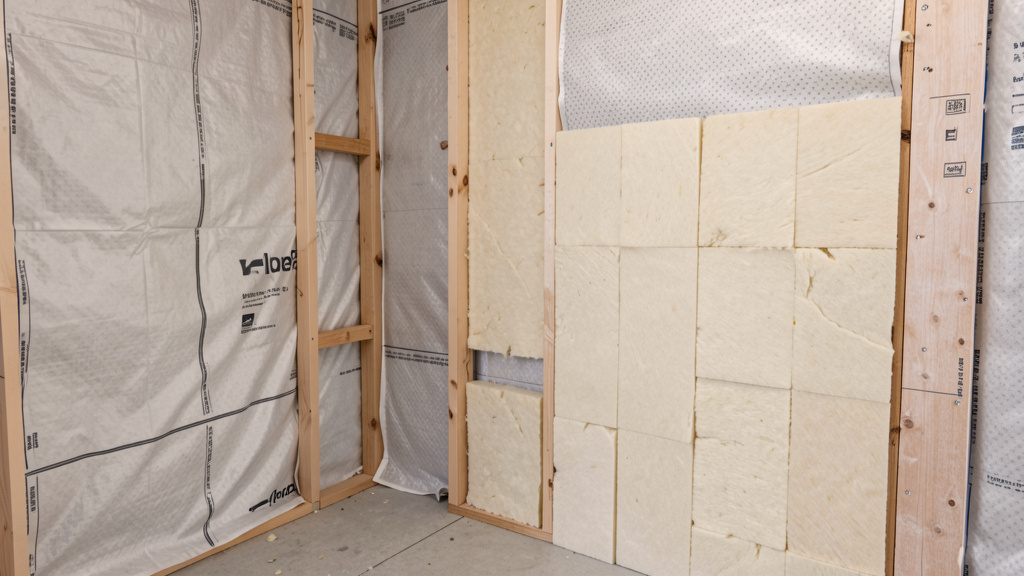
Move beyond guesswork with climate-aware strategies to manage moisture movement, support structural resilience, and nurture a healthier indoor environment.
Moisture challenges affect homes across every climate—sometimes visibly through condensation or musty odors, often invisibly within wall cavities or attics. While vapor control and air sealing are frequently discussed, their proper application depends on nuanced interactions between climate, building materials, assembly design, and occupant behavior. This guide synthesizes established building science principles from sources including the U.S. Department of Energy’s Building America program, ASHRAE standards, and Building Science Corporation research. You’ll gain a clear, adaptable framework to assess your home’s needs, avoid common pitfalls, and implement solutions aligned with your specific context—whether planning new construction, managing a renovation, or addressing existing concerns.
Introduction
Walk into any home improvement aisle, and you’ll encounter products labeled “vapor barrier” alongside sealants and tapes. Yet beneath this simplicity lies one of residential construction’s most context-dependent challenges: managing moisture movement without unintentionally trapping it. Moisture itself isn’t the enemy—uncontrolled moisture is. When humid air infiltrates building cavities and contacts surfaces below the dew point, condensation can foster mold growth, degrade insulation performance, compromise wood framing, and affect indoor air quality.
Modern building science clarifies a foundational insight: air sealing and vapor control serve distinct but interconnected roles. Confusing them—or applying rigid rules without considering local conditions—can create the very problems homeowners seek to avoid. Consider two documented scenarios:
– In a Minnesota basement remodel, polyethylene installed on the interior side of a concrete wall trapped moisture between the foundation and membrane. Within two years, hidden mold developed due to limited drying potential.
– In a Georgia attic retrofit, aggressive air sealing occurred without addressing ventilation or interior humidity sources. Humid air condensed on cooled ductwork, reducing insulation effectiveness and staining ceilings.
These cases reflect a broader pattern documented in field studies: moisture issues often stem not from single errors, but from misaligned layers within the building envelope. Research consistently identifies three moisture transport pathways: bulk water intrusion (rain, groundwater), air-transported moisture (leaking humid air), and vapor diffusion (molecular movement through materials). Effective management requires understanding all three—and prioritizing strategies that preserve the assembly’s ability to dry. This guide offers a structured, climate-responsive approach grounded in physics, not folklore.
The Moisture Control Triad: A Framework for Informed Decisions
Rather than fragmented tips, lasting moisture resilience emerges from an integrated system: the Moisture Control Triad. Developed through analysis of building performance data across diverse climates, this framework balances three interdependent pillars. Omitting any pillar increases vulnerability; aligning all three creates compounding protection.
Pillar 1: Understand Moisture Movement Pathways (The “Why”)
Before selecting materials, clarify how moisture travels:
Bulk Water Intrusion moves via gravity or pressure (rain, snowmelt, plumbing leaks). Solutions include proper grading, flashing, drainage planes, and roof maintenance. While critical, bulk water control operates outside the vapor/air sealing scope—but if unaddressed, it overwhelms all other defenses. Example: Improperly lapped housewrap allows rain behind siding. No interior vapor retarder can mitigate this; the assembly will remain wet.
Air-Transported Moisture carries significantly more water vapor than diffusion alone. Warm indoor air leaking through gaps (around outlets, top plates, or ducts) deposits moisture directly into cavities upon contacting cold surfaces. Building Science Corporation field studies indicate air leakage often accounts for the majority of moisture accumulation in wall assemblies during heating seasons. Analogy: Sealing microscopic pores in a boat hull (diffusion control) while ignoring a large crack (air leakage) won’t keep the boat dry. Air sealing addresses the dominant leakage path. Nuance: In very tight homes, reduced air exchange may elevate indoor humidity if moisture sources (showers, cooking) aren’t managed. Intentional ventilation becomes essential—a systems-level consideration.
Vapor Diffusion is the slow, molecular migration of vapor through materials due to vapor pressure differences. Measured in “perms” (permeability), it occurs even in airtight assemblies. Diffusion is rarely the primary moisture source in standard walls but becomes relevant in specific assemblies: unvented cathedral ceilings, below-grade walls, or extreme climates. Critical insight: Diffusion control should never compromise an assembly’s ability to dry. Trapped moisture causes more damage than controlled diffusion.
The Guiding Principle: Prioritize verified air sealing to address the most significant moisture transport pathway. Apply vapor retarders selectively—only where climate, assembly design, and drying potential justify them. Never sacrifice drying capacity for diffusion control.
Pillar 2: Assess Climate, Assembly, and Drying Potential (The “Where and When”)
There is no universal rule for vapor retarder placement. Decisions depend on:
– Climate zone (heating- vs. cooling-dominated seasons)
– Assembly composition (materials on both sides of the insulation)
– Drying potential (can moisture escape inward, outward, or both?)
Step 1: Identify Your Climate Context
Refer to the IECC climate zone map (or regional equivalents):
– Cold Climates (Zones 5–8): Heating-dominated. Primary vapor drive is outward in winter. Risk: Condensation on cold sheathing.
– Hot-Humid Climates (Zones 1–3): Cooling-dominated. Primary vapor drive is inward in summer. Risk: Condensation on cooled interior surfaces.
– Mixed Climates (Zones 4A, 4B, 4C): Seasonal drive reversal. Highest risk of misapplication with static solutions.
Step 2: Evaluate Drying Pathways
Ask: If moisture enters this assembly, how can it dry?
– Exterior drying: Requires vapor-permeable exterior layers (e.g., plywood sheathing, ventilated cladding).
– Interior drying: Requires vapor-open interior finishes (e.g., standard latex paint on drywall, not vinyl wallpaper).
Assemblies perform best with at least one reliable drying path. Avoid “double vapor barriers” (e.g., interior poly + impermeable exterior foam without drainage).
Step 3: Apply Climate-Assembly Guidance
(Always verify with local code requirements and qualified professionals for your project.)
| Climate Zone Type | Primary Risk Period | Vapor Retarder Guidance | Critical Assembly Notes |
|---|---|---|---|
| Cold (Zones 5–8) | Winter (interior → exterior drive) | Class II retarder (≤1 perm) on interior side if exterior drying is robust. Smart retarders preferred. | Ensure exterior sheathing (e.g., plywood) allows drying. Avoid impermeable exterior layers unless engineered for drying. |
| Hot-Humid (Zones 1–3) | Summer (exterior → interior drive) | Avoid interior vapor retarders. Use vapor-permeable interior finishes (latex paint). | Prioritize air sealing at interior plane. Ensure wall can dry inward. Exterior insulation must permit inward drying. |
| Mixed-Humid (Zones 4A, 4C) | Seasonal reversal | Smart vapor retarder (variable permeability) strongly recommended on interior side. | Maximize bidirectional drying. Avoid polyethylene. Verify compatibility with exterior insulation strategy. |
| Marine (Zone 4C) | Year-round humidity + rain | Smart retarder preferred. Prioritize bulk water management. | High rainfall demands impeccable flashing, drainage gaps, and roof details. Vapor control is secondary to water shedding. |
Why Smart Retarders Shine in Variable Climates: Products like CertainTeed MemBrain or Pro Clima Intello adjust permeability with humidity. At typical winter interior RH (~40–50%), they restrict vapor drive (~0.3 perms). When moisture accumulates (RH >70%), they become more permeable (~5–10 perms), enabling inward drying. Field monitoring in mixed-humid regions shows assemblies with smart retarders maintain lower moisture content during transitional seasons compared to static barriers.
Pillar 3: Execute with Precision and Verify Results (The “How”)
Knowledge becomes protection through meticulous execution and verification.
Air Sealing Protocol (Priority #1):
1. Target high-impact leaks first: Top plates, rim joists, attic penetrations, recessed lights.
2. Match sealant to application:
– Gaps <¼”: Paintable acrylic latex caulk (flexible, adheres well to wood/drywall).
– Gaps ¼”–2″: Low-expansion polyurethane foam (e.g., “Gaps & Cracks” formula; fill 50% to allow expansion).
– Rigid foam edges (rim joist): Acoustic sealant (remains pliable for decades).
– Fire-rated penetrations: UL-listed fire barrier sealant.
3. Seal sequentially: Foundation sill → walls → top plates → attic. Seal before drywall or insulation where possible.
4. Verify: Blower door testing (gold standard) quantifies leakage reduction. Visual inspection with flashlight or incense smoke identifies leaks. Post-seal targets vary by home age and climate; even modest reductions (20–30%) significantly lower moisture risk.
Vapor Retarder Protocol (When Climate/Assembly Warrants):
1. Surface prep: Clean, dry substrate. Remove protrusions that could puncture membrane.
2. Seam strategy: Overlap seams 2–3″. Seal every seam and penetration with manufacturer-recommended tape (e.g., Tescon Vana for smart retarders). Standard duct tape fails prematurely.
3. Termination details: Seal continuously to top plate, sill plate, and window headers. A gap at the top plate allows air (and vapor) to bypass the entire layer.
4. Penetrations: For electrical boxes, cut precise slits, fold membrane flaps tightly against the box flange, and seal with retarder-specific tape before drywall installation. Gasketed electrical boxes (new construction) significantly reduce leakage.
5. Post-install check: Run hand firmly over seams. Lifted edges require immediate resealing. Document with photos for future reference.
The Triad functions as a system: Pillar 1 informs Pillar 2; Pillar 2 guides Pillar 3. Installing a vapor retarder without understanding moisture pathways (Pillar 1) or verifying air sealing (Pillar 3) risks unintended consequences. Mastery lies in the integration.
Clarifying Terminology: Vapor Retarders vs. Air Barriers
The phrase “vapor barrier” is a misnomer. No material blocks vapor completely; all materials resist vapor diffusion to varying degrees. Industry standards (ASTM E96) classify materials by permeability:
-
Class I: Vapor Impermeable (<0.1 perm)
Examples: 6-mil polyethylene, glass, unperforated aluminum.
Typical uses: Sub-slab applications, crawlspace ground covers (over gravel, sealed at seams), specific roof assemblies.
Caution: Rarely appropriate for interior wall surfaces in mixed or hot-humid climates. Can trap moisture if drying paths are blocked. -
Class II: Vapor Semi-Impermeable (0.1–1.0 perm)
Examples: Kraft-faced batt insulation (if seams sealed), some smart retarders in low-humidity mode.
Typical uses: Interior side in cold climates where outward winter drive dominates. Kraft facing alone is fragile; continuous sheet membranes are more reliable. -
Class III: Vapor Semi-Permeable (1.0–10 perms)
Examples: Latex paint on drywall (~5 perms), plywood, unfaced EPS foam.
Typical uses: Interior finishes in hot-humid climates (allows inward drying), mild climate assemblies with robust drying capacity.
Debunking Common Misconceptions:
– Myth: “Vapor barriers prevent all moisture problems.”
Reality: Vapor retarders address only diffusion—a minor pathway compared to air leakage in most residential walls. A wall with perfect polyethylene but unsealed electrical boxes accumulates far more moisture via air transport. Air sealing delivers greater moisture control impact in typical scenarios.
– Myth: “More impermeable = better protection.”
Reality: Impermeability without drying capacity is risky. Assemblies will get wet—from construction moisture, minor leaks, or seasonal humidity shifts. Trapped moisture accelerates deterioration. Balance retardency with drying potential.
– Myth: “Always install on the warm-in-winter side.”
Reality: This oversimplification fails in climates with significant cooling seasons. In Atlanta (Zone 3A), the “warm side” in summer is outside. Interior poly can trap moisture driven inward by humid outdoor air. Climate-specific analysis is essential.
When to Consider a Dedicated Vapor Retarder:
– Building in cold climates (Zones 5–8) with vapor-permeable exterior sheathing.
– Unvented cathedral ceilings with impermeable roofing (requires careful engineering).
– Below-grade foundation walls (rigid foam with sealed seams serves dual purpose).
When to Avoid:
– Hot-humid climates (Zones 1–3) on interior surfaces.
– Assemblies with existing vapor retarders (e.g., vinyl wallpaper in older homes)—adding another layer creates high-risk sandwiching.
– When exterior continuous insulation keeps sheathing above dew point and allows inward drying.
Understanding these distinctions shifts vapor control from a feared checklist item to a precise, context-driven tool.
Air Sealing: Foundational for Moisture and Comfort
Air sealing is frequently undervalued because leaks are invisible. Yet uncontrolled airflow transports moisture directly into building cavities, drives energy loss, and affects indoor air quality.
Why Air Sealing Matters Most:
Building physics illustrates the scale: In a cold-climate wall, a 1/16″ gap around an electrical box may allow air leakage carrying significantly more moisture into the cavity than vapor diffusion through the entire wall surface. Research indicates air leakage often contributes the majority of moisture deposition in framed walls during heating seasons. Sealing these pathways addresses the dominant transport mechanism.
Room-by-Room Priority Guide:
Attic (Highest Impact)
– Top plates: Seal gap between top plate and drywall/attic floor using rigid foam blocks sealed with acoustic sealant. Install attic baffles first if soffit vents exist to maintain ventilation.
– Recessed lights: Replace non-airtight cans with ICAT-rated LED retrofits. Seal housing to drywall with fire-rated caulk. Never seal non-ICAT cans—they overheat.
– Plumbing vents/chimneys: Seal framing gaps around penetrations with high-temperature or fire-rated sealant. Verify chimney flue remains unobstructed.
– Attic hatch: Install insulated, gasketed cover (e.g., rigid foam board with EPDM tape perimeter).
Rim Joist / Band Joist
– Remove old insulation. Clean and inspect for existing moisture issues; remediate first.
– Cut rigid XPS foam boards to fit snugly between joists. Seal all edges meticulously with acoustic sealant.
– Seal utility penetrations with fire-rated sealant. Verify with flashlight test (shine from basement; light visible outside = leak).
– Note: Fiberglass batts alone provide negligible air sealing.
Walls & Floors
– Electrical boxes (exterior walls): Install foam gaskets behind boxes (retrofit) or specify gasketed boxes (new construction). Seal flange to drywall with fire-rated caulk.
– Plumbing penetrations: Seal gaps around pipes with fire-rated sealant; use backer rod for large openings.
– Windows/doors: Remove interior trim. Seal gap between rough opening and frame with low-expansion foam. Reinstall trim and caulk perimeter.
– Baseboards: Apply paintable caulk along top edge where molding meets wall (only if structure is sound; avoid hiding settlement cracks).
Foundation & Slab
– Sill plate: Seal gap between foundation and framing with polyurethane sealant rated for concrete contact. Maintain termite inspection gap if required locally.
– Utility entries: Seal all pipe/wire penetrations through foundation walls with hydraulic cement or below-grade sealant.
– Slab cracks: Seal wide cracks (>1/8″) to reduce radon/moisture entry; hairline cracks are typically not air leakage paths.
Sealant Selection Guide:
| Application | Recommended Product | Why | Avoid |
|————-|———————|—–|——-|
| Top plate to drywall | Acoustic sealant | Remains flexible for decades; accommodates movement | Standard caulk (dries brittle) |
| Window/door gaps (<¼”) | Paintable acrylic latex caulk | Flexible, paintable, adheres to wood/drywall | Silicone (won’t paint), cheap latex (cracks) |
| Rim joist foam edges | Acoustic sealant | Non-hardening, fire-rated, durable | Solvent-based adhesives (may degrade foam) |
| Fire-rated penetrations | UL-listed fire barrier sealant | Maintains assembly fire rating | Regular caulk (fails fire test) |
| Low-expansion foam | “Gaps & Cracks” formula | Expands 1.5–2x; won’t bow frames | Standard high-expansion foam near framing |
Verification is Non-Negotiable:
– Visual: Bright flashlight in dark room; check top plates, outlets, penetrations.
– Smoke test: Incense stick near suspected leaks on calm days (detects larger leaks).
– Blower door test: Professional assessment quantifies leakage (ACH50) and pinpoints leaks. Highly recommended after major sealing work. Even modest reductions (20–40%) significantly lower moisture risk and improve comfort.
Air sealing is the highest-leverage action for moisture control. Pair it with appropriate ventilation to manage interior humidity sources.
Climate Zone Guidance: Contextual Decision Support
Applying vapor strategies without climate context risks unintended consequences. Below is guidance synthesized from IECC references and building science literature. Always consult local building codes and professionals familiar with regional practices.
Zones 1–2: Hot-Humid (South Florida, Gulf Coast)
- Primary risk: Inward vapor drive during cooling season. Interior surfaces are cooled by AC; humid outdoor air infiltrates and condenses.
- Strategy: Avoid interior vapor retarders. Use vapor-permeable interior finishes (standard latex paint). Prioritize exterior air sealing, bulk water management (rainscreens, drainage planes), and adequate attic ventilation.
- Critical note: If code requires a vapor retarder, Class III materials on the exterior side of sheathing may be used—but verify assembly drying capacity inward.
- Real-world insight: Documented failures often involve interior polyethylene trapping moisture from air leakage. Removal and correction are costly.
Zone 3: Warm-Humid / Marine (Carolinas, Pacific Northwest)
- Primary risk: Seasonal drive reversal; high rainfall (Marine).
- Strategy: Smart vapor retarder strongly preferred on interior side. Maximizes drying capacity during humid summers and limits drive during cooler periods. Ensure exterior cladding has drainage gap.
- Marine nuance: Bulk water management (flashing, roof details) outweighs vapor concerns. A smart retarder provides resilience during cool, wet winters.
Zone 4: Mixed-Humid (Mid-Atlantic) & Mixed-Dry (Inland West)
- Primary risk: Drive reversal; highest misapplication risk.
- Strategy: Smart vapor retarder is optimal. If unavailable, Class III (latex paint) is safer than rigid Class I/II barriers. Avoid double vapor barriers (e.g., interior poly + impermeable exterior foam without drying path).
- Exterior insulation note: Thick continuous exterior foam (>1″) may keep sheathing warm enough to avoid condensation, reducing need for interior retarder—but consult a building professional for assembly-specific analysis.
Zones 5–6: Cold (Northeast, Midwest)
- Primary risk: Outward vapor drive in winter; condensation on cold sheathing.
- Strategy: Class II retarder (e.g., smart retarder, taped kraft facing) on interior side. Ensure exterior sheathing is vapor-permeable (plywood preferred). Seal retarder continuously to framing.
- Code note: IECC typically requires Class I or II retarder in these zones. Smart retarders meet code while adding drying capacity.
Zones 7–8: Very Cold (Alaska, Northern Plains)
- Primary risk: Intense outward drive during prolonged cold spells.
- Strategy: Class I or II retarder mandatory on interior side; smart retarder preferred for drying capacity. Combine with thick exterior insulation to keep sheathing above dew point. Target very low air leakage (blower door ≤1.5 ACH50).
- Ventilation imperative: Tight envelopes require balanced ventilation (HRV/ERV) to control interior humidity and maintain air quality.
Universal Principles:
1. Air sealing effectiveness outweighs vapor retarder selection in most scenarios.
2. Design for drying: At least one reliable drying path is more valuable than perfect diffusion control.
3. Verify framing moisture content (<15%) before enclosing walls.
4. Local experience matters: Consult builders with proven success in your microclimate.
5. When uncertain, favor greater permeability to preserve drying capacity.
Material Selection: Purposeful Choices
Choosing materials requires understanding their role within the assembly—not just product labels.
Vapor Retarder Options
Smart Retarders (Variable Permeability)
– How they work: Adjust permeability with relative humidity (e.g., ~0.3 perms at 50% RH; opens to 5–10 perms at high RH).
– Best for: Zones 3–6; assemblies needing seasonal adaptability.
– Installation note: Requires manufacturer-specific tapes (e.g., Tescon Vana). Seal seams immediately with J-roller for adhesion. Surface must be clean and dry.
– Evidence: Multi-year monitoring studies show assemblies with smart retarders maintain lower moisture content during transitional seasons compared to static barriers.
Rigid Foam Board
– Roles: Insulation + air barrier + vapor control (depending on type/thickness).
– XPS (extruded polystyrene): ~1.0–1.5 perms/inch. Suitable for below-grade (resists moisture absorption). Seal seams meticulously.
– Polyiso (foil-faced): <0.1 perm. Use only where assembly is engineered to dry inward (e.g., no interior retarder).
– EPS (expanded polystyrene): 2–5 perms/inch. Too permeable for vapor control; use for insulation value only.
– Critical: Seal all edges and penetrations. Unsealed foam boards leak air.
Avoid in Walls:
– 6-mil polyethylene on interior surfaces in mixed/hot-humid climates (traps moisture).
– Kraft-faced batts with unsealed seams (minimal retardency benefit; fragile).
Air Sealing Materials
Acoustic Sealant
– Why it excels: Remains pliable indefinitely; accommodates building movement; fire-rated options available.
– Best uses: Sealing rigid foam edges (rim joist, sheathing), top/sill plates.
– Application: Apply continuous bead; smooth with gloved finger dipped in soapy water. Clean tools with mineral spirits.
Low-Expansion Foam
– Critical distinction: Use only “Window & Door” or “Gaps & Cracks” formulas (expands 1.5–2x). Standard foam expands 3–4x—never use near windows, doors, or drywall (bows frames).
– Technique: Clean gap. Shake can vigorously. Hold upside down. Fill 50% of cavity; foam expands to fill. Wait 15–20 minutes before trimming.
High-Performance Tapes
– Match tape to substrate:
– Smart retarders: Tescon Vana, Siga Rissan
– Rigid foam: Siga Wigluv, Tescon Multi
– Sheathing seams: Zip System tape (if compatible), Siga Wigluv
– Never use: Duct tape, packaging tape—they fail within months due to UV exposure and temperature swings.
– Pro tip: Clean surface with isopropyl alcohol before taping. Apply firm pressure with J-roller.
Gasketed Electrical Boxes
– Impact: Reduce air leakage per box by ~90% versus standard boxes.
– New construction: Specify Eaton AC series or equivalent.
– Retrofit: Install foam gaskets behind existing boxes; seal flange to drywall with fire-rated caulk.
Compatibility Considerations
| Substrate | Recommended Sealant/Tape | Incompatible Products | Reason |
|---|---|---|---|
| Smart retarder membrane | Manufacturer tape (e.g., Tescon Vana) | Silicone sealant, duct tape | Silicone oils degrade adhesion; duct tape adhesive fails |
| XPS foam board | Acoustic sealant, Siga Wigluv | Solvent-based adhesives | May melt foam surface |
| Concrete foundation | Polyurethane sealant (Sikaflex) | Latex caulk | Poor adhesion to concrete; lacks flexibility |
| Drywall perimeter | Paintable acrylic latex caulk | Silicone caulk | Prevents paint adhesion; difficult to remove |
Budget-Conscious Approach:
– Priority 1 (Non-negotiable): High-quality sealants/tapes for high-impact areas (top plates, rim joist, attic penetrations).
– Priority 2 (High value): Smart retarder in mixed climates; gasketed boxes in new construction.
– Priority 3 (Acceptable): Standard latex caulk for trim; unfaced batts with separate retarder.
– Never compromise: Tape quality for vapor retarder seams. Failure here compromises the entire layer.
Step-by-Step: New Wall Assembly (Cold Climate Example)
Prerequisites: Framing complete, dry (<15% moisture content), inspected. Exterior sheathing, weather barrier, and windows installed and flashed. Never install interior vapor control before exterior weather protection is complete.
Tools/Materials: Smart vapor retarder, manufacturer tape, J-roller, utility knife, isopropyl alcohol wipes, measuring tape.
- Surface Prep (15 min/wall):
- Remove protruding nails/splinters. Wipe top plate, bottom plate, and headers with alcohol wipes.
-
Why: Dust or debris creates micro-gaps under tape, enabling bypass. Field data shows poor edge prep causes most seam failures.
-
Layout & Cutting (20 min/wall):
- Unroll horizontally from bottom plate. Overlap vertical seams 2–3″. Use chalk line for alignment.
- Cut precise “X” slits over electrical boxes after positioning membrane.
-
Why: Horizontal installation minimizes seams. Precise cuts prevent gaps requiring excessive sealant.
-
Attachment (10 min/wall):
- Temporarily secure with minimal staples (top/bottom edges only) or use membrane’s adhesive edge. Avoid stapling near seams/penetrations.
-
Why: Staples create punctures. Minimizing them preserves integrity.
-
Seam Sealing (Critical – 25 min/wall):
- Clean seam area. Apply tape centered over seam. Roll firmly with J-roller (5–10 lbs pressure) from center outward. Overlap tape ends 2″ at corners.
-
Why: Unsealed seams allow near-total vapor bypass. J-rolling ensures molecular adhesion. Hand-smoothing is insufficient.
-
Penetration Sealing (15 min/box):
- Fold membrane flaps tightly against box flange. Seal with retarder-specific tape using J-roller.
-
Why: Unsealed boxes are major air/moisture pathways. Sealing at membrane plane is essential.
-
Perimeter Termination (10 min/wall):
- Seal continuously to top plate (tape + acoustic sealant at drywall interface), bottom plate, and window headers. Integrate with flashing system.
-
Why: Gaps at perimeters allow air to bypass the entire layer. Continuous seal creates a functional plane.
-
Verification (5 min):
- Run hand firmly over seams/penetrations. Lifted edges? Re-tape immediately.
- Document with timestamped photos for records.
- Why: Catches errors before drywall conceals them.
Climate Adaptation Notes:
– Hot-Humid (Zone 2): Omit interior vapor retarder. Proceed to drywall with vapor-permeable paint. Focus air sealing at exterior sheathing plane.
– Mixed-Humid (Zone 4A): Follow identical steps using smart retarder. Its variable permeability accommodates seasonal shifts.
– Very Cold (Zone 7): Confirm framing moisture content <12% before installation. Pair with exterior insulation strategy.
Step-by-Step: Retrofit Air Sealing (Existing Home)
Safety first: Wear N95 respirator, safety glasses, gloves. Work with a partner. Verify electrical circuits are off before handling boxes.
Phase 1: Attic (Highest Impact – 1 Weekend)
Why: Stack effect pulls air upward; sealing here yields disproportionate whole-house leakage reduction.
– Top plates: Cut rigid foam strips to fit between trusses against top plate. Seal all edges to plate and attic floor with acoustic sealant. Install attic baffles first if soffit vents exist.
– Recessed lights: Confirm ICAT rating. Install foam gasket (e.g., Tenmat) inside housing; seal edge to drywall with fire-rated caulk. Replace non-ICAT cans with airtight LED retrofits before sealing.
– Plumbing vents/chimneys: Seal framing gaps around penetrations with appropriate sealant. Never block chimney flue.
– Attic hatch: Install insulated, gasketed cover. Seal perimeter with adhesive-backed EPDM tape.
Phase 2: Rim Joist (Basement/Crawlspace – 1 Weekend)
Why: Utility penetrations create significant leakage paths.
– Prep: Remove old insulation. Inspect for moisture/mold; remediate first.
– Install: Cut XPS boards 1/8″ smaller than cavity for snug fit. Insert between joists.
– Seal: Apply continuous bead of acoustic sealant around entire perimeter. Press board firmly into sealant.
– Penetrations: Seal pipe/wire gaps with fire-rated sealant; use backer rod for large openings.
– Verify: Shine flashlight from basement into rim joist area on sunny day. Light visible outside = leak.
Phase 3: Interior Details (Ongoing)
– Electrical outlets (exterior walls): Insert foam gasket behind box; seal flange to drywall with fire-rated caulk.
– Baseboards: Apply paintable caulk along top edge where molding meets wall.
– Windows/doors: Remove interior trim. Seal rough opening gap with low-expansion foam. Reinstall trim; caulk perimeter.
– Unused outlets: Insert child-safety plugs on exterior walls (simple interim measure).
Verification Protocol:
1. Visual inspection with bright flashlight in dark room.
2. Incense smoke test near suspected leaks on calm days.
3. Blower door test (recommended): Compare pre/post results. Target meaningful reduction (e.g., 20–40%). Document for records.
Retrofit sealing is iterative. Start with attic and rim joist for maximum impact. Add interior details over time. Each sealed gap compounds protection.
Retrofitting Older Homes: Preserving Drying Capacity
Pre-1980s homes often used vapor-permeable assemblies designed to dry inward. Adding modern impermeable layers without assessment risks trapping moisture. Guiding principle: Preserve or enhance original drying pathways. Do not create double vapor barriers.
The Double Vapor Barrier Risk
Scenario: A 1950s home in Zone 4A has degraded asphalt-coated kraft paper insulation facing. During remodel, polyethylene is added behind new drywall.
Physics: Two retarders sandwich the cavity. Moisture entering via air leakage (common in older homes) cannot dry inward (blocked by poly) or outward (blocked by degraded facing + low-permeability cladding).
Solution:
– Investigate before adding layers: Remove an outlet cover on an exterior wall. Shine light into cavity. Look for existing facing, felt paper, or vinyl wallpaper.
– If existing retarder is suspected, default to vapor-permeable interior finishes (standard drywall + latex paint).
– Focus air sealing efforts at accessible planes (e.g., attic, rim joist) rather than adding interior barriers.
– If moisture issues exist, consult a professional experienced with historic assemblies.
Balancing Air Sealing and Ventilation
Scenario: After sealing attic and rim joist in a 1920s bungalow, window condensation increases.
Physics: Original high leakage (10–15 ACH) provided unintentional ventilation. Post-sealing leakage drops to 3–4 ACH, but interior moisture sources (showers, cooking) now accumulate without exhaust.
Solution:
– Measure indoor humidity with a hygrometer. Ideal winter RH: 30–40%.
– Source control: Run bathroom exhaust fan (vented outside) during/after showers; use range hood while cooking.
– Add intentional ventilation:
– Budget: Timer-controlled bathroom fan running continuously at low speed.
– Optimal: HRV/ERV sized for home square footage (e.g., 60–80 CFM for 1,800 sq. ft.).
– Monitor RH; use dehumidifier in damp basements.
Note: ASHRAE Standard 62.2 provides ventilation rate guidelines for tightened homes.
Solid Masonry Walls (Pre-WWII Construction)
Scenario: A brick rowhouse shows damp interior plaster during rain. Previous poly/drywall installation worsened it.
Physics: Solid brick absorbs rainwater. Original lime plaster allowed inward drying. Interior poly blocks this path, trapping moisture at brick-plaster interface, causing spalling and mold.
Solution (Breathable Assembly Approach):
1. Remove interior poly and non-breathable finishes.
2. Preserve or replaster with vapor-permeable lime plaster (not modern gypsum).
3. Apply vapor-open interior finishes: clay paint or lime wash (>10 perms). Never use vinyl wallpaper or oil-based paint.
4. Address exterior: Repoint mortar with lime-based mix; ensure gutters/downspouts direct water 6+ feet from foundation; slope grade away (6″ drop over 10′).
5. Manage interior humidity: Dehumidifier in basement set to 50% RH.
Why it works: Restores inward drying capacity while reducing moisture entry at the source. Historic preservation guidelines in cities like Charleston and Boston endorse this approach for century-old masonry.
Insulating Uninsulated Attics Safely
Scenario: A 1960s ranch has minimal attic insulation (R-7). Goal: Increase to R-49.
Risk: Adding impermeable insulation directly over existing batts without air sealing may trap moisture from living space below.
Safe Protocol:
1. Air seal first (non-negotiable): Seal top plates, recessed lights, plumbing vents, attic hatch as detailed in retrofit guide.
2. Choose permeable insulation:
– Best: Loose-fill cellulose or fiberglass (allows upward drying).
– Acceptable: Unfaced fiberglass batts.
– Use cautiously: Foil-faced rigid foam requires professional assessment to ensure adequate ventilation and drying paths. Never install directly over existing insulation without verification.
3. Ventilation check: Ensure soffit-to-ridge ventilation remains unobstructed. Install baffles if needed.
4. Verify: Post-installation blower door test confirms leakage reduction without compromising drying.
Retrofit decisions require humility. When in doubt, prioritize preserving drying capacity over adding barriers. Consult professionals experienced with older building stock.
Your Questions, Answered
Q: Do I need a vapor retarder in my climate?
A: It depends on your climate zone, wall assembly, and exterior materials. In hot-humid climates (Zones 1–3), interior vapor retarders are generally not recommended and may cause problems. In cold climates (Zones 5–8), a Class II retarder on the interior side is typically appropriate if the assembly allows exterior drying. Mixed climates (Zone 4) benefit most from smart retarders. Always assess your specific assembly’s drying potential. When uncertain, consult local building codes or a qualified professional.
Q: Can I install a vapor retarder over existing insulation?
A: Proceed with caution. First, determine if an existing retarder is already present (e.g., kraft-faced batts, asphalt paper). Adding a second layer creates a “double vapor barrier” risk—trapping moisture between layers. In retrofits, vapor-permeable interior finishes (standard drywall + latex paint) are often safer. Focus efforts on verified air sealing instead. If moisture issues exist, investigate the source before adding layers.
Q: What’s the difference between an air barrier and a vapor retarder?
A: They address different pathways. An air barrier blocks airflow (and the moisture carried by air), which is the dominant moisture transport mechanism in most walls. An air barrier must be continuous and sealed at all penetrations. A vapor retarder slows vapor diffusion (molecular movement through materials), which is typically a secondary concern. Many materials serve both functions (e.g., properly sealed drywall acts as an air barrier; smart retarders manage diffusion). Air sealing should always be prioritized.
Q: How do I know if my home has hidden moisture problems?
A: Watch for clues: persistent musty odors (especially in closets on exterior walls), condensation on windows beyond normal winter frost, bubbling paint or wallpaper on exterior walls, visible mold in attics or basements, or unexplained increases in humidity readings. Inaccessible areas require professional assessment—moisture meters, thermal imaging, or boroscope inspection. Address symptoms promptly; hidden moisture causes progressive damage.
Q: Can air sealing cause indoor air quality issues?
A: Yes—if done without addressing ventilation. Older leaky homes had unintentional air exchange. Sealing leaks reduces this exchange, potentially allowing indoor pollutants (VOCs, CO2, humidity) to accumulate. Solution: Pair air sealing with intentional ventilation. Install exhaust fans in bathrooms/kitchens vented outside. For tightly sealed homes, consider an HRV or ERV to provide controlled fresh air while retaining energy. Monitor indoor humidity (target 30–50%); use dehumidifiers if needed.
Q: Is spray foam insulation a vapor barrier?
A: It depends on the type and thickness. Closed-cell spray foam (typically >1.5 inches) acts as a Class I vapor retarder (<0.1 perm) and an effective air barrier. Open-cell spray foam is vapor-permeable (~10+ perms) and functions primarily as an air barrier and insulator. In mixed or hot-humid climates, closed-cell foam on the interior side may block necessary drying paths. Assembly design must account for this. Always discuss vapor management strategy with your installer.
Q: What’s the best way to seal around existing windows?
A: For interior sealing: Remove trim carefully. Clean the gap between window frame and rough opening. Fill with low-expansion “Window & Door” foam (fill 50% to allow expansion). Reinstall trim. Caulk trim perimeter with paintable acrylic latex caulk. For exterior sealing: Ensure flashing is intact. Seal cladding-to-frame joint with elastomeric caulk rated for exterior use. Replace cracked glazing compound on historic windows. Prioritize air sealing at the rough opening—not just the trim.
Q: Do I really need a blower door test?
A: It’s the only way to quantify air leakage and verify sealing effectiveness. Visual checks miss small but significant leaks. Many utility companies offer subsidized energy audits including blower door tests. Post-sealing testing confirms you’ve reduced leakage meaningfully (e.g., 20–40%) and identifies remaining problem areas. For major sealing projects or moisture-prone homes, it’s a worthwhile investment in verification.
Q: Can I use plastic sheeting as a vapor barrier in my crawlspace?
A: Yes—with critical details. Use 6-mil (or thicker) polyethylene ground cover. Overlap seams 12 inches. Seal seams with UL-181 tape. Extend sheeting 6–12 inches up foundation walls; secure edges with pressure-treated wood battens sealed to foundation. Ensure crawlspace has adequate ventilation per code or is part of a conditioned crawlspace strategy with mechanical dehumidification. Never use thin painter’s plastic—it tears easily and fails quickly.
Q: How do I fix condensation on my windows?
A: Condensation indicates high indoor humidity meeting a cold surface. Short-term: Wipe moisture; improve air circulation near windows. Long-term: Reduce indoor humidity sources (ventilate bathrooms/kitchens, use exhaust fans, cover pots while cooking). Ensure windows are properly sealed to framing. In very cold climates, consider upgrading to double- or triple-pane windows with warm-edge spacers. If condensation occurs between panes, the seal has failed—window replacement is needed.
Q: What paint should I use on basement walls?
A: Avoid vapor-impermeable paints (epoxy, oil-based) on below-grade concrete walls. They trap moisture migrating through the foundation, causing paint blistering and potential mold behind the coating. Instead: Address exterior water management first (gutters, grading, drainage). For interior: Use vapor-permeable masonry paint or specialized basement coatings designed to allow moisture vapor transmission. In finished basements, install a drainage mat system behind drywall with a vapor-permeable membrane. Consult a foundation specialist for persistent moisture.
Conclusion and Next Step
Moisture management isn’t about perfect barriers—it’s about intelligent systems. The Moisture Control Triad provides a durable framework: understand moisture pathways (Pillar 1), assess your climate and assembly’s drying capacity (Pillar 2), and execute with precision while verifying results (Pillar 3). This approach replaces rigid rules with adaptable physics-based reasoning. Remember:
– Air sealing addresses the most significant moisture transport pathway in most homes.
– Vapor retarders are climate- and assembly-specific tools—not universal requirements.
– Drying potential is more valuable than absolute impermeability.
– Verification transforms guesswork into confidence.
Your 24-Hour Action:
Within the next day, inspect one high-impact area:
– Go to your attic and check the gap between the top plate of an exterior wall and the attic floor. Shine a flashlight along it. If you see light from below, that’s an air leak.
– Or: Remove the cover plate from an electrical outlet on an exterior wall (after turning off the circuit breaker and verifying power is off). Look for gaps around the box.
Seal one small gap you find using appropriate caulk or foam. This single action begins shifting your home toward greater resilience.
The Bigger Picture:
Moisture control intertwines with energy efficiency, structural longevity, and occupant health. It’s one thread in the holistic tapestry of building performance. By applying thoughtful, context-aware strategies—and respecting the physics of your specific home—you contribute to a safer, more comfortable, and more durable living environment for years to come. When complex decisions arise, seek guidance from professionals grounded in building science. Your home’s story continues with each informed choice you make.
Explore Further:
Understanding Climate Zones for Homeowners | Air Sealing Essentials: Tools and Techniques | Insulation Types Compared: Finding Your Best Fit | Mold Prevention: Early Signs and Proactive Steps | Ventilation Systems Demystified: HRVs, ERVs, and Exhaust Fans | Historic Home Moisture Management | Energy Audits: What to Expect and How to Prepare