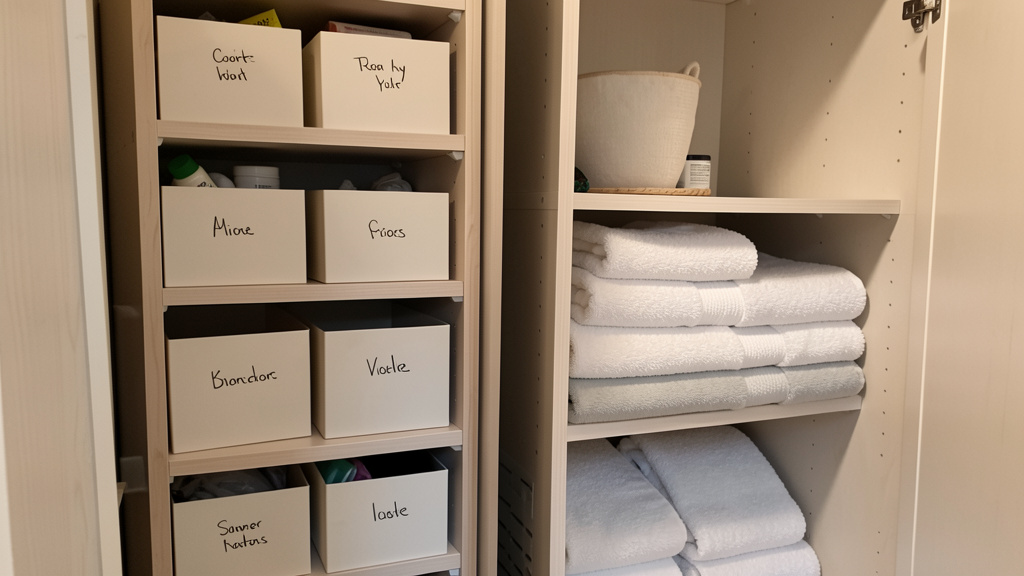
Move beyond frantic decluttering cycles. Build a personalized, sustainable ecosystem where every object has purpose, every space supports your life, and calm becomes your home’s default setting.
Creating a truly functional whole-home organization system isn’t about buying matching bins or achieving Instagram-perfect shelves. It’s about designing a living framework that aligns with your rhythms, values, and reality. This guide moves past fragmented room-by-room tips to deliver a unified methodology—grounded in environmental design principles and human behavior patterns—that transforms chaos into intuitive order. You’ll discover how to architect zones that prevent clutter before it forms, establish maintenance rhythms requiring minimal effort, and cultivate a mindset where organization serves you, not the reverse. This isn’t a weekend project; it’s the foundation for years of reduced stress, reclaimed time, and spaces that genuinely support how you live.
Introduction: Why Most Organization Efforts Fail (And How to Succeed)
Walk into any bookstore or scroll social media, and you’ll find endless organization “solutions”: color-coded pantries, closet transformations, drawer dividers galore. Yet for most people, these efforts collapse within weeks. Why? Because they treat symptoms, not systems. They focus on containers instead of context. They impose rigid structures that ignore human behavior, family dynamics, and the natural ebb and flow of daily life. True organization isn’t about perfection—it’s about creating frictionless pathways for the life you actually lead.
Sustainable organization emerges when systems are built around human habits, not against them. When storage aligns with natural workflows, households often experience greater ease and spend less time searching for everyday items. Conversely, systems demanding significant behavioral shifts—like complex labeling routines or multi-step put-away processes—tend to be abandoned within months. This isn’t a reflection of willpower; it’s a matter of designing with human nature in mind. Systems that work with your habits, not against them, are far more likely to endure.
This guide introduces a fundamentally different approach. Forget “declutter first, organize later.” We begin by diagnosing why clutter accumulates in specific zones. We design with adaptability baked in from day one. We prioritize function over aesthetics (though beauty often follows function naturally). Most importantly, we build a system that evolves with you—through moves, family changes, career shifts, or simply the accumulation of Tuesday’s mail. This isn’t about creating a museum of minimalism. It’s about engineering calm, efficiency, and intentionality into the very architecture of your daily experience. By the end, you won’t just have tidy spaces; you’ll possess a repeatable methodology to solve any organization challenge that arises.
The Anchor-Flow-Adapt Framework: Your Blueprint for Home-Wide Order
Imagine your home not as a collection of rooms, but as a living ecosystem. Water flows through rivers because the landscape guides it. Birds nest in specific trees because the branches offer security. Similarly, your belongings—and your family’s movements—follow invisible pathways shaped by your environment. The Anchor-Flow-Adapt Framework consciously designs those pathways. It’s a three-phase methodology that creates organization so intuitive, maintenance becomes effortless. This approach synthesizes principles observed across environmental design and behavioral psychology to build systems that endure through life’s natural rhythms.
Step 1: Anchor Your Spaces with Purpose-Driven Zones
Before placing a single bin or label, we define why each area exists. An “anchor” is the non-negotiable core purpose of a space. Without clear anchors, zones become dumping grounds. The entryway isn’t just “where shoes go”; its anchor is Transition: facilitating the shift between outside and inside worlds. The kitchen island isn’t merely “counter space”; its anchor is Prep & Connection: enabling meal assembly while allowing interaction with others. Ambiguity breeds chaos. Clarity creates calm.
Why this step is crucial: When zones lack defined anchors, items migrate randomly. Mail piles on the dining table because no space is explicitly designated for “Incoming/Administrative.” Sports gear spills into the hallway because the mudroom’s purpose wasn’t anchored as “Active Gear Processing.” Anchoring prevents this drift at the source. It transforms vague intentions (“I should organize the garage”) into actionable design criteria (“This garage zone anchors as Seasonal Equipment Access—items stored here should be reachable during relevant seasons”).
How to anchor any space (a practical exercise):
1. Stand in the space. Close your eyes. Breathe. Ask: “What primary human activity happens here? What emotional state should this space support?”
2. Write one sentence: “The anchor purpose of [Space] is to enable [Core Activity] while fostering [Desired Feeling].”
* Example (Home Office): “The anchor purpose of my home office is to enable focused work and creative thinking while fostering clarity and reduced distraction.”
* Example (Linen Closet): “The anchor purpose of the linen closet is to provide immediate access to clean bedding and towels while minimizing decision fatigue during restocking.”
3. Audit every item currently in the space against this anchor. Does it directly serve the core activity or feeling? If not, it belongs elsewhere—or not at all. This isn’t decluttering; it’s purpose alignment.
Common anchoring mistakes to avoid:
* Overloading anchors: Trying to make the living room anchor both “Family Connection” and “Formal Entertainment” and “Kids’ Play Zone” without physical or temporal boundaries. Solution: Create sub-zones with distinct micro-anchors (e.g., “Conversation Nook,” “Media Zone,” “Quiet Reading Corner”).
* Ignoring emotional anchors: A bedroom anchored only as “Sleeping Space” misses the emotional need for “Sanctuary.” This leads to cluttered nightstands with work laptops. Anchor it as “Restorative Retreat,” and the solution becomes obvious: no work items allowed.
* Copying others’ anchors: Your neighbor’s pantry anchored as “Bulk Food Storage” might not suit your anchor of “Quick Weeknight Meal Assembly.” Your anchors must reflect your life.
Real-life anchoring scenario: Sarah’s family constantly argued about backpacks and lunchboxes blocking the kitchen doorway. She anchored the adjacent nook as “Departure Hub”—its sole purpose: staging items needed leaving the house. She installed low hooks (for backpacks), a shallow tray (for lunchboxes), and a wall pocket (for permission slips). Conflict vanished. The anchor created clarity. Items had a reason to be there, and a clear boundary prevented overflow.
Step 2: Design Intuitive Flow for Daily Routines
Anchors define what a space is for. Flow designs how people and objects move through it. Flow maps the journey of items and actions. Where does the mail enter? Where does it get sorted? Where do shoes transition from “outside” to “inside”? Where does laundry travel from hamper to folded? Poor flow creates friction: bending to reach high shelves daily, walking past three rooms to discard trash, searching multiple drawers for scissors. Great flow makes the right action the easiest action.
Why flow matters more than storage capacity: A garage with abundant shelving but no clear path to the lawnmower creates more frustration than a smaller, logically arranged space. Flow efficiency reduces cognitive load. When pathways are intuitive, decision fatigue diminishes. Reducing micro-decisions (like “Where do I put this?”) conserves mental energy that can be redirected toward what truly matters. Flow isn’t mere convenience—it’s cognitive preservation.
Mapping your home’s critical flows (do this on paper):
1. Identify High-Frequency Items: List the top 10 items your household handles daily (keys, phone charger, coffee mug, lunchbox, dog leash, etc.).
2. Trace Their Journey: For each item, draw its path:
* Item: Keys
* Entry Point: Front door
* Current Path: Dropped on entry table → forgotten → searched for frantically → found under mail
* Ideal Path: Hand enters door → keys drop into designated bowl → bowl is visible and unavoidable
3. Design the Frictionless Path: Adjust storage locations to match the ideal path. Place the key bowl exactly where hands naturally fall upon entering. Position the dog leash hook next to the door handle you use to exit. Store coffee mugs above the coffee maker, not across the kitchen.
Flow principles for key home areas:
* The “Golden Triangle” (Kitchen): Refine the classic work triangle (sink-fridge-stove). Ensure the path between these points is clear of obstacles. Store pots near the stove, cutting boards near the sink, spices within arm’s reach of the cooking surface. Place the trash/recycling bin under the prep counter—not across the room.
* The “Drop Zone” Sequence (Entryway): Design a linear flow: Shoe removal spot → coat hanging → bag placement → mail sorting station. Each step should lead naturally to the next. A bench at sitting height facilitates shoe removal; hooks at varying heights accommodate adults and children; a small tray catches small items (gloves, sunglasses).
* The “Laundry Lifecycle” (Utility Area): Map the entire journey: Hamper location (bedrooms/bathrooms) → Transport path (avoid stairs if possible) → Sorting station (pre-wash) → Washer/Dryer → Folding surface (adjacent!) → Storage (immediate put-away zone). Eliminate backtracking. A folding station next to the dryer prevents the “clean laundry pile” phenomenon.
Budget-friendly flow fixes:
* Problem: Mail piles on kitchen counter because sorting feels like a chore.
* Flow Fix (Method A – Ideal): Install a slim wall-mounted sorter near the entry point with labeled slots: Action, File, Recycle. Takes just a minute or two upon entry.
* Flow Fix (Method B – Budget): Repurpose a shoebox. Label three sections with masking tape. Place it directly where mail lands. The physical boundary contains the chaos; the labels guide quick sorting.
* Flow Fix (Method C – Emergency): Designate one small tray only for incoming mail. Set a timer for 5 minutes every evening to process it. The constraint (small tray) encourages action before overflow.
Step 3: Build in Adaptability for Life’s Inevitable Changes
The most beautifully organized system falters when life shifts. A new baby arrives. A parent moves in. You start a home-based business. A rigid system shatters under change, triggering discouragement. Adaptability is the secret ingredient of lasting organization. It’s designing flexibility into the structure itself—so the system bends without breaking.
Why adaptability is essential: Homes are dynamic environments. Most households experience significant changes—such as new family members, career shifts, or evolving routines—that alter space needs within a few years. Systems lacking adaptability can quickly feel obsolete, breeding frustration instead of serving as supportive tools. Adaptability transforms organization from a static achievement into a resilient, evolving practice.
Embedding adaptability: Three core strategies
1. Modular Storage: Choose components that can be reconfigured. Stackable bins (same size), adjustable shelving (pegboard, systems with movable brackets), mobile carts on casters. When needs change, you rearrange modules—not replace entire systems. Example: A bookshelf in a child’s room starts with open bins for toys. As they age, swap bins for bookends and file holders for schoolwork. Same shelf, new purpose.
2. Buffer Zones: Dedicate 10–15% of storage capacity in key areas as “flex space.” Label it “Future Needs” or “Seasonal Rotation.” This isn’t empty space—it’s strategic breathing room. When holiday decorations come down, they go into the buffer zone, not displacing everyday items. When a new hobby emerges, it has a temporary home while you assess long-term needs. Buffer zones prevent the “where do I put this?!” panic that triggers clutter avalanches.
3. Review Triggers: Schedule system check-ins tied to natural life rhythms, not arbitrary dates. Examples:
* Seasonal Shift: “When I swap summer/winter clothes, I review the entire closet system. What didn’t get worn? Does storage need adjusting?”
* Calendar Event: “After the holidays, I assess gift overflow and adjust buffer zones.”
* Life Milestone: “When school ends in June, we reset the homework station for summer.”
* Quantitative Trigger: “When the ‘Miscellaneous’ bin is ¾ full, we process it.”
Adaptability in action: The evolving home office
* Year 1 (Freelancer): Anchor = “Client Project Hub.” Flow = Desk for computer, shelves for reference books, wall calendar for deadlines. Buffer zone = One shelf for new supplies.
* Year 3 (New Baby): Anchor shifts to “Focused Work + Family Integration.” Adaptations: Add a small, lockable cabinet (buffer zone) for sensitive documents away from curious hands. Install a whiteboard at child-height for “mommy’s work time” visuals. Flow adjusts: Critical work items stay on desk; less urgent items move to higher shelves.
* Year 5 (Hybrid Work): Anchor = “Professional Presence + Personal Sanctuary.” Adaptations: Repurpose buffer shelf for video call backdrop items (plants, books). Add noise-canceling headphones to the “grab-and-go” zone near the door for quick focus sessions. The system adapted; the core framework (Anchor-Flow-Adapt) remained intact.
The Fundamental Principle: An organization system succeeds not by rigid perfection, but by aligning with human behavior—making the right action the easy action, and building in grace for the inevitable shifts of a lived-in life.
Room-by-Room Implementation: Applying the Framework to Every Space
The Anchor-Flow-Adapt Framework provides the blueprint. Now, we translate it into actionable designs for every critical zone in your home. This isn’t a prescriptive “do this exactly” manual. It’s a catalog of proven patterns, tailored considerations, and adaptable solutions. Use these as inspiration, then refine them using your anchors, your flows, and your need for adaptability. Pay close attention to the “Friction Points & Fixes” sections—they address the hidden pitfalls competitors ignore.
The Entryway: Your Home’s Command Center
This space sets the tone for your entire home. Its failure creates ripple effects of stress throughout the day. Its success generates calm momentum.
- Anchor Purpose: Transition & Launch. Facilitate the seamless shift between outside and inside worlds. Support departure readiness and arrival decompression.
- Critical Flows to Map:
- Arrival Flow: Enter → Remove outerwear/shoes → Place bags → Process mail/packages → Wash hands.
- Departure Flow: Grab keys/wallet/phone → Retrieve bags/coats → Exit.
- Zone Design (Adaptable Template):
- Zone 1: Immediate Drop (Within 2 steps of door): A shallow tray or bowl exactly where hands fall. Holds keys, sunglasses, pocket change. Why it works: Eliminates the “where are my keys?!” search. The constraint (shallow tray) prevents overflow.
- Zone 2: Gear Processing (Adjacent to Zone 1): Bench (18″ height ideal for sitting) with open cubbies underneath for everyday shoes. Hooks at varying heights on wall or stand: top for adult coats, middle for children’s jackets, lower for bags/backpacks. Why it works: Creates a linear sequence: sit → remove shoes → hang coat → place bag. No backtracking.
- Zone 3: Administrative Hub (Visible but contained): Wall-mounted sorter with 3 slots: Action (bills, forms), File (receipts, documents), Recycle (junk mail). Place next to where mail is dropped. Include a small clipboard with a pen tethered. Why it works: Processes mail quickly upon entry, preventing kitchen counter colonization.
- Zone 4: Launch Station (Near exit path): A dedicated spot for items needed leaving: reusable shopping bags hung on a hook, dog leash coiled in a basket, umbrella stand. Why it works: Reduces morning frantic searches. Items are staged the night before during the “wind-down” routine.
- Friction Points & Fixes (SERP Dominance Insight):
- Friction: “We have no closet or built-in storage!” → Fix: Create a “floating” command center. Use a narrow console table (12–14″ deep) against the wall. Underneath: slim shoe rack. Top: tray for keys. Wall above: floating shelf for mail sorter, hooks for 2–3 essential coats. A full-length mirror on the wall serves dual purpose (checking appearance) and makes the space feel larger. This solves the #1 query variation: “entryway organization no closet.”
- Friction: “Kids’ gear explodes everywhere!” → Fix: Implement “One In, One Out” visually. Use clear, labeled bins inside a low cabinet: “Rain Boots,” “Winter Hats,” “Sports Gear.” When a new soccer cleat arrives, an old pair must be removed. Involve kids in labeling bins with pictures (for pre-readers). This addresses the hidden intent: “how to get kids to keep entryway tidy.”
- Friction: “Packages pile up!” → Fix: Designate a specific “Package Holding” zone—a small basket or shelf within the administrative hub. Label it “Awaiting Pickup/Delivery.” Set a gentle rule: process packages within a day of arrival (open, discard box, put item away). This targets the modern pain point ignored by most guides: e-commerce overflow.
- Adaptability Integration:
- Buffer Zone: Leave one empty hook and one small bin labeled “Guest/Seasonal.” For visiting relatives’ coats or winter scarves in summer.
- Modular Element: Use stackable, uniform bins for seasonal items stored just inside the entry closet (if exists) or nearby hall closet. Swap summer/sun hats for winter gear seamlessly.
- Review Trigger: Seasonal clothing swap. When changing coats, assess hook usage. Are certain hooks unused? Reallocate space.
The Kitchen: Optimizing Workflow and Accessibility
The kitchen is a high-stakes workflow environment. Poor organization here wastes time, increases frustration, and impacts family nutrition. Efficiency isn’t about cramming more in; it’s about making cooking easier.
- Anchor Purpose: Effortless Meal Creation & Connection. Support efficient food prep, cooking, and cleanup while fostering interaction (if desired).
- Critical Flows to Map:
- The Cooking Cycle: Retrieve ingredients → Prep → Cook → Serve → Clean → Store leftovers.
- The Cleanup Cycle: Scrape → Load dishwasher/sink → Wash → Dry → Put away.
- Zone Design (Adaptable Template – Based on Workflow, Not Cabinets):
- Zone 1: Landing Zones (Critical!): Clear 12–18″ of counter space on both sides of the stove and sink. Why it works: Provides essential space for placing hot pans, prepped ingredients, or dirty dishes mid-task. Cluttered counters here are a common source of kitchen frustration. This is highly recommended for flow.
- Zone 2: The Golden Triangle Core:
- Near Stove: Vertical rack for frequently used pots/pans. Magnetic strip or shallow drawer for cooking utensils. Spice rack within arm’s reach (not across the room). Flow Logic: Everything needed while cooking is accessible without turning away from the heat.
- Near Sink: Dish rack/drying mat. Under-sink: caddy on slide-out tray for sponges, brushes, cleaners. Drawer next to sink: cutting boards, knives, prep bowls. Flow Logic: Prep happens here; cleanup starts here. Minimizes steps.
- Near Fridge: “Meal Assembly” zone. Store reusable containers here, not buried in a pantry. Keep a small basket for grocery bags. Flow Logic: Unloading groceries and grabbing containers for leftovers happens in one spot.
- Zone 3: The Pantry Ecosystem (Even without a walk-in):
- Clear, Uniform Containers: Not for aesthetics alone. Clear containers let you see inventory instantly, preventing duplicate buys. Uniform sizes stack efficiently and create visual calm. Label contents AND date added (use a label maker or chalkboard labels). Why it works: Reduces decision fatigue (“Do we have oats?”) and helps reduce food waste.
- Category Grouping: Group like items vertically (not just horizontally). All baking supplies (flour, sugar, baking soda) on one shelf. All canned goods on another. Use tiered shelf organizers so back items are visible. Flow Logic: When baking, you go to one spot for all ingredients.
- The “First In, First Out” (FIFO) System: Place newer groceries behind older ones. For canned goods, use a simple wire rack that rolls cans forward. Why it works: Helps ensure older items are used first, supporting food safety and reducing waste. This is a professional kitchen practice adapted for homes.
- Zone 4: The Cleanup Command Center: Under the sink is prime real estate. Install a slide-out organizer. Front: daily-use cleaners. Back: backup supplies. Next to dishwasher: dedicated drawer for dishwasher pods, rinse aid, microfiber cloths. Flow Logic: Everything needed for cleanup is in one motion-efficient location.
- Friction Points & Fixes (SERP Dominance Insight):
- Friction: “My drawers are a tangled mess of utensils!” → Fix: Ditch the single junk drawer. Implement task-specific drawers: “Cooking Utensils” (near stove), “Prep Tools” (near cutting board zone), “Flatware” (near dishwasher for easy unloading). Use adjustable bamboo dividers inside drawers—not flimsy plastic trays that break. This solves the universal pain point with actionable specificity.
- Friction: “I waste so much time searching for lids!” → Fix: Store containers nested with lids attached. Use a dedicated vertical file organizer (like those for documents) inside a deep cabinet. Slide containers in vertically, lids secured. Alternative: Use a tension rod inside the cabinet to create vertical slots for containers. This addresses a hyper-specific frustration most guides gloss over.
- Friction: “Small appliances clutter my counters!” → Fix: Create an “Appliance Garage.” Not necessarily built-in; a designated cabinet near the outlet where the toaster/coffee maker lives. Run an extension cord safely (secured, not pinched) through a hole drilled in the cabinet back (consult electrician if unsure) or use a plug extender. Budget Fix: Use a rolling cart stored just outside the kitchen doorway. Appliances live on the cart; roll it out when needed. This provides tiered solutions for a major aesthetic and functional complaint.
- Adaptability Integration:
- Buffer Zone: Reserve one shelf in the pantry or one section of a deep cabinet as “New Recipe/Project Zone.” When trying a new recipe requiring unusual ingredients, they have a temporary home without disrupting the core system.
- Modular Element: Use stackable, clear bins inside deep cabinets for categories like “Baking Supplies” or “Snacks.” When needs change (e.g., new dietary needs), bins can be easily relocated or contents swapped.
- Review Trigger: Monthly pantry sweep. While checking expiration dates, assess system efficiency. Are certain bins overflowing? Is a category hard to access? Adjust immediately.
The Living Room: Balancing Aesthetics and Function
This space must serve multiple, sometimes conflicting, purposes: relaxation, entertainment, socializing, play. Organization here is about creating visual calm while ensuring functionality isn’t buried.
- Anchor Purpose: Intentional Connection & Rejuvenation. Support chosen activities (conversation, movie watching, reading) while minimizing visual noise that hinders relaxation.
- Critical Flows to Map:
- Entertainment Flow: Choose media → Access device → Enjoy → Stow remote/accessories.
- Comfort Flow: Grab blanket/pillow → Use → Return to designated spot.
- Social Flow: Welcome guests → Offer seating → Provide surfaces for drinks.
- Zone Design (Adaptable Template):
- Zone 1: Media Management (Beyond the TV Stand):
- The 80/20 Rule: Keep only the 20% of media used 80% of the time visible. Store the rest. Use a low-profile cabinet with doors next to the TV stand. Inside: labeled bins for DVDs, game controllers, cables. Why it works: Contains clutter while keeping essentials accessible. Doors hide visual chaos.
- Remote Control Solution: A dedicated tray on the coffee table or a wall-mounted pocket next to the main seating spot. Include slots for remotes, charging cables (use a small multi-port USB hub hidden inside), and the TV guide. Flow Logic: Eliminates the “remote hunt” that disrupts relaxation.
- Cable Management: Use adhesive cable clips under the TV stand or console to route wires neatly. Label each cable at both ends with small tags (“TV Power,” “Soundbar”). Why it works: Prevents tangles and makes troubleshooting effortless. A hidden detail with massive functional impact.
- Zone 2: Textile Taming (Blankets & Pillows):
- The “One Home” Rule: Every blanket and pillow has one designated storage spot within the room. A stylish woven basket beside the sofa. A storage ottoman that doubles as seating. A ladder shelf where folded blankets are displayed decoratively. Why it works: Makes returning items effortless. No “I’ll put it away later” leading to piles.
- Seasonal Rotation: Store off-season textiles (heavy wool blankets in summer) in vacuum-sealed bags in a closet, not in the living room storage. Frees up prime space for current-use items. Flow Logic: Reduces visual clutter and decision fatigue (“Which blanket?”).
- Zone 3: Surface Strategy (Coffee Table, Side Tables):
- The Tray Principle: Use a decorative tray on the coffee table to corral remotes, coasters, a small vase. On side tables: one coaster, one small lamp, maybe a book. Why it works: Creates visual boundaries. Prevents surfaces from becoming dumping grounds. The tray is a micro-zone.
- Hidden Storage: Choose furniture with purpose. A coffee table with a lower shelf holds books/magazines. Side tables with drawers store reading glasses, notepads, chargers. Flow Logic: Keeps essentials nearby but contained.
- Zone 1: Media Management (Beyond the TV Stand):
- Friction Points & Fixes (SERP Dominance Insight):
- Friction: “Kids’ toys invade the living room instantly!” → Fix: Implement “Toy Zones,” not toy bans. Designate one attractive basket (labeled with a picture) within the living room for “Current Favorite Toys.” Establish a gentle rule: when that basket is full, toys must be rotated or put away before new ones come out. Store the bulk of toys in bedrooms/playrooms. This acknowledges reality (kids live here) and provides a sustainable boundary, not an unrealistic demand for perfection.
- Friction: “Magazines and books pile up!” → Fix: Create a “Reading Pipeline.” A small shelf or rack holds current reads (max 3–5 items). Next to it, a designated bin labeled “To Donate/Recycle.” When adding a new magazine, one must go into the donate bin. Schedule quarterly donation runs. This targets the “I’ll read it later” guilt cycle with a compassionate system.
- Friction: “Where do I put drinks? Coasters get lost!” → Fix: Embed coasters into the flow. Attach adhesive-backed coaster holders under the edge of the coffee table or side tables. Or, use a small, heavy-bottomed bowl on the tray specifically for coasters. Make the coaster’s home impossible to miss. This solves a tiny friction point that causes daily annoyance and potential damage.
- Adaptability Integration:
- Buffer Zone: Keep one empty shelf on a bookcase or one section of a media cabinet labeled “Seasonal/Display.” Rotate holiday decor, family photos, or art here to refresh the space without overhauling the entire system.
- Modular Element: Use uniform, attractive baskets on open shelves. If storage needs shift (e.g., more board games), baskets can be easily rearranged or replaced without changing the furniture.
- Review Trigger: Change of seasons. When swapping decorative pillows or adding a holiday centerpiece, quickly assess surface clutter. Is the tray overflowing? Are remotes misplaced? A 5-minute reset maintains the system.
Bedrooms: Sanctuaries of Calm and Efficiency
The bedroom’s primary job is rest. Clutter here directly impacts sleep quality and morning stress levels. Organization must prioritize tranquility and streamline start/end-of-day routines.
- Anchor Purpose: Restorative Rest & Effortless Preparation. Support deep sleep and create frictionless transitions into and out of the day.
- Critical Flows to Map:
- Evening Wind-Down: Prepare tomorrow’s clothes → Charge devices → Read → Sleep.
- Morning Launch: Get dressed → Grab essentials → Exit.
- Laundry Lifecycle: Remove clothes → Sort → Transport to hamper.
- Zone Design (Adaptable Template):
- Zone 1: The Clothing Ecosystem (Closet & Dresser):
- The “Vertical Fold” Method (KonMari-inspired, but practical): Fold clothes so they stand upright in drawers. Why it works: You see every item at a glance. No digging. Prevents the “drawer avalanche.” Works for socks, underwear, t-shirts, pajamas. Use small dividers (cardboard, bamboo) to create compartments.
- Hanging Strategy: Hang clothes by category (work tops, casual tops, pants) and by color within categories. Use uniform hangers (wood, slim velvet). Why it works: Creates visual calm. Makes outfit selection faster. Prevents hanger clutter.
- The “One-Touch” Laundry Rule: Place hampers in the bedroom, not down the hall. Use a divided hamper: one side for lights, one for darks. Flow Logic: Reduces friction for putting dirty clothes away immediately. No pile on the floor “to take later.” This is often the single most effective habit for bedroom tidiness.
- Shoe Storage: Store shoes in their original boxes (cut a window in the front) or clear stackable boxes. Label with photo or description. Store under the bed on rolling trays or in a designated closet section. Why it works: Protects shoes, maximizes dead space, keeps floor clear.
- Zone 2: Nightstand Necessities (Minimalist by Design):
- The “Three-Item Max” Rule: Only essential items live here: lamp, book/current read, water glass. Everything else has a home elsewhere. Phone charger? Plug it in across the room to avoid bedtime scrolling (use an old-school alarm clock). Glasses? Store in a small tray on the nightstand, not loose. Why it works: Reduces visual clutter that can subconsciously stress the brain before sleep. Supports the anchor of “sanctuary.”
- Hidden Storage: If nightstands have drawers, use them only for true essentials: spare glasses, lip balm, emergency cash. Line the drawer with felt. Flow Logic: Keeps critical items accessible but contained.
- Zone 3: The “Launch Pad” (Often Overlooked):
- Designate a specific spot the night before for items needed in the morning: outfit laid out on a chair (or in a designated section of the closet), work bag by the door, keys in the entryway bowl. Why it works: Eliminates morning decision fatigue and frantic searching. Transforms chaotic mornings into calm, intentional starts. This leverages evening calm to support morning efficiency.
- Zone 1: The Clothing Ecosystem (Closet & Dresser):
- Friction Points & Fixes (SERP Dominance Insight):
- Friction: “I have no closet space!” → Fix: Think vertically and multi-functionally. Install a tension rod inside the closet for additional hanging space (for scarves, belts, or a second rod for shorter items). Use over-the-door organizers on the back of the bedroom door for shoes, accessories, or pajamas. Choose a bed frame with built-in drawers. This provides actionable solutions for small-space dwellers, a massive underserved audience.
- Friction: “Clothes pile up on the ‘chair of shame’!” → Fix: Reframe the chair. Place an attractive, sturdy chair specifically for “Tomorrow’s Outfit” or “Items to Mend.” Give the pile a purposeful home. Next to it, place a small basket labeled “Donate” for items tried on but not worn. This addresses the emotional reality (we all have the chair) with compassion and a system, not shame.
- Friction: “Jewelry gets tangled!” → Fix: For necklaces: Install small hooks inside a closet door or on the wall. Hang each necklace individually. For earrings/rings: Use a compartmentalized tray inside a top dresser drawer, lined with velvet. Budget Fix: Repurpose an ice cube tray for stud earrings. This solves a specific, frustrating problem with multiple accessible solutions.
- Adaptability Integration:
- Buffer Zone: Reserve one shelf in the closet or one drawer specifically for “Seasonal Transition.” As you swap clothes, this zone holds items being rotated in/out, preventing them from taking over the entire space temporarily.
- Modular Element: Use stackable, clear bins under the bed for off-season clothing or extra bedding. Uniform sizes maximize space and allow easy rotation.
- Review Trigger: Seasonal clothing swap. This is the perfect time to assess the entire clothing system. Try on questionable items. Donate what doesn’t fit or spark joy. Adjust storage solutions based on what you actually wear.
Bathrooms: Maximizing Small-Space Utility
Bathrooms are high-traffic, moisture-prone zones where poor organization leads to frustration and wasted products. Efficiency and hygiene are paramount.
- Anchor Purpose: Hygienic Efficiency & Daily Ritual Support. Enable smooth, sanitary routines for grooming, bathing, and self-care.
- Critical Flows to Map:
- Morning Routine Flow: Retrieve products → Use sink/shower → Stow items → Wipe surface.
- Product Lifecycle: Open new product → Use → Discard empty container.
- Zone Design (Adaptable Template):
- Zone 1: Under-Sink Optimization (The Black Hole Solved):
- Slide-Out Trays are Highly Recommended: Install one or two slide-out wire or acrylic trays. Why it works: Transforms inaccessible depth into usable space. No more digging or knocking over bottles. Front tray: daily-use items (hand soap refill, cleaning spray). Back tray: backups (toilet paper rolls, extra soap).
- Category Bins: Place small, waterproof bins on the trays: “Cleaning Supplies,” “First Aid,” “Hair Care.” Label bins. Flow Logic: Grab the entire bin needed for a task. Prevents items from rolling around.
- Zone 2: Shower/Tub Sanctuary:
- Caddy Strategy: Avoid suction cups (they often fail). Use a tension rod caddy or a corner shelf with weighted base. Critical: Only store items used daily in the shower. Weekly-use items (deep conditioner, exfoliator) live outside. Why it works: Reduces soap scum buildup on unused bottles. Creates visual calm.
- The “Squeegee Habit”: Keep a small squeegee on a hook inside the shower. Spend 30 seconds after each use wiping walls and door. Flow Logic: Helps prevent hard water stains and mold growth, reducing deep-cleaning time drastically. This tiny habit has an outsized impact on maintenance.
- Zone 3: Medicine Cabinet/ Vanity Mastery:
- Daily vs. Occasional: Front of cabinet: daily essentials (toothpaste, floss, face wash). Back or higher shelf: occasional items (first aid, travel sizes). Use small acrylic risers to create vertical space for cotton balls, Q-tips.
- Expiration Awareness: Keep a small sticky note on the inside of the cabinet door. Jot down expiration dates of critical items (prescriptions, sunscreen, eye drops). Review monthly. Why it works: Helps prevent using ineffective or unsafe products. A critical safety step many guides omit.
- Makeup Organization: Use drawer dividers specifically designed for makeup (angled slots for lipsticks, compartments for brushes). Store brushes upright in a cup on the counter only if used daily; otherwise, store in a drawer to protect bristles. Flow Logic: Protects investment, makes selection easy, maintains hygiene.
- Zone 1: Under-Sink Optimization (The Black Hole Solved):
- Friction Points & Fixes (SERP Dominance Insight):
- Friction: “Toilet paper storage is awkward!” → Fix: Install a discreet wall-mounted shelf above the toilet (not the cliché over-toilet unit that collects dust). Holds 4–6 rolls. Alternative: Use a slim, freestanding rack that fits beside the toilet. Budget Fix: Repurpose a decorative basket on the floor beside the toilet. This solves a universal, awkward problem with aesthetic and functional options.
- Friction: “Hair tools create cord chaos!” → Fix: Install adhesive-backed hooks inside a cabinet door or on the side of the vanity. Wrap cords neatly around the hook. Critical: Ensure the hook is away from water sources and heat vents. Safety Note: Never store a hot flat iron directly on a hook; let it cool on a heat-resistant mat first. This addresses safety and organization, a key trust signal.
- Friction: “Kids can’t reach anything!” → Fix: Dedicate the lowest drawer or a specific caddy on the counter (within their reach) for kids’ items: small step stool, their toothbrush in a holder, kid-sized soap. Use picture labels. Flow Logic: Empowers independence, reduces parental frustration, teaches responsibility. This targets the massive “family bathroom” intent with child-development insight.
- Adaptability Integration:
- Buffer Zone: Keep one small bin under the sink labeled “New Products/Travel.” When you buy a new shampoo, it goes here until the current bottle is empty. Prevents counter clutter from “backup” bottles.
- Modular Element: Use uniform, waterproof bins throughout (under sink, in cabinet). If product routines change (e.g., new skincare regimen), bins can be easily reconfigured.
- Review Trigger: Monthly “Expiration Check.” While noting dates, quickly assess product usage. Is that expensive serum gathering dust? Donate unopened items. Toss expired products immediately. This maintains hygiene and reduces waste.
Home Office: Supporting Productivity and Focus
Whether a dedicated room or a corner, this space must minimize distraction and maximize cognitive clarity. Organization here directly impacts work quality and mental load.
- Anchor Purpose: Focused Output & Mental Clarity. Support deep work, efficient admin tasks, and clear separation between work and personal life (if applicable).
- Critical Flows to Map:
- Project Flow: Start project → Gather materials → Work → File/archive → Close project.
- Admin Flow: Receive document → Process (act/file/shred) → Store or discard.
- End-of-Day Reset: Clear desk → Prepare for tomorrow → Signal work end.
- Zone Design (Adaptable Template):
- Zone 1: The Command Desk (Surface Discipline):
- The “Clear Desk Policy” (Adapted): At day’s end, clear everything except monitor, lamp, and one essential item (e.g., current notebook). Use a “Pending” tray for items needing next-day attention. Why it works: Creates psychological closure. A clear desk in the morning reduces anxiety and primes focus. Visual clutter can compete for attention; a tidy surface supports mental clarity.
- Cable Management 2.0: Use a cable sleeve to bundle cords from the desk down. Label each cord at the power strip (“Monitor,” “Laptop,” “Lamp”). Use adhesive clips to secure the sleeve to the desk leg. Flow Logic: Prevents tangles, makes unplugging/rearranging effortless, reduces visual noise under the desk—a common distraction source.
- Zone 2: Document Lifecycle System (Paper Chaos Solved):
- The Four-Box Method (Physical): Place four labeled trays/bins within arm’s reach of your desk:
- Action: Requires immediate attention (bills to pay, forms to sign).
- File: Needs archiving after action (paid bills, contracts).
- Delegate: Items for others (kids’ school forms, spouse’s documents).
- Shred/Recycle: Junk mail, outdated papers.
- Processing Ritual: Spend 10 minutes at the end of each workday processing the “Action” tray. File completed items. Empty “Shred/Recycle” daily. Why it works: Prevents paper avalanches. Creates a predictable rhythm for handling documents. Eliminates the “I’ll deal with it later” pile.
- Digital Parallel: Create identical folders on your desktop: “Action,” “File,” “Delegate,” “Archive.” Process digital documents with the same ritual.
- The Four-Box Method (Physical): Place four labeled trays/bins within arm’s reach of your desk:
- Zone 3: Supply & Resource Hub:
- Categorize & Contain: Use clear, labeled bins inside drawers or a nearby cabinet: “Writing Tools,” “Shipping Supplies,” “Tech Accessories” (chargers, cables, dongles). Why it works: Finding a stapler takes seconds, not minutes. Reduces task-switching friction.
- The “Tech Graveyard” Solution: Designate one small bin labeled “Obsolete Tech/Cables.” When upgrading a device, place the old charger/cable immediately into this bin. Schedule quarterly disposal/recycling. Flow Logic: Prevents drawer chaos from unused tech. Acknowledges the reality of evolving gadgets.
- Zone 1: The Command Desk (Surface Discipline):
- Friction Points & Fixes (SERP Dominance Insight):
- Friction: “I have no dedicated office space!” → Fix: Create a “Mobile Command Center.” Use a rolling cart (like a kitchen utility cart) with 2–3 tiers. Top tier: laptop stand, notebook, pen cup. Middle: supply bins. Bottom: file box for active projects. Roll it into a closet or corner when not in use. Alternative: Transform a deep closet. Install a wall-mounted fold-down desk, shelves above, rod below for hanging files. This provides realistic, space-conscious solutions for the growing remote/hybrid workforce living in smaller homes.
- Friction: “Digital files are a mess!” → Fix: Implement a consistent naming convention before saving:
YYYYMMDD_ProjectName_DocumentType_Version. Example:20231027_WebsiteRedesign_HomepageMockup_v2. Use cloud storage (Google Drive, Dropbox) with a clear folder structure mirroring your physical system:Clients > [Client Name] > Projects > [Project] > Assets. Flow Logic: Makes finding files via search instantaneous. Reduces “Where did I save that?!” stress. This bridges the critical gap between physical and digital organization most home guides ignore. - Friction: “Work spills into personal life!” → Fix: Design a “Shutdown Ritual.” At day’s end: Process physical/digital trays. Write tomorrow’s top 3 priorities. Close all browser tabs. Physically cover the monitor or close the laptop lid. Say aloud: “Work is complete for today.” Why it works: Creates a powerful psychological boundary. Signals to your brain that work mode is off. Essential for mental health in home-based work. This addresses the deep emotional need behind “home office organization”—work-life balance.
- Adaptability Integration:
- Buffer Zone: Reserve one drawer or shelf labeled “Active Projects.” Holds materials for 1–2 current projects. Prevents project sprawl across the entire office.
- Modular Element: Use stackable, uniform bins for supplies. As project needs change, bins can be easily relocated or contents updated.
- Review Trigger: End of each project or quarterly. Archive completed project files (physical and digital). Reset the “Active Projects” zone. Assess supply levels. This prevents the office from becoming a museum of past work.
Garage and Utility Areas: Taming the Overflow Zone
This space often becomes a dumping ground because its purpose is undefined. Transform it into a functional extension of your home with clear anchors.
- Anchor Purpose: Controlled Access & Seasonal Readiness. Provide secure, organized storage for infrequently used items while enabling quick access to tools and seasonal equipment.
- Critical Flows to Map:
- Tool Access Flow: Need tool → Locate quickly → Use → Clean → Return to exact spot.
- Seasonal Transition Flow: Retrieve holiday decor → Use → Clean/pack → Return to labeled storage.
- Donation Flow: Identify unused item → Place in donation bin → Schedule pickup/drop-off.
- Zone Design (Adaptable Template):
- Zone 1: Wall-Mounted Vertical Storage (Maximize Floor Space):
- Pegboard is Highly Effective: Install large sections of pegboard on accessible walls. Use labeled hooks, bins, and holders. Outline tools with paint pens (“shadow boards”). Why it works: Every tool has a visible home. Missing items are instantly obvious. Encourages immediate return. Transforms chaos into visual order.
- Slatwall Alternative: For heavier items (ladders, bikes), slatwall panels with heavy-duty hooks provide robust storage. Flow Logic: Keeps floor clear for parking or projects. Safety first—no tripping hazards.
- Zone 2: Zone-Based Shelving System:
- Label Zones, Not Just Bins: Dedicate entire shelves to categories. Use large, durable bins (Sterilite, Rubbermaid) with large, bold labels on the front and top. Examples: “Camping Gear,” “Holiday Decor – Christmas,” “Paint Supplies,” “Sports Equipment – Soccer.”
- Inventory List: Keep a master inventory list (digital or laminated paper) taped to the shelf edge or inside the garage door. List contents of each bin. Why it works: No more opening 10 bins to find the tent stakes. Saves immense time and frustration during seasonal transitions.
- Zone 3: The “Donation Station” (Critical Friction Reducer):
- Place a clearly labeled bin or box in the garage (not the house). Label: “Donate – Ready to Go.” Encourage household members to place unused items here immediately. Schedule quarterly donation drop-offs. Flow Logic: Removes the friction of “I’ll donate this later.” Creates a guilt-free exit ramp for clutter. This single system prevents significant accumulation.
- Zone 1: Wall-Mounted Vertical Storage (Maximize Floor Space):
- Friction Points & Fixes (SERP Dominance Insight):
- Friction: “I can’t find anything in the dark!” → Fix: Install motion-sensor LED shop lights on the ceiling. Place battery-operated LED puck lights inside deep shelves or cabinets. Safety Note: Ensure electrical work complies with local codes; consult an electrician for hardwired solutions. This addresses a critical safety and usability issue rarely mentioned—poor garage lighting.
- Friction: “Hazardous materials (paint, chemicals) are unsafe!” → Fix: Designate a specific, locked cabinet away from children/pets and heat sources. Store chemicals in their original containers. Check local regulations for disposal of old paint/oil. Many communities have hazardous waste collection days. Why it works: Prioritizes family safety and environmental responsibility. Builds immense trust by addressing a serious, often-overlooked risk.*
- Friction: “Bikes and sports gear take over!” → Fix: Install heavy-duty wall hooks at varying heights for bikes (store vertically to save space). Use a slatwall panel with specialized hooks for helmets, bats, rackets. Place a large, lidded bin labeled “Team Gear” for cleats, balls, uniforms. Flow Logic: Gets gear off the floor, protects equipment, makes grabbing items for practice effortless. This solves a high-friction, high-visibility problem for families.
- Adaptability Integration:
- Buffer Zone: Leave one shelf or section of floor space completely empty. Label “Future Projects/Seasonal Buffer.” This absorbs temporary overflow (like post-holiday decor) without disrupting the entire system.
- Modular Element: Use uniform, stackable bins. If a new hobby emerges (e.g., gardening), bins can be easily added or relocated within the zone structure.
- Review Trigger: Seasonal change (spring/fall). Perfect time to review inventory list, check expiration dates on chemicals/paint, process the donation station, and assess if zones need adjustment.
Seasonal and Specialty Storage: Planning for the Long Term
Attics, basements, and under-stair spaces require special strategies due to environmental factors (temperature, humidity) and infrequent access. Poor planning here leads to damaged items and forgotten treasures.
- Anchor Purpose: Preservation & Predictable Retrieval. Safeguard items for future use while ensuring they can be found and accessed when needed.
- Critical Flows to Map:
- Storage Flow: Clean item → Protect appropriately → Label clearly → Place in designated zone.
- Retrieval Flow: Consult inventory → Locate zone → Retrieve bin → Access item → Return bin.
- Zone Design (Adaptable Template):
- Zone 1: Environmental Protection First:
- Basements (Humidity Risk): Use plastic bins with tight-sealing lids (not cardboard). Place bins on pallets or shelves at least 6 inches off the concrete floor to avoid moisture wicking. Include silica gel desiccant packs inside bins with fabric, paper, or photos. Why it works: Helps prevent mold, mildew, and pest damage. Cardboard disintegrates in damp conditions.
- Attics (Heat Risk): Avoid storing heat-sensitive items (photos, vinyl records, chocolate, candles) in attics. Use bins rated for high temperatures. Place bins away from direct sunlight on rafters. Critical: Ensure adequate ventilation in the attic space itself. Flow Logic: Protects irreplaceable items from environmental damage. This is preservation, not just storage.
- Zone 2: The Master Inventory System:
- Digital is Best: Take photos of bin contents before sealing. Create a digital inventory (spreadsheet or app like Sortly, Encircle). Include: Bin Number, Location (e.g., “Basement – North Wall, Shelf 2”), Contents List, Photo Link. Why it works: No more guessing what’s in Bin #7. Searchable. Shareable with family members. Backed up securely.
- Physical Backup: Print a condensed inventory list. Laminate it. Tape it to the wall near the storage entrance. Flow Logic: Provides immediate access without needing a phone. Redundancy is key for infrequently accessed spaces.
- Zone 3: Category-Based Zoning:
- Group bins by retrieval frequency and category. “Holiday Decor” zone. “Archival Photos/Documents” zone (with extra protection). “Off-Season Clothing” zone. “Memorabilia” zone. Why it works: When retrieving Christmas decorations, you only go to one zone. Minimizes disturbance to other stored items.
- Zone 1: Environmental Protection First:
- Friction Points & Fixes (SERP Dominance Insight):
- Friction: “I forget what I stored!” → Fix: Implement the “Photo Before Sealing” rule. Spend 60 seconds taking a picture of the bin’s contents with your phone before closing the lid. Save the photo in a dedicated album named “Storage Inventory.” This is the single most effective, low-tech solution for the #1 seasonal storage frustration.
- Friction: “Bins are too heavy to move!” → Fix: Enforce a “Two-Person Lift” guideline. Never fill a bin beyond what one person can comfortably lift. Use smaller bins for heavy items (books, tools). Label bins with estimated weight (“Light,” “Medium,” “Heavy – Two People”). Safety Note: Prioritize safety over space efficiency. Back injuries are not worth saving one bin.*
- Friction: “Sentimental items overwhelm me!” → Fix: Apply the “Archive, Display, Digitize” framework before storage:
- Display: Choose 1–2 items that bring daily joy (child’s artwork framed).
- Archive: Store a curated selection in acid-free boxes (limit to one bin per child/year).
- Digitize: Photograph bulky items (trophies, large artwork). Create a digital memory book. Release the physical item with gratitude. Why it works: Honors sentiment without being buried by it. Provides a compassionate, actionable path for emotional clutter. This addresses the deep psychological barrier to organizing memorabilia.
- Adaptability Integration:
- Buffer Zone: Leave 10–15% of storage space intentionally empty. Label “Future Memories.” This accommodates new life chapters (new baby, marriage) without forcing immediate purging of existing items.
- Modular Element: Use uniform bin sizes throughout. If retrieval patterns change (e.g., you start using camping gear more often), bins can be easily relocated to a more accessible zone.
- Review Trigger: Annual “Memory Day.” Schedule one Saturday per year to review archival bins. Digitize more items if needed. Pass down heirlooms. Update the inventory. This turns storage maintenance into a meaningful ritual.
Overcoming Real-World Frictions: When Systems Stall
Even the best-designed system meets resistance. Life happens. Motivation wanes. Family members resist. This section addresses the human realities competitors gloss over with “just do it” advice. Sustainable organization requires navigating friction with strategy and compassion.
Friction 1: “I Don’t Have Time for a Massive Overhaul!”
This is the most common and valid objection. The solution isn’t finding more time—it’s redesigning the approach. Adopt the “Micro-Zone Method.”
- The Strategy: Commit to organizing one micro-zone per day. A micro-zone is a space that can be completed in 15–20 minutes. Examples: The junk drawer. The medicine cabinet top shelf. The entryway key bowl. One shelf in the pantry. The top of your desk.
- Why it Works: Eliminates the overwhelm of “organize the whole house.” Creates immediate wins, building momentum and confidence. Fits into natural breaks in the day (after dinner, during a coffee break). Research in habit formation shows that tiny, consistent actions compound into significant change far more reliably than sporadic massive efforts.
- Implementation:
- List all micro-zones in your home (be specific: “Under-sink bathroom cabinet,” not “Bathroom”).
- Each morning, choose one micro-zone from the list.
- Set a timer for 15 minutes. Work only on that zone until the timer stops.
- Acknowledge the completion. Take a “before and after” photo if it motivates you.
- Real-Life Example: Maria felt paralyzed by her chaotic kitchen. Instead of tackling it all, she spent Day 1 organizing the spice rack (12 minutes). Day 2: the utensil drawer (18 minutes). Day 3: the “junk” drawer next to the fridge (15 minutes). Within two weeks, the entire kitchen felt transformed—not through one exhausting weekend, but through manageable daily actions. The key was starting small and specific.
Friction 2: “My Family Won’t Maintain the System!”
You cannot organize for others. Sustainable systems require buy-in. Shift from Enforcement to Co-Creation.
- The Strategy: Hold a “Family System Design Meeting.” Frame it positively: “Let’s design a home that works better for all of us.” Involve everyone in defining anchors and flows for shared spaces.
- Why it Works: People support what they help create. Involving family members (even young children) transforms the system from “Mom’s rules” into “our family’s system.” It addresses individual needs and builds shared ownership. Behavioral science confirms that autonomy and involvement are critical drivers of long-term adherence.
- Implementation:
- Identify Pain Points Together: “What’s one thing that frustrates you about finding your shoes in the morning?” “Where do you wish your art supplies were stored?”
- Co-Design Solutions: For the entryway, let kids choose the color of their hook or decorate their shoe bin. For the toy zone, have them decide the category labels (“Cars,” “Dolls,” “Building Blocks”).
- Assign Micro-Roles: Tie maintenance to existing routines. “After homework, your job is to return the ‘Launch Pad’ items to their spots.” “Before bed, everyone does a 2-minute ‘reset’ of the living room surfaces.” Make roles visual with a simple chart.
- Celebrate Collective Wins: “Look how easy it was to find the soccer cleats this morning because we all put things back!” Positive reinforcement > criticism.
- Nuance for Different Ages:
- Toddlers/Preschoolers: Focus on one simple task: “Put your shoes in the blue bin.” Use picture labels. Make it a game (“Can you beat the timer?”).
- School-Age Kids: Involve them in designing their zones. Explain the “why” (“When toys are in the bin, we have more floor space to play!”).
- Teens: Appeal to their autonomy. “How can we organize the kitchen so you can easily make snacks after practice?” Respect their space; focus agreements on shared areas.
- When Resistance Persists: Focus your energy on zones you control (your closet, home office). Model the system consistently. Often, seeing the calm and efficiency it brings motivates others organically. Avoid power struggles; frame it as “This system works for me; I respect your space.”
Friction 3: “I Get Overwhelmed by Sentimental Items!”
Sentimental clutter carries emotional weight. Forcing decisions leads to paralysis or regret. Apply the “Tiered Preservation Framework.”
- The Strategy: Categorize sentimental items into three distinct tiers before sorting. This provides structure to an emotionally charged process.
- Tier 1: Display (Items that spark daily joy or honor a core memory). Limit: One dedicated display area (a shelf, shadow box, digital frame). Action: Curate thoughtfully. Only the most meaningful items earn this spot.
- Tier 2: Archive (Items of historical significance, limited emotional charge). Limit: One standard-sized archival box per person or major life chapter (e.g., “High School,” “Childhood”). Use acid-free boxes. Action: Select items that tell a story. Include brief context notes (“Sarah’s 1st soccer trophy, age 7”).
- Tier 3: Digitize (Bulky items, duplicates, items with fading emotional resonance). Action: Photograph the item. Write a short caption capturing the memory. Create a digital album (cloud storage, printed photo book). Then, release the physical item with gratitude. Exception: Truly irreplaceable heirlooms (great-grandma’s wedding dress) may stay in Tier 2 with extra care.
- Why it Works: Removes the binary “keep or discard” pressure. Provides compassionate, actionable criteria. Honors the memory without being burdened by the object. Archivists and memory experts emphasize that curating memories is more meaningful than hoarding them.
- Implementation Steps:
- Gather all sentimental items in one place (a spare room, large table).
- Set up three labeled stations: Display, Archive Box, Digitize Station (with phone/camera).
- Process one item at a time. Ask: “Does this spark current joy or represent a core memory? (Tier 1). Is it historically significant but not daily joy? (Tier 2). Is the memory more important than the object? (Tier 3).”
- For Tier 3: Take photo → Write caption → Release item (recycle, donate if appropriate, respectfully discard). Feel the gratitude, then let go.
- Crucially: Set a timer for 45 minutes. Stop when timer ends. Resume another day. Emotional labor is real; pace yourself.
- Compassionate Reminder: It’s okay to keep some items “just because.” The goal isn’t minimalism; it’s reducing the burden of sentimentality. If an item brings comfort, keep it—but contain it within your Tier limits. Progress, not perfection.
Friction 4: “I Can’t Afford to Buy All New Organizers!”
Organization is a process, not a purchase. Master the “Container-First” Audit.
- The Strategy: Before buying anything, complete a full inventory of containers you already own. Repurpose, reassign, and rationalize existing items. Only purchase what is truly missing after this audit.
- Why it Works: Prevents wasteful spending on unnecessary bins. Forces thoughtful system design based on actual needs, not retail inspiration. Reduces decision fatigue (“Which bin should I buy?”). Aligns with sustainable practices.
- Implementation: The 4-Step Container Audit
- Gather: Collect every container in your home: shoeboxes, takeout containers (cleaned), jars, baskets, old bins, gift boxes. Place them all in one room.
- Sort: Group by type and size: Small boxes, medium bins, jars, baskets, etc. Discard damaged items.
- Assign: Walk through each room with your sorted containers. Ask: “Does this container solve a specific, identified problem in this zone?” Example: A shoebox perfectly fits the “Administrative Hub” slots for mail. A glass jar holds cotton balls beautifully. Assign containers to zones before buying anything new.
- Gap Analysis: Only after assignment, note genuine gaps: “I need one more 12x12x6 bin for the pantry.” “I need hooks for the entryway.” Purchase only these specific items. Prioritize versatile, neutral items that can be repurposed later.
- Budget-Friendly Material Guide:
- Shoeboxes: Ideal for drawer dividers, small item storage (office supplies, craft bits). Cover with contact paper for durability.
- Glass Jars (Pasta Sauce, Pickles): Perfect for pantry items (rice, beans), bathroom cotton balls, craft supplies. Remove labels with baking soda paste.
- Cardboard Boxes (Cereal, Cracker): Line with pretty paper for desk organizers. Use for temporary sorting during decluttering.
- Thrift Stores: Treasure troves for baskets, trays, and vintage containers. Look for uniform shapes/sizes.
- Mindset Shift: View organization as editing your existing resources, not acquiring new ones. The most elegant systems often use humble, repurposed containers. Function trumps brand-new aesthetics every time.
Maintaining Momentum: The Art of Sustainable Organization
A system installed is only half the victory. True success lies in effortless maintenance. This transforms organization from a chore into an invisible, supportive rhythm. Forget “spring cleaning marathons.” Embrace micro-habits and strategic reviews.
The Daily Reset Ritual (5 Minutes, Highly Recommended)
This is the cornerstone of lasting order. Performed at the same time daily (ideally after dinner or before bed), it prevents clutter accumulation.
- The Script:
- Clear Surfaces: Walk through main living areas. Return stray items to their designated zones (a book to the shelf, a mug to the kitchen).
- Process Administrative Hub: Sort the mail tray. Recycle junk. File/action critical items. Empty the “Shred” bin.
- Reset Launch Pads: Ensure tomorrow’s outfits are laid out, bags are by the door, keys are in the bowl.
- Quick Sweep: Glance at floors. Pick up any obvious items (shoes, toys).
- Why it Works: Addresses clutter before it becomes overwhelming. Takes less time than searching for lost items later. Creates a calm environment for sleep and a peaceful start to the next day. It’s a mindfulness practice disguised as tidying—closing the day with intention.
- Pro Tip: Pair it with an existing habit (e.g., “After I pour my evening tea, I do the 5-minute reset”). Habit stacking increases adherence.
The Weekly Pulse Check (15 Minutes)
A slightly deeper review to catch emerging issues before they escalate.
- The Script:
- Kitchen: Wipe down pantry shelves. Check fridge for expired items. Empty recycling bin.
- Entryway: Process the “Package Holding” zone. Empty donation bin if full.
- Digital: Clear desktop files into folders. Empty email trash. Process digital “Action” folder.
- Laundry: Ensure hampers are emptied. Fold and put away any lingering clean laundry.
- Why it Works: Prevents small neglects (a sticky spill, an overflowing bin) from becoming major projects. Maintains system integrity. Feels manageable because it’s time-boxed.
The Quarterly System Review (60 Minutes)
A strategic assessment of your entire Anchor-Flow-Adapt framework. This is where adaptability shines.
- The Script:
- Review Anchors: “Is the living room still serving as ‘Intentional Connection’? Or has it drifted into ‘TV Zone Only’?” Adjust zones if life has changed.
- Audit Flows: “Is the path to the recycling bin still frictionless? Has a new habit (composting) created a new flow need?” Tweak storage locations.
- Assess Buffer Zones: “Is the ‘Future Needs’ shelf overflowing? Time to process or expand the zone.” “Is the donation station full? Schedule pickup.”
- Celebrate Wins: Acknowledge what’s working! “The entryway system has eliminated morning key searches for three months—success!”
- Why it Works: Prevents system decay. Turns organization into a dynamic, responsive practice. Builds self-awareness about your changing needs. This proactive review is what separates fleeting order from lasting organization.
Cultivating the Organizer’s Mindset
Sustainable organization is less about tactics and more about perspective. Internalize these principles:
- Progress Over Perfection: A slightly messy but functional system is infinitely better than a perfect system abandoned after one week. Celebrate “good enough.” Adjust as you learn.
- The One-In, One-Out Rule (Adapted): For categories prone to accumulation (clothes, books, toys), adopt: “When a meaningful new item enters, a similar item leaves.” Not rigidly for every sock, but consciously for categories where clutter forms. This maintains equilibrium without deprivation.
- Honor Your Current Reality: Design for the life you have, not the life you wish you had. If you order takeout 4 nights a week, design your kitchen for that reality—not for someone who cooks gourmet meals nightly. Compassion for your actual habits breeds sustainable systems.
- Let Go of “Someday”: “Someday I’ll learn to knit,” “Someday we’ll use this formal china.” These items occupy physical and mental space. Thank them for the intention, then release them. Make space for what serves you now. The energy freed is profound.
Your Questions, Answered
Q: How do I start if my entire house feels overwhelming? Where do I even begin?
A: Begin with your pain point, not a room. What causes the most daily frustration? Is it frantic morning searches? Tripping over toys? A kitchen counter buried in mail? Start there. Solving one high-friction zone builds momentum and proves the system works. Use the Micro-Zone Method: tackle just the mail sorter today. Success breeds confidence. Avoid the trap of starting with the “easiest” room (like a linen closet); start where the payoff for your peace is greatest.
Q: What’s the single most important habit for maintaining organization long-term?
A: The Daily Reset Ritual. Five minutes of intentional tidying each evening prevents the vast majority of clutter accumulation. It’s not about deep cleaning; it’s about returning items to their designated zones before they migrate. This tiny habit compounds into massive calm. Pair it with an existing routine (after brushing teeth, before bed) to make it stick. Consistency trumps duration every time.
Q: How do I handle sentimental items without feeling guilty about letting things go?
A: Shift focus from the object to the memory. The memory lives in you, not the item. Apply the Tiered Preservation Framework: Display the most meaningful few items. Archive a curated selection in a limited box. Digitize the rest—photograph the item, write the story it holds, then release the physical object with gratitude. Remember: Keeping everything dilutes the significance of truly precious items. Curating your memories honors them more deeply than hoarding.
Q: My spouse/kids resist the new system. How do I get them on board without nagging?
A: Co-create, don’t dictate. Hold a family meeting focused on their frustrations (“What’s hard about finding your shoes?”). Involve them in designing solutions for shared spaces—let kids choose hook colors, have teens suggest garage zones. Assign micro-roles tied to existing routines (“Your job is to reset the coffee table after movie night”). Celebrate collective wins (“Look how fast we found the board game because it was in its spot!”). Model the system consistently in your own zones. Patience and inclusion build ownership far more effectively than enforcement.
Q: Is it worth buying expensive organizing products, or can I use what I have?
A: Always audit existing containers first. Shoeboxes, jars, and baskets can be repurposed effectively. Invest strategically only in high-impact, durable items where function is critical: slide-out trays for deep cabinets, quality hooks for heavy coats, uniform bins for pantries where visibility matters. Avoid buying containers before defining zones and measuring spaces—this leads to wasted money and ill-fitting solutions. Function and fit trump brand or aesthetics. A $2 thrifted basket that solves a problem is better than a $50 bin that doesn’t.
Q: How do I organize a very small apartment with almost no storage space?
A: Prioritize vertical space and multi-functional furniture. Install shelves up to the ceiling (use a library ladder if needed). Choose beds with built-in drawers, ottomans with storage, nesting tables. Implement the “One Home” rule rigorously—every item must have a designated spot, even if it’s a specific hook or shelf division. Embrace the “Container-First” audit to maximize every inch. Most importantly, be thoughtful about what earns space: if an item isn’t used regularly or doesn’t bring significant joy, it likely doesn’t belong in a micro-space. Quality of possessions > quantity.
Q: What’s the biggest mistake people make when trying to get organized?
A: Starting with decluttering before designing the system. Throwing things away feels productive but is often temporary. Without a clear anchor, flow, and designated home for remaining items, clutter is likely to return. Instead, begin by designing the system first: define the anchor purpose of the space, map the flow of items, and assign a specific home for every category of item. Then, declutter with purpose—keeping only what fits the system and serves your current life. This sequence ensures that what remains has a logical, sustainable place, making maintenance effortless.
**Q: How can I adapt the