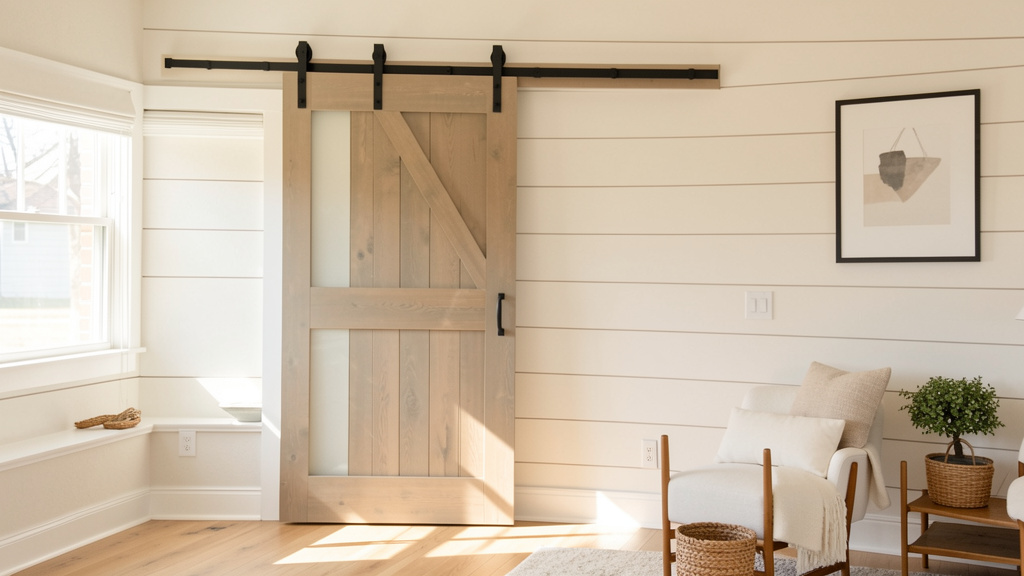
Go beyond shiplap and barn doors: Build a cohesive, functional, and deeply personal home that honors heritage while embracing contemporary living.
Modern farmhouse design has captivated homeowners seeking sanctuary that feels both rooted and refined. Yet too many attempts result in a disjointed collection of trends rather than a harmonious home. This comprehensive guide dismantles the overwhelm by providing a clear, actionable framework—the Heartwood Framework—to intentionally craft every element of your space. We’ll navigate material selections, color psychology, room-specific strategies, and subtle integrations of modern convenience, ensuring your farmhouse aesthetic is not only beautiful today but enduring for generations. Drawing from architectural histories of rural homesteads across America and Europe, this style emerged as a conscious return to spaces that prioritize human connection, tactile authenticity, and purposeful living—principles that resonate deeply in our fast-paced world.
Introduction: More Than a Trend—A Return to Intentional Living
The allure of modern farmhouse design extends far beyond Instagram aesthetics or fleeting decor trends. At its core, this philosophy represents a cultural pivot toward authenticity, warmth, and spaces that serve human needs rather than merely showcasing possessions. Historically, farmhouses were engineered for resilience and community: deep porches welcomed neighbors after long days in the fields, open kitchens facilitated multi-generational meal preparation, and durable materials withstood daily labor without demanding constant refinement. Today’s interpretation thoughtfully preserves these soulful elements while integrating contemporary needs for efficiency, sustainability, and personal expression.
Architectural historians note that the style’s contemporary resurgence correlates with broader societal shifts—digital fatigue, a longing for tangible connection, and renewed appreciation for craft. Unlike transient decor movements, modern farmhouse draws from a rich tapestry of regional vernaculars: the steep gabled roofs and saltbox silhouettes of New England, the wide wraparound verandas of Southern plantations designed for cross-breezes, the sturdy stone foundations of Pennsylvania Dutch homesteads, and the simple timber framing of Scandinavian rural estates. This depth provides a resilient foundation for design choices that feel meaningful, not merely decorative. Understanding these roots prevents superficial mimicry and invites thoughtful adaptation to your climate, landscape, and lifestyle.
However, the market saturation of “farmhouse-inspired” products—from mass-produced faux barn doors to generic shiplap wallpaper—has created a minefield of clichés. The critical distinction between a space that feels genuinely inviting and one that feels like a theme park replica lies in intentionality. Every choice, from the grain direction of floorboards to the placement of a window seat, should serve a purpose: enhancing natural light, encouraging conversation, honoring a personal memory, or supporting daily rituals. This guide is crafted for those ready to move beyond surface-level mimicry and build a home with layered authenticity—a sanctuary that feels uniquely yours while honoring timeless principles of comfort and connection.
The Heartwood Framework: Cultivating Depth, Not Just Decor
Imagine a mature oak tree: its visible beauty—spreading branches, dappled shade—depends entirely on what lies beneath. The heartwood, dense and resilient at the core, provides structural integrity. The sapwood transports nourishment. The bark offers texture and protection. Similarly, a truly resonant modern farmhouse design grows from an internal framework of interdependent principles, not a checklist of decorative items. The Heartwood Framework consists of three essential layers: Foundation (architectural bones and spatial flow), Texture (material language and sensory experience), and Soul (personal narrative and lived-in warmth). Neglecting any layer results in a space that feels hollow or contrived. Let’s explore each layer with actionable steps, nuanced considerations, and real-world applications.
Layer 1: Foundation—Architectural Integrity and Flow
The Foundation layer addresses the non-negotiable bones of your home. This is where function meets form, and where poor decisions create irreversible friction. Focus here prevents costly remodels later and ensures your aesthetic choices have a logical, purposeful home. This layer operates largely beneath conscious awareness—when done well, you simply feel at ease moving through the space.
Step 1: Honor the Shell—Work With, Not Against, Your Structure
Before selecting a single paint swatch or light fixture, conduct a thoughtful assessment of your home’s existing architecture. Your approach must differ based on context:
-
Historic Home (Pre-1940s): Preserve and celebrate original features as valuable assets. Uneven floorboards tell a story of hand-hewn craftsmanship; irregular window placements reflect pre-industrial building methods. Consult a preservation specialist before altering load-bearing walls, original millwork, or historic windows. For example, repairing original wide-plank pine floors using period-appropriate techniques adds irreplaceable authenticity. If windows are drafty, explore interior storm panels or careful reglazing rather than full replacement—original wavy glass has character modern panes cannot replicate.
-
Existing Non-Farmhouse Home (Suburban Tract, Ranch, Colonial): Identify opportunities to suggest farmhouse architecture through strategic, reversible modifications. Adding board-and-batten wainscoting to the lower third of walls in an entryway creates vertical rhythm. Installing a covered front porch (even a modest 6-foot-deep version with tapered square columns) transforms curb appeal. Replacing standard six-over-six windows with true divided-light windows evokes historical accuracy without structural overhaul. Focus on entry points: the front door, porch, and primary living areas set the tone.
-
New Construction: Collaborate early with an architect experienced in vernacular styles. Specify roof pitches between 8:12 and 12:12 for authentic gabled profiles. Design asymmetrical facades with varied rooflines (a lower shed roof over the porch, a dormer window) to avoid the “boxy” look of generic modern builds. Prioritize room flow over square footage; a slightly smaller home with intuitive circulation (clear pathways, logical adjacencies) feels more generous and functional. Request details like extended eaves (minimum 18 inches) to protect walls from rain and create shadow lines, and specify wider doorways (36 inches) for accessibility and visual openness.
Why this step is crucial: Forcing farmhouse elements onto an incompatible structure creates visual dissonance and functional frustration. A mid-century ranch with low-pitched roofs and horizontal lines will never convincingly mimic a Victorian farmhouse—and shouldn’t try to. Authenticity begins with respecting the building’s inherent logic and enhancing its strengths. A Spanish-style stucco home might integrate farmhouse warmth through interior textures (reclaimed wood beams, linen textiles) rather than fighting its architectural DNA with inappropriate exterior changes.
Common mistake to avoid: “Sticker shock” remodeling—adding decorative elements without addressing underlying spatial issues. A cramped, dark kitchen won’t feel farmhouse-chic with a rustic sign on the wall; it needs strategic window placement, removed non-load-bearing walls, or reflective surfaces to feel open and inviting. Always solve functional problems first.
Step 2: Master the Flow—Zoning for Connection and Retreat
Modern farmhouse living prioritizes togetherness without sacrificing privacy. Map your family’s daily rhythms to design zones that support how you actually live, not an idealized version. This requires honest observation:
-
The Heart Zone: Typically the kitchen, dining, and living areas combined into one great room. Ensure sightlines allow supervision of children while cooking (e.g., sink positioned to face the living area). Arrange seating in conversational groupings—sofas and chairs angled toward each other, not solely focused on the television. Include multiple seating options: a comfortable sofa for lounging, armchairs for reading, and counter stools for casual interaction at the island. Avoid placing the main seating area directly in high-traffic pathways between kitchen and entry.
-
The Retreat Zone: Bedrooms and bathrooms should feel separated from high-traffic areas. Consider adding a “quiet nook” off the main living area—a window seat with storage, a small reading corner with a floor lamp—for remote work, homework, or solitude. This modern necessity integrates seamlessly into farmhouse values of designated spaces for specific purposes. In multi-story homes, position primary bedrooms away from stairwells to minimize noise transfer.
-
The Transition Zone: Mudrooms, laundry rooms, and covered porches act as critical buffers between outdoors and in. These spaces support functional farmhouse living. Design them with durability and workflow in mind: built-in bench seating at sitting height (18 inches) with cubbies below for shoes, hooks at varying heights for coats and bags, and a dedicated spot for pet leashes or gardening tools. Include a sink in the mudroom if space allows—ideal for rinsing muddy boots or flower arrangements. Position the laundry room near bedrooms (for easy linen changes) or near the garage (for sorting outdoor gear).
Real-life example: In a Midwest renovation of a 1990s split-level home, homeowners converted a narrow, underutilized hallway between the garage and kitchen into a functional mudroom. They installed a custom bench with lift-up storage for seasonal items, added open shelving for baskets labeled “School,” “Sports,” and “Beach,” and placed a vintage galvanized tub beneath the bench for wet boots. This small change eliminated clutter in the main living area, reduced morning chaos, and reinforced the farmhouse value of practicality. The bench became a natural gathering spot for putting on shoes—a subtle ritual of transition.
Counter-example: An open-concept layout that eliminates all walls between kitchen, living, and dining areas can feel cavernous, echoey, and impersonal. Without visual cues, the space lacks definition. Solution: Use partial walls (like a knee wall extending from the kitchen island), changes in ceiling height (a lowered beam over the dining area), large area rugs with distinct patterns, or strategic furniture placement to define zones while maintaining sightlines. A console table behind a sofa can anchor the living area without closing it off.
Step 3: Illuminate with Purpose—Harnessing Natural and Artificial Light
Light is the silent narrator of your home’s story. Historically, farmhouses maximized daylight for work and warmth; modern interpretations should honor this legacy while embracing contemporary lighting technology. Thoughtful illumination enhances textures, defines spaces, and supports well-being.
-
Windows and Natural Light: Prioritize quantity, placement, and quality over uniformity. Group windows in threes (a classic farmhouse motif) in key areas like the kitchen sink or above a reading nook. Consider transom windows above interior doors to flood hallways with borrowed light. In renovations where structural constraints limit window size, use interior glass doors (with obscured or seeded glass for privacy) between rooms like the kitchen and dining area. Install light shelves—horizontal surfaces placed high on a window wall—to bounce daylight deeper into rooms. For new construction, specify low-emissivity (Low-E) glass with a high visible transmittance rating to maximize light while minimizing heat gain/loss.
-
Artificial Light Layering: Avoid reliance on a single overhead fixture in any room. Layer three types of lighting:
- Ambient: Overall illumination from ceiling fixtures (e.g., a black iron chandelier in the dining room, recessed lights on dimmers in the kitchen ceiling).
- Task: Focused light for specific activities (under-cabinet LED strips in the kitchen, adjustable wall sconces flanking a bathroom mirror, a swing-arm lamp over a bedside table).
- Accent: Highlighting architectural features or art (picture lights over a gallery wall, uplights grazing a stone fireplace, LED tape inside open shelving).
Choose fixtures with finishes that develop character: unlacquered brass (which patinas to a soft bronze), matte black iron, or aged bronze. Avoid shiny chrome or polished nickel—they feel too clinical. Pendant lights over islands should hang 30–36 inches above the surface; scale them proportionally (e.g., three medium pendants for a 9-foot island, one large statement piece for a compact space). Always specify warm color temperatures: 2700K for living areas and bedrooms, 3000K for kitchens and bathrooms where slightly crisper light aids tasks.
Why this step is crucial: Poor lighting flattens textures, creates harsh shadows, and makes spaces feel cold or institutional. Warm, layered lighting enhances wood tones, makes white walls feel creamy rather than sterile, and creates inviting pockets of warmth after sunset. It also supports circadian rhythms: dimmable lights signal the body to wind down in the evening.
Budget alternative: If replacing windows isn’t feasible, maximize existing light with reflective surfaces. Paint trim and ceilings in a crisp white to bounce light. Use light-filtering Roman shades in natural linen instead of heavy drapes. For artificial light, swap outdated builder-grade ceiling fixtures for simple black metal pendants—a high-impact, moderate-cost change. Install dimmer switches on all ambient lighting circuits; this single upgrade transforms the mood of a room instantly.
The Fundamental Principle: Authentic modern farmhouse design is not about adding rustic elements to a modern box, but about revealing the inherent warmth and functionality already latent in your home’s structure through intentional spatial planning, light management, and respect for architectural honesty.
Layer 2: Texture—The Sensory Language of Comfort
If Foundation is the skeleton, Texture is the skin—the tangible surfaces that invite touch, create emotional resonance, and engage multiple senses. This layer transforms architectural bones into a lived-in sanctuary. The goal is harmonious contrast: pairing rough with smooth, old with new, matte with subtle sheen. Texture provides visual interest without relying on color or pattern, making it essential for creating depth in neutral palettes.
Step 1: Curate Your Material Palette—The 60-30-10 Rule for Authenticity
Design professionals often apply the 60-30-10 rule to prevent visual chaos and create cohesive material distribution. This mirrors natural landscapes where dominant elements provide calm, secondary elements add structure, and accents deliver delight.
-
60% Dominant Material: Sets the overall tone and provides visual rest. For modern farmhouse, this is typically light-colored walls combined with one primary wood tone for floors and major built-ins. Why it works: A neutral dominant base ensures the space feels timeless and prevents trends from overwhelming the design. It also makes smaller spaces feel larger and brighter.
Execution: Walls in warm whites or soft greiges. Floors in wide-plank oak (5–7 inches wide) with a matte or satin finish to minimize scratches and reflect light softly. Avoid high-gloss polyurethane—it feels modern and slippery, not warm and worn. For existing tile or concrete floors, consider staining concrete in a warm gray or painting tile with specialized epoxy paint for a unified look. -
30% Secondary Material: Adds depth, contrast, and defines architectural features. Examples: black window frames (interior and exterior), matte black cabinet hardware, a stone fireplace surround, exposed ceiling beams stained to match floor tone, or board-and-batten wainscoting. Why it works: This layer creates visual anchors that guide the eye and reinforce the home’s structure. Black elements provide crisp definition against light walls—a technique used in historic farmhouses where dark window frames were practical and aesthetic.
Critical nuance: Ensure secondary materials complement, not compete. If using black window frames, extend that finish to light fixtures and hardware for cohesion. If choosing a stone fireplace, select a tone that echoes floor colors. -
10% Accent Material: Injects personality, warmth, and tells your story. Think vintage textiles (quilts, grain sacks), hand-thrown pottery with visible fingerprints, a single reclaimed wood accent wall with visible nail holes, or a collection of ironstone dishes displayed on open shelving. Why it works: Accents create focal points and invite closer inspection. They prevent the space from feeling like a showroom. Crucially, they should feel collected over time, not purchased as a matching set.
Execution tip: Rotate accent pieces seasonally—a woven willow basket filled with pinecones in winter, a ceramic vase with fresh-cut garden flowers in summer. This keeps the space feeling alive and connected to the natural rhythm of the year.
Common mistake: Mixing too many wood tones haphazardly. Solution: Stick to one primary wood species for floors and major furniture (e.g., white oak). Introduce a contrasting tone sparingly in accents (e.g., a walnut dining table). If inheriting multiple wood tones, unify them by painting cabinets white or staining floors darker to bridge the gap. Test samples in your actual space at different times of day—light dramatically alters wood perception.
Step 2: Embrace Imperfection—The Beauty of Handcrafted and Aged Elements
Machine-perfect, uniform finishes feel sterile and transient. Authentic farmhouse charm lives in the details that show human touch, history, and the passage of time. This isn’t about artificially “distressing” new items; it’s about selecting materials with inherent character or allowing finishes to evolve naturally.
-
Wood Selection and Treatment: Specify “character grade” or “reclaimed” lumber for beams, mantels, or accent walls. Look for knots, saw marks, mineral streaks, and color variation—these are features, not flaws. For new builds where reclaimed wood is cost-prohibitive, source new wood with visible grain (like rift-sawn oak) and apply a hand-rubbed oil finish (like tung oil) instead of polyurethane. Oil finishes deepen wood color over time and can be spot-repaired. For DIY enthusiasts: lightly distress edges of new wood shelves with a hammer, chain, or wire brush before finishing—a technique that mimics decades of gentle use. Important: Always seal reclaimed wood properly to eliminate pests and stabilize moisture content.
-
Metal Finishes: Choose unlacquered brass, bronze, or iron fixtures that will develop a natural patina—a soft, mottled darkening from handling and air exposure. This living finish tells a story of use. Avoid “aged” or “antique” finishes that are artificially applied in factories; they often look uniform and fake. For high-touch areas like cabinet pulls, unlacquered brass is ideal—it darkens beautifully where fingers rest. In wet areas (bathrooms), unlacquered brass requires occasional polishing to prevent excessive tarnish; weigh this maintenance against your preference for evolving character.
-
Textile Philosophy: Prioritize natural fibers with visible texture and variation: linen curtains that wrinkle beautifully (embrace the “lived-in” look), wool rugs with subtle color variations from natural dyes, cotton throws with visible slubs (small knots in the yarn). These materials soften acoustics, add warmth underfoot, and improve with age. For high-traffic areas or homes with pets/children, seek performance fabrics that mimic natural textures: solution-dyed acrylic that looks like linen but resists stains, or tightly woven polyester blends that mimic wool’s durability. The key is appearance of authenticity paired with functionality for real life.
Real-life example: A homeowner in Oregon sourced barn wood from a local demolition yard for a fireplace mantel. The wood’s history was visible—old nail holes, weathered silver-gray patina from decades of Pacific Northwest rain, saw marks from the original mill. They paired it with smooth, handmade zellige tile in a soft white for the fireplace surround. The contrast between rough and refined became the room’s emotional anchor. Family members naturally gather near the fireplace, their hands tracing the wood’s texture—a tactile connection to place and history.
Budget alternative: Create a faux reclaimed wood accent wall using new pine boards (1×6 or 1×8). Stain with a mix of dark walnut and gray wash, then use a wire brush to accentuate the grain and create subtle distress marks. Seal with matte polyurethane. For under $200 and a weekend project, this achieves significant visual impact. Another option: frame large sections of vintage feed sacks or grain bags (available on Etsy) as textile art—affordable, full of character, and deeply narrative.
Step 3: Layer Soft Furnishings—Comfort as a Core Value
Farmhouse design rejects the “do not sit” formality of some traditional styles. Every textile should invite use, support relaxation, and adapt to seasons. Layering isn’t just aesthetic—it’s functional: rugs absorb sound, throws provide warmth, and cushions make hard surfaces welcoming.
-
Rug Strategy: Layer a large, neutral natural-fiber rug (jute, sisal, or seagrass) as a base for durability and texture. Place a smaller vintage-inspired wool rug (like a Turkish kilim or Persian design with muted colors) on top in high-traffic seating areas. Ensure rugs are large enough that front furniture legs rest on them—this visually “grounds” the furniture group. In dining rooms, the rug should extend at least 24 inches beyond the table on all sides so chairs remain on the rug when pulled out. Pro tip: Use rug pads! They prevent slipping, reduce wear, and add cushioning underfoot.
-
Cushions and Throws: Mix patterns thoughtfully within a cohesive color story. Pair a subtle gingham pillow with a solid linen lumbar pillow and a textured bouclé throw. Stick to a limited palette: cream, oat, sage green, terracotta. Rotate textiles seasonally—lighter-weight linens and cottons in summer, chunky cable-knit wool throws and velvet pillows in winter. Store off-season textiles in vacuum-sealed bags under beds or in attic storage to keep living areas uncluttered.
-
Window Treatments: Avoid heavy, floor-length drapes that block precious light and feel formal. Opt for tailored Roman shades in natural linen for a clean look that filters light softly. In kitchens and bathrooms, simple café curtains (hung at the window’s midpoint) offer privacy while maintaining connection to the outdoors. For bedrooms requiring blackout, install roller shades with a blackout liner behind decorative linen curtains—function hidden within beauty. Choose hardware in black iron or unlacquered brass to tie into your secondary material palette.
Why this step is crucial: Textiles absorb sound (critical in open-concept homes with hard surfaces), soften visual lines, add warmth underfoot, and create micro-climates of comfort. They also allow for easy, low-cost updates as tastes evolve or seasons change—making your home feel dynamic and responsive to life.
Counter-example: A room with only leather furniture and hardwood floors feels cold, echoey, and unwelcoming—like a furniture showroom. Solution: Add a plush area rug, a chunky knit throw draped over the sofa arm, and linen pillow covers. These elements invite sinking in, staying awhile, and feeling at home. The space transitions from “observed” to “inhabited.”
Layer 3: Soul—Infusing Personal Narrative and Lived-In Warmth
Soul is the elusive quality that transforms a “designed” space into a home. It’s the layer most overlooked in trend-driven approaches, yet it’s the very essence of why farmhouse design resonates. Soul emerges not from purchased decor, but from objects imbued with memory, spaces designed for meaningful rituals, and evidence of a life well-lived. This layer requires courage—to edit ruthlessly, to display imperfect heirlooms, to prioritize function over flawless aesthetics.
Step 1: Edit with Intention—Curate, Don’t Clutter
Modern farmhouse is often misinterpreted as “shabby chic” maximalism—walls covered in signs, shelves overflowing with knick-knacks. True soul emerges from thoughtful curation and generous negative space. Clutter competes with architectural details, creates visual stress, and contradicts the farmhouse value of simplicity.
-
The One-In, One-Out Rule: For every new decorative item brought into the home, remove one. This prevents accumulation of generic “farmhouse” decor. Before purchasing, ask: “Does this reflect my story? Does it serve a purpose? Does it bring me joy?”
-
Display with Purpose: Group items in odd numbers (3 or 5) for visual harmony. Style open shelves with a mix of function and beauty: everyday white dishes alongside a cherished family heirloom vase, a stack of well-loved cookbooks next to a small potted herb. Leave 30–40% of shelf space empty—negative space allows the eye to rest and highlights key objects. Rotate displays seasonally to keep the space feeling fresh without constant buying.
-
Hide the Necessary Clutter: Use baskets (seagrass, willow, or black wire) to corral remotes, toys, or pantry items. Built-in storage with shaker-style doors maintains clean lines while concealing chaos. In mudrooms, label baskets clearly (“Keys,” “Mail,” “Dog Leashes”) so every family member knows where items belong. A designated “drop zone” near the entry prevents mail and backpacks from migrating to the kitchen counter.
Why this step is crucial: Clutter creates cognitive load—our brains work harder to process visual noise. A serene environment supports the farmhouse ideal of peaceful refuge. When surfaces are clear, architectural details (like crown molding or a beautiful mantel) become the stars. Editing is an act of respect for your space and your peace of mind.
Real-life example: Instead of filling every shelf with decorative objects, a family displayed their child’s artwork in simple black frames alongside a vintage botanical print inherited from a grandparent’s attic. They added a small, smooth river stone collected during a family hike. This grouping told a multi-generational story of creativity, heritage, and connection to place—without visual noise. The empty space around the items made them feel intentional and valued.
Step 2: Weave in Heritage—Objects with History
Soul lives in objects that carry memory and meaning. You don’t need antique furniture or inherited treasures to achieve this—meaning can be found in humble, everyday items when framed with intention.
-
Repurpose with Meaning: Turn a family quilt (even one with worn patches) into pillow covers. Use an old wooden ladder, sanded smooth and stained, as a blanket rack in the living room. Display handwritten recipes from a grandparent in a simple shadow box frame—group several for impact. Frame children’s drawings not as temporary art, but as cherished records of growth; rotate them quarterly.
-
Support Local Craft and Story: Commission a local potter for everyday mugs—each will have slight variations in glaze and shape, making morning coffee feel special. Work with a woodworker to craft a cutting board from a fallen tree on your property. Purchase a wall hanging from a textile artist at a farmers’ market. These pieces carry the story of their maker, support your community, and ensure your home feels uniquely connected to place. Ask artisans about their process; knowing the story behind an object deepens its meaning.
-
Document the Journey: Take photographs during renovations—not just the “after” shots, but the “during.” Frame a black-and-white photo of the original fireplace before restoration. Display a small shadow box containing a paint chip from the first wall you painted, a nail from the demo, and a seed packet from the first plant you put in the garden. These “process artifacts” celebrate the journey of creating your home, honoring the effort and intention behind the result.
Budget alternative: Thrift stores, flea markets, and estate sales are goldmines for soulful objects with history. A $10 vintage scale can become a kitchen centerpiece for holding fruit. A worn leather suitcase found at a garage sale can serve as a unique coffee table with storage inside. Clean and restore items respectfully: polish brass gently, reupholster a chair seat with durable linen, sand and oil a wooden box. The act of restoration itself becomes part of the object’s story.
Step 3: Design for Rituals—Spaces That Facilitate Connection
The most soulful homes are designed around how people actually live—the small, repeated moments that build a life. Identify your family’s core rituals and design spaces to support them intentionally.
-
Morning Coffee Nook: Carve out a small corner with a bistro table and two chairs positioned by a window with a garden view. Include a dedicated spot for the coffee maker and mugs. This encourages slow starts to the day, conversation between partners, or quiet reflection before the household wakes.
-
Family Command Center: Create a dedicated spot near the main entry (not the kitchen counter!) for mail, keys, and a shared calendar. Use a vintage chalkboard painted directly on the wall, a framed corkboard with pushpins, or a repurposed antique secretary desk with cubbies. Include hooks for tomorrow’s outfits and a basket for library books. This reduces morning chaos and creates a visual hub for family coordination.
-
Evening Wind-Down Zone: Designate a comfortable armchair with a reading lamp and a small side table for tea or journaling. Place it away from the main TV area. Add a small tray holding a favorite book, a candle, and a coaster. This tiny ritual of intentional rest signals the transition from day to night, supporting mental well-being.
Why this step is crucial: When spaces support meaningful routines, they become imbued with emotional significance. A kitchen island isn’t just for food prep—it’s where homework happens, where recipes are shared, where tears are wiped away. Designing for rituals transforms architecture into memory. This is the ultimate goal of farmhouse design: fostering presence, connection, and the quiet joy of ordinary moments.
Counter-example: A beautiful but perpetually unused formal dining room. Solution: Convert it into a flexible space that serves real needs—a library with floor-to-ceiling bookshelves and a daybed for guests, a craft room with a large worktable that doubles as a homework station, or a music room with acoustic treatment. Function fuels soul. A space used daily, even imperfectly, holds more meaning than a pristine room behind closed doors.
Room-by-Room Application: Bringing the Framework to Life
The Heartwood Framework provides the philosophy; these room-specific strategies translate it into actionable steps. Each space presents unique opportunities to apply Foundation, Texture, and Soul layers while addressing practical needs. We’ll move through key areas with precision, offering solutions for common challenges and highlighting subtle details that elevate authenticity.
The Kitchen: Heart of the Home, Reimagined
The kitchen is the undisputed centerpiece of modern farmhouse living—a place of nourishment, connection, and daily ritual. It must balance aesthetic charm with rigorous functionality. A beautiful kitchen that doesn’t work for your cooking style or family flow will quickly become a source of frustration.
Foundation Focus: Layout and Workflow
– The Work Triangle Revisited: While the classic sink-stove-refrigerator triangle remains useful, modern farmhouse kitchens often prioritize the “work zone” concept. Group related tasks: a prep zone (sink, countertop, waste bin), a cooking zone (stove, oven, spices), and a cleanup zone (dishwasher, sink, storage). Ensure at least 42 inches of clearance between countertops and islands for comfortable movement; 48 inches is ideal for multiple cooks.
– Island Intelligence: If space allows, design the island with purpose. One side should offer seating (counter height: 36 inches; bar height: 42 inches) with knee space (15 inches deep). The other side should provide uninterrupted countertop for food prep. Include deep drawers for pots/pans (more accessible than lower cabinets), a dedicated cutlery tray, and possibly a second sink or prep faucet. Avoid placing the main cooktop on the island—it creates ventilation challenges and isolates the cook from family interaction.
– Strategic Storage: Deep pull-out drawers > lower cabinets with doors. Install vertical dividers for baking sheets and cutting boards. Create a “landing zone” near the entrance from the garage or mudroom—a drop spot for groceries with a nearby trash/recycling bin. For pantries, consider a walk-in with floor-to-ceiling shelving (adjustable shelves accommodate varying item heights) or a narrow “butler’s pantry” with upper cabinets and counter space for appliance storage.
Texture Focus: Materials and Finishes
– Cabinets: Shaker-style doors remain a versatile choice for their clean lines and historical resonance. Paint in a soft, warm white. For contrast, paint the island a deep charcoal or use natural wood stain on lower cabinets (e.g., a light oak stain to tie into floors). Avoid high-gloss finishes—they feel too modern; choose matte or satin sheens.
– Countertops: Butcher block adds unparalleled warmth and is ideal for food prep (gentler on knives), but requires regular oiling and isn’t ideal near sinks. Pair it with a durable quartz perimeter in a honed (matte) finish that mimics concrete or soapstone. Soapstone itself is a beautiful historic option—it develops a soft patina, is heat-resistant, and hides scratches (which can be sanded out). Avoid high-gloss granite with heavy veining—it feels dated and clashes with farmhouse simplicity.
– Backsplash: Classic 3×6 white subway tile laid in a brick (offset) pattern is timeless. For subtle interest, use handmade zellige tile (with slight variations in shape and glaze) or add a pencil rail molding detail at the top. Extend tile to the ceiling for a dramatic, light-reflecting effect—this was common in historic farmhouses to protect walls from splashes and is surprisingly practical. Grout color matters: use a matching white grout for seamless look, or a light gray grout for subtle definition.
Soul Focus: Personalization and Ritual
– Open Shelving Strategy: Limit open shelving to 1–2 walls to display everyday dishes and cherished items. Style with intention: group white dishes by shape, add a single vintage ceramic pitcher for utensils, display cookbooks with spines facing out. Critical caution: Open shelves require tidy habits and frequent dusting. If your family is messy or you dislike dusting, opt for glass-front upper cabinets with simple mullion patterns—display curated items while concealing clutter.
– Farmhouse Sink Essentials: A fireclay apron-front sink is iconic for good reason—it’s durable, heat-resistant, and deeply functional. Ensure your countertop installer accounts for its significant weight and depth. Pair with a high-arc gooseneck faucet for ergonomic filling of large pots; choose a pull-down spray head with a magnetic dock for security. Install an undermount sink if using stone countertops for seamless cleaning.
– Infusing Daily Rituals: Dedicate a small chalkboard wall (painted directly on the wall or framed) for grocery lists, meal plans, or daily affirmations. Hang frequently used utensils on a magnetic strip mounted to the backsplash—functional, accessible, and visually interesting. Create a “coffee station” in a corner with a tray holding the grinder, beans, and mugs—elevating a daily ritual into a moment of mindfulness.
Common Friction Point Solved: “I love the look of open shelving, but I hate dusting and my family leaves clutter everywhere.”
Solution: Implement a hybrid approach. Install glass-front cabinets with simple black iron mullions on upper walls. Use the glass to display your most beautiful, frequently used items (white dishes, vintage glassware). Reserve one small section of open shelving—perhaps beside the stove—for cookbooks and daily spices. This gives the aesthetic benefit of openness while containing clutter. Alternatively, use open shelving only in the least-used corner of the kitchen (e.g., above the refrigerator) for decorative items that rarely change.
The Living Room: Cultivating Cozy Connection
This space should feel like a warm embrace—a sanctuary for conversation, relaxation, and shared moments. Avoid the trap of designing solely around the television; prioritize human connection first, technology second.
Foundation Focus: Spatial Flow and Furniture Arrangement
– Conversation-Centric Layout: Float furniture away from walls to create intimate conversation areas. Angle a sofa toward the fireplace rather than facing the TV directly. Position armchairs to form a loose circle or U-shape, ensuring everyone can make eye contact. Maintain clear pathways of at least 36 inches wide between furniture groupings for easy movement.
– Fireplace Integration: If no existing fireplace, consider an electric insert with a realistic flame effect housed in a reclaimed wood mantel or stone surround. It provides ambiance without structural complexity or maintenance. Position seating to face the fireplace as a focal point; use a low media console (no higher than 24 inches) to avoid blocking the view.
– Zoning in Open Concepts: In great rooms combining kitchen, dining, and living areas, define the living zone with a large area rug (minimum 8×10 feet) and strategic furniture placement. A console table behind the sofa can anchor the space and provide display surface without closing off sightlines to the kitchen.
Texture Focus: Surfaces and Sensory Layers
– Seating Selection: Choose upholstery in durable, textured fabrics that invite use: performance velvet (stain-resistant with a luxe feel), bouclé (textured looped yarn), or tightly woven linen-look performance fabric. Avoid delicate silks, light-colored microfiber (shows every mark), or overly formal rolled arms. Opt for pieces with generous proportions and deep seats for true comfort.
– Flooring Enhancement: Wide-plank hardwood (oak, pine) is ideal. If existing floors are damaged or dated, consider painting them white or light gray—a historic technique revived for modern budgets that creates a cottage-like feel and brightens dark spaces. For concrete subfloors, polished concrete with a matte sealant offers durability and industrial-farmhouse appeal.
– Wall Treatments Beyond Shiplap: Shiplap is optional. Alternatives: vertical board-and-batten for height and architectural interest, textured plaster (like Venetian lime wash) for subtle depth and light reflection, or high-quality grasscloth wallpaper for warmth and acoustic softening. For rental restrictions, use removable wallpaper with a subtle texture pattern (like a fine linen weave) on a single accent wall.
Soul Focus: Creating Gathering Spaces
– Lighting Layers for Ambiance: A central chandelier (black iron with candle-style LED bulbs) provides ambient light. Add floor lamps with fabric shades in reading corners and wall sconces flanking the fireplace for accent lighting. Install dimmer switches on all circuits to adjust mood throughout the day.
– Textile Symphony: Layer a neutral jute or sisal rug with a vintage Turkish kilim in muted reds and blues. Drape a chunky knit throw over the sofa arm. Use lumbar pillows in earthy tones (terracotta, olive, ochre) to add warmth against white or neutral upholstery. Rotate textiles seasonally—lighter weaves in summer, heavier knits in winter.
– Meaningful Displays: Create a gallery wall of family photos in simple black or natural wood frames, children’s artwork matted and framed, or maps of places you’ve lived or loved. Group items intentionally: odd numbers, varying sizes, consistent matting. Leave breathing room between frames. Rotate pieces quarterly to keep the display feeling fresh and relevant.
Budget Hack with High Impact: Paint existing builder-grade oak trim, doors, and baseboards white. This single update instantly brightens the space, creates a cohesive backdrop for artwork and furniture, and makes rooms feel larger and more intentional. Use a high-quality primer to block tannin bleed from oak, followed by two coats of semi-gloss paint for durability. This project costs under $100 in supplies and transforms the entire home’s aesthetic.
The Primary Bedroom: A Sanctuary of Calm
Farmhouse bedrooms prioritize rest and rejuvenation over showy decor. This is a retreat—a space designed to support sleep, intimacy, and quiet moments. Avoid clutter and visual stimulation that disrupts relaxation.
Foundation Focus: Layout and Function
– Bed Placement: Position the bed against the longest wall, centered if possible. Allow 30 inches of clearance on each side for nightstands and easy movement. Avoid placing the bed directly opposite the door. If space allows, float the bed away from the wall to create a sense of volume.
– Closet Solutions: If closet space is limited, incorporate a freestanding wardrobe or armoire with shaker-style doors. Use matching woven baskets inside for organizing accessories. For walk-in closets, install adjustable shelving and deep drawers for folded items. Add LED strip lighting under shelves for visibility.
– Quiet Zone Creation: Position the bed away from shared walls with noisy areas (kitchen, living room). If possible, locate the bedroom on the quietest side of the house (away from street noise). Consider adding acoustic panels disguised as fabric art on walls shared with high-traffic areas.
Texture Focus: Materials for Rest
– Bedding Philosophy: Crisp white percale or linen sheets signal cleanliness and calm. Layer with a textured coverlet (waffle weave, cable knit) at the foot of the bed and a lightweight duvet in a neutral tone. Avoid heavy, ornate bedspreads or excessive decorative pillows—they create visual clutter and require daily rearranging. Opt for two standard pillows for sleeping and one lumbar pillow for sitting up in bed.
– Wall Colors for Serenity: Soft, muted colors promote relaxation. Excellent choices: warm greiges, whisper-soft taupes, or barely-there blue-greens. Test large samples (2×2 feet) on multiple walls and observe at dawn, noon, and dusk—light changes everything. Avoid pure white (feels clinical) or cool grays (can feel sterile).
– Flooring Comfort: If hardwood feels too cold underfoot, layer a large wool rug under the bed. Extend it at least 24 inches beyond the bed on all sides so feet land on softness upon waking. Choose low-pile rugs for easy vacuuming. For concrete floors, add a thick felt rug pad beneath the wool rug for insulation and comfort.
Soul Focus: Personal Rituals and Connection
– Reading Nook Carve-Out: Even in modest bedrooms, create a small reading corner. Place a comfortable armchair (with ottoman if space allows) near a window. Add a slim floor lamp with adjustable arm and a small side table for a book and tea. This dedicated space signals “this time is for me,” supporting mental unwinding.
– Evening Wind-Down Station: Place a small tray on the nightstand holding evening essentials: a journal, a glass of water, a single drop of lavender essential oil on a tissue, a bookmark. This tiny ritual cues the brain to transition from day to rest. Keep surfaces clear except for a lamp, a current book, and perhaps a single small plant (like a snake plant, which purifies air).
– Nature Connection: Position the reading chair or bed to face a window with a garden, tree, or sky view. Add a single stem of fresh flowers or a small potted herb (like lavender or rosemary) on the nightstand each morning. These micro-connections to the natural world reduce stress and ground the space in the farmhouse value of harmony with environment.
Critical Mistake to Avoid: Over-accessorizing nightstands. Cluttered surfaces (multiple remotes, stacks of books, overflowing chargers) create visual stress and disrupt sleep. Implement the “one hand rule”: everything on the nightstand should be reachable with one hand while lying in bed. Use a small tray to corral essentials and maintain visual order.
The Bathroom: Rustic Serenity Meets Modern Function
Farmhouse bathrooms blend vintage charm with contemporary hygiene standards and accessibility needs. This space should feel like a private spa—calm, clean, and deeply functional. Moisture management and safety are non-negotiable priorities.
Foundation Focus: Layout and Safety
– Ventilation Imperative: Critical in humid environments to prevent mold and mildew. Install a high-CFM (at least 80 CFM) exhaust fan vented directly to the outside, not just into the attic. Run the fan during and for 20 minutes after showers. Consider a humidity-sensing fan that turns on automatically. If layout allows, include a window for natural ventilation and light—position it high for privacy.
– Layout Efficiency for Small Spaces: In powder rooms or half-baths, use a wall-mounted vanity to create visual space and ease cleaning. Install a pocket door to save swing space. In primary bathrooms, ensure at least 30 inches of clearance in front of the vanity and toilet. For aging-in-place considerations, include blocking in walls behind the toilet and shower for future grab bar installation.
– Shower Design: Curbless (zero-threshold) showers enhance accessibility and create a spa-like feel. Use linear drains along the back wall for efficient water removal. Ensure the shower floor has a slight slope (1/4 inch per foot) toward the drain. For traditional showers, a low curb (2–3 inches) is acceptable but ensure non-slip surfaces.
Texture Focus: Materials and Finishes
– Vanity Options: A repurposed antique dresser converted to a sink base adds instant character and storage. Ensure it’s properly sealed with marine-grade epoxy for moisture resistance. Alternatively, choose a new vanity with shaker doors, soft-close hinges, and matte black hardware. For small spaces, a floating vanity with open shelving below creates airiness.
– Tile Selection Strategy: Hexagonal floor tile in matte black and white evokes vintage charm while providing slip resistance. For shower walls, large-format porcelain tiles (12×24 inches or larger) with a subtle wood-look pattern are durable, low-maintenance, and create a seamless look. Avoid tiny mosaic tiles—they trap grime in grout lines and are difficult to clean. For accent walls, consider handmade zellige tile in a soft white or muted green for organic texture.
– Fixture Finishes: Bridge faucets or widespread faucets with cross handles nod to historical styles. Choose unlacquered brass to develop a living finish that darkens with use, or matte black for a dramatic, modern contrast. Ensure all fixtures are WaterSense certified for efficiency. For shower systems, consider a rainfall showerhead paired with a handheld wand on a slide bar for versatility.
Soul Focus: Sensory Details and Ritual
– Smart Storage Solutions: Install open shelving beside the vanity to hold daily-use items (soap, lotion, toothbrushes) in ceramic dishes. Use woven seagrass baskets under the sink to corral extras (toilet paper, cleaning supplies). A ladder shelf in the corner holds folded towels and adds vertical interest.
– Spa-Like Touches: Install a thermostatic mixing valve for consistent, safe water temperature. Add a small wooden teak stool in the shower for shaving, resting feet, or holding bath products. Keep a stack of fresh, fluffy towels on a heated towel rack (hardwired or plug-in) for luxurious comfort after bathing.
– Sensory Enhancements: Hang a small bundle of dried eucalyptus in the shower—it releases a calming aroma with steam. Use amber or cobalt glass bottles for shampoo and conditioner to reduce visual clutter and add a touch of vintage charm. Place a single potted snake plant or peace lily on the vanity; these thrive in humidity and purify the air.
Safety and Maintenance Note: In all wet areas, prioritize slip-resistant flooring. Textured tiles, non-slip mats with rubber backing, or honed (not polished) stone surfaces are essential. Seal grout lines annually with a penetrating sealer to prevent staining and mold growth. For unlacquered brass fixtures, wipe dry after use to slow patina development if preferred; embrace the darkening as character if desired.
The Exterior: Curb Appeal with Character and Function
Your home’s facade sets the tone before anyone steps inside. Modern farmhouse exteriors should feel welcoming, authentic to regional context, and thoughtfully integrated with the landscape. Avoid “theme park” aesthetics—every element should serve a purpose.
Foundation Focus: Architecture and Structure
– Roof and Siding Synergy: Fiber cement board-and-batten siding offers the authentic look of wood with minimal maintenance (resists rot, insects, fire). Pair with a standing seam metal roof for durability, longevity, and genuine farmhouse appeal (metal roofs were common on historic barns for practicality). Ensure roof overhangs are deep enough (minimum 18 inches) to protect walls from rain splash and create inviting shadow lines. For existing homes with vinyl siding, consider replacing only the lower third with board-and-batten for visual interest.
– Porches as Essential Spaces: A covered front porch is essential for authenticity and function. Even a modest 6-foot-deep porch with tapered square columns (wider at the base) and a beadboard ceiling creates instant charm and a transition zone between public and private. Include a porch swing or two rocking chairs positioned to face the street—encouraging interaction with neighbors. Ensure the porch floor slopes slightly away from the house for drainage.
– Entryway Clarity: The front door should be clearly visible and accessible. Create a defined pathway from the street or driveway using flagstone, brick, or gravel. Install proper lighting: a porch ceiling light and wall sconces flanking the door. Ensure the path is well-maintained and slip-resistant.
Texture Focus: Color and Material Palette
– Classic Color Combinations: Timeless pairings include white siding with black shutters and a bold front door (navy, forest green, or charcoal). For a softer look, use light gray siding with white trim and a muted red door. Avoid overly bright or trendy colors that date quickly.
– Material Layering: Combine siding types for visual interest: board-and-batten on the lower half, shiplap or lap siding on the upper half. Use stone veneer (real or high-quality manufactured stone) on the foundation or around the entryway to ground the structure. For porches, beadboard ceilings painted in a crisp white reflect light and feel airy.
– Window and Door Details: Install black or dark bronze window frames (interior and exterior) for crisp definition. Add functional shutters (not just decorative) that can close during storms. Choose a front door with divided lites (panes) in the top half for character and light. Hardware should match other exterior metals: black iron or oil-rubbed bronze.
Soul Focus: Welcoming Details and Regional Adaptation
– Entryway Personality: A vintage-style lantern sconce on either side of the door provides warm, downward-facing light. A hand-painted house number on a reclaimed wood plaque adds character. A seasonal wreath that changes with the year (dried wheat and eucalyptus in fall, pine and berries in winter) shows care and connection to seasons.
– Functional Beauty: Include a discreet outdoor electrical outlet near the porch for holiday lights or seasonal decor. Install motion-sensor path lights for safety without compromising aesthetics. Place a durable, weather-resistant bench near the door for putting on shoes or waiting for rides.
– Regional Sensitivity: Adapt choices to your climate and landscape. In hot, sunny climates (Southwest, Florida), prioritize deep porches for shade, light-colored siding to reflect heat, and drought-tolerant native plants. In snowy regions (Northeast, Midwest), ensure roof pitch is steep enough (minimum 6:12) to shed snow, use dark-colored roofing to absorb heat, and select plants that provide winter interest (ornamental grasses, berry-producing shrubs). In coastal areas, choose corrosion-resistant materials (marine-grade hardware, cement board siding) and incorporate blues and whites sparingly to echo the environment without nautical clichés.
Pro Tip for Authenticity: Study historic farmhouses in your specific region. Visit local historical societies or browse archives online. Notice the roof pitches, window placements, and materials used by early settlers in your area. Incorporating these subtle regional cues makes your home feel genuinely rooted, not like a generic template applied anywhere.
Navigating Common Frictions: Solutions for Real-World Challenges
Even the most thoughtful plans encounter obstacles. Addressing these head-on prevents frustration, preserves your design vision, and ensures your farmhouse home works for real life. Below are solutions to frequent pain points, grounded in practical experience and the Heartwood Framework.
Friction 1: “I Love the Style, But My Budget Is Tight”
Solution Framework: Prioritize investments that deliver maximum visual and functional impact per dollar spent. Phase your project strategically.
- High-Impact, Low-Cost (Under $500): Paint is transformative. Paint walls, trim, and existing cabinets (use a high-adhesion primer). Update hardware: cabinet pulls, light switches, door handles, and faucet aerators can be replaced for under $200. Install peel-and-stick subway tile backsplash (choose high-quality vinyl with realistic texture). Add board-and-batten wainscoting to one accent wall using affordable MDF boards and construction adhesive.
- Mid-Range Investments ($500–$5,000): Replace light fixtures throughout the main living areas. Build a simple mudroom bench with storage cubbies using plywood and 2x4s. Refinish existing hardwood floors instead of replacing them. Install new window treatments (Roman shades, linen curtains).
- Save for Splurges ($5,000+): Reclaimed wood beams, custom cabinetry, hardwood floor refinishing in large areas, structural changes (opening walls, adding windows). Phase these over time—complete the kitchen remodel this year, tackle the primary bathroom next year.
Pro Tip: Allocate 10–15% of your total budget for unexpected costs. Always get multiple quotes for labor. For DIY projects, watch tutorial videos from reputable sources and practice techniques on scrap materials first.
Friction 2: “My Home Is Small—Will Farmhouse Design Make It Feel Cramped?”
Solution Framework: Embrace “cottage-core” principles—cozy, intentional, and clutter-free. Small spaces can embody farmhouse charm more authentically than large ones.
- Light and Bright Strategy: Maximize natural light with sheer curtains or bare windows. Use mirrors strategically to reflect light and create illusion of space (e.g., a large mirror opposite a window, or mirrored closet doors). Paint walls, trim, and ceilings the same light color to blur boundaries and make walls recede.
- Scale and Proportion: Choose furniture with exposed legs (sofas, chairs, tables) to maintain sightlines and create visual flow. Opt for a round dining table instead of rectangular—it fits better in tight spaces, encourages intimacy, and has no sharp corners. Use nesting tables or ottomans with storage that can be tucked away when not in use.
- Vertical Storage Solutions: Install shelves high on walls (up to 12 inches below ceiling) to draw the eye upward and utilize unused space. Use the space above doorways for shallow shelving to display books or plants. Choose tall, narrow bookcases instead of low, wide ones.
- Multi-Functional Furniture: A storage ottoman serves as seating, footrest, and hidden storage. A sofa bed in the living room accommodates guests without needing a dedicated guest room. A drop-leaf table expands for meals but folds against the wall for daily use.
Friction 3: “How Do I Avoid the ‘Pinterest Clone’ Trap?”
Solution Framework: Inject uniqueness through personal curation, regional authenticity, and intentional deviation from trends.
- Local Sourcing and Story: Visit nearby salvage yards, architectural recycling centers, or Habitat for Humanity ReStores for unique doors, windows, hardware, or lighting. Support local artisans for pottery, textiles, or woodworking—these pieces carry the story of your community. Document the origin of special items: “This mantel beam came from a barn built in 1890 on our county’s oldest farm.”
- Color Courage: Move beyond the ubiquitous white/gray/black palette. Introduce a signature color inspired by your landscape: sage green from surrounding forests, clay red from local soil, or sky blue from open horizons. Use this color sparingly—as an accent wall, on the front door, or in textiles.
- Meaningful Object Curation: Display items that reflect your hobbies, heritage, or values—a collection of vintage seed packets if you garden, a framed map of your ancestral homeland, tools from a family trade displayed as art. Rotate items seasonally to keep the space feeling dynamic.
- Intentional “Imperfection”: Leave one wall with original plaster texture visible. Keep a section of exposed brick unpainted. Allow wood floors to show gentle wear in high-traffic areas. These “flaws” tell the story of a lived-in home and prevent sterility.
Friction 4: “I Have Kids/Pets—Is This Style Practical?”
Solution Framework: Design for durability and easy maintenance without sacrificing aesthetics. Choose materials that age gracefully and support active living.
- Fabric and Upholstery: Select performance fabrics labeled “Crypton,” “Revive,” or “Sunbrella”—they resist stains, moisture, odors, and fading while mimicking the look of linen, velvet, or wool. Look for high rub counts (over 30,000 double rubs) for durability. Choose darker neutral tones (charcoal, olive, navy) for high-use seating areas; they hide wear better than light colors.
- Flooring Solutions: Engineered hardwood is more stable than solid wood in humid environments and can be refinished 1–2 times. For high-traffic areas or homes with large pets, consider luxury vinyl plank (LVP) that convincingly mimics wood grain with waterproof properties. Area rugs with low pile (flatweave, sisal, jute) are easier to vacuum and spot-clean than high-pile shags. Use rug pads to prevent slipping and reduce wear.
- Surface Durability: Quartz countertops resist scratches, stains, and heat better than marble, butcher block, or soapstone. Use matte or honed finishes on walls and countertops—they hide scuffs and fingerprints better than gloss. For white cabinets, choose a slightly off-white with warm undertones; it shows less dirt than stark white.
- Smart Storage for Chaos: Built-in cubbies in the mudroom with labeled bins for each child. Under-stair storage converted to a pet station with food bowls and toy storage. Baskets everywhere—woven seagrass for toys, wire bins for art supplies. Teach children early that “everything has a home.”
Friction 5: “My Partner and I Have Different Tastes”
Solution Framework: Find common ground in shared values, not just aesthetics. Design collaboratively with clear communication.
- Identify Core Shared Values: Do you both value “connection”? Then prioritize the kitchen layout and seating arrangement to facilitate togetherness. Do you value “calm”? Focus on bedroom serenity and clutter control systems. Anchor decisions in these shared goals rather than personal style preferences.
- Divide Zones of Influence: Assign “zones of influence.” One person leads the kitchen design; the other leads the living room. Compromise on shared spaces (e.g., agree on a neutral wall color, then personalize with accessories—partner A chooses throw pillows, partner B selects artwork).
- Create a Shared Mood Board: Use Pinterest, Canva, or a physical collage. Each person saves 10–15 images that resonate. Look for patterns in what you both save—perhaps you agree on textures (wood, linen) but differ on color. Start with textures as your foundation. Identify non-negotiables (“I must have a deep soaking tub”) versus preferences (“I like this light fixture, but that one works too”).
- Trial Periods: For contentious items (like a bold paint color), paint a large sample board and live with it for a week. For furniture, visit showrooms together to test comfort and scale. Sometimes experiencing an item in real life resolves theoretical disagreements.
Your Questions, Answered
Q: What’s the single biggest mistake people make when attempting modern farmhouse design?
A: Overloading the space with too many “rustic” elements without balance or restraint. Shiplap on every wall, a barn door on every opening, distressed furniture throughout, and galvanized metal accents in every room creates visual noise, feels costumey, and lacks sophistication. Remember the Heartwood Framework: let the Foundation layer (clean lines, functional layout, architectural integrity) dominate. Use the Texture layer (materials) to add depth sparingly and intentionally. Let the Soul layer (personal items) emerge organically through curation, not accumulation. Restraint is the hallmark of authentic design. A single reclaimed wood beam has more impact than an entire wall of faux shiplap. Edit ruthlessly.
Q: Can modern farmhouse work in an apartment or urban condo?
A: Absolutely—and it can be deeply meaningful in dense living environments. Focus on the principles, not literal architectural replication. Use furniture and decor to evoke the style: a reclaimed wood dining table, black metal light fixtures with visible filaments, linen textiles, and open shelving (if allowed by your lease). Incorporate plants generously to bring nature indoors—a hallmark of farmhouse connection to land. Avoid permanent modifications; instead, use removable wallpaper with subtle texture (like grasscloth pattern) on a single accent wall, or large-scale art featuring rural landscapes or botanical prints. The goal is to capture the feeling of farmhouse—warmth, simplicity, authenticity, connection to craft—not replicate a rural structure. An urban farmhouse apartment might feature a vintage factory cart as a coffee table, supporting local makers, and creating cozy nooks that maximize small square footage.
Q: How do I choose between shiplap, board-and-batten, and beadboard?
A: Each serves a distinct architectural purpose and evokes a different regional farmhouse style. Your choice should align with your home’s structure and desired effect:
– Shiplap (overlapping horizontal boards with rabbeted edges): Creates subtle shadow lines and a relaxed, coastal-farmhouse feel. Best for feature walls where you want gentle texture without overwhelming. Ideal behind a bed, flanking a fireplace, or in a hallway. Can feel monotonous if used extensively on all walls. Historically common in Southern U.S. farmhouses for its weather resistance.
– Board-and-batten (wide vertical boards with narrow strips covering seams): Creates strong vertical lines that draw the eye upward, making ceilings feel higher. Feels more architectural and structured than shiplap. Perfect for entryways, dining rooms, exterior siding, or as an accent wall in living areas. Evokes New England and Midwest farmhouse traditions.
– Beadboard (narrow vertical planks with a distinctive groove or “bead” between them): Adds delicate, cottage-like texture. Traditionally used in bathrooms, kitchens, porches, and mudrooms for its durability and charm. Paint it white for a crisp, clean look. Best used on lower walls (wainscoting) or ceilings (especially porch ceilings).
Pro Tip: In small rooms, vertical applications (board-and-batten, beadboard) enhance perceived height. Horizontal applications (shiplap) can make a long wall feel cozier. Always consider scale: large rooms can handle wider boards; small rooms benefit from narrower profiles. For authenticity, use real wood (pine, cedar) rather than MDF if budget allows—it has natural variation and ages beautifully.
Q: Is the modern farmhouse trend fading? How do I ensure my home doesn’t look dated in five years?
A: The superficial trends within farmhouse style (ubiquitous signs, excessive galvanized metal buckets, mass-produced faux barn doors) are indeed fading—but the core principles are timeless because they address fundamental human needs: connection, authenticity, comfort, and simplicity. To future-proof your design:
1. Prioritize architectural integrity over decor. A well-proportioned room with quality materials (real wood floors, solid core doors) transcends trends.
2. Avoid theme-driven rooms. Instead of designing a “farmhouse kitchen,” design a functional, beautiful kitchen that incorporates rustic elements thoughtfully (a farmhouse sink, open shelving for daily dishes).
3. Invest in classic, well-made pieces (a sturdy wooden table, a comfortable sofa with clean lines) and update accessories seasonally. Accessories are where trends can play safely.
4. Let your personal story guide choices. A home filled with objects you genuinely love—family heirlooms, art from travels, pieces supporting local makers—will always feel current to you, regardless of external trends. Authenticity never dates.
5. Focus on how the space feels and functions for your life. A home that supports your rituals, reduces stress, and brings joy will remain beloved long after aesthetics shift.
Q: What paint colors are safe for resale but still feel authentically farmhouse?
A: Neutral palettes have the broadest appeal while conveying warmth. Stick to these proven categories:
– Walls: Warm whites with subtle undertones, soft greiges, or very light taupes. Avoid cool grays (they feel sterile and dated), stark whites (clinical), and strong colors (limit to accent walls).
– Accents: Deep, sophisticated neutrals for front doors, kitchen islands, or built-ins: charcoal, navy, forest green. These add depth without overwhelming.
– Trim and Ceilings: Crisp white to define edges, reflect light, and create contrast.
Critical Step: Always test large samples (2×2 feet) on multiple walls. Observe at dawn, noon, dusk, and under artificial light. Colors shift dramatically with light direction and quality. Live with samples for 48 hours before committing. When in doubt, choose the lighter, warmer option—it’s easier to darken later than lighten.
Q: How can I incorporate smart home technology without ruining the rustic aesthetic?
A: Technology should serve convenience invisibly, enhancing comfort without dominating the visual field. Strategies for seamless integration:
– Hide It: Install in-wall or ceiling-mounted speakers instead of visible soundbars. Use recessed charging stations built into kitchen islands or desks. Choose thermostats with minimalist designs and mount them in less conspicuous locations (hallway vs. living room focal wall). Run wires through walls during renovations; use cord covers painted to match trim for existing setups.
– Camouflage It: Place smart plugs behind furniture. Use woven baskets or vintage wooden boxes to conceal routers, streaming devices, or power strips. Choose device covers in natural materials (like bamboo remote covers).
– Embrace It Thoughtfully: Some technology enhances ambiance when chosen carefully. Programmable dimmable LED lights set to warm tones (2700K) in the evening support circadian rhythms. Smart shades that open at sunrise flood the room with natural light—a modern interpretation of farmhouse connection to daylight. Voice assistants can be housed in attractive ceramic containers with sound-permeable fabric tops. The key is intentionality: every tech element should solve a genuine problem or enhance well-being, not exist for its own sake.
Q: Are barn doors practical for interior use?
A: Barn doors are visually striking but come with significant functional drawbacks that make them unsuitable for many applications. Evaluate carefully:
– Pros: Save swing space in tight areas (e.g., a closet door in a narrow hallway); make a bold design statement; work well for non-critical spaces like pantries, closets, or home offices where sound privacy isn’t needed.
– Cons: Poor sound insulation (not ideal for bedrooms, bathrooms, or media rooms); require sturdy wall framing and header boards to support weight (often overlooked in DIY installs); can be heavy and difficult to slide smoothly; collect dust on tracks; pose safety risks if hardware fails; block wall space when open (can’t place furniture or art behind them).
Recommendation: Use barn doors sparingly and intentionally—only where their visual impact outweighs functional needs. For primary bedroom or bathroom doors, opt for traditional solid-core doors with rustic hardware (black iron lever handles, visible hinges) for better privacy, sound control, and safety. If you choose a barn door, invest in high-quality hardware, ensure proper installation by a professional, and select a door material that complements your home (reclaimed wood, solid core painted). Never use them where fire codes require self-closing doors (like between garage and house).
Q: What’s the difference between modern farmhouse and rustic farmhouse?
A: The distinction lies in the balance of old and new, and the level of refinement:
– Rustic Farmhouse leans heavily into reclaimed materials, distressed finishes, antique furniture, and visible imperfections. It feels like a preserved historical home or mountain cabin. Color palettes are earthy and warm (deep browns, forest greens, burgundy, cream). Textures are rough-hewn: exposed log beams, stone fireplaces, hooked rugs. It celebrates the raw, unrefined beauty of aged materials. Think “grandma’s cozy cabin in the woods.”
– Modern Farmhouse blends rustic elements (reclaimed wood accents, stone) with contemporary clean lines (shaker cabinets, minimalist lighting), neutral palettes (whites, soft grays, blacks), and open, airy layouts. It feels updated, intentional, and curated. Imperfections are present but refined—smooth reclaimed wood beams, honed stone surfaces. It prioritizes function and flow for contemporary living. Think “a designer’s interpretation of a historic farmhouse with today’s comforts.”
Both styles value authenticity and connection to heritage, but modern farmhouse filters tradition through a lens of contemporary minimalism and intentionality. Neither is “better”—choose based on your personal resonance and lifestyle needs.
Q: How do I maintain white or light-colored furniture and fabrics with a busy household?
A: Prevention, smart material choices, and simple routines make light colors practical:
– Fabric Protection: Apply fabric protector to upholstery, rugs, and curtains before use. Reapply after professional cleaning. For high-use seating, choose performance fabrics that resist stains at the fiber level.
– Washable Solutions: Select sofas with removable, machine-washable slipcovers in performance linen-look fabric. Use washable cotton or linen pillow covers instead of delicate silks. Keep a handheld vacuum and microfiber cloths handy for quick spot-cleaning.
– Strategic Placement: Position light-colored furniture away from high-traffic pathways, eating areas, or pet zones. Use dark-colored throws or blankets on sofa arms where hands and heads rest. Place a large, durable rug under dining tables to protect floors from chair scrapes and spills.
– Cleaning Routine: For spills, blot immediately with a clean cloth—never rub. For set-in stains on washable fabrics, use a mixture of mild dish soap and water. For wood surfaces, wipe spills immediately; use coasters under drinks. Embrace gentle wear as part of the home’s story—light scratches on a white oak table add character over time. The goal isn’t perfection; it’s a home that feels lived-in and loved.
Q: Can I mix modern farmhouse with other styles, like mid-century modern or coastal?
A: Yes—eclectic blending creates unique, personalized spaces when done with intention and a unifying thread. The key is hierarchy and cohesion:
– With Mid-Century Modern: Share a love of clean lines and functional design. Pair a sleek MCM sofa with a reclaimed wood coffee table and black iron lighting. Stick to a neutral base (warm white walls, light oak floors) with one or two accent colors drawn from the MCM era (mustard yellow, olive green, burnt orange). Let MCM pieces provide the silhouette; farmhouse elements provide warmth and texture. Rule: 70% modern farmhouse foundation, 30% MCM accents.
– With Coastal: Share a light, airy palette and connection to nature. Use whitewashed or light-stained wood instead of dark reclaimed wood. Incorporate natural textures (jute, rattan, seagrass) and blues/whites sparingly—think a single indigo-dyed throw pillow, not nautical rope accents. Focus on the shared value of “bringing the outdoors in” through abundant plants, large windows, and natural light. Avoid coastal clichés (anchors, ship wheels); emphasize tranquility and simplicity.
Golden Rule: Identify one unifying element that bridges styles—color palette, material (wood tones), or core value (simplicity, nature connection). Let that element dominate. Too equal a split between styles feels chaotic. Edit relentlessly until the space feels harmonious, not like a catalog mashup.
Q: How important is outdoor space in modern farmhouse design?
A: Outdoor space is not an afterthought—it’s an essential extension of the home, deeply rooted in farmhouse tradition. Historically, porches, gardens, and yards were functional workspaces and social hubs. Modern interpretations should honor this legacy:
– Porches: Design as true outdoor rooms. Include comfortable seating (rocking chairs, porch swing), side tables for drinks, and task lighting for evening use. Add curtains on rods for sun control and privacy. This creates a transition zone between public street and private home—a place to greet neighbors, watch children play, or enjoy morning coffee.
– Gardens: Even small yards benefit from intentional planting. Create a cutting garden for fresh flowers indoors. Grow herbs in containers near the kitchen door. Use native plants requiring minimal water and maintenance. Raised garden beds define planting areas and improve accessibility. Even apartment dwellers can embrace this principle with container gardens on balconies—grow herbs in terracotta pots or cascading strawberries in window boxes. The goal is to cultivate a tangible connection to growth and seasons, however modest the space. This integration of indoor and outdoor living is fundamental to the farmhouse ethos: a home that breathes with its environment, invites engagement with nature, and creates spaces for both solitude and shared moments under the open sky.
Conclusion and Next Step
Recap: The Heartwood Framework—Foundation, Texture, and Soul—provides a resilient structure for creating a modern farmhouse home that is both beautiful and deeply functional. By honoring your home’s architectural bones, curating materials with intention, and weaving in personal narrative, you move beyond fleeting trends to craft a space of enduring warmth and authenticity. Remember: restraint is more powerful than accumulation, function fuels soul, and the most meaningful details emerge from how your family actually lives.
The 24-Hour Rule: Within the next day, identify one small, actionable step aligned with your highest priority. Perhaps it’s gathering paint samples for your kitchen walls, sketching a mudroom layout on graph paper, or visiting a local salvage yard to find one soulful object with history. Momentum begins with a single, concrete action—no need to overhaul everything at once.
The Big Picture: Your home is not a static project but a living ecosystem that evolves with your life. Each thoughtful choice—from the flow of a room to the texture of a throw pillow—contributes to a sanctuary that supports well-being, connection, and the quiet joy of ordinary moments. By designing with intention, you honor the timeless farmhouse values of simplicity, authenticity, and human-centered living. This journey is less about achieving perfection and more about cultivating a space that feels unmistakably, peacefully yours.
Explore Our Complete System:
The Art of Layering Lighting: A Room-by-Room Handbook | Designing a Functional Mudroom: Layouts, Storage, and Style | 10 Timeless Exterior Color Schemes That Boost Curb Appeal | Budget-Friendly DIY Projects to Transform Your Home This Weekend | How to Create a Low-Maintenance Garden That Thrives Year-Round | Preserving Historic Homes: A Compassionate Guide to Renovation | Sustainable Material Guide: Choosing Eco-Conscious Finishes for Your Home