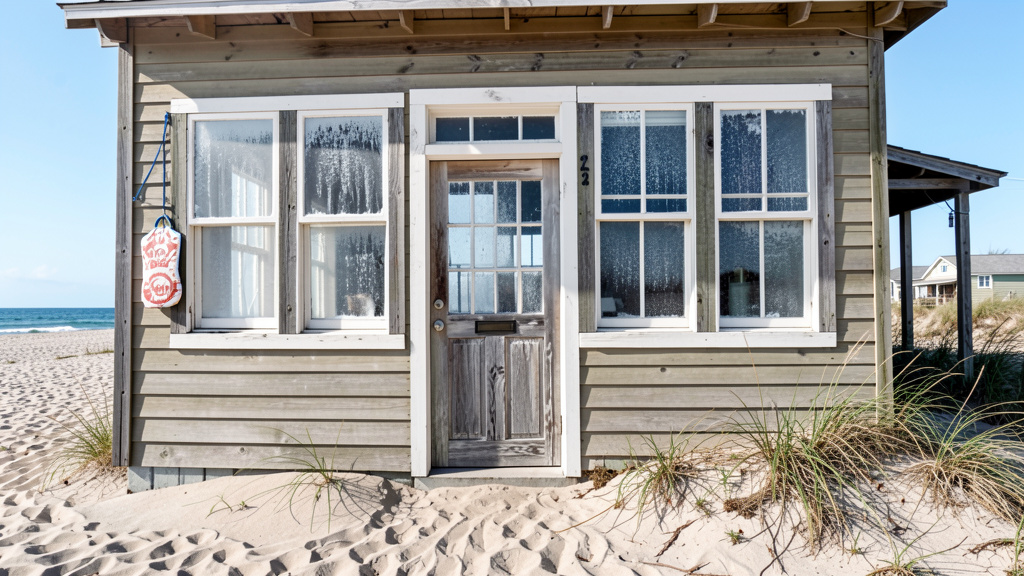
Shift from reactive repairs to proactive stewardship. Implement this integrated three-layer approach to extend your home’s resilience while aligning maintenance with your property’s unique coastal context.
Living near the ocean offers profound beauty and connection to nature, yet the environment presents consistent challenges. Salt-laden air interacts with moisture and materials, wind exerts sustained pressure on structures, and humidity influences indoor comfort. These forces aren’t emergencies waiting to happen—they’re predictable conditions requiring thoughtful, ongoing management. This guide synthesizes widely recognized building science principles, material performance data from ASTM and ICC standards, and regionally adapted practices used by preservation professionals. Rather than promising perfection, it offers a flexible system to help you make informed, proportional decisions that protect your home’s integrity, comfort, and long-term value.
Introduction
Coastal homeownership often begins with admiration for the view—and evolves into awareness of subtle environmental interactions. Peeling paint near window frames, stiff sliding doors after humid weeks, or white residue on railings aren’t signs of failure; they’re signals inviting attention. Many approach these cues reactively: patching, replacing, repainting. Yet salt, wind, and moisture operate as interconnected elements within a single environmental system. A salt particle carried on a breeze settles into a microscopic seam. With humidity, it forms a mild electrolyte. Over repeated cycles, this interaction may gradually affect surface materials. Understanding this process removes mystery and empowers calm, timely action.
True resilience emerges not from indestructible materials—none exist—but from layered strategies that acknowledge environmental reality while providing clear pathways for care. This framework draws on documented patterns in coastal construction: how certain assemblies perform across diverse shorelines, why specific details matter more than others, and where small, consistent efforts yield disproportionate protection. Whether you’re evaluating a property, planning updates, or refining your seasonal routine, this system offers clarity without alarm. Your home’s longevity reflects not perfection, but persistent, informed care.
The Three-Layer Defense Framework: An Integrated Approach to Coastal Stewardship
Imagine your home supported by three complementary layers—not rigid shields, but responsive systems working together. Layer 1 forms the visible barrier. Layer 2 manages moisture that inevitably moves through the building envelope. Layer 3 brings human awareness and routine care. No single layer carries the entire burden. If one experiences wear, the others provide support. This interdependence creates durability far beyond isolated fixes. Let’s explore each layer with attention to material logic, regional nuance, and practical implementation.
Layer 1: The Barrier Layer – Thoughtful Material Selection and Detailing
The Barrier Layer includes all surfaces directly exposed: siding, windows, roofing, railings, and hardware. Its role isn’t to remain flawless forever—no coastal surface does—but to perform reliably while offering visible cues before underlying issues develop. Success depends on matching materials to your property’s specific exposure (distance from shore, wind patterns, vegetation buffers), precise installation, and understanding why certain specifications matter.
Why Barrier Integrity Matters
Salt is hygroscopic—it attracts atmospheric moisture. Combined with oxygen, this can initiate surface corrosion on metals or affect organic coatings over time. Wind carries not only salt but fine particulates that may abrade surfaces or force moisture into seams under pressure. A minor gap in a sealant joint, left unattended, allows moisture to reach framing or sheathing. Addressing such gaps early prevents escalation. The Barrier Layer’s greatest value lies in providing manageable wear patterns and clear visual indicators for timely maintenance.
Material Guidance by Exposure Context
Exterior Cladding:
– Fiber Cement: Performs well in moderate to high exposure zones when fully primed and painted with 100% acrylic latex paint containing UV inhibitors. Unpainted fiber cement may absorb moisture; proper finishing is essential. Install with corrosion-resistant fasteners per manufacturer specifications.
– Engineered Wood: Suitable primarily for low-exposure settings (e.g., properties well-buffered by vegetation or set back significantly from open water). Verify product ratings for coastal use.
– Vinyl Siding: Select thicker profiles (≥0.044″) labeled for coastal or high-UV environments. Allow adequate expansion gaps during installation to accommodate thermal movement.
– Metal Panels: Aluminum with PVDF-based coatings (e.g., Kynar 500®) offers strong performance. Avoid exposed-fastener systems near the coast; concealed-fastener standing seam designs reduce potential leak points.
– Natural Wood: Requires committed, recurring maintenance. If chosen, use pre-primed vertical-grain boards and marine-grade fasteners. Never use untreated softwoods for visible exterior applications.
Windows and Doors:
– Frames: Fiberglass generally maintains dimensional stability better than vinyl in temperature swings. Aluminum-clad wood is viable only with marine-grade cladding and robust sealant details.
– Glazing: Insulated glass units with warm-edge spacers (stainless steel or composite) reduce condensation risk. Low-E coatings should align with your climate’s solar needs.
– Hardware: Operating components (locks, hinges, tracks) benefit significantly from 316 stainless steel in high-exposure zones. 304 stainless may suffice farther inland, but verify local conditions. Test operation seasonally; stiffness often signals early moisture intrusion.
Roofing:
– Metal: Standing seam systems in aluminum (minimum 24-gauge) with PVDF coatings provide durability and reflectivity. Ensure flashing at valleys, chimneys, and penetrations uses non-corrosive metals.
– Asphalt Shingles: Choose impact-resistant (Class 4) products with algae-resistant granules. Pair with synthetic underlayment extending to eaves.
– Tile: Concrete or clay tiles offer longevity but require structural verification for weight. Use stainless steel clips rather than mortar-setting to accommodate movement.
– Critical Detail: Drip edges and flashing should be non-corrosive (aluminum, copper, or stainless steel). Material compatibility matters—dissimilar metals in contact may accelerate corrosion without isolation.
Fasteners and Hardware – A Foundational Detail:
Fasteners often experience stress before the materials they secure.
– High Exposure (near open water): 316 stainless steel is widely recommended for exposed fasteners and hardware due to molybdenum content enhancing chloride resistance.
– Moderate Exposure: 304 stainless steel may be appropriate for many applications; 316 remains preferred for critical connections.
– Lower Exposure: Hot-dipped galvanized fasteners (ASTM A153) can perform adequately in drier, sheltered zones, though stainless offers longer service life.
– Avoid: Electro-galvanized or zinc-plated steel fasteners in coastal settings—they lack sufficient corrosion resistance.
– Pro Tip: When combining stainless fasteners with pressure-treated wood, consider non-conductive isolation sleeves to minimize galvanic interaction. Pre-drill holes to prevent wood splitting.
Installation Practices That Support Longevity
Material performance depends heavily on execution:
– Sealants: Use polyurethane or silicone products explicitly rated for marine or coastal exposure. Apply to clean, dry substrates. Tool the bead to ensure adhesion on both sides of the joint. Inspect biannually; replace proactively when cracking, separation, or loss of elasticity appears.
– Flashing: Install in a shingle-fashion sequence—each layer overlapping the one below—to direct water outward. Integrate seamlessly with the weather-resistant barrier (WRB). Never rely solely on perimeter caulk around windows or doors; integrated flashing provides the critical drainage path.
– Clearances: Maintain adequate separation between cladding and soil (minimum 6 inches). Install kick-out flashing where roof valleys meet walls to divert water away from siding.
– Ventilation Synergy: Barrier materials function best when paired with Layer 2 strategies. For example, cladding installed over a ventilated cavity performs more reliably than tight-to-sheathing applications.
Common Observations and Proactive Responses
– Observation: Paint blistering on fiber cement siding.
Consideration: Siding installed before acclimating to site humidity, or painted under high-moisture conditions.
Response: Store materials on-site per manufacturer guidance before installation. Paint within recommended temperature and humidity ranges.
-
Observation: White crystalline deposits on foundation walls near grade.
Consideration: Moisture moving through concrete, depositing minerals as it evaporates.
Response: Apply a penetrating water repellent rated for below-grade use. Verify soil slopes away from the foundation. -
Observation: Stiffness in aluminum window tracks.
Consideration: Salt accumulation combined with blocked drainage holes.
Response: Clean tracks periodically with a mild vinegar-water solution. Confirm drainage holes are clear. Apply a dry, PTFE-based lubricant sparingly.
The Barrier Layer serves as your home’s visible interface with the environment. Its purpose is reliable performance with clear maintenance cues—not perpetual perfection. When integrated with Layers 2 and 3, it forms a resilient foundation for long-term stewardship.
Layer 2: The Drainage and Ventilation Layer – Designing for Moisture Management
No barrier is entirely impermeable. Wind-driven rain, humidity, and airborne salts will interact with your home. Layer 2 acknowledges this reality and focuses on managing moisture—not preventing all contact. This layer operates within walls, roofs, foundations, and landscapes, creating pathways for moisture to exit safely. It embodies the principle: “Build thoughtfully, ventilate intentionally.” This approach transforms potential vulnerabilities into manageable processes.
Understanding Coastal Moisture Dynamics
Coastal air typically carries higher moisture content. When this air contacts cooler surfaces (like interior sheathing on a warm day), condensation may occur. Wind creates pressure differentials—positive on windward sides, negative on leeward—that can draw moisture through tiny openings. Layer 2 counters these forces through continuous airflow paths and drainage planes. The goal is “drying potential”: enabling moisture to exit faster than it accumulates. Impermeable barriers placed incorrectly can trap moisture; breathable assemblies that allow vapor diffusion while blocking liquid water are often more effective near the coast.
Wall Assemblies: The Rainscreen Concept
A highly effective Layer 2 strategy is the rainscreen gap—a small, continuous air space (typically ⅜” to ¾”) between cladding and the weather-resistant barrier (WRB). Benefits include:
1. Drainage: Water penetrating cladding flows down the cavity and exits through weep holes.
2. Ventilation: Air circulates (via vents at top and bottom), evaporating incidental moisture and reducing wind-driven rain penetration.
3. Drying: Trapped moisture within the wall assembly can diffuse outward.
Implementation Considerations:
– Furring Strips: Attach vertical wood (pressure-treated or naturally durable) or plastic battens over the WRB. Cladding fastens to these.
– Integrated Systems: Some cladding products include built-in ventilation channels.
– Weep Vents: Essential at the base of wall sections. Pre-formed vents or drilled holes (covered with insect screening) allow drainage.
– Top/Bottom Vents: Include screened vents at cavity top and bottom to encourage airflow.
– WRB Selection: Choose UV-resistant, high-performance housewrap with taped seams. In high-wind zones, fluid-applied WRBs may offer enhanced adhesion around penetrations.
Performance Insight: Building science research consistently shows ventilated wall assemblies maintain lower moisture content behind cladding compared to tight-to-sheathing installations. While adding modest initial cost, this detail significantly reduces long-term moisture-related risks.
Roof and Attic Ventilation: Balancing Airflow
Poorly ventilated attics in humid climates can trap moisture, potentially affecting roof sheathing or insulation. Layer 2 requires balanced ventilation:
– Intake: Continuous soffit vents along eaves (ensure insulation doesn’t block airflow; use baffles).
– Exhaust: Ridge vents generally provide more uniform airflow than box vents. Follow local code ratios for net free vent area (typically 1 sq ft per 150 sq ft of attic space).
– Critical Detail: Seal attic penetrations (recessed lights, plumbing stacks) to prevent conditioned indoor air from leaking into the attic.
– Wind Zones: In hurricane-prone areas, specify impact-rated vents tested to relevant standards (e.g., ASTM E1886/E1996).
Site and Foundation Drainage: Directing Water Away
Water lingering near foundations accelerates deterioration. Layer 2 addresses this holistically:
– Grading: Soil should slope away from the foundation (minimum 6 inches over the first 10 feet). Re-check annually after heavy rains.
– Gutters and Downspouts: Clean regularly. Extend downspouts at least 6 feet from the foundation using rigid extensions.
– French Drains: In persistently wet areas, perforated pipes wrapped in filter fabric, set in gravel-filled trenches, can redirect subsurface water. Outlet must discharge safely away from the structure.
– Splash Management: Use splash blocks or gravel beds under downspout outlets to prevent soil erosion.
– Hardscapes: Slope patios and walkways away from the house. Permeable pavers or spaced brick allow water infiltration, reducing runoff toward foundations.
Flashing as a Layered System
Flashing is not a single piece of tape—it’s a sequenced system guiding water outward:
1. Sill Pan: Installed under the window/door unit with a back dam and weep holes.
2. Jamb Flashing: Applied up the sides, lapping over the sill pan ends.
3. Head Flashing: Placed over the top unit, lapping over jambs and under the WRB/siding above.
4. Integration: All layers must integrate seamlessly with the primary WRB. Tape seams per manufacturer instructions.
Verification Tip: After installation, a controlled water test (spraying the unit while inspecting interior) can confirm performance before final finishes.
Ventilation in Enclosed Areas
Spaces under decks, porches, or in crawl spaces require airflow to prevent moisture buildup:
– Deck Skirting: Avoid full enclosure. Use louvered panels or leave gaps (top and bottom) for cross-ventilation.
– Crawl Spaces: Approach varies by climate. In humid regions, encapsulation (sealed vapor barrier, dehumidification) is often preferred. In drier zones, screened vents may suffice. Consult local building professionals for climate-appropriate strategies.
– Storage Areas: Elevate items off concrete slabs. Ensure airflow isn’t blocked.
Layer 2 transforms your home from a sealed container into a dynamic, responsive system. It accepts that environmental interaction is inevitable but ensures consequences remain manageable. This layer requires thoughtful design upfront yet delivers enduring benefits: reduced maintenance burden, enhanced indoor comfort, and extended structural service life. It is the quiet, essential partner to the visible Barrier Layer.
Layer 3: The Maintenance and Monitoring Layer – Consistent, Informed Stewardship
Layers 1 and 2 establish the physical framework; Layer 3 brings human awareness and routine care. This isn’t about obsessive vigilance—it’s about strategic, scheduled attention that catches subtle changes early. Think of it as partnership with your home: learning its patterns, responding to cues, and building confidence through knowledge. This layer costs primarily time and attention yet safeguards your investment profoundly.
A Seasonal Rhythm Aligned with Coastal Cycles
Adopt a maintenance calendar tuned to your region’s weather patterns:
– Post-Storm (Within 48 Hours): After significant weather, conduct a brief exterior check. Note debris against siding, loose shingles, window operation changes, or altered drainage patterns.
– Spring (Pre-Humid Season): Clean gutters thoroughly. Inspect sealant joints. Check deck fasteners and railing stability. Verify irrigation isn’t spraying the house. Service HVAC condenser units.
– Fall (Pre-Cooler Months): Trim branches near the structure. Inspect roof from ground level (binoculars help). Clean and store outdoor textiles. Verify storm protection systems operate smoothly. Check attic ventilation for blockages.
– Bi-Annual (Every 6 Months): Inspect interior window sills for moisture signs. Check crawl spaces or basements for odors, staining, or pests. Test sump pumps. Review insurance coverage details.
Documentation Practice: Maintain a simple home log—digital or physical. Note inspection dates, observations, actions taken, and photos. This builds a valuable history for tracking slow changes and provides clear records for future reference or transactions.
Accessible Tools for Early Awareness
Specialized equipment isn’t required:
– Moisture Meter: A pinless meter helps identify unusual moisture patterns in walls or floors. Establish baseline readings during dry periods for comparison.
– Flashlight and Inspection Mirror: Reveal hidden areas under decks, behind downspouts, or inside window tracks.
– Mild Cleaning Solution: A diluted vinegar-water mix can gently clean salt residue from hardware or tracks. Rinse thoroughly afterward.
– Smartphone Camera: High-resolution photos document conditions over time. Zoom in later to spot subtle shifts.
– Pattern Recognition: Notice if one side of the house consistently shows more residue or wear. This reveals your property’s unique exposure profile and helps prioritize efforts.
Practical Maintenance Rituals
Monthly (5–10 Minutes):
– Rinse windward-facing surfaces (siding, railings, windows) with fresh water, focusing on horizontal areas where salts accumulate. Use a garden hose—avoid high-pressure settings that may force water behind materials.
– Wipe window and door tracks; ensure drainage holes are clear.
– Check planters or containers against the house for standing water.
Quarterly (30–60 Minutes):
– Clean HVAC condenser coils (power off first; gentle rinse from inside out).
– Inspect exterior vent caps (bathroom, kitchen) for debris or corrosion.
– Test all windows and doors for smooth operation.
– Clear debris from deck board gaps.
Annually (Half-Day Focus):
– Assess exterior surfaces. If cleaning is needed, soft washing with a biodegradable cleaner and low-pressure rinse is gentler than high-pressure methods.
– Re-seal wood or composite decks after thorough cleaning and drying.
– Review roof condition from ground level; consult a professional if concerns arise.
– Service backup power systems if applicable.
Knowing When to Seek Professional Insight
Some situations warrant expert assessment:
– Structural Cues: New cracks in foundations or masonry, doors/windows that suddenly stick, noticeable floor slope.
– Electrical Concerns: Corrosion on outdoor fixtures, unusual smells near panels, flickering lights correlated with humidity.
– Persistent Moisture: Recurring stains, musty odors resistant to cleaning, visible mold growth beyond small isolated spots.
– Roof or Foundation Issues: Missing roofing materials after storms, visible soil erosion near foundations.
Selecting Professionals: Seek contractors with documented experience in coastal environments. Ask about specific projects near saltwater. Verify licenses, insurance, and familiarity with local building codes. For structural concerns, a licensed structural engineer provides objective assessment.
Layer 3 cultivates a proactive relationship with your home. It builds intimate knowledge of your property’s rhythms and transforms maintenance from anxiety into assurance. This layer requires no large expenditures—only consistent, mindful attention. It is the caring practice that ensures Layers 1 and 2 perform optimally for years to come.
The Guiding Insight: Coastal home resilience emerges not from any single product or material, but from the thoughtful integration of barriers, moisture management, and informed care—a system where each layer supports the others. Longevity is cultivated through practice, not purchased as a promise.
Applying the Framework: Scenarios for Real Coastal Living
The Three-Layer Framework provides universal principles, but application varies by situation. Below are adaptive pathways for common coastal homeowner contexts—each emphasizing proportional, informed choices.
Evaluating a Coastal Property: A Targeted Pre-Purchase Approach
Purchasing near the coast warrants focused scrutiny beyond standard inspections. Consider these areas:
– Exterior Assessment: Check siding edges for softness (moisture intrusion). Operate all windows and doors—note stiffness or corrosion. Inspect sealant joints around penetrations. Look for staining on interior sills.
– Roof and Deck: Scan for damaged shingles, tiles, or flashing. Probe deck boards near the house attachment point (ledger board) for softness. Verify ledger flashing is present and intact.
– Foundation and Drainage: Observe grading after rain—does water flow away? Check for efflorescence (white powder) on foundation walls. Confirm downspouts extend adequately.
– Critical Systems: Locate the HVAC condenser—is it elevated? Note age and condition. In older homes, inquire about plumbing materials (galvanized pipes may require future replacement).
– Documentation: Request maintenance records, elevation certificates (for flood insurance context), and history of insurance claims. Research community erosion patterns or planned mitigation projects.
Recommendation: Engage an inspector with coastal experience. Their expertise in salt-corrosion patterns and regional construction details provides invaluable insight. This step is a prudent investment in informed decision-making.
Refreshing an Existing Coastal Home: Prioritizing with Purpose
Renovations offer opportunities to integrate resilience. Avoid focusing solely on aesthetics:
1. Assess First: Conduct a Three-Layer review. Document concerns with photos. Prioritize moisture intrusion points and safety items over cosmetic updates.
2. Envelope Upgrades: When replacing windows, choose units with robust frames and hardware suited to your exposure zone. During re-siding, incorporate a rainscreen gap—it significantly enhances wall drying capacity. Address deck ledger flashing and fastener upgrades.
3. Systems Attention: Elevate and protect HVAC condensers. Upgrade outdoor electrical fixtures to weather-resistant models.
4. Finishes and Landscaping: Use high-quality, mildew-resistant paints. Select salt-tolerant native plants. Implement drainage-focused grading.
Budget Strategy: If resources are limited, begin with drainage (grading, gutters), then seal critical penetrations (windows, doors), followed by hardware upgrades on the most exposed side. Small, strategic steps compound positively over time.
Designing New Construction: Embedding Resilience from the Start
New builds allow deepest integration of Layer principles:
– Site Planning: Maximize setback from shoreline where possible. Orient living spaces toward leeward sides. Elevate living areas above base flood elevation plus freeboard (local codes specify). Simplify rooflines—hips generally outperform complex gables in high wind.
– Material Specifications: Specify stainless steel connectors and fasteners appropriate for exposure. Choose closed-cell spray foam or other moisture-managing insulation. Demand impact-resistant glazing and robust flashing details in contracts.
– Critical Details: Require a ventilated rainscreen cavity behind cladding. Specify fluid-applied flashing at penetrations. Design decks with corrosion-resistant framing and proper clearance. Elevate utilities above potential flood levels.
– Professional Partnership: Select architects and builders with proven coastal project experience. Request site visits to their completed work. Include third-party quality inspections at key milestones (framing, pre-drywall).
Landscaping as Environmental Partnership
Thoughtful landscaping works with coastal forces:
– Wind and Salt Buffers: Plant dense, salt-tolerant evergreens (e.g., Eastern Red Cedar, Southern Wax Myrtle, Coast Live Oak) on prevailing wind sides. Low groundcovers near the house intercept salt-laden mist.
– Drainage Support: Use swales (shallow vegetated channels) or rain gardens to direct runoff away from foundations. Choose native grasses and perennials suited to your region.
– Hardscape Wisdom: Slope patios away from the house. Use permeable materials near foundations. Avoid tall trees directly over structures in storm-prone zones.
– Regional Guidance: Consult your local Cooperative Extension Service—they provide free, science-based plant lists validated for your specific coastal conditions.
– Wildlife Harmony: Seal gaps under decks to discourage nesting. Avoid bird feeders close to the house. Choose native plants to support local ecosystems responsibly.
Insurance and Documentation: Clarity Through Preparation
Understanding insurance nuances reduces stress:
– Mitigation Documentation: Many insurers offer premium considerations for verified risk-reduction measures (impact windows, storm shutters, elevation). Obtain official inspection reports where available.
– Policy Awareness: Know the difference between wind/hurricane deductibles and flood coverage (typically separate). Review “Ordinance or Law” coverage—it helps with code-mandated upgrades after damage.
– Claims Readiness: Maintain dated photos of your property’s condition. After damage, document thoroughly before cleanup. Work with licensed, insured contractors; avoid unverified “storm chasers.”
– Annual Review: Discuss your policy with your agent yearly. Share documentation of upgrades. Ask how additional improvements might affect coverage or premiums.
Regional Adaptation: Honoring Local Context
The framework applies universally, but execution adapts to place:
– Northeast Atlantic: Prioritize freeze-thaw resilience. Use air-entrained concrete. Ensure drainage prevents ice dam formation.
– Southeast/Gulf Coasts: Hurricane preparedness is central. Focus on impact-resistant glazing, reinforced garage doors, and robust roof decking. High humidity demands excellent ventilation.
– Pacific Northwest: Persistent moisture is the primary concern. Emphasize drainage, ventilation, and rot-resistant materials. Earthquake preparedness is equally critical.
– California Coast: Wildfire resilience often shares priority with salt management. Use non-combustible siding near vegetation, ember-resistant vents, and fire-wise landscaping.
– Great Lakes Shorelines: Road salt and wave action create unique challenges. Focus on foundation waterproofing, erosion control, and corrosion-resistant hardware.
Universal Step: Always consult your local building department. Codes incorporate hard-won regional lessons. Partner with local tradespeople who understand hyper-local conditions.
Emergency Preparedness: Calm Readiness
Preparedness fosters confidence:
– Pre-Storm (72 Hours): Secure loose items. Install shutters if equipped. Charge devices. Gather supplies (water, food, medications, documents).
– During: Stay indoors, away from windows. Monitor official updates.
– Post-Storm: Wait for official clearance. Document damage thoroughly before cleanup. Contact your insurer promptly. Use licensed contractors for repairs.
– Long-Term Steps: Consider a permanently installed generator for critical loads. Install backwater valves on sewer lines. Keep a satellite communicator for emergencies when cellular service is unavailable.
Preparedness isn’t fear—it’s the freedom that comes from knowing you’ve taken reasonable, thoughtful steps.
Long-Term Perspective: Value Beyond Finances
Resilient practices deliver multifaceted returns:
– Financial: Proactive maintenance typically costs less than emergency repairs. Documented upgrades may support insurance considerations and future resale value.
– Emotional: Confidence during storms. Pride in stewardship. More time enjoying your home, less time managing crises.
– Legacy: Preserving a place for future generations carries deep meaning.
– Documentation Tip: Maintain a “Home Resilience File” with upgrade receipts, inspection reports, maintenance logs, and insurance correspondence. This transforms subjective claims into objective history—valuable for future owners and your own peace of mind.
Navigating Real-World Constraints: Budget, Time, and Clarity
Even the best frameworks meet practical limits. This section offers honest, adaptive pathways.
Phased Action for Budget-Conscious Stewardship
You don’t need a large budget to begin meaningfully:
– Start Immediately (Low/No Cost):
– Rinse windward surfaces weekly with fresh water.
– Clean gutters and verify downspout extensions.
– Inspect and re-caulk failed sealant joints with marine-rated product.
– Confirm soil slopes away from the foundation.
– Next 6–12 Months (Moderate Investment):
– Upgrade corroded window/door hardware to appropriate stainless grades.
– Replace rusted deck fasteners.
– Add attic ventilation if inadequate.
– Install a coil guard on the HVAC condenser.
– Longer-Term Planning (2–5 Years):
– Prioritize window replacement starting with the most exposed elevation.
– Budget for eventual roof replacement with coastal-appropriate materials.
– Plan siding updates to include a rainscreen cavity.
Financing Consideration: Explore Energy Efficient Mortgages (EEMs) or local resilience incentive programs. Factor potential insurance premium adjustments into long-term planning. Always prioritize foundational elements (drainage, flashing) over purely cosmetic updates.
DIY vs. Professional: Knowing Where Expertise Matters
Coastal environments amplify installation consequences. Use this guide:
– Appropriate for Confident DIYers:
– Exterior rinsing and cleaning
– Re-caulking sealant joints (with proper surface prep)
– Gutter maintenance and downspout extensions
– Planting salt-tolerant landscaping
– Basic interior moisture monitoring
– Requires Licensed Professionals:
– Roofing (flashing details, wind-rated installation)
– Window/door replacement (critical flashing integration)
– Structural modifications (deck attachments, foundation work)
– Electrical work (corrosion risks, permit requirements)
– HVAC installation or major drainage projects
Hybrid Approach: Hire professionals for critical-path items (flashing, structural), handle site preparation or cleanup yourself to reduce costs. Always verify licenses, insurance, and coastal project references.
Clarifying Common Misconceptions
Knowledge dispels unnecessary worry:
– Myth: “Stainless steel never rusts.”
Clarification: Grade matters significantly. 316 stainless (marine-grade) offers superior chloride resistance. 304 may suffice farther inland. Always verify the grade for coastal applications.
– Myth: “Pressure-treated wood is ideal for coastal decks.”
Clarification: Standard pressure-treated wood still requires diligent maintenance and compatible fasteners. Aluminum decking or tropical hardwoods with marine-grade fasteners often provide longer service life near saltwater.
– Myth: “A new paint job fixes siding issues.”
Clarification: Painting over moisture-damaged substrates traps problems. Always assess the underlying material first. Blistering paint signals moisture—not just surface wear.
– Myth: “Coastal homes demand constant, expensive upkeep.”
Clarification: Poorly adapted homes do. Homes managed with this layered framework require predictable, proportional care. The system reduces long-term effort compared to reactive repairs.
– Myth: “All sealants perform equally.”
Clarification: Standard acrylic latex caulk degrades rapidly near saltwater. Polyurethane or silicone sealants rated explicitly for marine/coastal use provide significantly longer service. Check product datasheets.
Understanding the “why” behind practices builds confidence and prevents costly missteps.
Your Questions, Answered
These responses integrate building science principles, material considerations, and regional adaptability.
Q: How close to the ocean must I be for coastal-specific practices to matter?
A: Salt deposition and humidity effects vary by elevation, wind exposure, and vegetation. Homes within 500 feet of open water generally benefit most from marine-grade specifications (e.g., 316 stainless hardware). Between 500–1,500 feet, 304 stainless may suffice for some elements, though 316 remains prudent for critical components. Even properties farther inland often benefit from enhanced drainage and ventilation due to higher ambient humidity. When uncertain, selecting slightly more resilient options upfront typically proves more economical than future repairs.
Q: Is pressure washing safe for coastal home exteriors?
A: Use caution. High pressure can force water behind siding or into seams. If needed:
– Use the lowest effective pressure (start below 1,000 PSI)
– Wide fan tip (40-degree angle)
– Hold nozzle 12+ inches from surface, spraying downward
– Never aim directly at windows, seams, or electrical fixtures
Preferred Alternative: Soft washing with a biodegradable cleaner and low-pressure rinse is gentler on surfaces and more effective against biological growth. Always test methods on a small, inconspicuous area first. When in doubt, consult a professional experienced with coastal materials.
Q: What offers the strongest immediate return for an existing coastal home?
A: Two actions stand out:
1. Implement the weekly fresh-water rinse on windward surfaces—removing salt deposits before they interact with moisture significantly slows surface degradation.
2. Verify and improve site drainage—ensuring soil slopes away from the foundation and downspouts extend adequately addresses the most common source of moisture-related issues.
For longer-term impact during re-siding, integrating a rainscreen cavity provides exceptional value by enhancing the wall’s ability to manage moisture.
Q: Are composite decks truly low-maintenance near the ocean?
A: No material is maintenance-free, but quality composites (e.g., capped polymer products) resist rot, insects, and splintering better than wood. However:
– Debris and salts can accumulate in textured surfaces; annual cleaning is recommended.
– Ensure the underlying framing uses corrosion-resistant materials and fasteners.
– Lighter colors may show salt residue more readily.
For minimal upkeep, aluminum decking systems offer excellent performance but at a higher initial investment. Always follow the manufacturer’s coastal maintenance guidelines.
Q: How often should exterior sealant be inspected and replaced?
A: Inspect all sealant joints biannually (spring and fall). Replace proactively every 5–7 years, or sooner if you observe cracking, separation from the substrate, mildew within the bead, or loss of flexibility. Critical areas (window perimeters, deck ledger flashing, roof-wall intersections) warrant closer attention. Always use sealants explicitly rated for coastal/marine exposure and prepare surfaces thoroughly before application.
Q: Does coastal living affect indoor air quality?
A: Indirectly, yes. Higher humidity can encourage dust mites or mold if unmanaged. Salt particles may enter through openings. Mitigation strategies:
– Maintain indoor relative humidity below 60% using air conditioning or dedicated dehumidification.
– Use high-efficiency HVAC filters (MERV 11+).
– Ensure exhaust fans in kitchens and bathrooms vent outside.
– Clean window tracks and sills periodically.
– Consider an energy recovery ventilator (ERV) in tightly sealed homes to introduce filtered fresh air.
These steps support comfort and air quality regardless of location but are especially valuable in humid coastal climates.
Q: What paint sheen works best for coastal exteriors?
A: Satin or low-luster finishes (20–40% gloss) offer an ideal balance for siding—better moisture resistance and cleanability than flat paints, while hiding surface imperfections better than high-gloss. Use high-gloss finishes selectively for trim, doors, or shutters where durability and easy cleaning are priorities. Most critical: use 100% acrylic latex paint formulated for coastal environments with UV inhibitors and mildewcides. Proper surface preparation (cleaning, priming) matters more than sheen selection.
Q: Are eco-friendly options viable for coastal resilience?
A: Absolutely. Sustainability and resilience align closely:
– Materials: FSC-certified hardwoods, recycled-content aluminum, locally sourced stone.
– Energy: Solar panels with marine-rated mounting; high-performance windows reduce cooling loads.
– Water: Rainwater harvesting for irrigation; permeable pavers reduce runoff.
– Landscaping: Native, drought-tolerant plants support local ecosystems and require less water.
– Longevity Mindset: The most sustainable choice is often the most durable one—reducing the environmental impact of frequent replacements. Look for products with environmental product declarations (EPDs) or recognized green certifications.
Q: How should I care for outdoor furniture and fabrics?
A: Proactive habits extend life significantly:
– Storage: Store cushions and lightweight items indoors during off-seasons or storms.
– Covers: Use breathable, solution-dyed acrylic covers (e.g., Sunbrella®). Avoid non-breathable tarps that trap moisture.
– Cleaning: Rinse weekly with fresh water. Clean fabrics monthly with mild soap; rinse thoroughly. For mildew, a diluted vinegar solution is often effective.
– Materials: Choose powder-coated aluminum frames, marine-grade stainless hardware, and solution-dyed acrylic fabrics. Teak and marine-grade polymer require minimal maintenance.
– Placement: Position under covered areas when possible to reduce direct exposure.
Q: What if I notice corrosion on structural hardware?
A: Address it thoughtfully:
1. Document: Photograph the location and extent.
2. Assess: Surface rust on non-critical hardware may be cleaned and monitored. Pitting, flaking, or corrosion on load-bearing connectors (joist hangers, ledger brackets) warrants professional evaluation.
3. Consult: Engage a licensed structural engineer for assessment. They determine if cleaning/protection suffices or if replacement is needed.
4. Replace: If replacement is advised, use hardware rated for coastal exposure (e.g., 316 stainless).
5. Prevent Recurrence: Identify and correct the root cause (e.g., missing flashing, poor drainage).
Never attempt structural repairs without engineering guidance—safety is paramount.
Conclusion and Your Next Step
Coastal living is a meaningful connection to a dynamic environment—one that invites respect, awareness, and partnership. The ocean operates by consistent physical principles; understanding them empowers calm, informed action. The Three-Layer Framework isn’t about achieving perfection. It’s about building confidence through knowledge, making proportional choices, and cultivating a sustainable relationship with your home and its setting.
Core Principles to Carry Forward
- The Barrier Layer provides your visible interface: Choose materials suited to your exposure, install with precision, and read surface cues as invitations for timely care—not signs of failure.
- The Drainage and Ventilation Layer manages the inevitable: Design assemblies to channel moisture safely away. This layer ensures minor interactions cause no lasting harm.
- The Maintenance and Monitoring Layer brings human partnership: Consistent, mindful attention transforms stewardship from burden to assurance. Learn your home’s patterns; respond with proportionate care.
These layers function as an integrated system. Strength in one supports the others. Resilience emerges from their synergy—not from any single element.
Your 24-Hour Action: One Small Step Forward
Within the next day, complete this simple, meaningful act:
Walk the perimeter of your home with a garden hose. Gently rinse all windward-facing surfaces—siding, windows, railings, and deck—for five minutes. Focus on horizontal areas and corners where salts naturally accumulate.
This takes moments yet removes the primary catalyst for surface interaction. Make it a weekly habit. It is not a “fix,” but a foundational practice of coastal stewardship—gentle, consistent, and deeply effective. Start today. Build momentum tomorrow.
A Broader Perspective: Home Within Habitat
Your home exists within a living coastal ecosystem. Dunes buffer storms. Native plants stabilize soil. Tides renew shorelines. True resilience extends beyond property lines. Support local dune restoration. Choose native landscaping that conserves water and nurtures pollinators. Engage with community erosion management efforts. When we care for the coastline that sustains us, we secure our shared future. This mindset transforms maintenance into meaningful reciprocity—a commitment to preserving not only our homes but the very environment that makes coastal living profound.
The ocean offers perspective. It reminds us of forces larger than ourselves, and our capacity to prepare with wisdom. Your coastal home can be a sanctuary of safety, comfort, and legacy for years to come—not through luck, but through understanding. Not through expense alone, but through thoughtful practice. You now hold a clear, adaptable framework. Begin with the rinse. Build layer by layer. Your resilient coastal home awaits.
Explore Our Complete Coastal Living System:
Coastal Landscaping Mastery: Salt-Tolerant Plants and Erosion Control | Hurricane Preparedness: Beyond the Basics | The Coastal Homebuyer’s Due Diligence Checklist | Sustainable Coastal Building: Materials and Methods That Last | Indoor Air Quality by the Sea: Managing Humidity and Salt | Deck and Porch Design for Coastal Durability | Insurance Navigation for Shoreline Properties