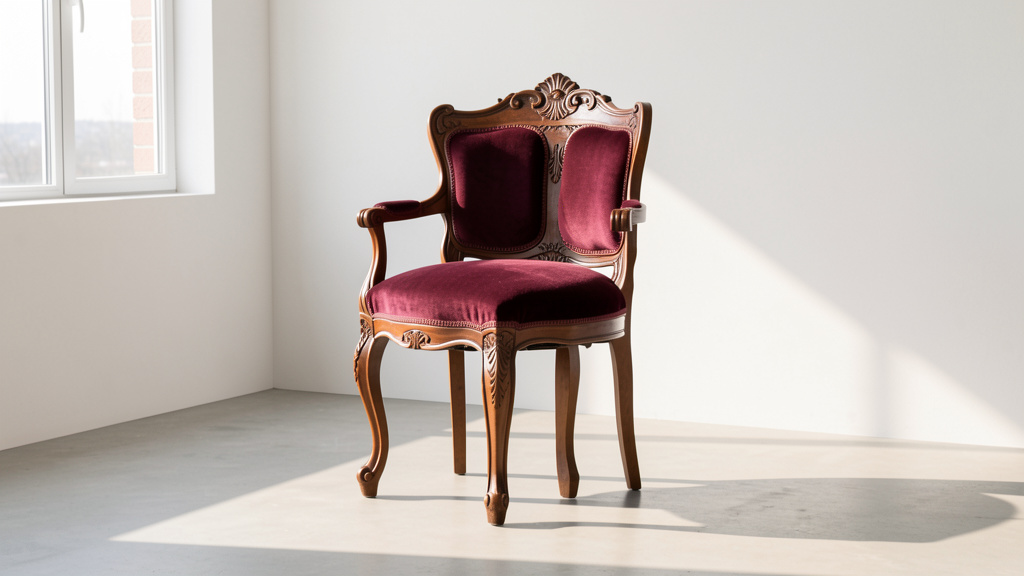
Move beyond random decor—discover how to intentionally select and place accent furniture that tells your story, enhances functionality, and transforms your home into a deeply personal sanctuary.
Accent furniture speaks the quiet language of interior design, adding layers of personality and intention to everyday spaces. This guide offers a thoughtful, adaptable framework for choosing pieces that resonate with your lifestyle, complement your existing environment, and evolve gracefully with your life. You’ll learn to avoid common missteps, understand the psychology of placement, and cultivate a home that feels authentically yours—without overwhelming your space, budget, or senses. Grounded in enduring design principles and spatial awareness, this approach prioritizes meaning over accumulation, helping every object earn its place with purpose.
Introduction
Throughout history, the most resonant interiors have drawn character not from matching suites, but from carefully chosen accent pieces that anchor a room’s narrative. Consider the contemplative placement of a single scholar’s chair in traditional East Asian studios, or the sculptural coffee tables that defined mid-century living spaces—each served as both functional object and emotional anchor. In today’s landscape of mass production and algorithm-driven inspiration, intentional curation offers a meaningful path toward spaces that feel personal, calm, and connected. This guide synthesizes established spatial principles with contemporary living needs, providing a clear methodology to transform how you select, place, and live alongside accent furniture. Whether refreshing a single corner or reimagining a whole home, this framework supports choices that feel harmonious, human-centered, and enduring. Insights draw from documented design history, environmental psychology research, and cross-cultural spatial traditions to offer perspective without prescription.
The “Intentional Accent” Framework: Three Layers to Meaningful Curation
Successful integration of accent furniture rests on a three-layer approach: Foundation, Expression, and Integration. This model balances objective assessment with personal meaning and daily lived experience. Skipping any layer may lead to spaces that feel visually disjointed, functionally awkward, or emotionally disconnected. Think of this framework as a compass: Foundation establishes your spatial context, Expression clarifies your narrative intent, and Integration ensures seamless harmony with daily life. Each layer builds upon the last, inviting reflection rather than rigid rules. Let’s explore them with nuance, practical examples, adaptable options, and awareness of common considerations.
Layer 1: Foundation – Honoring Space, Function, and Context
Before considering aesthetics, establish a clear understanding of your room’s physical reality and functional needs. This layer is about observation, measurement, and honesty—creating a reliable base for creative decisions. Without this grounding, even beautiful pieces may disrupt flow, create friction, or go unused. Foundation work is not restrictive; many find it liberating, as it transforms overwhelming choices into focused possibilities.
Step 1: Conduct a Thoughtful Spatial Audit
Measure your room thoroughly—not just floor dimensions, but ceiling height, window and door placements, radiator locations, electrical outlets, and natural traffic pathways. Sketch a simple floor plan (graph paper or a free digital tool works well). Note permanent architectural features: fireplaces, built-ins, alcoves, or sloped ceilings. Why does this matter? Furniture that blocks movement or interrupts sightlines can cause subtle daily friction. Human movement tends to follow intuitive paths—arcs around obstacles, pauses near entrances, and visual connections to focal points like windows. Aligning furniture with these patterns supports ease and comfort.
Concrete Example: In a 12×15 foot living area with a central fireplace and two entryways, traffic naturally flows in a soft “U” shape. Placing a large ottoman within that pathway would disrupt movement. Instead, a narrow console table (no deeper than 14 inches) against the wall opposite the fireplace provides surface space for lighting or objects while preserving clear passage. It anchors the space without crowding it.
Common Consideration: Relying on memory or phone photos often leads to misjudgment. Creating a life-sized paper template (using kraft paper or cardboard) of the furniture’s footprint allows you to physically test placement. Walk through the outlined space. Sit where the chair would be. Does it feel open? Does it interfere with light or movement? This tactile step reveals issues digital tools may miss.
Nuance for Challenging Layouts: In rooms with irregular shapes—bay windows, angled walls, or low ceilings—identify the “usable rectangle”: the largest contiguous area where standard furniture fits comfortably. Then, thoughtfully place accent pieces within the irregular zones to honor, not fight, the architecture. A custom-cut bench for a bay window nook or a triangular side table for an angled corner can transform constraints into intentional features.
Step 2: Clarify Primary and Secondary Functions
Ask gently: What is this room’s essential purpose? What specific role should the accent piece fulfill? A bedroom prioritizes rest, so an accent chair should support relaxation—perhaps with adequate lumbar support and proximity to a small surface for a book or tea. In a multi-use space like a studio apartment, function may shift throughout the day. Be honest about actual use, not aspirational ideals. Do you truly read in that corner? Will guests regularly use that extra seat, or might it become a temporary landing zone for items?
Concrete Example: In a compact studio, a storage ottoman serves multiple gentle purposes: supplemental seating when needed, concealed storage for seasonal items, and a footrest during evening relaxation. Its height (around 18 inches) aligns comfortably with the sofa, and the lid opens smoothly for easy access. This adaptability reduces visual clutter while supporting real-life needs.
Common Consideration: Selecting pieces based solely on appearance without considering daily wear can lead to frustration. A delicate glass-top table may not suit a space shared with young children or active pets. Consider material resilience, stability, and ergonomics. Rounded edges, performance fabrics, and weighted bases offer thoughtful safety without sacrificing style.
Adaptable Pathway: If an ideal functional piece is beyond current means, identify the core need and solve it creatively. Need surface space beside a chair? A wall-mounted swing-arm shelf provides function without floor footprint. Need discreet storage? A well-woven seagrass basket holds textiles while adding organic texture. Solutions exist at many scales and budgets.
Step 3: Observe Existing Elements with Curiosity
Take time to document your current environment: furniture scale, color undertones, lighting quality throughout the day, flooring texture, and architectural style. Photograph the space at morning, noon, and evening to notice how light transforms surfaces and colors. Note subtle relationships—does your wood floor lean warm (honey, amber) or cool (ash, gray)? Do your walls have beige, pink, or green undertones? These quiet cues guide harmonious integration.
Concrete Example: In a room with warm oak floors and cream walls, an accent chair in a cool-toned blue may create unintended tension unless balanced by other cool elements (silver-framed art, a gray-toned rug). Conversely, a terracotta-hued chair would resonate with the floor’s warmth, creating visual ease. Similarly, sun-drenched rooms can support deeper colors, while north-facing spaces with softer light often feel more inviting with lighter, reflective surfaces on accent pieces.
Common Consideration: Overlooking scale and proportion is frequent. Scale relates an object’s size to the room; proportion relates objects to each other. An oversized armchair may overwhelm a space with low ceilings or petite existing furniture. As a gentle guideline, accent seating often sits 2–4 inches lower than the main sofa seat to encourage visual hierarchy and comfortable conversation.
Thoughtful Exception: In minimalist settings with ample negative space, a single substantial piece—like a sculptural floor lamp or solid wood bench—can serve as a calm focal point. The surrounding openness provides necessary breathing room. This approach calls for restraint: typically, only one such statement piece per room.
A Guiding Insight: Clarity of context invites confident creativity. When constraints are understood with kindness, expression flows with purpose. Foundation work honors your space as it is, creating fertile ground for choices that feel both intentional and easeful.
Layer 2: Expression – Weaving Narrative Through Thoughtful Selection
With spatial clarity established, Layer 2 invites personal reflection. Here, accent furniture becomes a gentle vehicle for storytelling—reflecting values, memories, interests, and evolving identity. Expression without grounding can feel scattered; grounded expression feels resonant. The goal is curated authenticity: pieces that feel connected, meaningful, and true to your lived experience—not a curated performance of taste.
Step 1: Clarify Your Evolving Narrative
What feeling or story do you wish your space to quietly convey? Are you drawn to objects collected through travel? Do you find calm in natural materials? Is your home a sanctuary for creativity or connection? Distill this into 2–3 descriptive phrases (e.g., “textural warmth with organic forms,” “calm minimalism with intentional artifacts”). Avoid overly broad terms like “cozy” or “elegant”—dig gently deeper. Your narrative need not be fixed; homes evolve as we do. Honor where you are today.
Concrete Example: For someone drawn to coastal landscapes without literal nautical motifs, an accent piece might be a bench of weathered teak (suggesting time and tide) paired with a woven seagrass basket holding soft throws. The narrative emerges through material and memory. For a book lover, a vintage library ladder repurposed beside a deep chair—with a small adjustable lamp—creates a functional, soulful nook.
Common Consideration: Trend-driven choices may feel exciting initially but can quickly feel disconnected if they don’t resonate with deeper values. Trends can be enjoyed through smaller, changeable elements (textiles, ceramics), while larger furniture pieces often benefit from timeless qualities. Ask gently: “Does this piece reflect something enduring in me, or a passing moment of influence?”
Accessible Expression: Meaning need not be expensive. Smooth stones gathered on walks displayed in a simple ceramic bowl speak to connection with nature. A framed map of a meaningful place above a console honors personal history. Thrift stores, family attics, and local makers offer rich sources for pieces with story and soul. A modest wooden stool with visible joinery often carries more presence than a mass-produced replica.
Step 2: Cultivate Intentional Focal Points
Every room benefits from a gentle visual anchor—a piece that invites the eye to rest and creates rhythm. Accent furniture often serves this role. Consider placement: Does it sit where the eye naturally lands (opposite an entrance, flanking a window, at the end of a hallway)? Focal points reduce visual restlessness; too many competing elements can create subconscious tension.
Concrete Example: In a bedroom with a plain wall opposite the bed, a low upholstered bench in a deep, harmonious hue (like forest green echoing botanical art above) becomes a calm focal point. It offers function (seating for dressing) while reinforcing visual cohesion. In a living area, a uniquely shaped floor lamp beside a reading chair draws attention to a quiet corner, inviting pause.
Common Consideration: Competing focal points can unsettle a space. If your fireplace is highly detailed, placing a boldly patterned chair directly before it may create visual conflict. Instead, let the chair complement the fireplace through shared undertones (a chair in the same warm gray as the stone) or position it to face the hearth, making the fireplace the clear anchor.
Gentle Insight: Environmental psychology suggests humans find comfort in clear visual anchors—they reduce cognitive load and support a sense of calm. Symmetrical arrangements (two chairs flanking a fireplace) often feel inherently peaceful due to balanced visual weight. Asymmetrical balance can also feel intentional when thoughtfully composed.
Step 3: Introduce Thoughtful Contrast
Contrast adds depth and prevents visual flatness. This may appear through:
– Form: A curved chair against angular furniture
– Texture: A rough-hewn stool beside a smooth leather sofa
– Color: A muted ochre sideboard in a neutral-toned room
– Era: A vintage mirror above a contemporary console
The key is intentionality. Limit strong contrasts to one or two dimensions per piece. A chair with an unusual silhouette might carry a neutral tone and familiar texture to maintain harmony.
Concrete Example: In a room defined by clean lines and light wood tones, a hand-carved wooden stool with organic texture introduces warmth and history. Its compact scale respects the space, and its wood tone relates to the coffee table. Placed slightly apart from the main seating group, it signals deliberate placement.
Common Consideration: Over-contrasting can feel chaotic. The 60-30-10 guideline offers gentle structure: 60% dominant style (existing furniture), 30% secondary (complementary bridging pieces), 10% accent (bold contrast). This creates cohesion with subtle vitality. Avoid contrasting purely for shock value; seek connections. A mid-century chair beside a rustic table may harmonize if both share clean lines or intentional negative space.
Refined Technique: “Echoing” contrast strengthens intention. Introduce a contrasting element (like black metal legs on a lamp), then repeat that detail subtly elsewhere—a black frame on art, dark hardware on a cabinet. This repetition transforms contrast into a deliberate thread.
Step 4: Honor Personal History with Care
Objects carrying memory often hold the deepest resonance. This isn’t about displaying every keepsake—it’s about integrating meaningful items with purpose and respect. A repurposed family trunk becomes a coffee table. A drafting table from a relative’s workshop serves as a writing desk. When function and memory align, spaces feel deeply personal.
Concrete Example: A well-worn ladder-back chair from childhood, reupholstered in fabric from a cherished garment, finds new life in a reading nook. It’s used daily; the memory remains active, not static. Another example: Wood salvaged from a previous home, crafted into a small entryway bench, offers a tactile connection to personal history with each use.
Common Consideration: Displaying isolated items without context or function can feel disconnected. A single photograph may feel lonely; a small vignette (photo, a living plant from a meaningful occasion, a favorite book) tells a richer story. Avoid preserving fragile heirlooms in high-traffic zones where stress may arise. If an object is too delicate for daily use, a beautifully framed photograph of it—paired with a brief note of its story—honors memory while protecting the original.
Ethical Reflection: When incorporating culturally significant objects (textiles, carvings, artifacts), approach with humility and research. Understand origin and significance. Prioritize purchasing directly from artisans or certified fair-trade sources. Expression should honor, not appropriate. When in doubt, seek guidance from cultural educators or community voices.
A Guiding Insight: A home shaped with intention feels like a gentle biography—each piece a chapter, each room a verse. Expression without foundation may feel scattered; foundation without expression may feel hollow. This layer breathes warmth into structure.
Layer 3: Integration – The Quiet Art of Placement and Presence
Even a perfectly chosen piece may not resonate if placement or styling feels awkward. Layer 3 focuses on subtle refinements: how furniture interacts with movement, light, ritual, and the senses. This is where design meets daily life—the quiet magic that transforms a space from “arranged” to “lived-in.” Integration requires observation, patience, and empathy for how people truly inhabit a room.
Step 1: Align with Natural Movement and Ritual
Spend quiet time observing how you move through the space. Where do you pause? Where do you set down a cup? Where do conversations naturally gather? Place accent furniture to support these micro-rituals. A side table within arm’s reach of seating encourages relaxation. A bench at the foot of a bed offers a practical spot for morning routines. Integration honors the body’s needs and habitual patterns.
Concrete Example: In a narrow hallway leading to the kitchen, a slim console (12 inches deep) with a lower shelf holds keys and mail functionally, while a small piece of art above offers a moment of beauty during daily transitions. Positioned where people naturally pause, it serves without obstructing flow. In a living area, an accent chair angled gently toward the main seating group fosters inclusion and conversation.
Common Consideration: Prioritizing strict symmetry over lived function can create friction. If only one side of a sofa has space for a table, embrace asymmetry. Balance visually with a floor lamp on the opposite side. Also honor “negative space”—the breathing room around objects. Cluttered surfaces increase visual noise; allowing space around pieces lets them be seen and appreciated.
Supportive Insight: Research in environmental psychology indicates that furniture arrangement influences social dynamics. Circular or U-shaped groupings tend to encourage conversation; linear arrangements against walls may feel less engaging. Small adjustments—like turning a chair slightly toward others—can gently shift energy toward connection.
Step 2: Layer Light with Intention
Accent furniture benefits from dedicated lighting that highlights its form and supports its purpose. Consider task lighting (an adjustable lamp beside a reading chair), ambient glow (a floor lamp casting soft light behind a console), or subtle accent light (LED strips under open shelving). Avoid relying solely on overhead fixtures, which can flatten texture and create harsh shadows.
Concrete Example: A vintage writing desk in a quiet corner feels unused until a warm-toned adjustable desk lamp (around 2700K) is added. Suddenly, it becomes an inviting spot for correspondence or reflection. The lamp’s material (brass, ceramic) complements the desk’s character. In a bedroom, a wall sconce above a bedside accent chair provides focused light for reading without disturbing others.
Common Consideration: Mixing color temperatures (cool white bulbs alongside warm white) in the same visual field can create subtle visual discord. Aim for consistency within a room. Also attend to cord management: route cords behind furniture, use cord covers, or choose battery-operated LED options where practical and safe.
Adaptable Solution: Clip-on or clamp lamps offer affordable, renter-friendly lighting. A swing-arm clamp lamp on a bookshelf illuminates a chair below. Battery-operated puck lights inside glass-front cabinets highlight displayed objects. These require no permanent modification and adapt to changing needs.
Step 3: Style with Purposeful Vignettes
How you accessorize an accent piece shapes its impact. Less often resonates more deeply. For a console: one meaningful object (a ceramic vessel with seasonal branches), one functional item (a tray for remotes), one textural element (a folded linen cloth). Each item should serve purpose or evoke feeling. Vignettes feel collected over time, not staged.
Concrete Example: On a rustic bench at the foot of a bed: a chunky knit throw (texture and function), a single hardcover book with a resonant cover, a small potted succulent (life and color). Items relate to the bench’s purpose and the room’s intention. In an entryway: a shallow bowl for keys (function), a small framed image of a cherished place (memory), a single stem in a bud vase (beauty).
Common Consideration: Over-styling creates visual noise. Step back and ask: “Does this item serve a purpose or evoke a genuine feeling? If removed, would the space feel calmer or emptier?” When uncertain, remove one item. Also consider scale: tiny objects vanish on large surfaces; oversized items overwhelm small ones. Proportion matters.
Seasonal Awareness: Rotate vignette elements with the seasons to honor natural rhythms without purchasing new furniture. In autumn, swap summer greens for dried grasses and warmer textiles. In spring, introduce fresh blooms and lighter fabrics. This practice connects home to the world outside and reduces pressure for constant acquisition.
Step 4: Engage the Senses Beyond Sight
Thoughtful design acknowledges multiple senses. How does the piece feel to touch? (A nubby bouclé invites curling up; smooth stone feels cool and grounding.) What sound does it make? (Felt pads under chair legs prevent harsh scraping.) Even scent plays a role—a cedar chest offers subtle aroma. Sensory depth fosters presence and calm in a visually saturated world.
Concrete Example: In a quiet corner for reflection, a low cushioned bench upholstered in soft, washable cotton sits beside a small wooden bowl holding aromatic botanicals. The space engages touch (fabric), sight (wood grain), and scent (herbs) to support its purpose. In a family area, a storage ottoman with a softly rounded lid and satisfying closure sound offers both safety and sensory feedback.
Common Consideration: Acoustics matter. In open-plan spaces, upholstered benches or bookshelves filled with books can help absorb sound, making conversation more comfortable. Hard surfaces reflect noise; soft textiles, plants, and woven elements soften it. Place accent furniture thoughtfully to support room acoustics.
Inclusive Perspective: Sensory considerations support accessibility. For those with visual differences, distinct textures or subtle sound cues can aid navigation. For sensory sensitivities, avoid overwhelming combinations (high-gloss finishes beside heavily patterned textiles). Prioritize calm, predictable sensory input where possible. Small adjustments create more welcoming spaces for diverse experiences.
A Guiding Insight: Integration is the quiet conversation between object and inhabitant—where thoughtful placement meets daily ritual. It transforms furniture from static element into active participant in your life. This layer rewards patience and observation, yielding spaces that feel deeply attuned to human experience.
Navigating Common Scenarios: Adaptive Approaches for Real Homes
Every home presents unique conditions. Below are nuanced considerations for frequent situations. Apply the three-layer framework first, then adapt these ideas to your context. Each scenario includes foundational checks, expressive opportunities, integration tips, adaptable pathways, and gentle cautions.
Small Spaces: Intentionality Over Illusion
In compact homes, accent furniture should enhance function without amplifying crowding. The goal isn’t to “make the space look bigger,” but to cultivate intentionality and ease.
- Foundation First: Measure meticulously. Prioritize pieces under 24 inches deep where possible. Ensure primary pathways remain clear (approximately 30 inches wide is often comfortable). Consider vertical solutions to preserve floor space.
- Expression Strategy: Choose one meaningful accent piece to anchor the room’s character—a uniquely shaped chair, a sculptural floor lamp. Avoid scattering many small accents, which can fragment the space visually.
- Integration Tactics: Use mirrors thoughtfully to reflect light and create perceived depth (placed opposite a window or light source). Floating shelves provide display or storage without floor presence. Keep sightlines open beneath furniture where possible.
- Concrete Example: In a compact studio, a slender Parsons-style table (14 inches deep) behind the sofa serves as workspace, dining surface, and display ledge. A wall-mounted swing-arm lamp provides task lighting without footprint. A single textile accent on the sofa echoes the chair’s color for cohesion.
- Adaptable Pathway: Repurpose existing items. A sturdy wooden crate, sanded and finished, becomes a nightstand with hidden storage. Thrift stores often carry well-made vintage pieces scaled for older, smaller homes.
- Gentle Caution: Avoid furniture that is disproportionately small (“apartment-sized” items). Pieces should relate to human scale, not just room dimensions. One well-proportioned accent piece often feels more substantial and intentional than several tiny ones.
- Supportive Insight: Visual weight matters. A glass-top side table feels lighter than a solid wood one of identical size. Open bases (chairs with visible legs) maintain sightlines, reducing perceived density.
Mixing Design Styles with Harmony
Eclectic spaces gain richness through intentional curation—not random accumulation. Harmony emerges through shared threads.
- Foundation First: Identify the dominant style of your primary furniture. Note potential connectors: shared wood tones, repeated shapes (arches, curves), or consistent metal finishes.
- Expression Strategy: Choose a unifying element to carry through the room—perhaps a consistent color accent (deep indigo in textiles and art), a repeated material (brass details), or a dominant wood tone family.
- Integration Tactics: Bridge styles with transitional pieces. A rustic wood coffee table pairs with a clean-lined sofa if both feature tapered legs—a subtle visual link. Artwork above can tie them together through shared colors or themes.
- Concrete Example: A living area features a light-oak Scandinavian sofa, a vintage Persian rug with rich reds and blues, and an industrial-inspired floor lamp. The unifying thread? Warm wood tones. The sofa legs echo the rug’s border; the lamp base incorporates stained wood. A ceramic vase on the table picks up the rug’s blue.
- Adaptable Pathway: Thrift stores and flea markets offer unique pieces. A dated chair with solid wood construction can be reupholstered in a contemporary fabric, creating dialogue between eras. Focus on structure and material over surface style.
- Gentle Caution: If a piece feels visually disconnected and holds no deep meaning or critical function, it may create friction. Ask: “Does this support the room’s purpose or my sense of peace here?” If not, it may be clutter.
- Refined Technique: “Style Anchoring.” Place a strong stylistic piece (an ornate mirror) in a minimalist room, then echo one detail elsewhere—a small frame with similar finish, a drawer pull. This creates intentional resonance.
Budget-Conscious Curation: Meaning Over Cost
Character emerges from thoughtfulness, not price tags. Resourcefulness itself can be part of your narrative.
- Foundation First: Define clear parameters: “Must solve [specific need],” “Must fit within current budget,” “Must be transportable.” This prevents impulsive choices that don’t serve your space.
- Expression Strategy: Invest creativity, not just capital. A hand-painted stool, a curated collection of thrifted ceramics, or a repurposed ladder as a blanket rack speaks to care and intention.
- Integration Tactics: Style with existing treasures. A stack of beloved books becomes a side table riser. A vintage textile draped over a chair adds color and history. Nature offers free accents: seasonal branches, smooth stones, dried botanicals.
- Concrete Example: A vintage dresser sourced locally, carefully cleaned and painted in a deep, harmonious hue, becomes a statement entryway piece. New hardware elevates it further. It stores daily essentials; a small tray on top corrals keys. Transformation required time and care, not significant expense.
- Adaptable Pathway: Explore community resources: tool-lending libraries, repair cafes, Buy Nothing groups. Many communities share skills and materials freely. Start small—a stool is less daunting than a sofa for a first refinishing project.
- Gentle Caution: Very low-cost particleboard furniture may not endure, leading to replacement cycles. Consider longevity: a solid-wood piece requiring minor repair may offer better long-term value than disposable alternatives. When possible, choose items built to last.
- Ethical Reflection: Choosing secondhand supports circular economies and reduces resource demand. Repairing and repurposing honors craftsmanship. These acts align curation with care—for objects, communities, and the planet.
Sustainable and Ethical Sourcing: Values in Action
Conscious choices reflect personal values and support broader well-being. Progress, not perfection, is the aim.
- Foundation First: Research before purchasing. Look for transparency: FSC-certified wood (responsible forestry), GOTS-certified textiles (ethical production), or brands openly sharing supply chain details. Prioritize secondhand, local makers, or certified fair-trade sources.
- Expression Strategy: Let sustainability inform narrative. A bench of reclaimed wood carries a story of renewal. A handwoven basket from a women’s cooperative supports artisan livelihoods. These pieces hold layered meaning.
- Integration Tactics: Care for what you have. Tighten loose joints, refresh worn surfaces, reupholster tired seats. Extend the life of existing furniture before seeking new. When purchasing, lean toward timeless designs that won’t feel dated quickly.
- Concrete Example: Commissioning a local woodworker to craft a bench from reclaimed materials supports community skills and reduces waste. Learning the wood’s origin (e.g., from a deconstructed local structure) deepens connection to the piece.
- Adaptable Pathway: Join community sharing groups. Many people generously offer furniture needing minor repair. Attend local repair events where volunteers share skills freely. Small actions build momentum.
- Gentle Caution: Be mindful of “greenwashing.” Vague terms like “eco-friendly” lack meaning. Look for specific certifications (B Corp, Fair Trade) or direct maker stories. When purchasing global crafts, seek fair-trade channels or direct artisan connections, and honor cultural context.
- Global Perspective: When engaging with cultural artifacts, prioritize understanding and respect. Support organizations that empower makers and share authentic stories. Expression should uplift, not extract.
Family Homes: Resilience with Warmth
Spaces shared with children or pets benefit from furniture that balances durability, safety, and joy.
- Foundation First: Prioritize rounded edges, stable bases (tip-resistant for tall pieces), and performance fabrics (stain-resistant, easy-clean). Darker tones or textured weaves often hide everyday wear more gracefully than light solids.
- Expression Strategy: Involve household members in choices where appropriate. Let a child select the color of a storage ottoman for toys. Choose pieces reflecting shared values—a bench from a local maker, a map highlighting places visited together.
- Integration Tactics: Design for real life. A storage ottoman in a durable, wipeable fabric holds toys, offers seating, and tucks neatly into play zones. Washable slipcovers on accent chairs in high-traffic areas allow for easy refreshes.
- Concrete Example: In a family room, a charcoal-toned storage ottoman holds board games. Its neutral base blends with the room; a colorful tray on top adds playful accent. A small basket beside it holds remotes. Used daily by all ages, it serves multiple gentle purposes.
- Adaptable Pathway: Use removable slipcovers on accent chairs. Change seasonally for visual freshness without new furniture. Thrift stores often have solid-wood frames suitable for reupholstering with resilient fabric.
- Gentle Caution: Avoid sacrificing all personality for practicality. A room of only beige, wipeable surfaces may feel institutional. Balance durability with small joyful elements—a bright stool in the mudroom, a whimsical hook rack. These touches maintain warmth.
- Long-Term View: Choose adaptable pieces. A child’s small reading chair may later hold plants. A toy chest transitions to blanket storage. Invest in furniture that evolves with changing needs.
Rental-Friendly Solutions: Character Within Constraints
Temporary living need not mean temporary-feeling spaces. Creativity flourishes within boundaries.
- Foundation First: Review lease guidelines regarding modifications, floor coverings, or furniture weight. Measure entryways to ensure pieces can be moved in and out smoothly.
- Expression Strategy: Focus on freestanding, non-permanent elements. A room divider screen defines zones without nails. Removable adhesive hooks support lightweight shelves. Textiles (rugs, curtains, throws) transform ambiance without alteration.
- Integration Tactics: Use furniture to shape space. A tall bookshelf separates living and sleeping areas in a studio. A substantial area rug anchors a seating zone. Place accent pieces to draw attention toward pleasing features or away from less desirable ones.
- Concrete Example: In a rented apartment, a versatile shelving unit acts as storage and a visual barrier between zones. It requires no installation and moves with you. A removable wallpaper panel on the unit’s back adds personal color visible only when doors open—a private delight.
- Adaptable Pathway: Simple modifications can refresh basics. Adding hairpin legs to a plain table, or applying removable contact paper to a tabletop, creates custom looks. Many changes are reversible. Tension rods create curtain-free window treatments or room dividers.
- Gentle Caution: Rentals can absolutely hold character. Temporary wallpaper on a bookshelf back, a bold area rug, or thoughtfully arranged textiles transform spaces within lease boundaries. Focus energy on what you can influence: arrangement, lighting, styling.
- Supportive Insight: Personalization supports well-being. Research suggests feeling connected to one’s living space—regardless of ownership—contributes to emotional comfort. Small acts of curation foster belonging: arranging books thoughtfully, displaying meaningful souvenirs, adding living plants where permitted.
Navigating Common Frictions: Gentle Guidance for Real Challenges
Even with a clear framework, doubts and hurdles arise. These experiences are universal. Meeting them with patience transforms uncertainty into clarity.
“I Feel Overwhelmed by Choices—Where Do I Begin?”
Decision fatigue is common amid endless options. Return gently to Layer 1. Write down three clear criteria for your piece (e.g., “must fit within 30-inch width,” “must include storage,” “must align with current budget”). Use these to filter options. Limit browsing sessions to 20–30 minutes. Set a timer. Close tabs afterward. Return later with fresh perspective.
Supportive Practice: Create digital or physical mood boards. Save images of spaces that feel calming or inspiring—not to copy, but to uncover patterns. Do saved images consistently feature curved forms? Abundant plants? Warm wood tones? This reveals subconscious preferences. Make two collections: “Spaces that feel like home” and “Spaces that feel distant.” Compare them. What differs? This builds self-awareness without pressure.
Micro-Step: Stand quietly in the space needing attention. Breathe. Notice the first sensation: “This corner feels unused,” or “I wish for a place to set my tea.” That feeling is your starting point. Address the need behind the object.
“What If I Choose Something and Later Regret It?”
Buyer’s remorse is natural. Reduce uncertainty with gentle steps:
– Measure and test: Re-check dimensions against your floor plan. Create a paper template and live with the outline for 24–48 hours. Walk around it. Sit nearby. Does it feel harmonious?
– Sample materials: Order fabric swatches. View them in your space at different times of day—morning light, afternoon sun, evening lamplight. Hold against existing textiles. Does it resonate?
– Review policies: Prioritize retailers with clear return windows and transparent shipping terms. Factor potential return costs into your decision.
– Pause before purchasing: Wait 48–72 hours after finding a promising piece. Does the feeling of resonance deepen, or fade? True alignment often strengthens with time.
Illustrative Scenario: Someone felt drawn to a rich green chair online. After ordering a fabric swatch and living with it pinned to their sofa for several days, they noticed the color clashed with warm afternoon light in their space. Testing prevented a mismatch. Another person placed a paper outline of a console table in their entryway and realized, after two days, they consistently walked around it—revealing the space was too narrow. They chose a wall-mounted solution instead.
Gentle Reframe: View the process as exploration, not a test with one “right” answer. Many satisfying options exist. Reducing pressure to find “the perfect piece” frees you to make a choice that feels good now. Celebrate progress: “I’ve clarified my needs” is meaningful movement.
“My Household Members Have Different Preferences”
Design is deeply personal; differing views are natural. Approach collaboratively.
– Find shared values: “We both want the living area to feel welcoming and calm. How might this piece support that shared intention?”
– Compromise thoughtfully: If a bold color feels divisive, choose a neutral-shaped chair and add personality through a removable cushion cover. Covers can shift with seasons or evolving tastes.
– Frame as experiment: “Let’s try this arrangement for two weeks. We’ll both notice how it feels to live with it. If it doesn’t support our comfort, we’ll adjust together.”
– Anchor in shared needs: “This bench solves our shared need for a place to sit while putting on shoes and stores outdoor items neatly. Let’s prioritize that function first.”
Supportive Insight: People often resist sudden change. Frame additions as enhancements (“This will make our evening relaxation more comfortable for everyone”) rather than replacements. Use inclusive language (“we,” “our space”). Invite input: “Between these two options, which feels more like our home?” Offering agency reduces defensiveness.
When Perspectives Differ Deeply: Designate small “zones of autonomy” within shared spaces—a reading nook reflecting one person’s aesthetic, a desk area reflecting another’s. For common areas, seek pieces with neutral forms personalized through accessories (different throw pillows). Honor individuality within shared harmony.
“I Worry About Adding Clutter”
Accent furniture should support order, not create chaos.
– Prioritize dual-purpose pieces: Ottomans with storage, benches with lift-tops, consoles with drawers. Function contains clutter.
– Adopt gentle rhythms: When a new piece arrives, consider whether an existing item no longer serves its purpose. Thank it, and pass it on responsibly. This maintains equilibrium.
– Clarify before acquiring: Spend 15 minutes tidying the intended space first. Often, the “need” for new furniture stems from disorganization. A cleared surface may reveal that repositioning existing items is sufficient.
– Use furniture to organize: A beautiful tray corrals remotes on a coffee table. A woven basket beside a chair holds reading materials. The piece becomes part of the solution.
Minimalist Perspective: In sparse rooms, a single sculptural accent—a unique floor lamp, a hand-thrown ceramic stool—may provide all the character needed. Restraint amplifies impact. Ask: “Does this piece earn its presence through function, beauty, or meaning?” If not, it may not be needed yet.
“I Don’t Feel I Have a Defined ‘Style'”
This is more common than many realize. Style isn’t a label to adopt—it’s a reflection of evolving preferences.
– Curate quietly: Save images of rooms that feel calming or inspiring (and those that feel cold or chaotic). After collecting 20–30, look for patterns. Do “yes” images share airy layouts? Rich textures? Monochromatic schemes? This builds self-awareness without pressure.
– Honor hybridity: Your preferences may blend elements—mid-century forms with rustic materials, minimalist layouts with vintage accents. This uniqueness is your signature. Create a flexible “style recipe”: 60% clean lines, 30% natural textures, 10% vintage accents. This guides without constraining.
– Start small: Choose one accent piece that feels authentically resonant, even if it doesn’t “match” everything. Live with it. Notice how it makes you feel. Let that feeling inform the next choice. Style emerges through accumulated intentional decisions.
– Grant permission: It’s okay for your aesthetic to evolve. Homes grow with us. A piece that felt right years ago may no longer resonate—and that’s natural. Curate with compassion for who you are today.
Your Questions, Answered
Q: How many accent furniture pieces should be in one room?
A: There is no fixed number—it depends on room size, function, and your personal comfort with visual complexity. A helpful starting point: one primary accent piece (such as an armchair or console table) plus one or two smaller supporting elements (a side table, floor lamp, or storage bench). In larger rooms (over 250 sq ft) with distinct zones, each zone might have its own accent. Step back and observe: Does the space feel cohesive, or does your eye jump restlessly between objects? If the latter, consider removing the least essential piece. Remember: negative space is not emptiness—it’s breathing room that allows pieces to be appreciated. When uncertain, lean toward editing down. You can always thoughtfully add later.
Q: Can an accent piece be the largest item in the room?
A: Yes, with thoughtful consideration. A substantial armoire can anchor a spacious bedroom if ceilings are high (9+ feet) and the piece shares visual connections with other elements (wood tone echoing the bed frame, shared design motifs). However, in average or smaller rooms, oversized accent furniture may overwhelm proportions and disrupt flow. Assess scale relative to the space and existing furniture. A practical check: stand in the doorway. Does the piece dominate the view to the exclusion of all else? If so, it may be too large. Exception: In minimalist rooms with very few elements, one substantial sculptural piece can serve as a calm focal point—the surrounding openness provides necessary balance.
Q: How do I choose accent furniture for an open-concept space without visual chaos?
A: Define gentle “zones” using area rugs, varied lighting levels, and strategic furniture placement. Then, select accent pieces that share a unifying thread across zones—such as a consistent wood tone family (all light oak or all walnut), a repeated accent color (navy in textiles throughout), or harmonious metal finishes (all black iron or unlacquered brass). This creates flow while allowing each zone its own character. For example, a reading nook might feature a leather chair (Zone 1), while the dining area includes a wrought iron sideboard (Zone 2); shared black metal legs create visual continuity. Avoid identical pieces in each zone—that can feel staged. Instead, vary forms while maintaining material or color connections. Tall plants or floor lamps can also softly break sightlines between zones.
Q: Is it acceptable to use high-quality faux plants in styling?
A: Yes, especially where real plants struggle (low-light corners, high shelves) or for those with allergies, frequent travel, or limited maintenance capacity. Choose realistic varieties from reputable botanical replica makers. Place them where authenticity is less critical (floor plants, high shelves). For surfaces near seating (side tables), real plants offer sensory benefits—life, subtle movement, air quality. A balanced approach often works well: faux for large structural plants, real for small tabletop varieties you can easily nurture. Tip: Dust faux plants regularly with a microfiber cloth to maintain realism. Avoid visibly artificial replicas, as they can diminish the perceived care of the entire space.
Q: How often should accent furniture be updated?
A: Well-chosen accent furniture, selected for timeless design and quality construction, can remain satisfying for many years—often five, ten, or longer. Refreshes are healthiest when aligned with life changes (new home, evolving needs, shifting family dynamics) rather than fleeting trends. Instead of replacing entire pieces, update through accessories: swap cushion covers seasonally, refresh hardware on a cabinet, or repaint a dated console table with care. This “slow decor” approach keeps spaces feeling current without waste or expense. If a piece no longer serves its function or brings a sense of calm, thank it for its service and pass it on responsibly. True style evolves gently—it reflects your journey, not external feeds.
Q: What distinguishes an accent chair from a side chair?
A: Context and primary role. An accent chair is often chosen for its expressive qualities—unique shape, color, or style—to draw the eye and complement the room’s aesthetic. Comfort for extended use may be secondary (though it can certainly be comfortable). A side chair (such as a dining chair, desk chair, or bedside chair) prioritizes function, ergonomics, and durability for specific tasks. However, roles can blend beautifully: a thoughtfully designed side chair may serve as an accent piece in a bedroom corner. Placement defines purpose. A vintage ladder-back chair functions as seating at a dining table but becomes an accent piece when placed in a living room corner with a small plant. Choose based on the role needed in that specific location.
Q: How can I thoughtfully incorporate family heirlooms that don’t match my current decor?
A: Honor the heirloom’s story while integrating it with care. First, assess its condition and emotional resonance. If it feels stressful to display, store it respectfully until circumstances change. If you wish to include it:
– Refresh its context: Reupholster a dated chair in a contemporary fabric that bridges old and new. Pair a traditional chest with modern art above it—the contrast becomes meaningful dialogue.
– Celebrate its purpose: Place a relative’s writing desk in a home office. Use a hope chest at the foot of your bed for blanket storage. Let function guide placement.
– Create a dedicated vignette: Group the heirloom with items sharing its era or story—a vintage radio beside old photographs and a leather journal. This tells a cohesive tale.
Avoid forcing it into a spot where it creates visual tension. If it truly doesn’t harmonize in your current space, a beautifully framed photograph of the item—paired with a brief note of its history—preserves memory without compromising your home’s current harmony.
Q: Are there guidelines for mixing wood tones?
A: The rigid rule of “all wood must match” has softened. Modern interiors often thrive with mixed wood tones when done with intention. Helpful principles:
1. Align undertones: Favor all warm woods (cherry, walnut, teak) or all cool woods (ash, maple, pine) within a space. Mixing warm and cool tones without a bridge can feel disjointed.
2. Limit distinct tones: Two to three wood tones per room often feels cohesive. More may create visual busyness.
3. Use textiles as bridges: A rug containing both warm and cool fibers can harmonize a light oak table and a dark walnut shelf.
4. Repeat tones: If introducing a black walnut side table, echo that tone in a picture frame or lamp base elsewhere. Repetition creates rhythm.
Test wood samples side-by-side in your room’s natural light before committing. Trust your eyes—they are your best guide.
Q: How do I know if an accent piece feels too bold?
A: Test its relationship to the room. Does it connect to existing elements (a color in artwork, a shape in architecture, a texture in textiles)? If introducing a completely new element, ensure it’s balanced by ample neutral space. Step away for an hour, then return with fresh eyes. Does it energize the space, or create tension? Trust your instinct—if it feels demanding or loud, it may be overwhelming. Another check: temporarily cover the piece with a neutral cloth. Does the room feel calmer or emptier? If calmer, the piece may dominate; if emptier, it likely serves as a successful accent. Boldness is subjective. Honor your own sensitivity—what feels vibrant to one person may feel jarring to another.
Q: Can accent furniture be DIY or handmade?
A: Absolutely—and handmade pieces often carry profound character and meaning. A hand-built shelf, a painted stool, or a refurbished vintage find adds soul that mass production cannot replicate. Begin with manageable projects: a side table from sturdy crates, a bench from reclaimed wood, or reupholstering a thrifted chair seat. Use online tutorials and community workshops for guidance. Borrow tools if needed. Imperfections tell a story—they evidence human care. Prioritize structural safety: reinforce joints, use non-toxic finishes, and test stability thoroughly. Document your process; the story of making becomes part of the piece’s narrative. For those without DIY capacity, commissioning a local artisan supports community makers and yields a unique treasure. The value lies not only in the object, but in the connection and intention behind it.
Q: How do I select accent furniture for a room with limited natural light?
A: Choose pieces that gently amplify available light. Favor lighter wood tones (ash, maple, painted finishes) over deep stains. Select materials with subtle reflectivity: lacquered surfaces, light upholstery with a soft sheen (like performance velvet), or metal accents (brushed brass, nickel). Avoid visually heavy pieces—opt for furniture with open bases (tapered legs, visible space underneath) to maintain airiness. Incorporate reflective surfaces: a console with a light wood top, a mirror placed to catch available light (even from a lamp), or metallic lamp bases. Layer artificial lighting thoughtfully: a floor lamp with a light-colored shade bounces illumination upward; wall sconces add ambient glow without floor presence. Embrace the room’s inherent coziness—low-light spaces are ideal for creating intimate, cave-like sanctuaries with warm textiles and soft, organic shapes.
Conclusion and Next Step
Recap: The Three Interwoven Layers
- Foundation First: Begin with compassionate observation of your space—measurements, function, existing elements. This layer prevents friction, supports daily ease, and creates a trustworthy canvas for expression. It is the quiet bedrock of confident choices.
- Expression with Intention: Let your authentic values and evolving story guide selections—through focal points, thoughtful contrast, and meaningful objects. Move beyond trend-chasing toward pieces that resonate with enduring aspects of who you are. Expression transforms space into sanctuary.
- Integration as Practice: Place and style pieces to honor movement, layer light gently, and engage the senses. This transforms furniture from object into active participant in daily life. Integration is where design becomes lived experience—fluid, responsive, and kind.
These layers are not rigid steps but interwoven threads. Revisit them gently as your life and space evolve. A piece that served you well years ago may benefit from repositioning, repurposing, or respectful retirement. Curating a home is a continuous, compassionate practice—a dialogue between space and self, not a finished project.
The 24-Hour Invitation: A Gentle Beginning
Within the next day, complete this small, manageable step:
Walk through one room and identify a single underutilized space—a quiet corner, a blank wall section, or an empty surface. Take a clear photo. Then, spend ten minutes reflecting on these prompts:
– What is the current opportunity or gentle frustration here? (e.g., “This spot feels empty,” “I need a place for morning tea,” “Evening light highlights this wall beautifully”)
– What single word describes the feeling I wish this spot to hold? (e.g., “calm,” “inviting,” “inspired,” “grounded”)
– What existing item in my home—or a potential thrift find under $50—could thoughtfully address this?
Do not research purchases. Do not browse images. Simply observe and reflect. This micro-practice builds momentum without pressure. It shifts you from passive inhabitant to gentle curator. You have already taken the first step. Tomorrow, you might measure. Next week, you might sketch. But today, you began with awareness.
The Larger View: Home as Companion
Accent furniture is the quiet punctuation in your home’s story. A well-placed bench transforms a hallway into a moment of pause. A thoughtfully chosen chair turns a corner into a sanctuary for morning reflection. A repurposed trunk at the foot of a bed holds not only blankets but layers of memory. By approaching curation with both strategy and soul, you move beyond consumption toward creation. You cultivate a space that doesn’t merely house your life, but gently enhances it—reducing daily friction, inviting quiet joy, and reflecting your authentic self without apology. Start small. Trust your intuition. Edit with kindness. Remember: the most resonant homes are not flawless; they are perfectly yours. They carry the gentle marks of lived experience—the softened edge of a chair used for years, the sun-faded patch on a rug where light streams each afternoon. These are not imperfections. They are evidence of life. Your home is not a showcase. It is a companion. Tend to it with intention, and it will hold you with grace.
Explore Our Complete System:
The Psychology of Color in Home Decor: Choosing Hues That Heal and Inspire | Small Space, Big Style: Furniture Strategies for Apartments Under 800 Square Feet | Sustainable Home Styling: A Guide to Eco-Conscious Furniture and Decor | The Art of Layering Textures: Creating Depth and Warmth in Every Room | Furniture Placement Mastery: Optimizing Flow, Function, and Focal Points | Budget Decorating Deep Dive: High-Impact, Low-Cost Transformations | Curating a Cohesive Home: How to Blend Multiple Design Styles Without Chaos